


Orca Security is a cloud-native security platform (often classified as a CNAPP) that made its name with agentless scanning across AWS, Azure, and GCP. By reading cloud configuration and workload data directly from the hypervisor, Orca gave security teams a full-stack view of risks from exposed storage buckets to vulnerable OS packages all without installing agents. This one-shot visibility largely contributed to Orca’s popularity amongst enterprises needing quick cloud coverage.
However, over time, many developers and security leads have grown frustrated and are exploring alternatives. Common pain points include high alert noise (some call it “cloud security spam” due to endless low-priority findings), false positives or unactionable alerts, gaps in coverage like no code scanning, and pricing that feels out of reach for smaller teams.
As one reviewer put it:
"Orca provides a lot of information and can result in alert fatigue. There are some areas with vulnerability management that they can do better on." – G2 reviewer
Another gripe is that Orca’s enterprise focus comes with a hefty price tag:
"…might be a little expensive for small businesses." – G2 review

In short, teams appreciate Orca’s comprehensive approach but want leaner, more dev-friendly solutions that cut the noise and cost. The good news is that in 2026, several strong Orca alternatives address these gaps. In this post, we have selected the very best to enhance your CNAPP journey in 2026.
Aikido Security stands out as a compelling Orca Security alternative by unifying application and cloud security in one developer-friendly platform. While Orca offers solid CSPM and VM scanning coverage, Aikido matches that cloud security foundation and goes further with capabilities built for engineering teams: comprehensive code scanning (SCA, SAST, IaC),
Additionally, developers can leverage its AI-powered autofix that generates remediation code directly in your workflow, and runtime protection via Aikido Zen. The result is significantly less alert noise, faster time-to-fix, and frictionless flat-rate pricing.
Skip ahead to the Top 5 Alternatives:
Looking for more CNAPP and CSPM tools? Check out our Top Cloud Security Posture Management (CSPM) Tools in 2026 for a complete comparison.
Orca Security is an agentless cloud security platform focused on cloud security posture management (CSPM) and cloud infrastructure risk visibility. It scans cloud environments to identify misconfigurations, vulnerabilities, and exposed assets without deploying agents.
The primary appeal of Orca is that security teams can go from zero to one hundred without having to manage installations across potentially hundreds of resources, saving multiple engineering hours, but that alone was not enough.
When evaluating Orca Security alternatives, prioritize solutions that offer:
With these criteria in mind, let’s explore the top Orca Security alternatives and how they compare.
Below are five of the best alternatives to Orca Security. Each takes a different approach to cloud and application security,
Aikido Security is a security platform, natively integrating security functions that engineering teams actually need, such as code scanning , container image scanning, and Infrastructure-as-Code (IaC) analysis all without relying on third-party partnerships or bolted-on integrations.
This matters because platforms like Orca have increasingly turned to partnerships (e.g., with Snyk for code security) to fill gaps in their offering. That means you're left deciding whether Orca alone is enough, or whether you need to juggle multiple vendors, contracts, and dashboards.
In addition, Aikido has better usability and developer experience, and comes equipped with AI Autofix for SAST & IaC, and AutoTriage.
Key Features
Pros
Ideal Use Case
Developer-led teams and DevSecOps organizations that want to secure code, infrastructure, and applications early and continuously without managing multiple vendors. Aikido is particularly well suited for teams moving away from Orca due to alert fatigue, lack of code security, or enterprise pricing complexity.
Pricing
Flat, per-developer pricing with a free tier and a fully functional free trial. No per-asset or per-cloud charges.
G2 rating: 4.6/5
Aqua Security
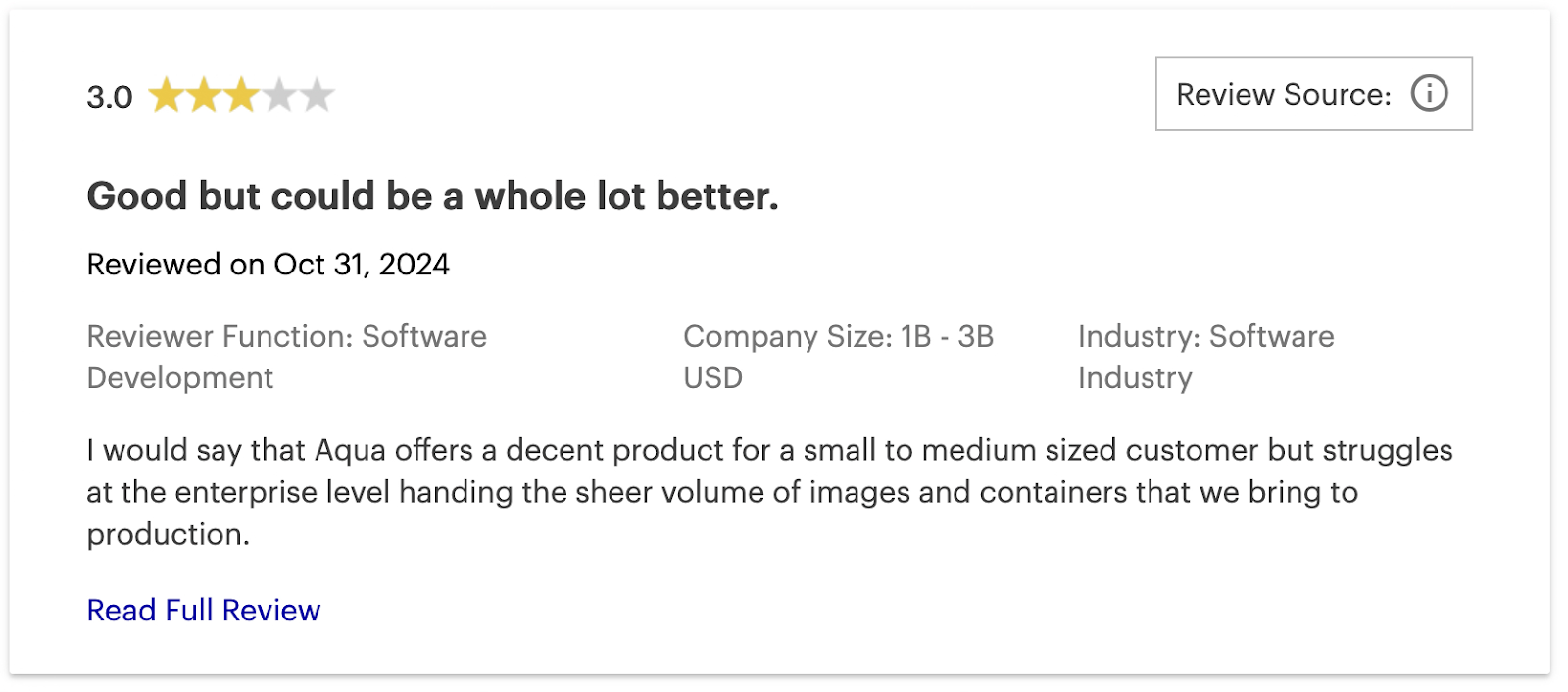
Aqua Security is a cloud native application protection platform that originated with container and Kubernetes security and later expanded into a broader CNAPP offering. The platform focuses heavily on container image scanning, runtime workload protection, and cloud posture management, making it a common choice for organizations running Kubernetes and serverless workloads in production.
Key Features
Pros
Cons
Ideal Use Case
Organizations running large-scale Kubernetes or containerized workloads that require runtime enforcement and production workload protection. Aqua is best suited for platform and DevOps teams focused on securing cloud workloads rather than application code.
Pricing
Custom pricing based on environment size, workloads, and enabled modules. Pricing details are not publicly listed and typically require a sales engagement.

Check Point CloudGuard is a cloud security platform focused on cloud security posture management and cloud network protection. It is commonly adopted by large enterprises with strict compliance requirements, particularly those already using Check Point firewalls in on-prem or hybrid environments. Compared to Orca, CloudGuard offers more active prevention and policy enforcement, but with greater operational complexity.
Key Features
Pros
Cons
Ideal Use Case
Large enterprises with compliance-driven security programs that require strong CSPM, network-level threat prevention, and centralized governance across cloud and on-prem environments. CloudGuard is particularly suitable for organizations already invested in the Check Point ecosystem.
Pricing
CloudGuard pricing is module-based and typically requires a sales engagement. Costs vary based on cloud footprint, enabled features, and deployment model.
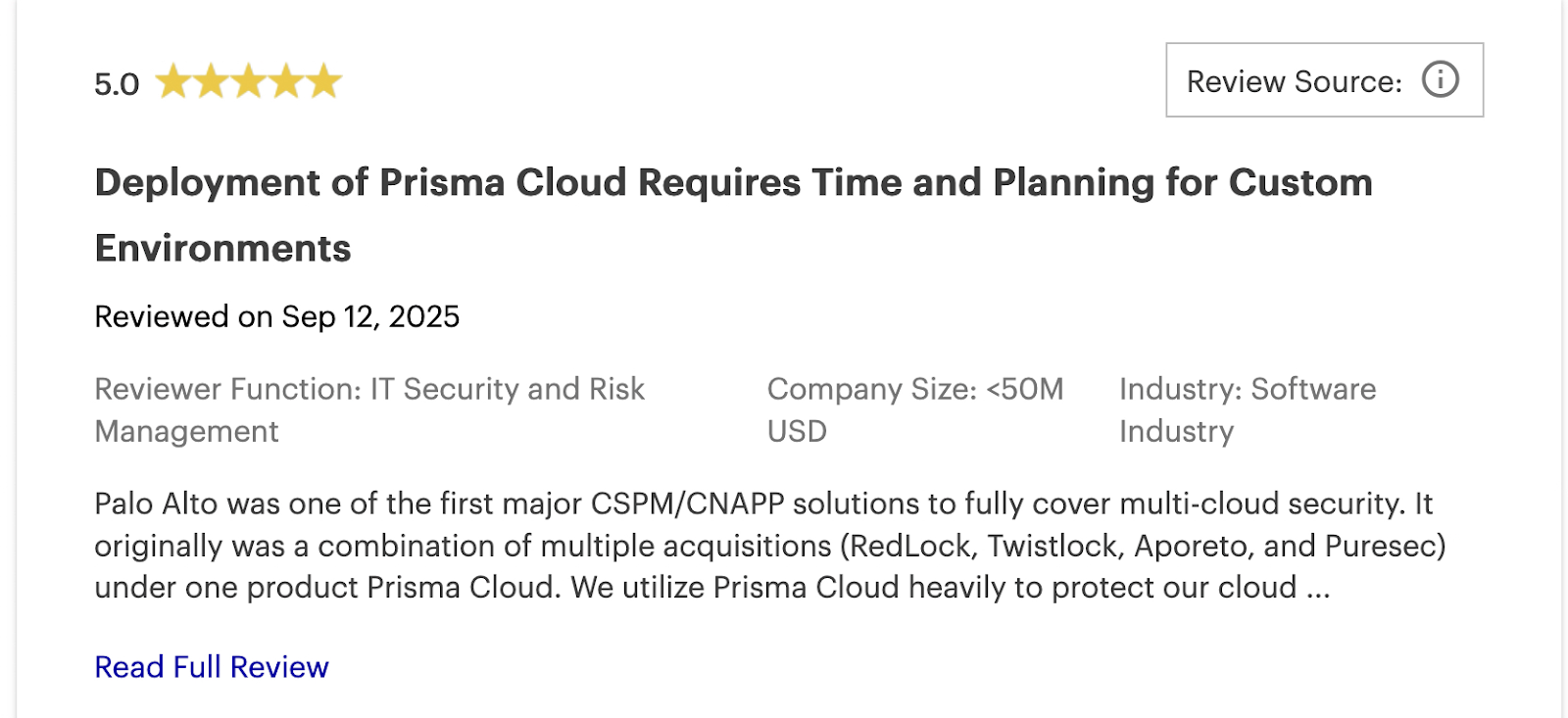
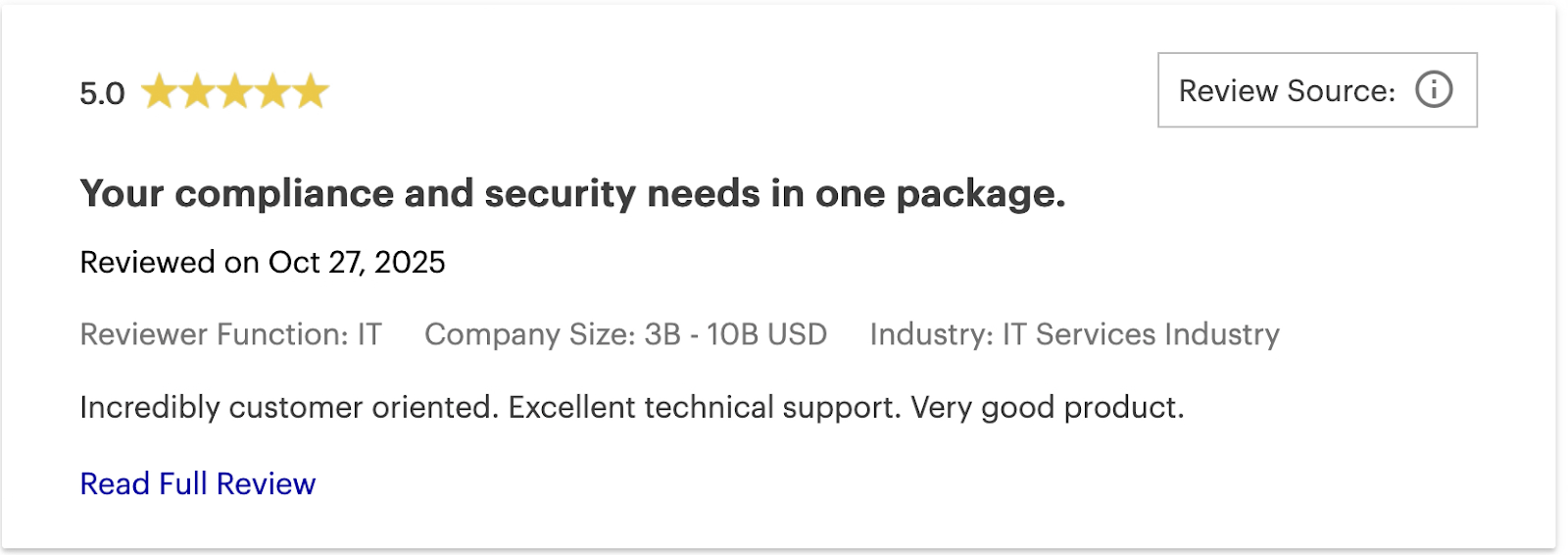
Prisma Cloud is a comprehensive cloud-native security platform from Palo Alto Networks, combining cloud security posture management, workload protection, identity security, and code/IaC scanning. It is often adopted by large enterprises seeking end-to-end visibility and full-stack protection. Compared to Orca, Prisma Cloud offers broader coverage including code repository and runtime security.
Key Features
Pros
Cons
Ideal Use Case
Large enterprises seeking a single platform for comprehensive cloud and application security, including runtime, code, and identity. Prisma Cloud is suited for organizations with the resources to manage a full-stack CNAPP and the need for enterprise-grade visibility and compliance.
Pricing
Custom pricing based on cloud footprint, enabled modules, and enterprise features. Requires engagement with Palo Alto Networks sales.

Sysdig is a container and cloud security platform focused on real-time runtime protection for containers and Kubernetes. It is best known for its use of the open-source Falco engine to detect suspicious behavior at runtime. Compared to Orca’s agentless, snapshot-based scanning, Sysdig emphasizes continuous visibility and live threat detection in production environments.
Key Features
Pros
Cons
Ideal Use Case
Teams running production Kubernetes environments that require real-time threat detection and runtime visibility. Sysdig is well suited for DevOps and platform teams focused on live workload protection and is often paired with developer-first tools for code, IaC, and cloud security.
Pricing
Sysdig pricing is usage-based and depends on monitored workloads, hosts, and enabled features. Pricing details typically require a sales engagement.
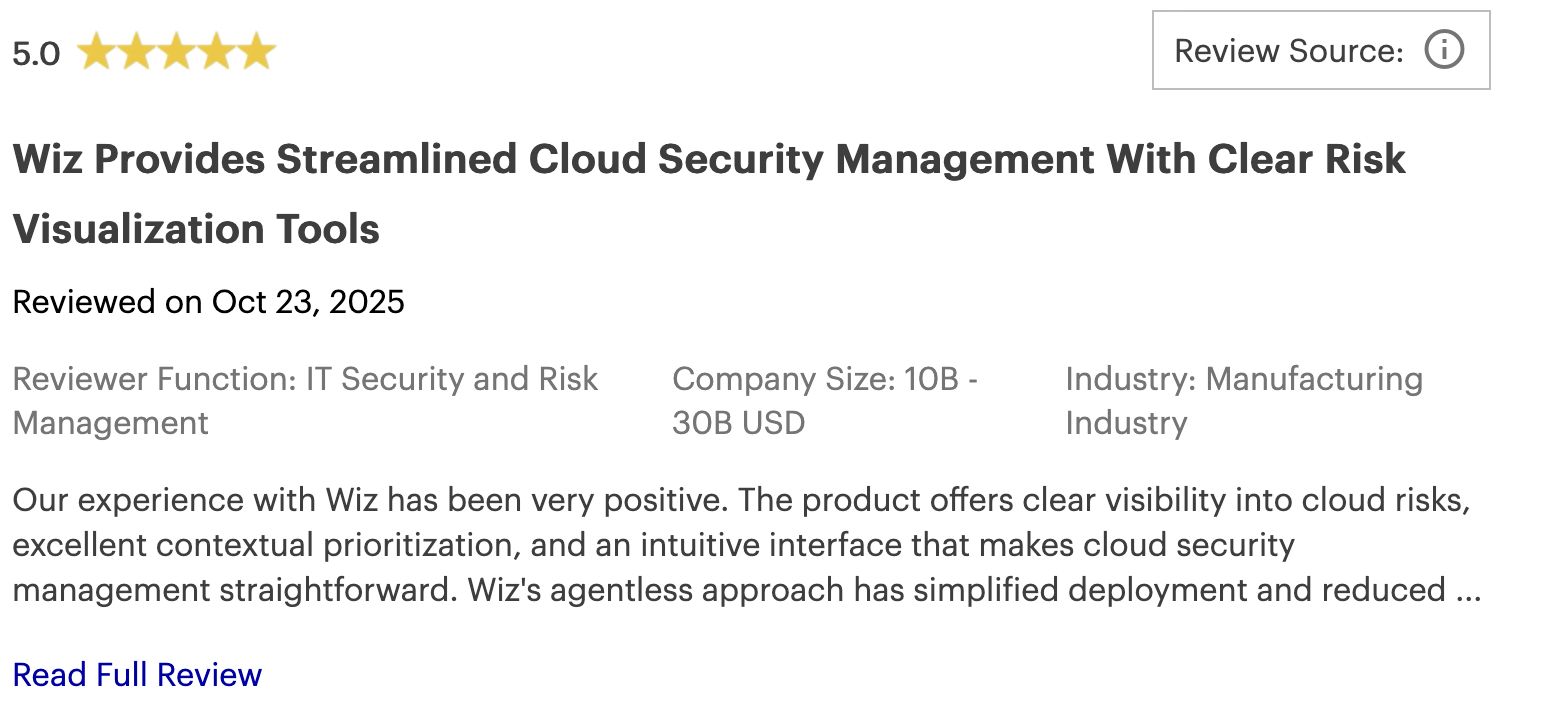
Wiz is a cloud security platform focused on agentless cloud security posture management and risk prioritization across cloud environments. It is widely adopted for its ease of deployment and fast time to value, particularly in large multi-cloud environments. Compared to Orca, Wiz offers a more modern user experience and stronger risk correlation, but remains primarily cloud-infrastructure focused rather than application- or developer-centric.
Key Features
Pros
Cons
Security teams managing large multi-cloud environments that need fast visibility, strong risk prioritization, and minimal operational overhead.
| Tool | CSPM | Code Scanning (SAST / Secrets) | Container Security | Runtime Protection | Developer Friendly | Pricing Transparency |
|---|---|---|---|---|---|---|
| Orca Security | ✅ Full CSPM | ❌ No scanning | ⚠️ Basic image scan | ❌ No agentless runtime | ❌ Not dev-focused | ❌ No pricing online |
| Aikido Security | ✅ Full CSPM | ✅ SAST & Secrets | ✅ Deep container scan | ❌ No runtime monitoring | ✅ Built for developers | ✅ Transparent pricing |
| Aqua Security | ✅ Full CSPM | ⚠️ Limited support | ✅ Comprehensive | ✅ Full runtime agent | ⚠️ Dev UX mixed | ⚠️ Contact for pricing |
| CloudGuard | ✅ Full CSPM | ❌ No scanning | ⚠️ Basic container checks | ✅ Network-based only | ❌ Enterprise-focused | ❌ No pricing available |
| Prisma Cloud | ✅ Full CSPM | ✅ Bridgecrew integration | ✅ Full coverage | ✅ Advanced runtime | ⚠️ Steep learning curve | ❌ Enterprise-only pricing |
| Sysdig | ⚠️ Limited CSPM | ❌ No code scanning | ✅ Strong container focus | ✅ Runtime & policy engine | ⚠️ Not dev-centric | ⚠️ Pricing unclear |
| Wiz | ✅ Full CSPM | ❌ No native SAST | ✅ Image & workload scan | ❌ No runtime agent | ⚠️ Security-team focused | ❌ No pricing online |
Many teams in 2026 are rethinking their reliance on Orca Security. Whether it’s the volume of unfiltered alerts, the gaps in coverage (no code insight), or the high cost of scaling Orca, the reality is that modern security requires a more tailored approach.
Platforms like Aikido Security show that you can have comprehensive cloud and application security without the bloat. Other alternatives cater to specific needs (containers, compliance, etc.), so choose what fits your priorities. Teams are discovering that by switching to leaner, developer-friendly solutions, they can boost security visibility and velocity at the same time.
Q1. What are the main limitations of Orca Security?
Orca focuses on agentless cloud posture management but has limited application security. It lacks native SAST and secrets scanning, offers minimal developer workflow support, relies on periodic scans rather than continuous monitoring, and does not publish pricing.
Q2. How does Aikido Security compare to Orca?
Aikido matches Orca on cloud and container security while adding built-in SAST, secrets scanning, and AI Autofix for SAST and IaC. It is developer-first, reduces alert noise, and offers transparent pricing.
Q3. Are there free or affordable alternatives to Orca Security?
Yes. Aikido offers transparent pricing and a short trial. Open-source tools like Trivy cover basic scanning, while platforms such as Wiz, Aqua, and Sysdig typically target enterprise budgets.
Q4. Does Orca support developer-first workflows like IDE or PR checks?
No. Orca is designed for cloud and security teams and does not natively integrate with IDEs or pull request workflows.
Q5. Can Orca be used alongside tools like Snyk or Aikido?
Yes. Orca is often paired with code security tools to fill gaps, but this increases tool sprawl and operational overhead.
Q6. What should I consider when choosing between Orca and its competitors?
Consider whether you need code security and developer workflows, how alerts are prioritized, scan frequency versus real-time protection, pricing transparency, and the cost of managing multiple tools.
You Might Also Like:
此内容由惯性聚合(RSS阅读器)自动聚合整理,仅供阅读参考。 原文来自 — 版权归原作者所有。