





AI code generators are reshaping software development by handling routine coding tasks, suggesting smart completions, and even translating ideas from natural language into full-fledged functions. These tools seamlessly fit into your workflow, helping you code smarter and faster. With developers rapidly adopting AI tools to focus more on solving meaningful challenges, these generators are becoming essential for staying competitive.
For a broader look at coding assistants and how they compare, check out our in-depth guide to AI coding assistants. If you want the full landscape of AI coding tools, including testing and debugging, jump to this article for your next read.
An AI code generator is a tool that leverages artificial intelligence—often large language models (LLMs) trained on massive codebases—to automatically generate source code from your input. This could be as simple as a one-line function name or as dynamic as a full paragraph explaining an algorithm. The AI analyzes the context of your codebase and the prompt, producing targeted, ready-to-use code snippets.
Interest in this technology has soared as studies demonstrate that AI-powered development can slash project delivery times and improve code quality. Common capabilities include:
If you want to see how code generators stack up against broader AI assistants and development tools, check out our in-depth AI coding tools roundup, where we break down key differences and help you choose the best fit for your workflow.
With the power to accelerate your workflow, AI code generators also require new habits—especially concerning security. AI tools can sometimes introduce issues that slip past initial reviews, highlighting the need for vigilant oversight.
Here are some top AI code generators that help modern teams work smarter, not just faster.
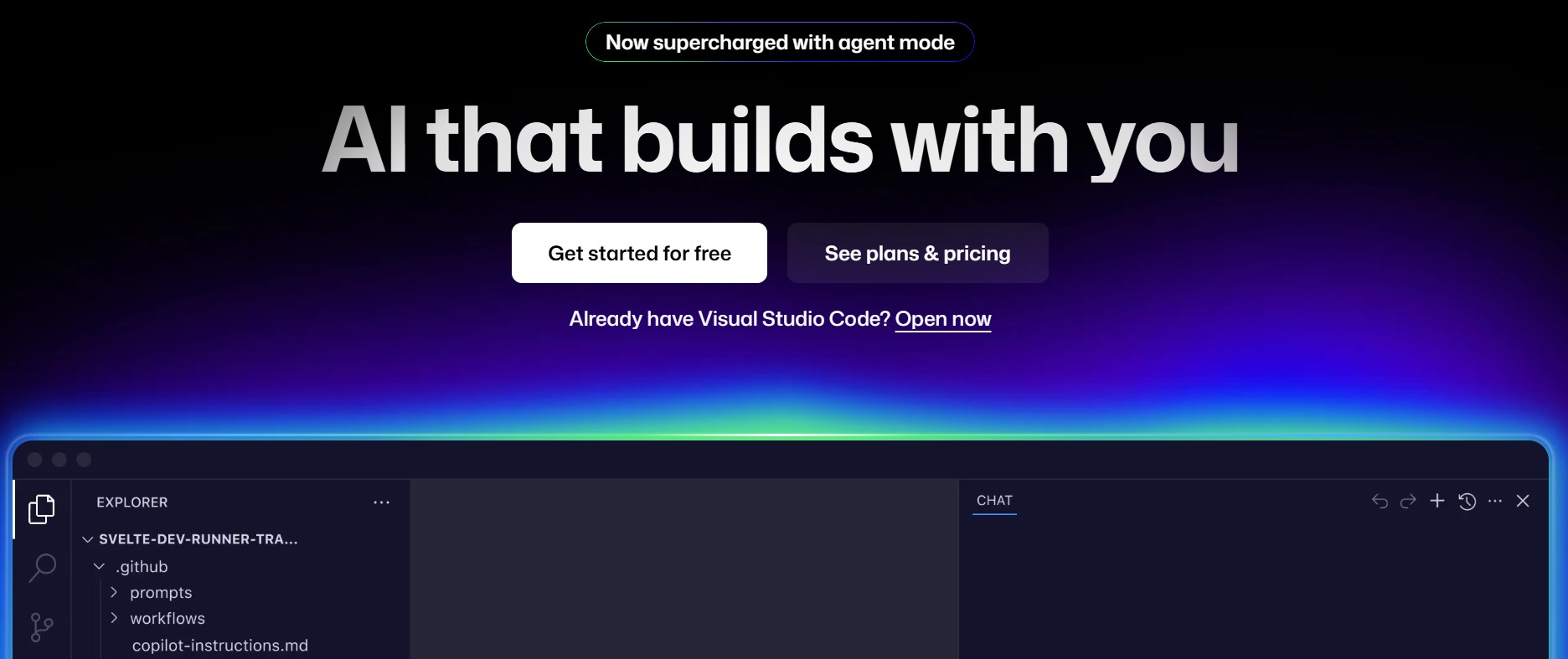
Powered by OpenAI's Codex model, GitHub Copilot is a pioneer in the AI code generation space. It integrates with mainstream IDEs like VS Code, Neovim, and JetBrains, offering timely code suggestions that range from small completions to entire file templates.
Key Features:
Amazon CodeWhisperer's tight integration with AWS services makes it the obvious choice for cloud-centric teams. It is free for individual developers, supports popular IDEs, and stands out for its emphasis on secure code.
Key Features:
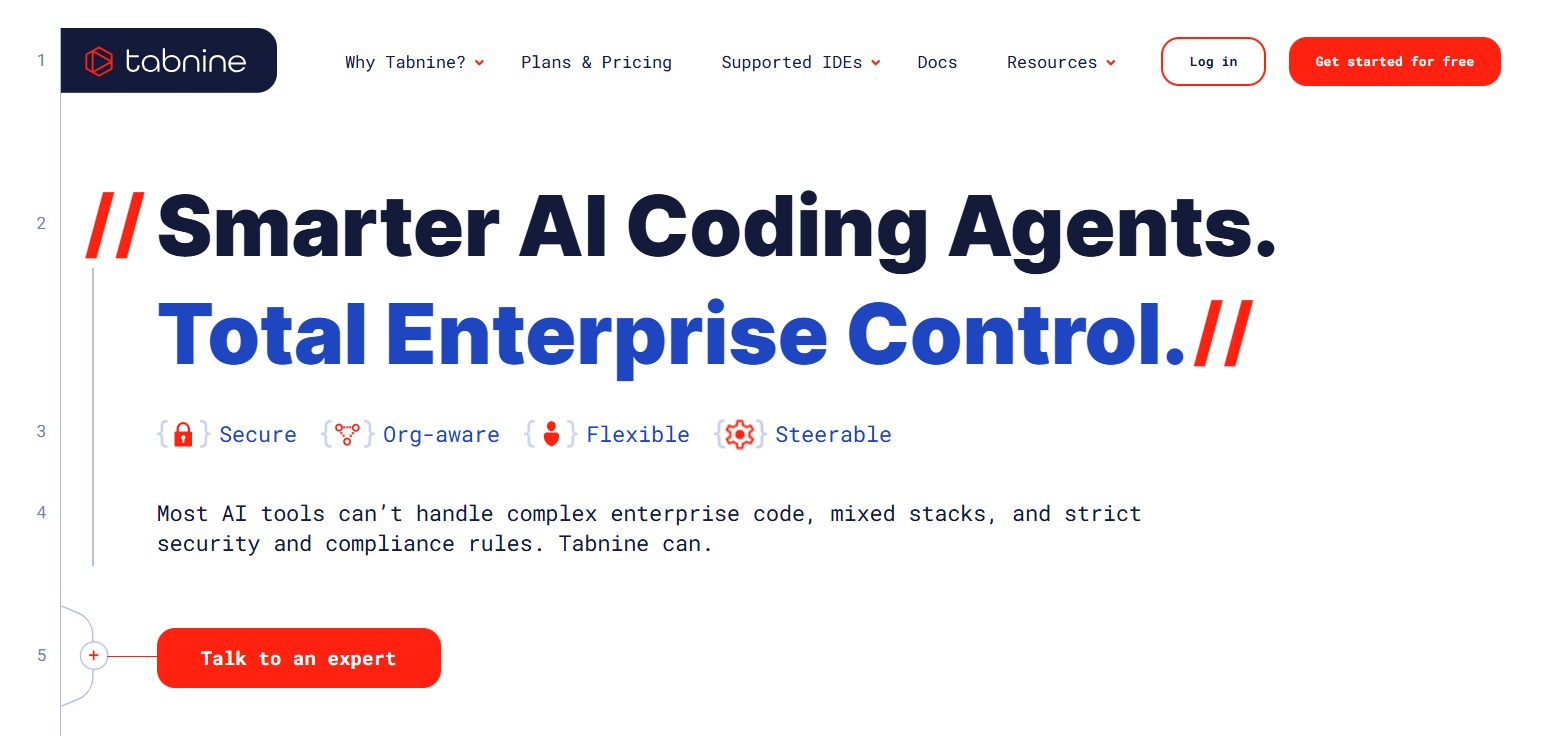
Tabnine has long been a trusted companion for teams prioritizing privacy. It offers support for many languages and environments, with a unique edge: enterprises can train private models using their own codebases.
Key Features:
For a pragmatic breakdown comparing Tabnine’s collaborative features with other assistants, see our AI coding assistant deep dive.
Google Cloud Code AI brings Duet AI-enabled support right to your IDE. Ideal for teams working with Google Cloud Platform (GCP), it smarts up both generation and deployment.
Key Features:
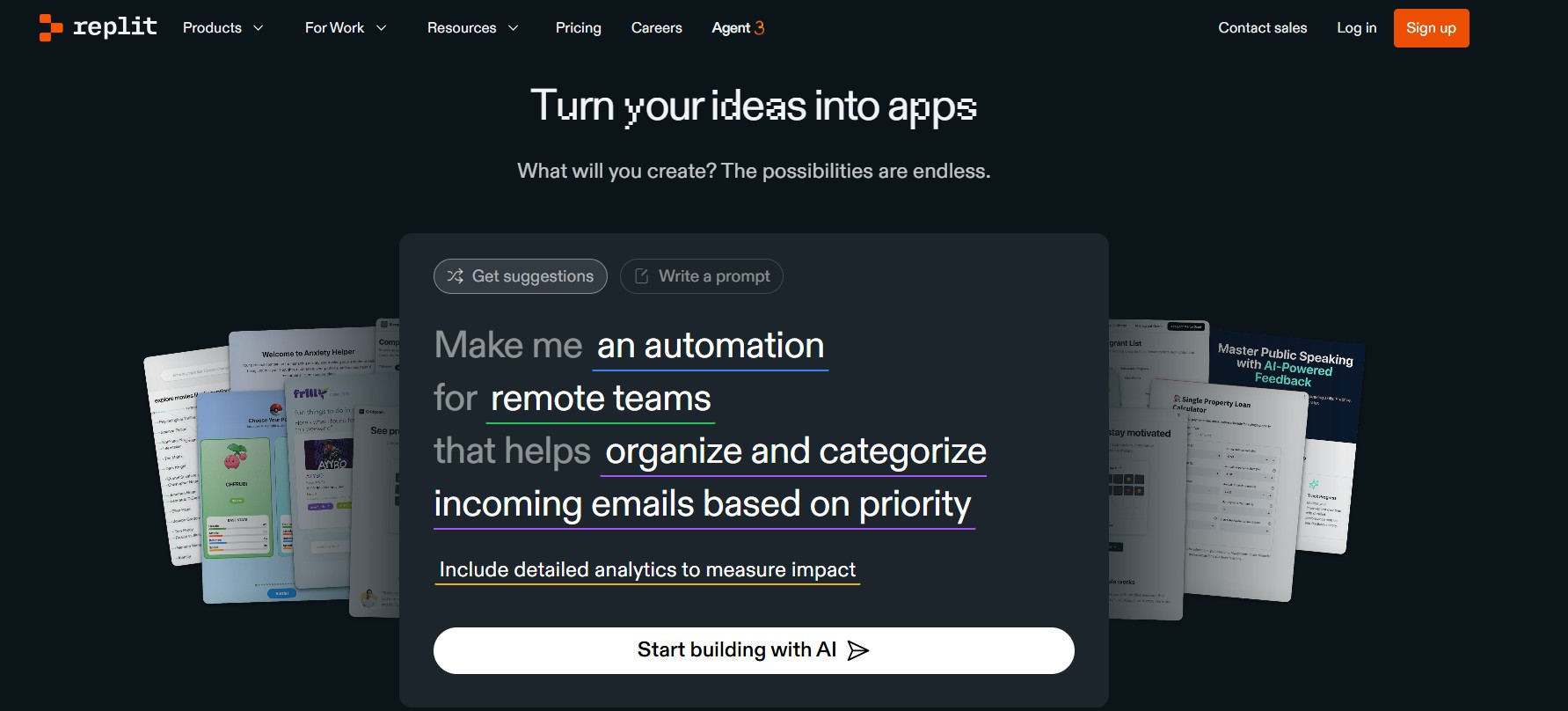
Replit, a browser-based IDE, has quickly gained popularity for its seamless collaboration and instant setup. Its Ghostwriter AI features continuous code suggestions and context-aware insights.
Key Features:
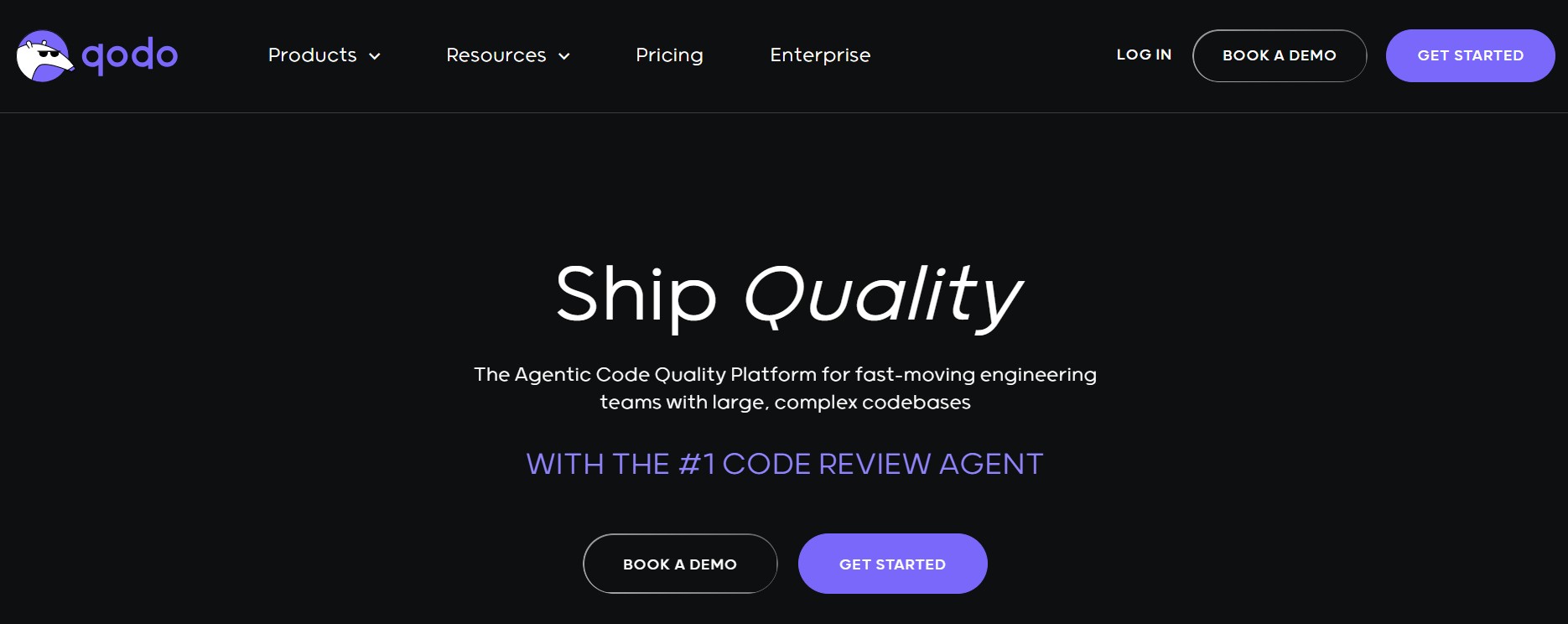
Qodo is a robust, free alternative that offers fast completions, deep integration, and privacy-first architecture for larger users. It supports more than 70 programming languages and runs on-premises for enterprises.
Key Features:
| Tool | Best For | Key Features | Languages / IDEs | Security / Privacy |
|---|---|---|---|---|
| GitHub Copilot | General-purpose AI code generation |
✅ Context-aware suggestions ✅ Natural language prompts ✅ Boilerplate reduction |
🌐 VS Code, Neovim, JetBrains Python, JS, TS, Ruby, Go |
❌ No dedicated security |
| Amazon CodeWhisperer | Cloud-centric teams using AWS |
🔒 Security scanning ✅ Reference tracking for licensing ⚡ AWS API optimization |
🌐 Popular IDEs, AWS SDKs | ✅ Strong security focus |
| Tabnine | Enterprise teams prioritizing privacy |
✅ Personalized AI models ✅ Team collaboration ✅ Style & convention training |
🌐 Multiple IDEs, many languages | 🔒 Private models & on-prem |
| Google Cloud Code AI | Developers building on GCP |
✅ Google Cloud integration ⚡ Intelligent IDE actions ✅ Cloud-native code generation |
🌐 IntelliJ, VS Code GCP SDKs |
✅ Backed by Google Cloud security |
| Replit AI (Ghostwriter) | In-browser, collaborative coding |
✅ Real-time collaboration ✅ Contextual explanations ⚡ Instant browser setup |
🌐 Browser IDE Multiple languages |
❌ Cloud-based; data stored in Replit |
| Codeium | Free & scalable coding for individuals/teams |
🔒 Self-hosted enterprise option ⚡ Fast completions ✅ Natural language code search |
🌐 70+ languages IDE plugins |
🔒 Privacy-first, on-prem possible |
AI code generators unlock speed and power, but they aren't perfect—sometimes introducing subtle vulnerabilities or risky dependencies. Research shows that developers may unknowingly adopt insecure patterns or expose misconfigurations. Relying on AI without a proper security net is like driving a race car without brakes—it's fast until it isn't.
Pairing an advanced code security platform like Aikido ensures that every AI-generated snippet—new function or dependency—gets automatically vetted before reaching production. For a concrete approach to integrating security into all your AI-assisted workflows, see our detailed guide to AI coding tools.
By using Aikido alongside an AI code generator, you can embrace AI-driven development without compromising on security. It acts as your safety net, catching potential issues before they reach production. Ready to code faster and safer? Try Aikido Security for free.
此内容由惯性聚合(RSS阅读器)自动聚合整理,仅供阅读参考。 原文来自 — 版权归原作者所有。