






Sturm Software Engineering and Ngaanyatjarra (NG) Media, an indigenous-owned media organisation in Western Australia, have recently completed a successful pilot project investigating the preservation and publication of NG Media’s collection of culturally significant photography and film. This work was presented at the national conference of First Nations Media Australia, the peak body for indigenous media organisations.
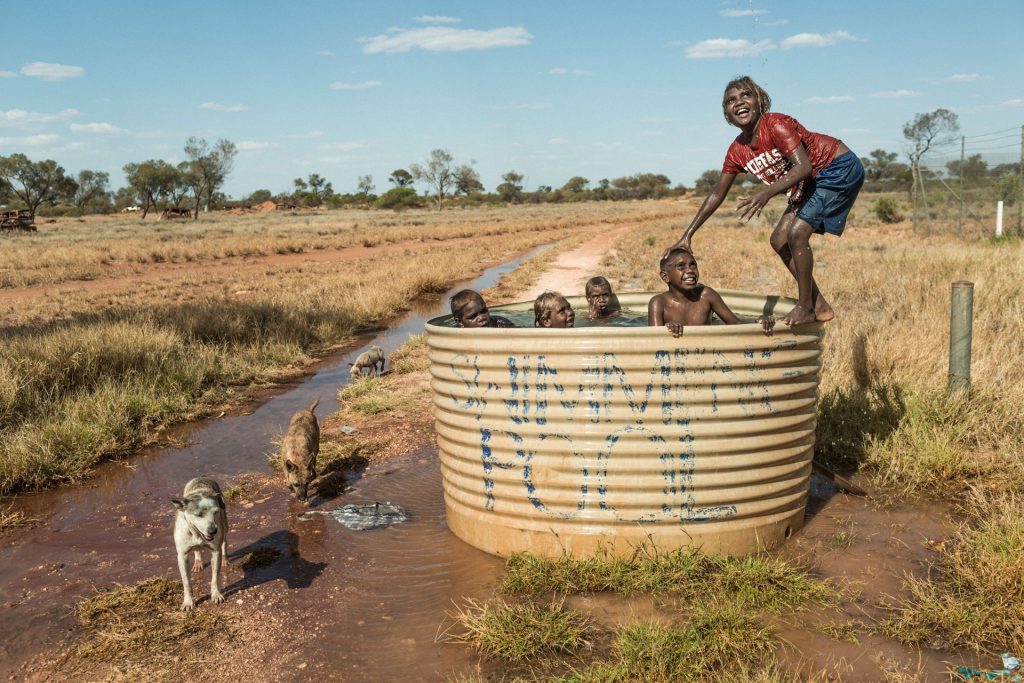
“We have a large number of photos and video film from the 1960s, 70s, 80s and 90s,” explained Rongomai Bailey, Acting General Manager for Ngaanyatjarra (NG) Media. “We have racks of tapes here that are sitting around, slowly degrading. Do you know how you tell? You pick them up and smell them. If they smell like vinegar, you’re in trouble. These are irreplaceable and I’m worried we’re going to lose them for future generations. We want Yarnangu children to see how different it was in the past.”
NG Media support 15 remote communities spread over 250,000 square kilometres in the Western Desert region of Western Australia; broadcasting RadioNGM, producing music and film and providing equipment, studio facilities and training. Their mission is to empower the Yarnangu people to create and share their own stories.
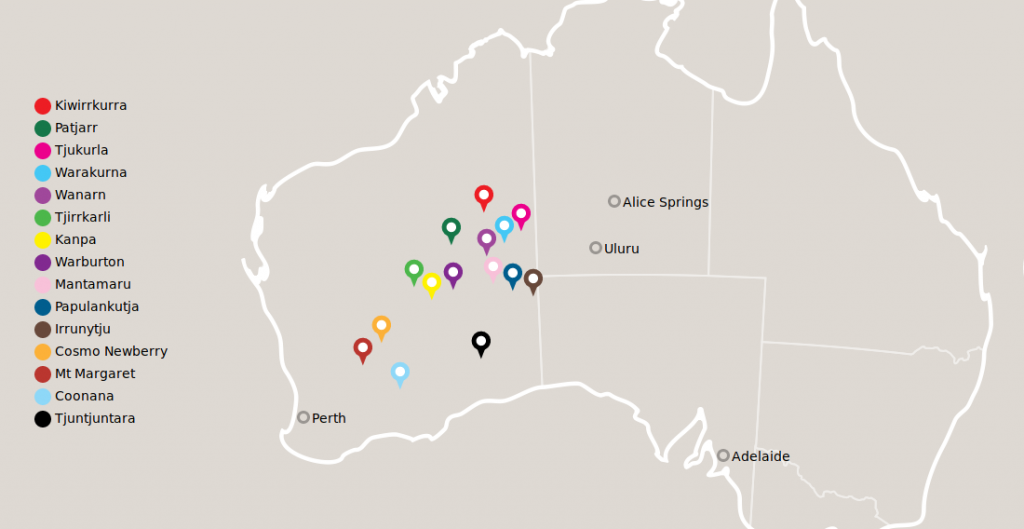
In addition to their archiving and preservation challenges, a further problem is making both the at-risk analogue collection as well as their more recent “born digital” collection available to remote communities. “These communities don’t have reliable internet; they often share a single satellite connection, which can’t cope with on-demand services like YouTube,” said Bailey.
The project builds on extensive archiving research by Susan Locke and First Nations Media, Australia’s indigenous media peak body. The research reviewed a range of media publishing platforms, both free and open source software such as Mukurtu and proprietary software such as Keeping Culture, Collecting Bug and eHive. None of these options met all their needs, with issues such as lack of support for culturally sensitive media or custom metadata, reliance on off-site cloud hosting and significant ongoing fees to preserve the archive.
Instead, MediaGoblin was identified as a suitable alternative. Being free and open source software means that NG Media can truly own the system, customise it to their needs, be independent from any individual supplier and not be required to pay ongoing licensing fees. Importantly, it also puts them in direct control of their media, which is especially important for maintaining trust in the community archiving process.
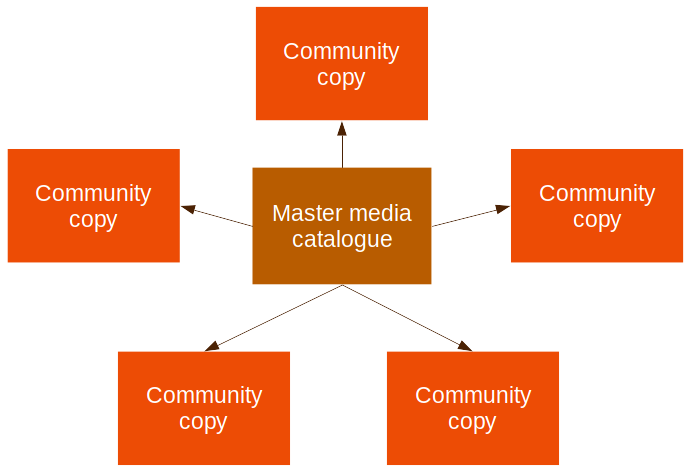
As a core contributor to the MediaGoblin project, Sturm Software Engineering was engaged to work on the project. Our approach for the pilot phase was to investigate and address the most challenging aspects of the project. In particular this included the “hub and spoke” synchronisation for sharing media with remote communities, appropriately handling access to culturally sensitive media and developing a workflow for bulk accession (triaging) and ingestion of the media collection. During the pilot, we were able to develop a prototype that demonstrated these aspects of the project (see video).
In the first half of 2020 we hope to begin rolling out the system to a remote community and sharing items from the collection. We’ll also be investigate ways to improve the bulk archiving workflow and to replicate the system for other communities.
此内容由惯性聚合(RSS阅读器)自动聚合整理,仅供阅读参考。 原文来自 — 版权归原作者所有。