Celebrating its 50th anniversary and the railway bicentenary, the UK’s National Railway Museum launches on Google Arts & Culture. Explore 1,000 artifacts, take 360° tours and uncover the powerful stories that shaped the modern world.
Sir Ian Blatchford
Director of the Science Museum Group
General summary
Google Arts & Culture and the Science Museum Group launched Beyond the Tracks to celebrate the National Railway Museum’s 50th birthday and the bicentenary of the modern railway in the UK. You can explore virtual tours, digitized items, and untold stories about the railway's impact using the Google Arts & Culture platform. The National Railway Museum used Google’s new AI-powered Metadata Enhancement Service to transcribe handwritten documents and artifacts, making them searchable for the first time.
Summaries were generated by Google AI. Generative AI is experimental.
Bullet points
- "Beyond the Tracks" on Google Arts & Culture explores 200 years of railway history.
- You can virtually tour the Locomotion museum and walk the historic Brusselton Incline.
- Discover digitized items like the Rastrick Notebook and Puffing Billy locomotive.
- Explore stories about the railway's impact, from engineering to societal changes.
- AI helps transcribe documents, making railway history more searchable online.
Summaries were generated by Google AI. Generative AI is experimental.
Shakespeare-ish
Two centuries of rail we now explore,
With Google's aid, a digital display,
The Science Museum unlocks its door,
To share the past in a brand new way.
Through virtual tours and AI's keen eye,
Old documents now speak with newfound grace,
The railway's tale, for all to descry,
A revolution's impact we embrace.
So join the journey, far and wide,
Let history's engine be your guide.
Summaries were generated by Google AI. Generative AI is experimental.
Explore other styles:
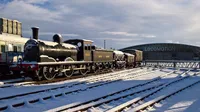
The sheer presence of a steam locomotive is unforgettable. For many of us, the railway is more than just infrastructure — it's a shared, visceral memory: the hiss, the smoke, the clang of the buffer, the sense of immense, beautiful engineering. It speaks to the railway's lasting impact on our imagination and our national story.
This year, as we celebrate the National Railway Museum’s 50th birthday and the bicentenary of the modern railway in the UK, we are delighted to announce a major new project with Google Arts & Culture: Beyond the Tracks. This work embraces the digital revolution the railway helped inspire, ensuring this powerful history belongs to everyone, everywhere.
At the Science Museum Group, our mission is to inspire future innovators and make the UK’s unparalleled national collection accessible to all. Beyond the Tracks is an expansion of the museum experience, bringing the transformative story of the railway to a global audience. To reveal new stories from our archives, we experimented withGoogle Arts & Culture's new AI-powered Metadata Enhancement Service to transcribe handwritten documents and artifacts, making these invaluable historical records searchable and accessible to all.
This project is the latest step in our long-standing partnership with Google Arts & Culture. For example, earlier this year we launched an eight-part educational storytelling series. These stories showcase fascinating items from our collection to bring fundamental scientific concepts to life for learners worldwide, covering topics ranging from Connecting the World and Taking Flight to the history of Home Cooking and an overview of the Energy Transition. Now, with Beyond the Tracks, we are focused on sharing new stories about our railway history.
Step aboard in 360 degrees
For the first time, you can virtually step inside the Locomotion museum in Shildon, County Durham, which is home to Europe’s largest undercover collection of historic railway vehicles. Three new virtual tours allow you to wander through Locomotion, including the immense Main Hall, appreciating heritage rail vehicles at their true, colossal scale, and the New Hall, designed as a traditional engine shed. You can even trace history itself by walking the historic Brusselton Incline, part of the world's first public railway from 1825.
Street View showing the interior of Locomotion's Main Hall in Shildon.

Rediscover a revolution through untold stories
Beyond The Tracks goes far beyond the iconic engines to reveal the human and societal revolution the railway ignited. We’ve meticulously digitised nearly 1,000 items from the UK’s national collection, which the Science Museum Group cares for, including the Rastrick Notebook, which offers a firsthand account of the world-changing 1829 Rainhill Trials; Puffing Billy, the world’s oldest preserved locomotive; and a model carriage crafted from the wood of the sunken paddle steamer PS Princess Alice, revealing a fascinating, morbid Victorian secret.
You can also explore more than 10 captivating stories that trace the railway's evolution and its profound societal impact. Learn about the engineering genius of Stephenson’s Rocket, the historically significant final journey of Queen Victoria's funeral train, the birth of modern travel in Leisure and Entertainment, and the complex stories of the often-overlooked pioneers and workers who built the network. Finally, the project features two unique, immersive Pocket Galleries, a feature that allows you to experience virtual 3D exhibitions through your device. These offer new perspectives: one on Art and the Railway and another showcasing rare Railway Posters, providing a glimpse into early rail travel advertising.
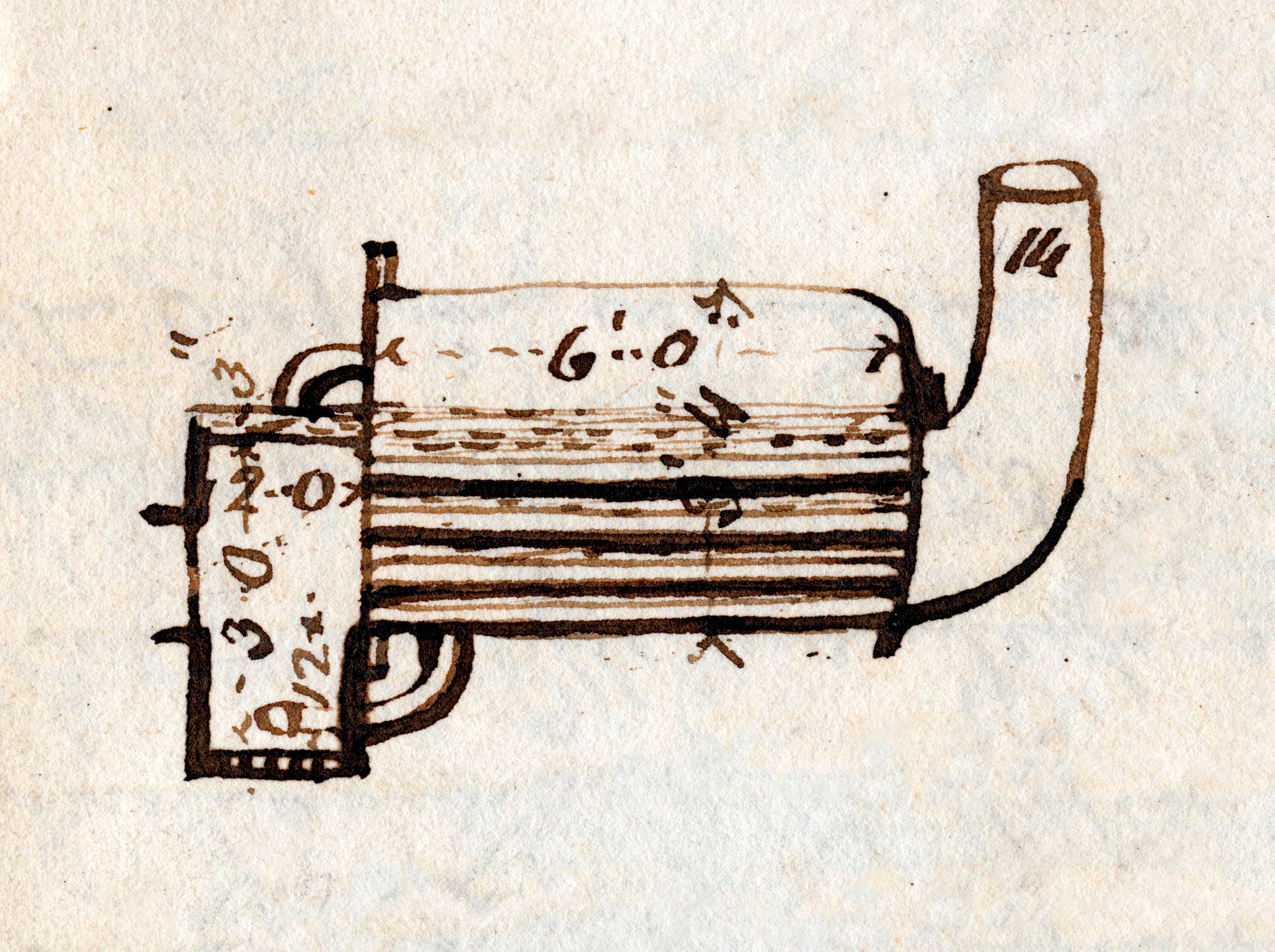
A detailed ink drawing from The Rastrick Notebook, 1829, illustrating a horizontal steam boiler with dimensions and a chimney.

The funeral wreath from the locomotive 'Royal Sovereign', which carried Queen Victoria's body in 1901, with her 'VR' cipher visible.

Sepia-toned drawing from 1838/1843 showing a family applying Wray's Aromatic Spice Plaster, a remedy for motion sickness, in preparation for a train journey.

A 1910 railway poster for the Glasgow & South Western Railway titled 'Not a Gamble!', which uses a playing card metaphor to promote the Ayrshire Coast resorts as guaranteed 'ALL TRUMP' holiday destinations.
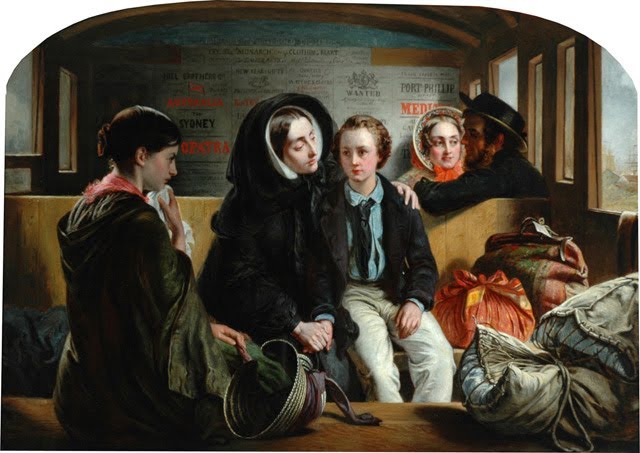
Oil painting, 'Second Class: The Parting' by Abraham Solomon (1855), showing a solemn moment of farewell inside a railway carriage, with advertisements for voyages visible in the background.
Whether you are a lifelong enthusiast or new to the history of the railway, we invite you to join us online. Beyond the Tracks is now available for your exploration on Google Arts & Culture at goo.gle/railway-museum, connecting you to the epic story of the railway that continues to shape our lives today.
Uncover history with AI
As part of the collaboration, the National Railway Museum was one of the first cultural institutions using a new tool from Google Arts & Culture called the Metadata Enhancement Service. This AI-powered service helps institutions make their collections more accessible by generating information about their objects, and in this case, using its text recognition feature to transcribe text from handwritten documents and historic artifacts, making them more searchable online for the first time.
This tool is part of a broader effort to help cultural institutions thrive in the digital age, supporting researchers and curators in providing rich information for their collections online. Other partner institutions, including Agencia EFE in Spain and the Zentralinstitut für Kunstgeschichte in Germany, have also used this service to create detailed image descriptions and complete metadata fields.
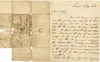
A handwritten letter sent from George Stephenson to Timothy Hackworth