Why has the US right since the 1970s been more effective than the left at grassroots community organizing? Part of the answer is that our side has no events with bouncy castles.
We have a lot to learn from the Waldoboro Republicans’ recent “Great American Picnic” in Maine:
For children, there will be a “Bouncy House” as well as assorted games to play. For those who want to “take a whack” at something, there will be a “High Striker” available for those looking to try and ring the bell. There will also be some young rabbits available to purchase, as well as a chance to win door prizes.
The scarcity of similar social events on the left is a big political mistake, reflecting and worsening our weak roots among working people. It’s also a relatively new problem.

When activists today look back at the mass working-class parties of the early 20th century, it’s often assumed they grew because the political-economic context was more favorable, because these parties centered workers’ material needs, or because they did the ABCs of organizing we’re trained in today, like one-on-one conversations and escalating campaigns.
Those theories capture parts of the picture, but they all overlook one thing: social events were key to recruiting and retaining working-class people. Fun, community-building social activities weren’t an afterthought to “real politics,” but a central mechanism for organizational growth.
Working people joined and stayed in the old US Socialist Party via picnics, choirs, volunteer orchestras, Sunday schools, weekend campouts, and baseball leagues. One hundred years before megachurches and Turning Point USA insisted on the same point, American Socialists in a typical 1913 article stressed that you can’t recruit most people to a boring movement:
Few young people will come to a dry business meeting; it is difficult to get older people out. Very few more will attend a lecture or similar affair. Other methods must first be used to interest them in the work of the movement. They must be reached by interesting them in something in which they naturally delight. Every young heart wants the joy that comes from an evening of merriment—a dance, a party, an entertainment. Young folks like to gather at places where they can meet their associates. Churches have long served this purpose, many of them depending upon this desire for association for their very existence.
These organizers understood that the feeling and culture of a movement mattered just as much as its program. Here’s how another 1913 piece, “Sociability and Socialism,” described the importance of reaching out warmly to any newcomer who found their way to a social:
It is the little things which people notice most in life. Grasping a person by the hand and speaking a friendly word may seem a small thing, but it may be the means of bringing a person into the Socialist movement, who may prove an exceedingly valuable worker. As the Young People’s Socialist League of Rochester says, “Let us put ‘social’ in Socialism.”
Sports and physical fitness activities were another pivotal way to make socialism more social. When asked what work young socialists should initially do locally, organizers replied—in addition to obvious things like educational classes—with the following activities: “form baseball and other athletic teams; run excursions; […] take cross-country walks, distributing literature on the way.”
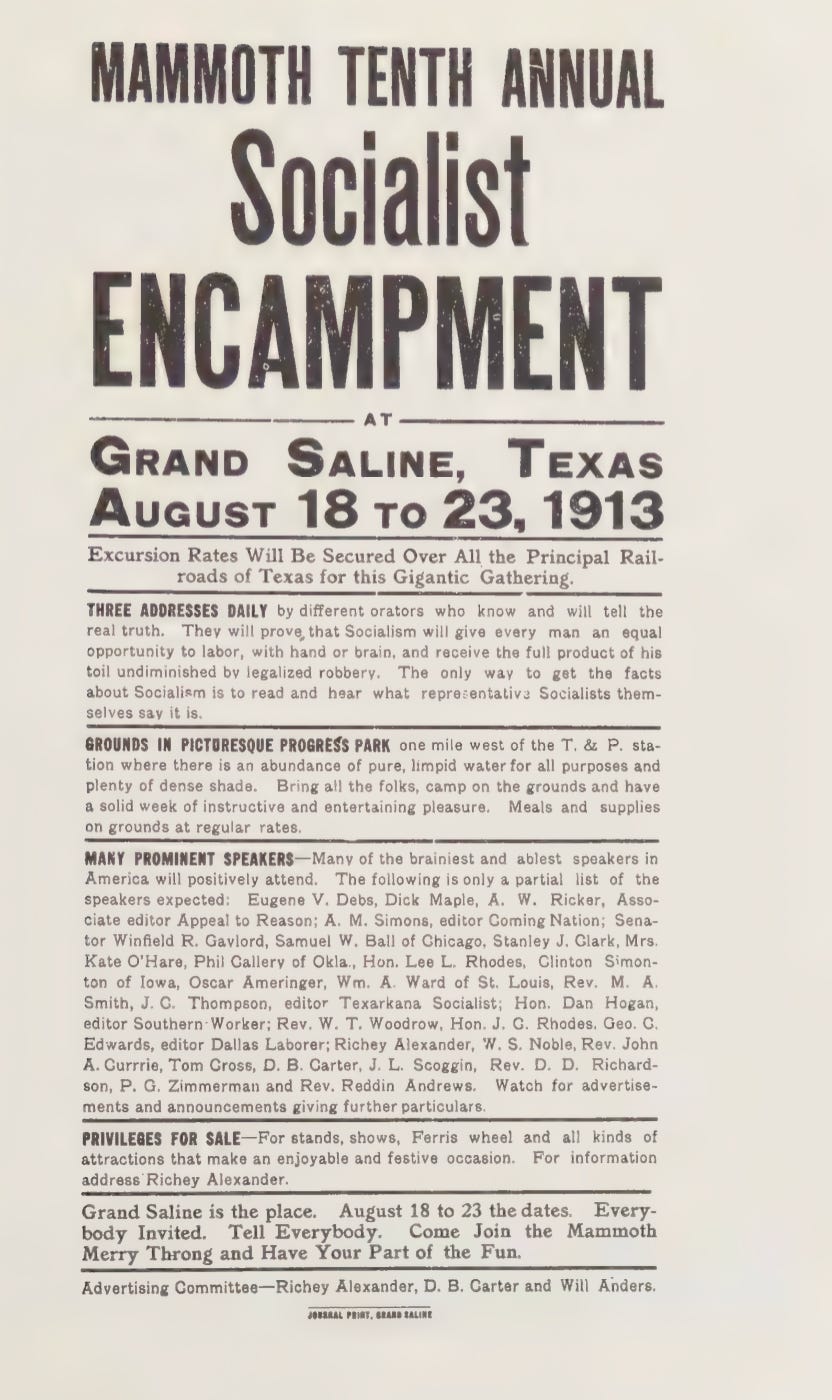
Crucially, these events were open to anybody, not just socialists (or the feuding factions thereof). An advertising poster for the week-long “MAMMOTH TENTH ANNUAL SOCIALIST ENCAMPMENT” in rural Grand Saline, Texas during the summer of 1913 thus concluded: “Grand Saline is the place. August 18 to 23 the dates. Everybody Invited. Tell Everybody. Come Join the Mammoth Merry Throng and Have Your Part of the Fun.”
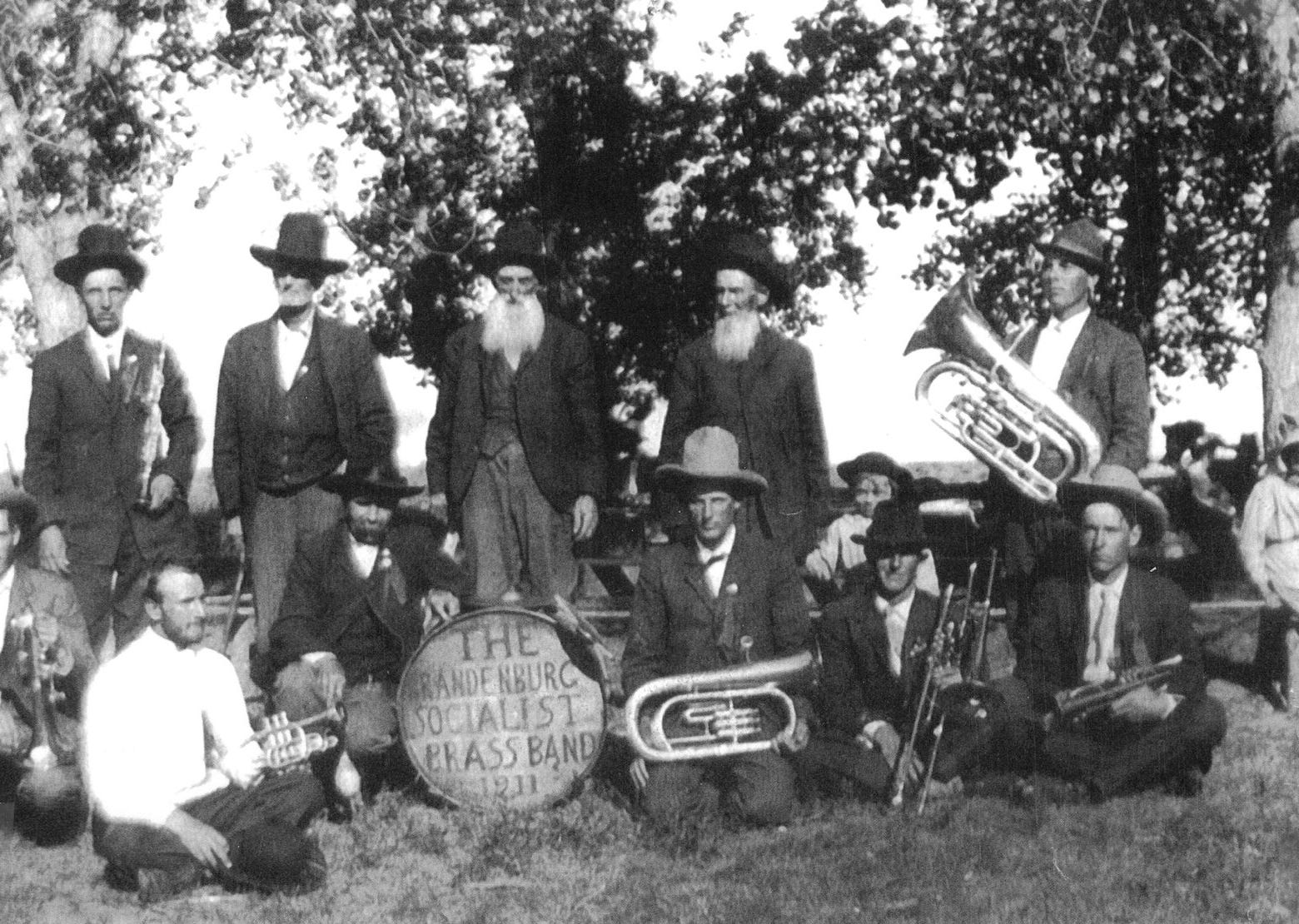
These events had plenty of political speakers, but what attracted people was community and fun for the whole family. One Socialist instruction manual from that year stressed the importance of preparing “lemonade stands, hamburger stands, doll racks, pounding machines, merry-go-rounds, shows.” Socialist agitator Oscar Ameringer recalls that the whole morning of the first day of camp in Oklahoma was dedicated to a “singing school” where “a mixed chorus was organized and rehearsed in Socialist songs, usually of Populist origin, sung to familiar melodies.” And after a full day of camaraderie, music, and politics, “discussions around the glowing campfire continued on into the small hours.”
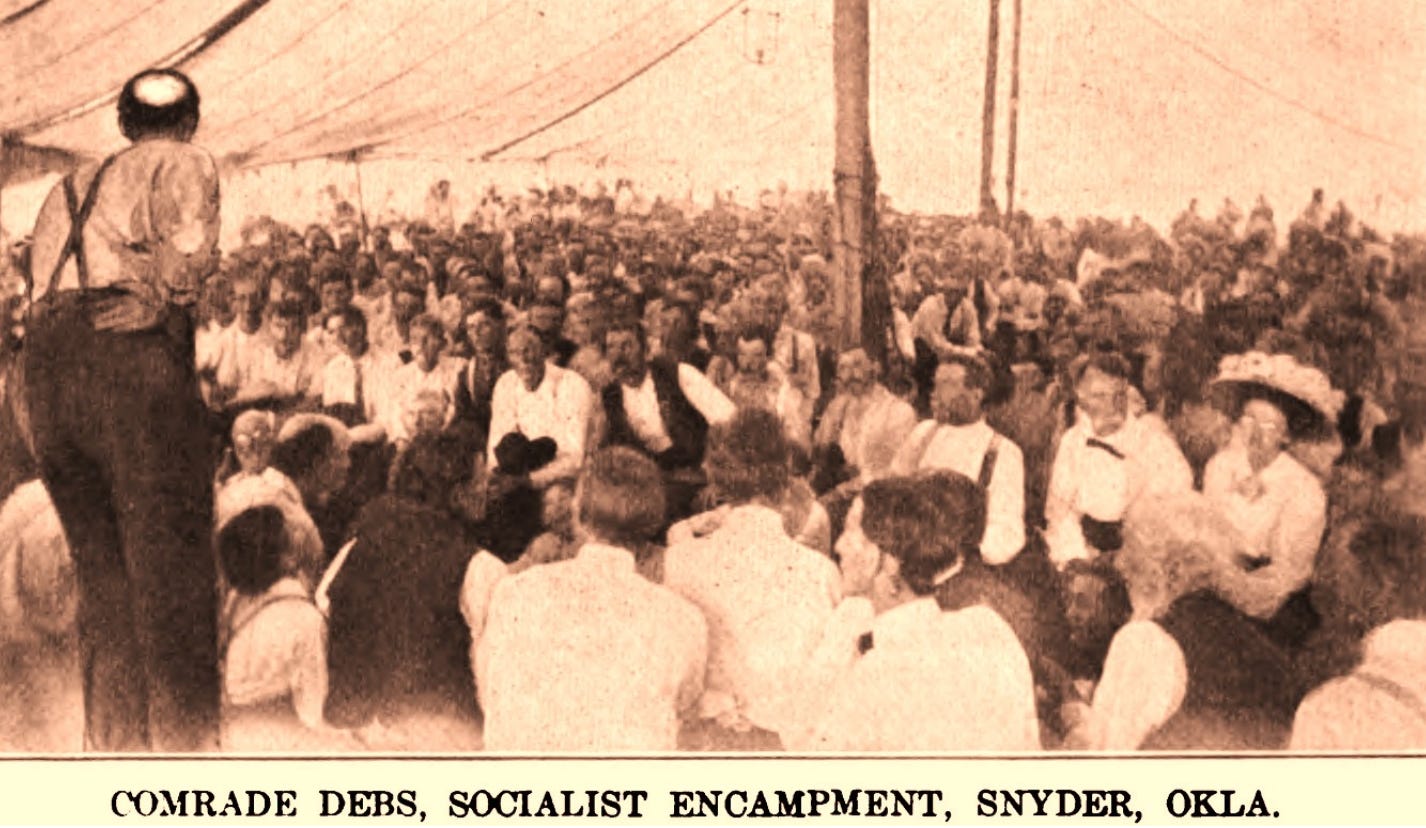
“The shortest road to the [socialist] understanding of the majority is via brass band and vaudeville,” concluded one report on a 1910 Socialist camp in Klamath Falls:
What impressed even the most casual observer at the Encampment was the Spirit of Comradeship that was so plainly manifested, the atmosphere of equality and freedom from conventionality that prevailed. There was utter absence of inharmony and discord, a striking illustration of the familiar quotation: ‘Where all govern nobody serves; where all serve nobody governs.’
Having an in-person recreational space was no less crucial in the cities. Los Angeles Socialism’s resurgence was credited partly to the new social dynamism it had created after fixing up a decrepit downtown building and turning it into a welcoming headquarters/social club. They depended on the volunteer labor of their members to make this happen, since they didn’t have money for repairs or furnishings.
Half of the space was dedicated to the dance hall, with the rest put toward an organizational office, billiard room, library and reading room, music room, check room, and rest rooms. “Pool and billiards can be played at any time and tourneys are arranged occasionally. The girls have their own club, which gives a dinner once a month for twenty-five cents a plate.” Every Tuesday, business meetings were held, which started with a short political talk from an outside speaker. Clearly much of the appeal of these meetings was social, since “after the business has been transacted the rest of the evening is given to dancing.”
Across the whole country, music was the organizers’ universal hook. Ameringer recalls that after initially struggling one day to catch the attention of working-class passersby, he pulled out his old clarinet:
I found myself on a soap box dispersing such classics as ‘Turkey in the Straw,’ ‘Arkansas Traveler,’ and ‘Everybody Works but Father.’ Gradually an audience assembled—a few white men, some Negroes, two or three Indians and a respectable number of mongrel dogs thirsting for knowledge and water. By sandwiching my discourse between slices of melody, I built the crowd.
Like all mass movements, these were singing movements. Songs like The Internationale and adaptations of traditional church songs were standards. And at an encampment in Sebastian County, Arkansas—coal country—the highlight was a 100-person chorus singing the French revolutionary anthem the Marseillaise, with the backing of a socialist orchestra.
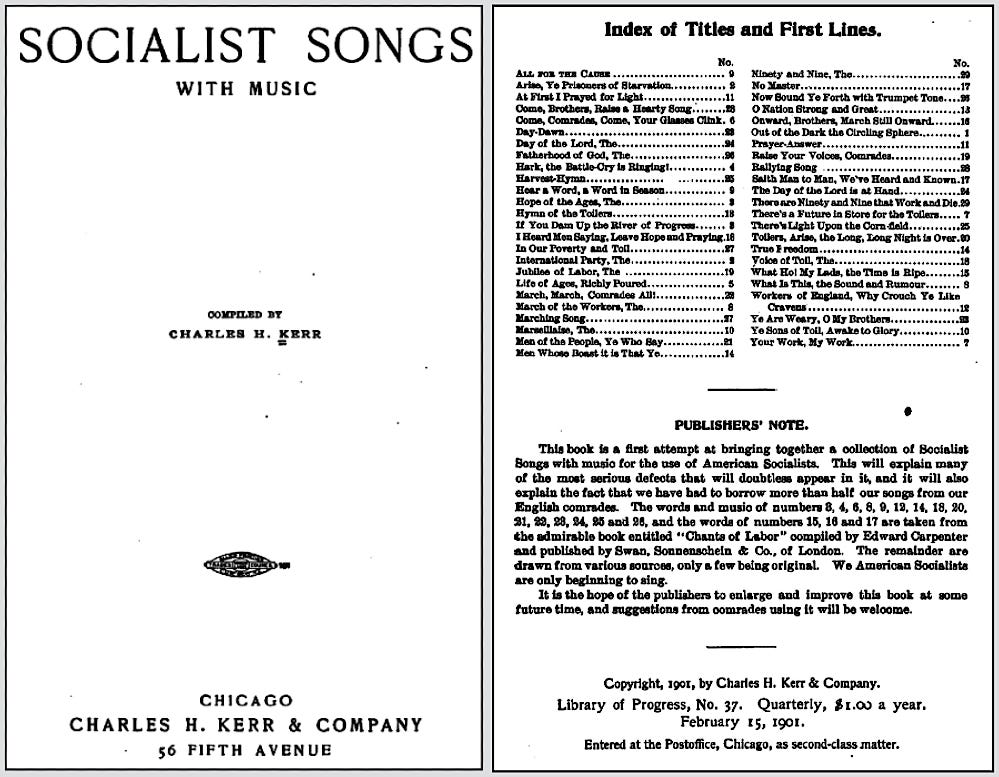
Because they placed so much importance on social activities, radicals viewed their preparation as an important skill to be acquired, not a secondary afterthought. A 1913 article, “Conducting Socialist Encampments,” laid out some of the hard-won lessons on how to do these right, including “don’t allow the sale of any noise-makers, as they interrupt the speakers. Don’t allow stands, or the merry-go-round, near the speaker’s stand.”
Encampments, sports leagues, and dances were important beyond recruitment. Just as importantly, they helped union members and socialist activists avoid burnout. Garment worker organizer Rose Pesotta recalls that “apart from my own need of relaxation, recreation proved a vital element in holding our dressmaker members together. In play we could forget our daily struggle, catch our breath, and be made whole again.”
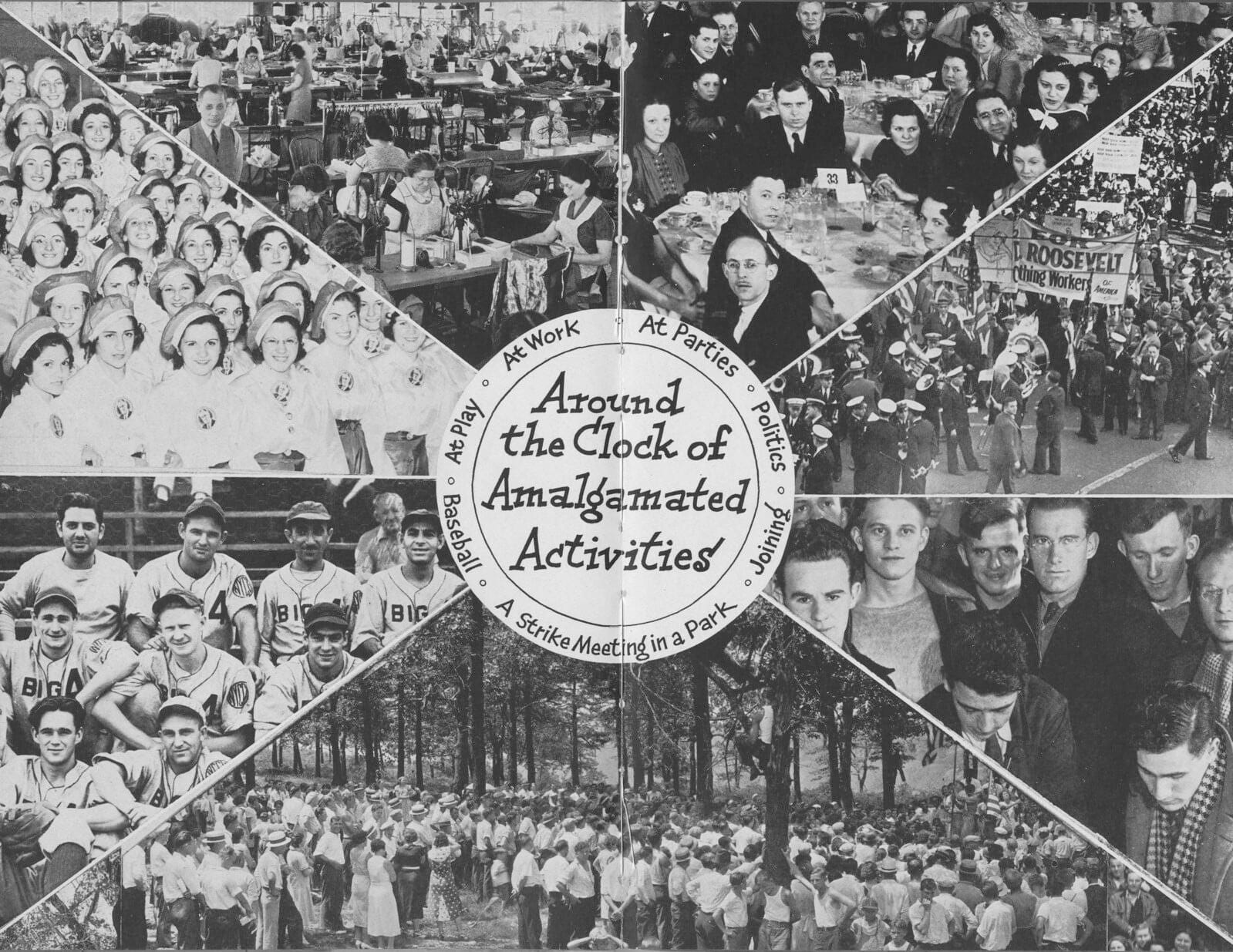
Eugene V. Debs similarly saw that socialist socials had a healing property. Through these, comrades could “wend their way homeward … feeling that they had refreshed themselves at a fountain of enthusiasm,” again full of energy to deliver to their co-workers and neighbors “the glad tidings of the coming day.”
None of this is a political shortcut or a substitute: you still need winnable campaigns, lots of one-on-one conversations, and a compelling vision for anti-billionaire transformation. But you can’t scale up without socials.
Compared to this vibrant legacy, and compared to right-wing events today, the culture of our contemporary left is anemic. There are, of course, exceptions: Zohran and NYC-DSA’s mayoral campaign was a blast, a lively picket line still packs an emotional punch, and comrades from Malmö, Sweden, sent me this picture of their May Day bouncy castle this year.
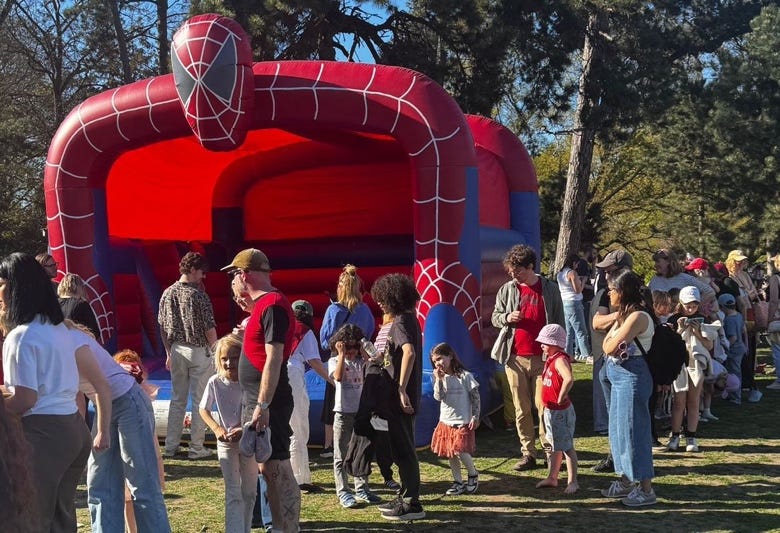
These exceptions, however, prove the rule. Until we can make the left more fun, more full of song, and more welcoming for working families, we’ll likely continue to primarily recruit self-selecting activists from college-educated backgrounds, many of whom are more comfortable posting online than inviting their neighbors to a barbecue.
Potlucks and karaoke nights might seem like a distraction in the face of the world’s horrors. But they’re not. To grow big and deep enough to win, we need to provide the joyful community most people lack in our lonely, phone-addicted era. As long as the left cedes that ground, the right will keep filling it.
If Debs were alive today, he’d be the first to put his five bucks in the hat to rent a bouncy castle for our next event.
More
Some initiatives in the right direction: NYC-DSA has a range of social-cultural events to join, including a choir, a socialist soccer league, and a running club.
Please share this article widely! As always, I depend on you lovely comrades to spread the word.
Happy to report that the Drop ICE movement on campuses has already gotten four big wins this semester, including getting University of Michigan, Cal-Poly, and Foothill-De Anza Community College District to break their contracts with corporations propping up ICE. We’ve got some big in-person student trainings planned for August, to hit the ground running in the fall semester. Sign up here to get involved.
My friend, comrade, and brilliant labor organizer Claire Valdez has a strong shot at getting elected to Congress — if we all step up our canvassing efforts. Anybody in the NYC area, please sign up ASAP to canvass for Claire.
Better than Coachella: