


Editor’s note: this is a guest post from Jesse Evers, adapted from a longer version on Jesse’s personal blog here.
The tension between creating a community space that is welcoming, generative, AND sustainable is one we love to explore. Jesse shares his journey with Highside: the special magic that comes from trusting people with nice things, and the reasons he eventually decided to shut it down. We see echoes of merlins place, another ‘third space’/living space in Brooklyn, and Clarendon, a house & community hub for nine years in Cambridge, MA.
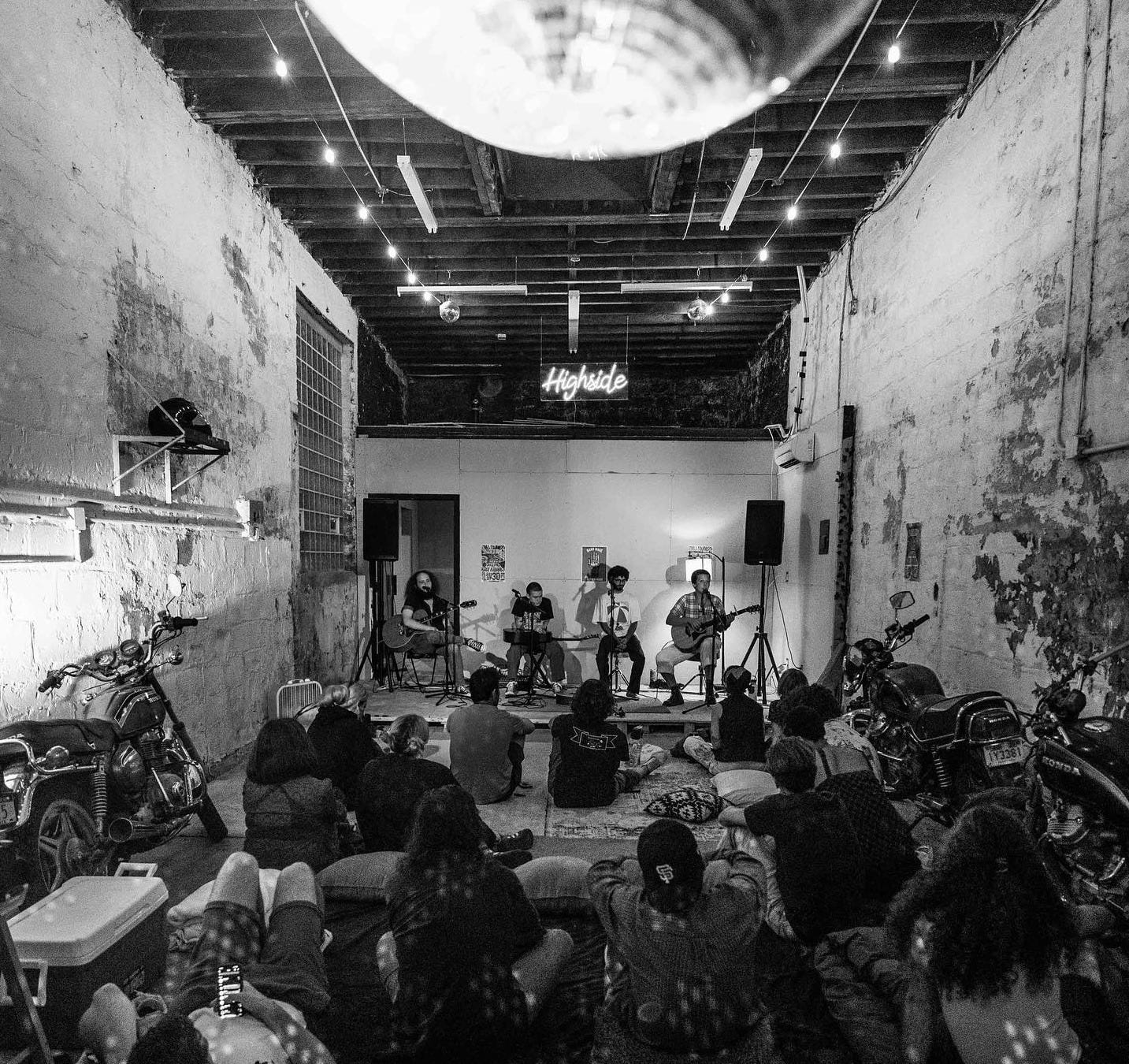
Date founded: 2022
Location: Brooklyn, NY
Rented or owned: Rented
Amount of space: ~2500 sq ft multi-purpose warehouse with one bedroom
Governance: basically anarchic, but with one person ultimately calling the shots
I sat down to write an essay about what I’ve learned from running a community space the last few years, and the imposter syndrome hit before I even typed the first letter. What do I know?? And who wants to take lessons from the guy whose space shut down?
But damn it, I have learned some things about community spaces! And here’s the first one, before I get into specifics:
JUST START.
You will never get it perfectly right the first time. There will never be the perfect space, or the perfect financial model, or the perfect moment. You have to be just crazy enough to believe that it’s gonna work out, jump into the deep end, and figure it out along the way.
But let’s back up.
The purpose of a community space is to give people a place to gather, connect, and belong, usually centered around a particular set of activities, interests, and/or beliefs.
Homes, gardens, workshops, farms, and warehouses can all become community spaces…really, any space where people can gather regularly and that they can have some agency over will work!
It’s important to talk about what community spaces aren’t, too. They’re not profit-first businesses, which sounds obvious but is complicated in practice, since they do usually have to make money. This creates a tension between staying true to the space’s purpose (serving its community) and staying alive (making enough money to continue).
For the last few years, I built and ran a space in Brooklyn called Highside Workshop. It was a multipurpose space that hosted everything from concerts to art galleries to motorcycle repair workshops to tattoo popups. It was also my home.
When I got the warehouse that became Highside Workshop, I had no plan – I just knew I wanted to create a place for my creative and talented friends to come do their thing, no matter what that was. It took a while to get rolling, but eventually a friend of a friend (now one of my closest friends) suggested we throw a concert. To our complete surprise, lots of people showed up and had an absolute blast! From there, we were off to the races.
Skipping ahead: we had our final show last August, and Highside has since closed. I’ve spent a lot of time reflecting on the past few years, trying to pinpoint where the magic of the place came from. Because there was some ineffable sense of magic there. In the wake of our last show, a truly shocking number of people told me things about their personal relationship to Highside that were almost hard for me to believe: that it was their favorite place on Earth, that they felt able to be themselves there in a way they couldn’t anywhere else, that they were having a hard time imagining finding another community where they felt so safe and welcome. That some of the best memories of their lives are there, that they unlocked new versions of themselves there, that Highside is where they learned that it’s ok to take chances and fail.
So I have to wonder: what made all that possible? There was no explicit structure to the community, no rules, hardly any regularly scheduled events, no group practices or rituals, nothing. I also wonder: how can I help make it more likely that there will be more spaces like Highside in the world? So that’s what the rest of this piece is about. What makes a community space thrive?
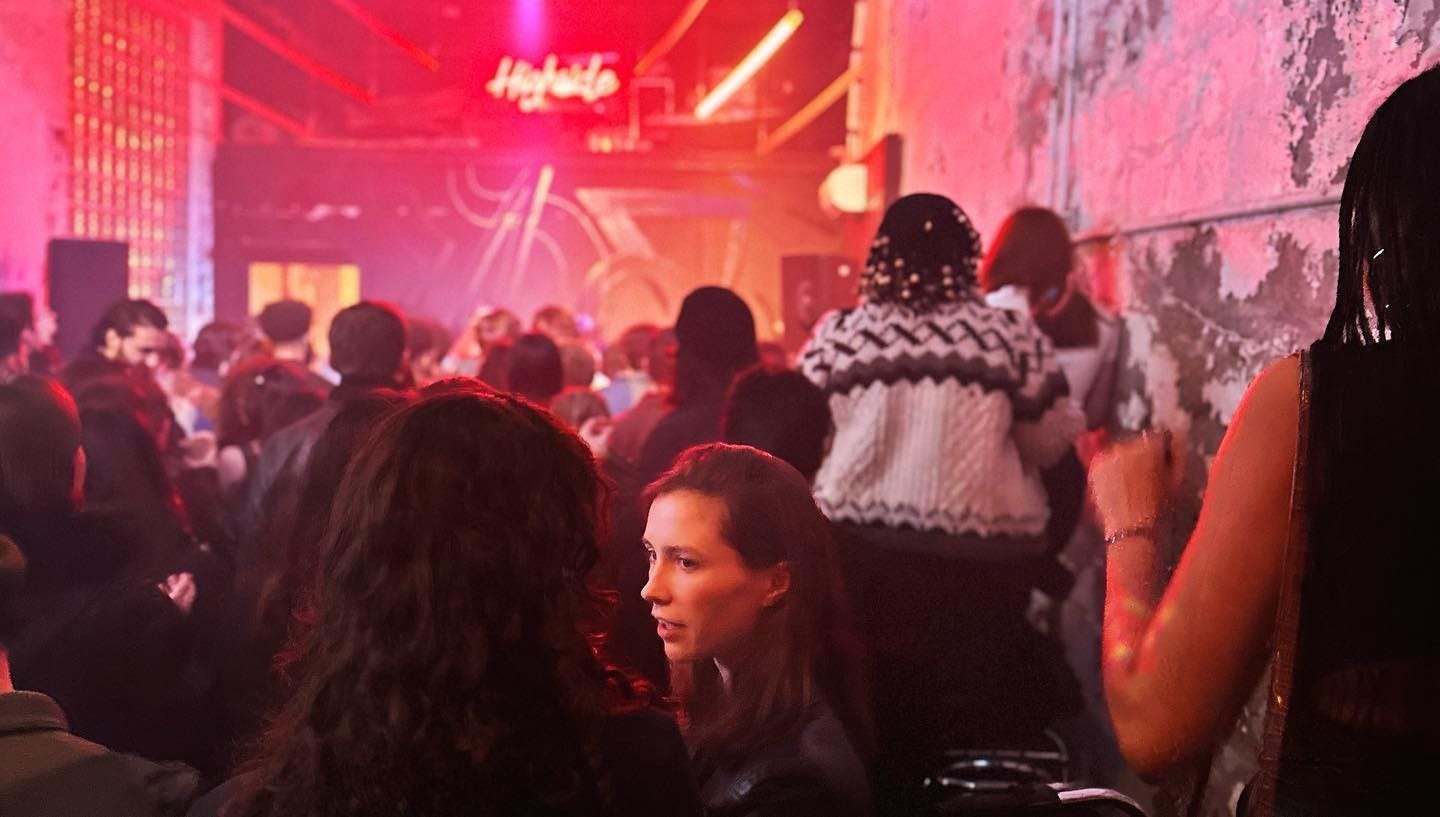
People aren’t used to being trusted. Most of us are used to others assuming that we’re not trustworthy, so we’re defensive by default. That’s why treating someone as if they are trustworthy before getting any proof of it is powerful: it throws them out of their default framing and gives them the opportunity to become the person you’re trusting them to be.
In practice, this means making the space vulnerable. It means giving people opportunities to hurt the space and trusting that they won’t. I didn’t move the expensive, delicate things out of sight during events at Highside. It was a gamble, but it paid off: people felt at home.
Of course, trusting by default means you occasionally get burned. People flake or don’t treat the space with respect. But I’d rather give people the opportunity to live up to my trust and sometimes be proven wrong, than assume the worst and occasionally be proven right.
We wanted community members to feel like they’re welcome anytime, for any reason, regardless of whether or not there’s anything specific going on. Space for serendipitous gatherings causes people to meet who might not otherwise cross paths, and allows the community to grow its own ideas and uses for the space, unconstrained by the specifics of a particular event.
There’s a catch-22 here, though: the space needs to make money, but we want people to feel a sense of belonging that transcends any entry fee. There’s no perfect solution to that, but something that worked at Highside was going wayyyyy above and beyond in making sure that everyone who came to an event felt cared for, comfortable, and welcome.
For people who rented the space for an event, that meant talking through their needs in depth before the day of the event and making sure we supplied everything they needed on the day of. To make concert attendees feel cared for, we often charged less than we could have for tickets. We made our drinks with good alcohol and sold them at below-market prices. When we needed to hire event staff, we paid them more than we needed to. You get the idea: be present, be attentive, and give more of yourself than anyone would expect.
Once people feel like they are trusted and they belong, surprising things start to happen.
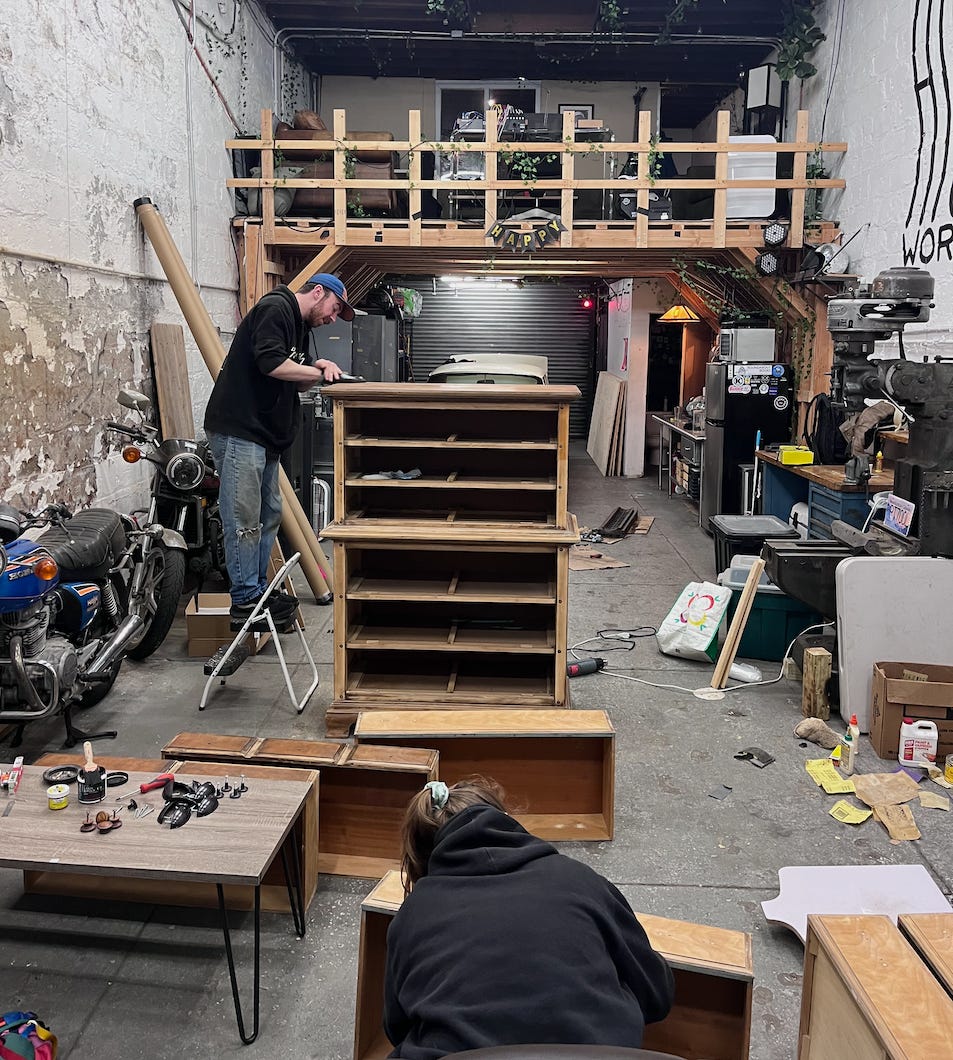
Many people have not had the experience of trying something difficult and uncertain and having it go well. Usually the biggest barrier standing in their way isn’t anything to do with their capability – it’s their beliefs about their own level of capability.
I saw this repeatedly at Highside: someone would talk about their interests (music, cooking, whatever) and hint at wanting to put on an event related to that interest, but as soon as I said “let’s do it!” they would backpedal out of fear it wouldn’t go well. But usually if we encouraged them, told them we wouldn’t care if it didn’t go perfectly, and offered to help with the logistics, they would try their hardest and the event would go better than they had imagined.
A community space with a collectively embodied sense of “yes we can” allows more prosocial and agentic versions of people to emerge, which in turn enables the community to continue creating the conditions for its own success.
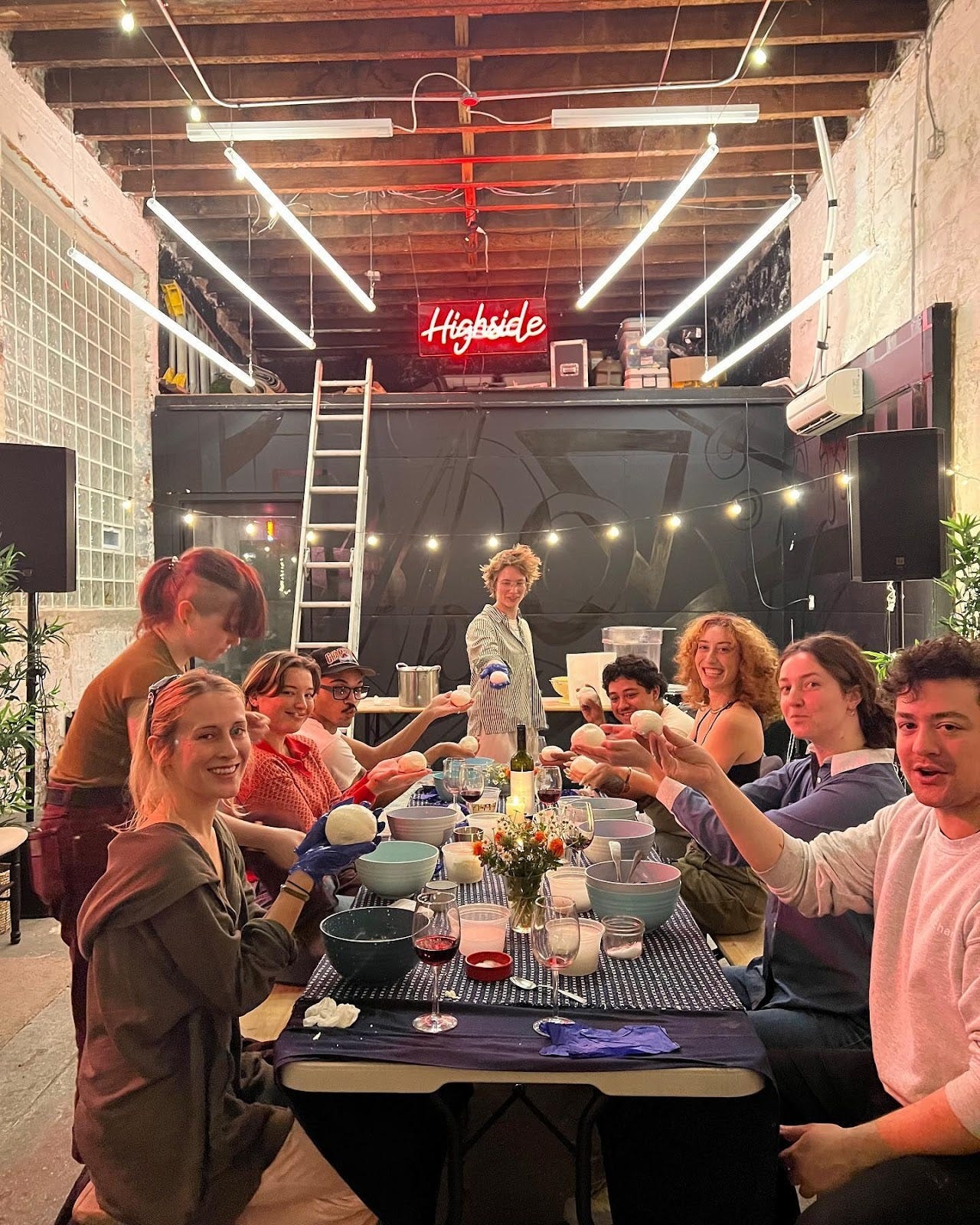
We (mostly) don’t expect to have a relationship with a business beyond: pay money, get something. The relationships between a community space and its members are totally different. If you (as a community space-holder) play your cards right, the members of your community will be there because of a sense of belonging. People don’t want a transactional relationship with their community, which means they will contribute their time, money, and resources in ways that don’t “make sense” in economic terms. Some examples of this at Highside:
Dozens of people gave their time, with no expectation of…anything, really. Cleaning, renovation, event management, bookings, designing promotional materials, social media management…you name it, someone did it at Highside for free.
Other people spent thousands to improve Highside without being asked. They paid for dumpsters and carpeting during renovations, sound and lighting equipment once we’d had a few concerts, woodworking tools for framing and building shelving, etc.
The vast majority of our events were planned, booked, and attended by people who heard about us through word of mouth. The people who came here felt at home, so they invited others.
None of this is to imply that community spaces shouldn’t try to make money at all – absent a benefactor, most spaces will need to make some money. The point is that money isn’t the point, it’s just a means to an end…and that end is the sense of belonging the community feels in the space. Generating more belonging with less money means the space can be more resilient, more generous, and build an ever-greater feeling of abundance.
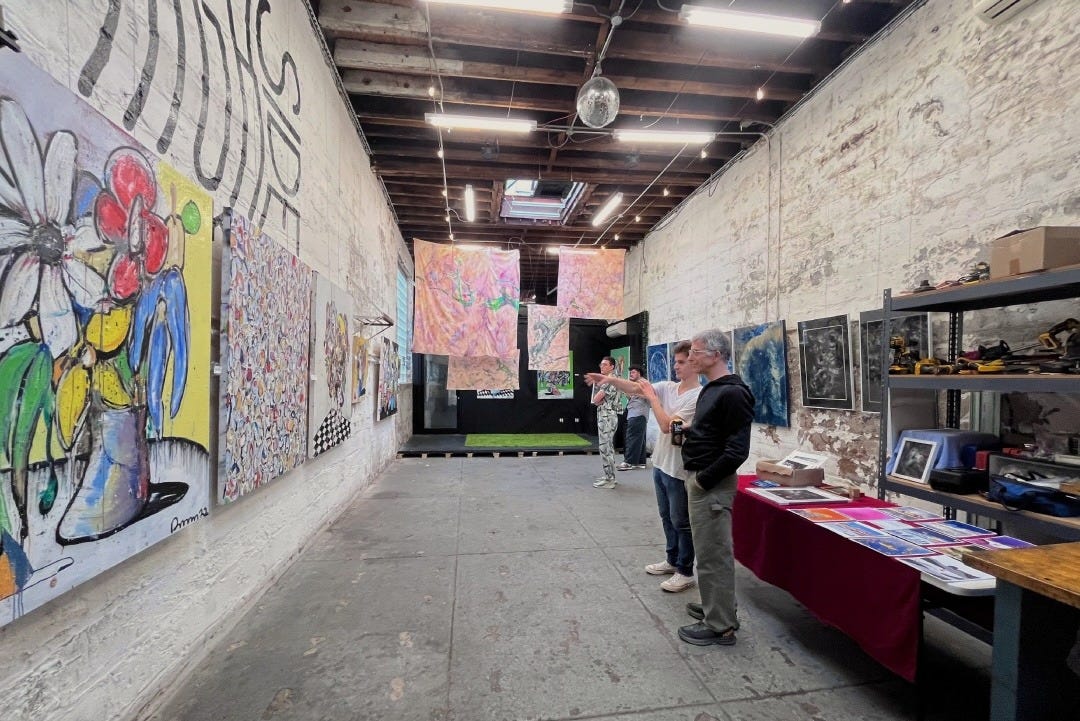
I’ve written a lot about how community spaces should exist, but they also need to figure out why they exist – a shared purpose or interest to coalesce around. This could be anything: local mutual aid, fixing bicycles, regenerative agriculture, writing, music, you name it. The purpose of the space can (and should!) evolve over time, as the community evolves around it, but some kind of explicit direction helps steer the ship and makes it clear to people how to interact with the space.
This was one of the biggest mistakes I made with Highside. I wanted it to be everything for everybody, but in retrospect that didn’t work very well. Most people thought of us as a venue, and there are a particular set of ways in which people are used to interacting with venues that don’t lend themselves to building a self-sustaining, self-governing community. And once people thought of us as a venue, it was hard to get them to form a new picture in their heads.
Another important aspect of having a purpose is so that the core group that’s dedicating lots of time and energy to the space stays engaged. This was another aspect of the mistake I mentioned: I started to check out, because I couldn’t do the things I wanted to do – there wasn’t the time or space to work on physical projects when there were regularly 60-120 people there.
This principle applies to creating community spaces specifically, but not to building community in general. I don’t think having a highly specific purpose is the best way to build communities of place, like a well-connected neighborhood or village (a la Fractal). That kind of community depends on people continuing to feel connected even if their specific interests or priorities shift, and feeling like the community context will support them in the long term. I think community spaces are downstream of communities of place: a good neighborhood could have many community spaces that fulfill different needs or interests.
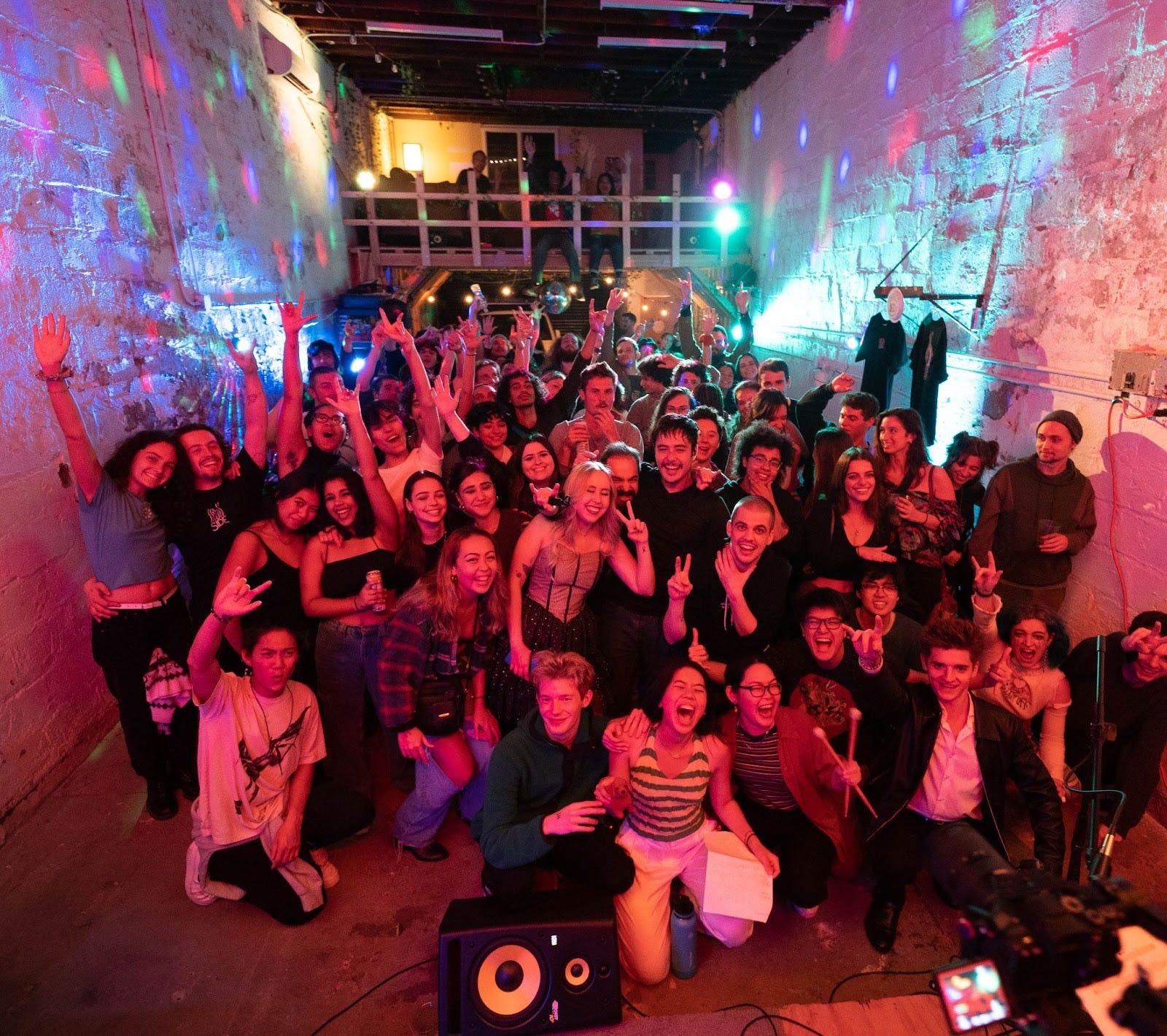
Transparency underlies all the other values I’ve described here. If the would-be community doesn’t know the principles, purpose, and financial situation of the space, it’s hard for them to know how to engage.
Financial transparency is particularly disarming, in a world where finances are usually taboo…being transparent about the costs of keeping the space alive and how any income is spent allows community members to make an informed decision about how much to contribute. When I first made it public that Highside was in financial trouble, we got a few thousand dollars of donations in the first couple days. That’s a few thousand dollars that we never would have seen had I kept our finances under wraps, and I probably left thousands on the table by not sharing our finances sooner.
Personal transparency from the organizers is key, too – being honest with themselves, each other, and everyone else about how things are going. The more everyone knows where everyone else is at, the easier it is for people to know how they can plug in and help. I could have done a better job of this, and if I had, Highside might have lasted longer. I felt like I should be able to keep up with everything myself, and found myself overworked, stressed out, and frustrated that I wasn’t getting more help. But how could I expect help if I didn’t share what I needed?
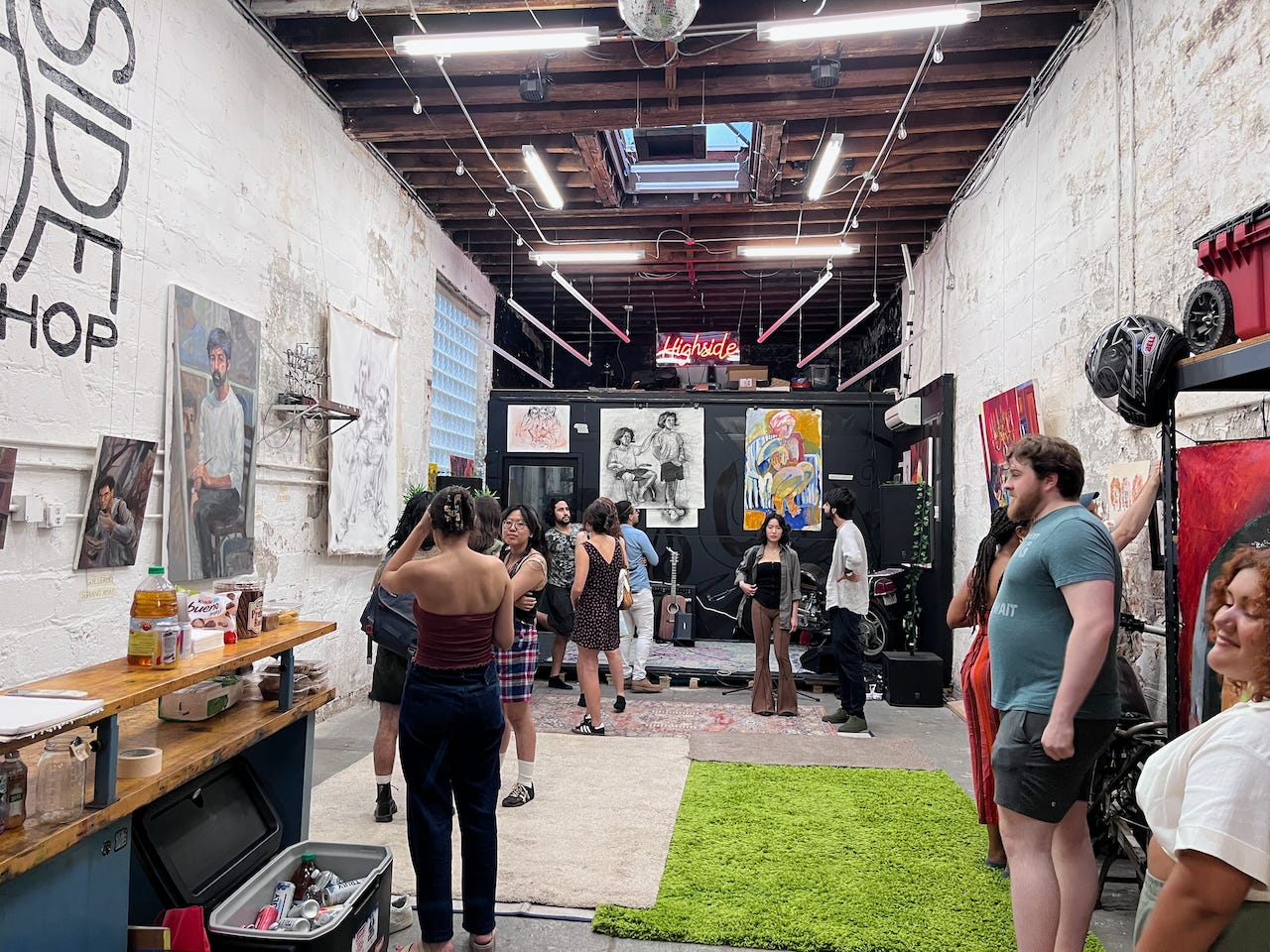
If running a community space is so great, why’d I shut mine down?
I started the space by myself, with no specific plan of what sort of space I was trying to create. I took on all the risk, and didn’t intend it to be a place that would sustain itself financially – I used my freelance business income to pay for it, and lived there to make it affordable. It was expensive, but doable at first. As time went on, I spent more time stewarding the space and gradually lost interest in (and time for) the work that was supporting it. It proved difficult to switch to a self-sustaining financial model when that wasn’t how it was initially conceived. Tons of people helped out – more than I ever expected – but none of them had the bandwidth to take it on as a full-time job with me, which was what I really needed.
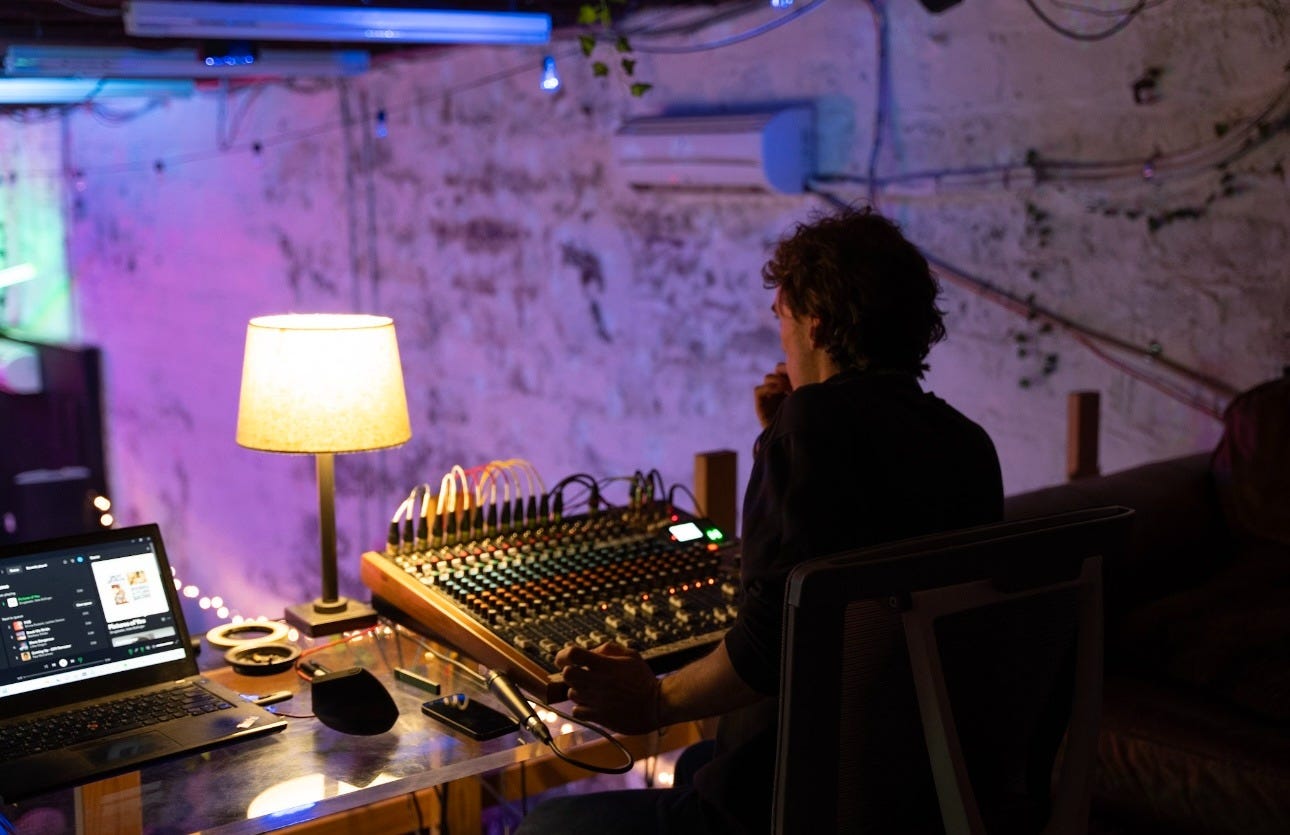
Also, because I was so non-specific about what I wanted the space to be, it turned into the first thing that came along: a venue. Which was fun, but it wasn’t a sustainable model. We had neighbors, so we couldn’t throw that many shows, and I was living there, which was kinda tough when there were lots of concerts. My bedroom turned into a green room for every show, which is not conducive to maintaining one’s sanity. And the other things I wanted to do there – like work on old vehicles, or offer artist studio space, or experiment with lighting production, etc – were hard to do in a space that needed to be able to hold a full crowd several times a month.
In the end, it came down to the fact that I didn’t want to be the steward of what would have to be mostly a for-profit event space in order to keep Highside afloat. I think if I had started things with clearer intentions and a bit more support, it would have been easier (or less necessary) to change direction. I don’t regret a thing, though – I learned so, so much, and had the best times of my life at Highside. And when I open another space someday, I won’t make the same mistakes again.
There’s way more to talk about, and I cover some of it in the full-length version of this piece, but I think that the principles above set a good foundation for guiding much of the practical, day-to-day work of building and maintaining a community space.
Again, if thinking about the details is getting in the way of just getting started, then forget everything I wrote besides the first few lines: just start. Find a space that’ll work well enough, start inviting people to it, and be the best host you can be. In the end, spending time with other people is the most important thing. Everything else comes from that.
The world needs more of these friendly, people-oriented spaces. Call me if you want encouragement. Good luck :)
Curious about community living? Find more case studies, how tos, and reflections at Supernuclear: a guide to coliving. Sign up to be notified as future articles are published here:
You can find the directory of the articles we’ve written and plan to write here.