


OriginI SpreadII LanguageIII CodeIV DigitalV AliveVI YouVII
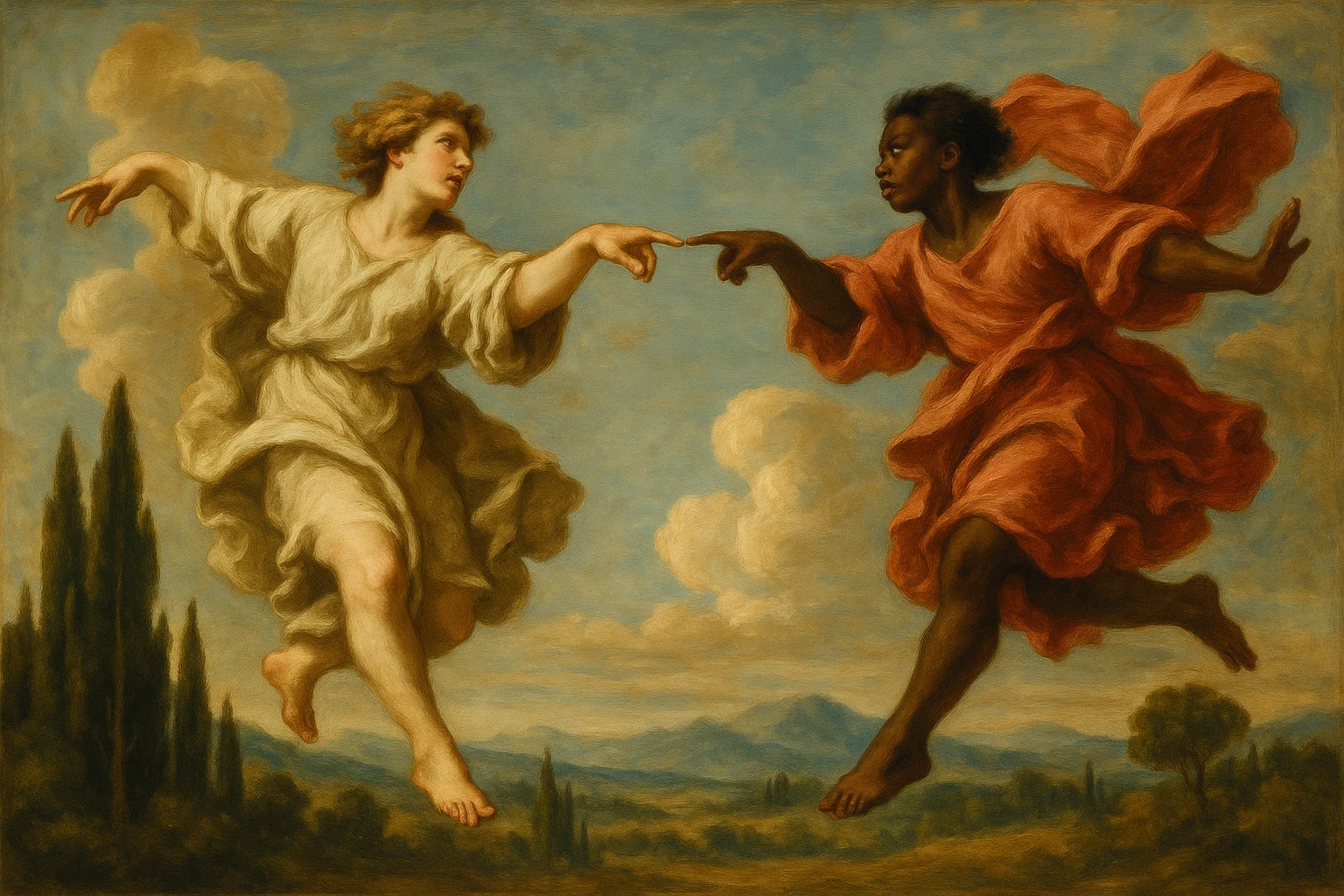
I · Origin
scroll
For most of history, writing had two pauses. A comma for a quick breath. A full stop to end.
Then in 1496, a printer in Venice made a third one: the semicolon. It joins two full thoughts without ending either.
The others changed shape slowly, over centuries, drifting into the marks we know. The semicolon showed up in 1496, fully formed, from one printer's hand.
When each mark showed up
·the point · ~200 BC
?the question · ~800s
!the shout · ~1360s
;the semicolon · 1496
—the dash · ~1750s

II · Spread
The new mark didn't stay in Venice for long. Printers all over Europe picked it up.
By about 1580 it reached England. A printer named Henry Denham was the first to use it right.
A mark made for Latin now worked in English too; and it was only getting started.
Out of Venice, into English
;
London · 1580
Paris · ~1550s
Lyon · ~1520s
Venice · 1496
III · Language
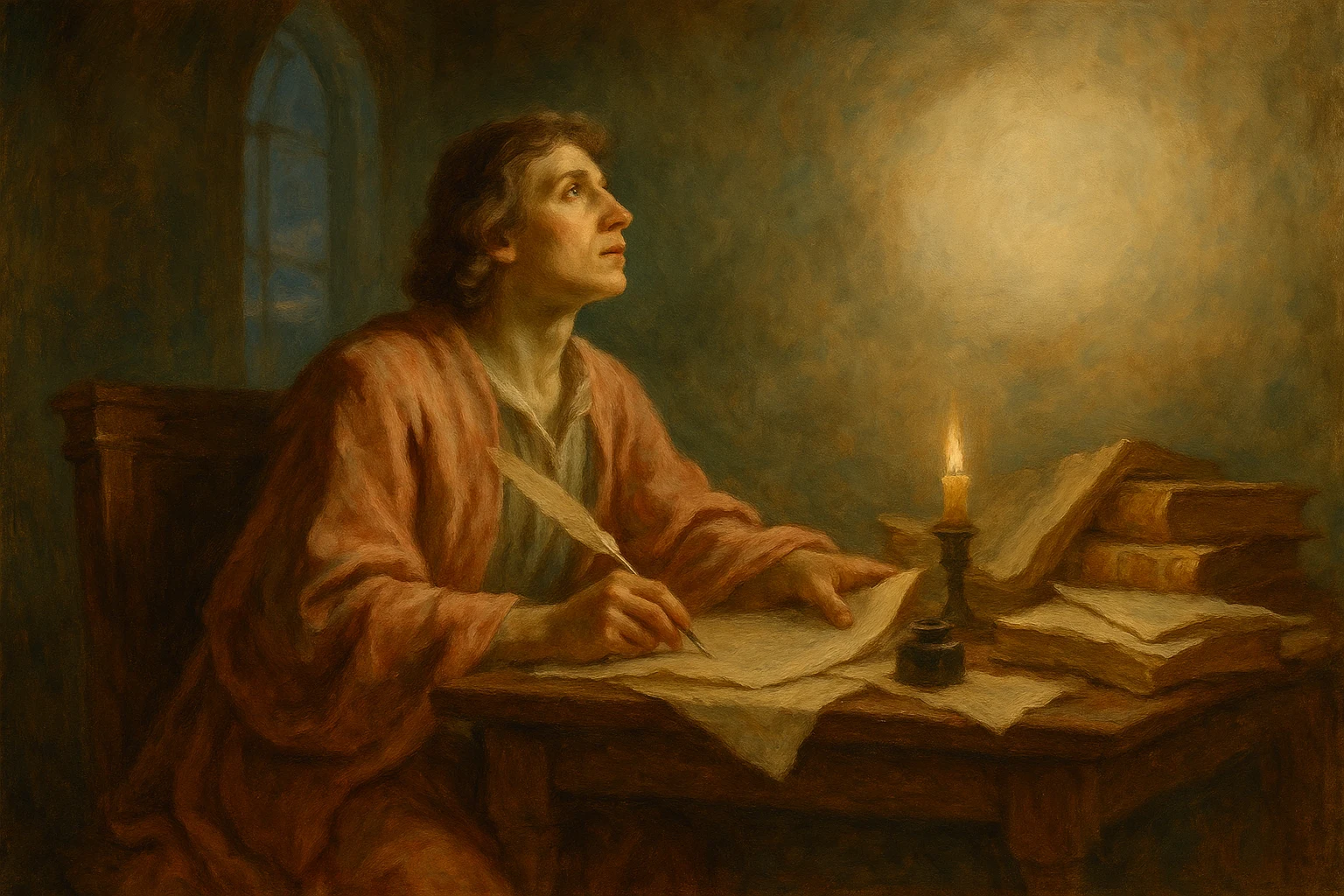
Writers loved it. The semicolon let them hold one big thought together, instead of breaking it into little ones.
Some went all in. Herman Melville used over four thousand of them in Moby-Dick.
Loved or hated, the semicolon was now part of English.

IV · Code
For five hundred years, the semicolon lived on paper. Then computers showed up.
Code needs a clean way to mark where a statement ends, so the machine never has to guess. The period was already taken, so the job went to the semicolon. C ran with it, then C++, then the languages they shaped.
A mark made for writing now tells machines what to do.
Miss one, and nothing runs

V · Digital
Look around. Your phone. This page. Your bank. The plane you fly in. All of it runs on code.
And the languages it was built on, like C, C++ and Java, end their lines with a semicolon.
A tiny pause from 1496 now helps run the whole modern world.
It runs every one of these
VI · Alive
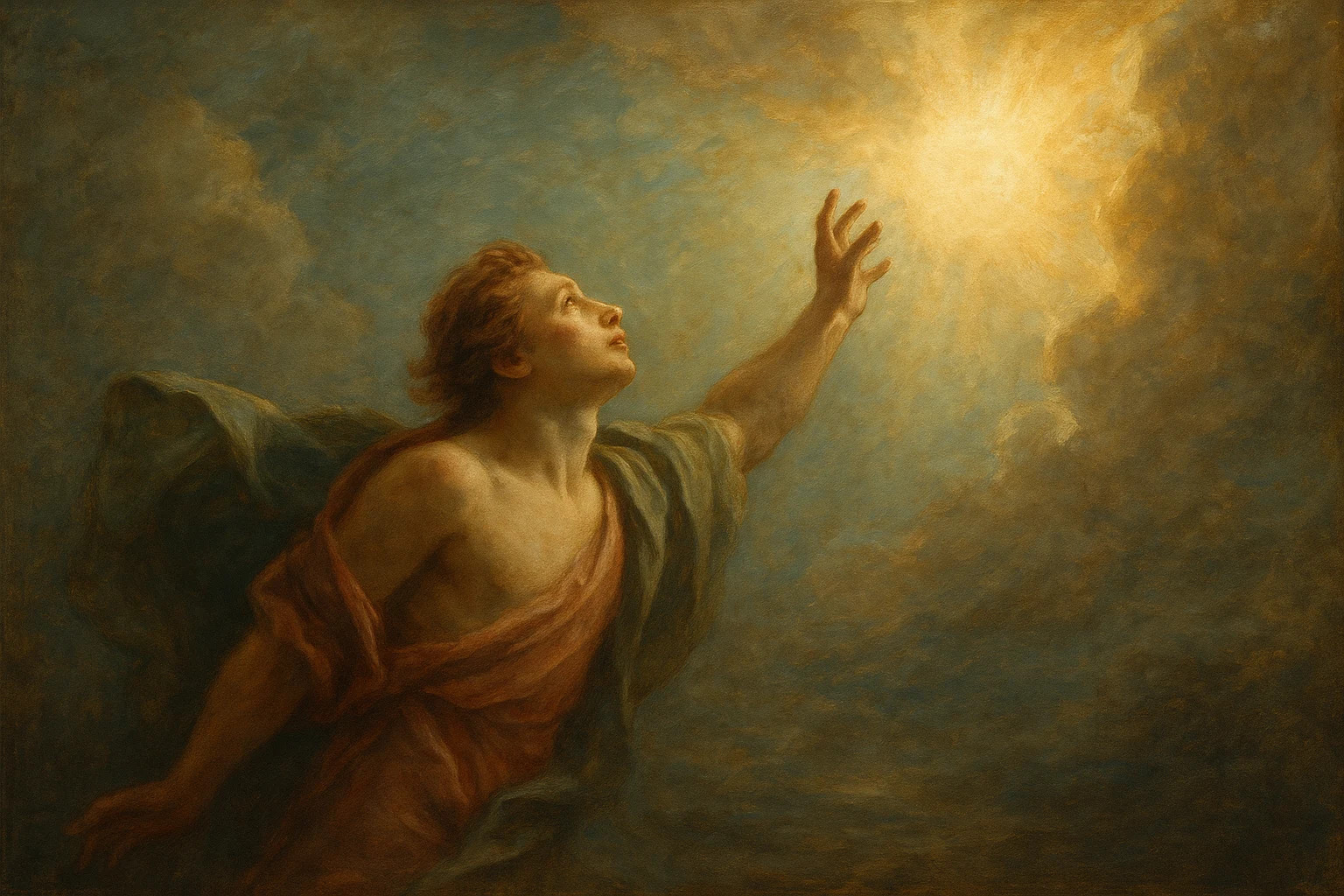
Then something wild happened. People started tattooing it on their wrists.
A semicolon is a sentence the writer chose not to end. So it became a small symbol for choosing to keep going.
A grammar mark, on a million wrists.
A sentence that could have ended
It could have ended; it didn't. If yours ever feels like it might, talk to someone. Call or text 988.
VII · You
You use it all the time without noticing.
In a text. In an email. In the code running this page.
Not bad for a dot on a comma.
The most important little mark you never think about.
One true, surprising story like this in your inbox every week.
A weekly data story from sheets.works. Not affiliated with Project Semicolon or any organisation named here. Sources: Cecelia Watson, Semicolon (2019); Babbel / Lisa McLendon (2025); Project Semicolon. If you ever need to talk, call or text 988.
此内容由惯性聚合(RSS阅读器)自动聚合整理,仅供阅读参考。 原文来自 — 版权归原作者所有。