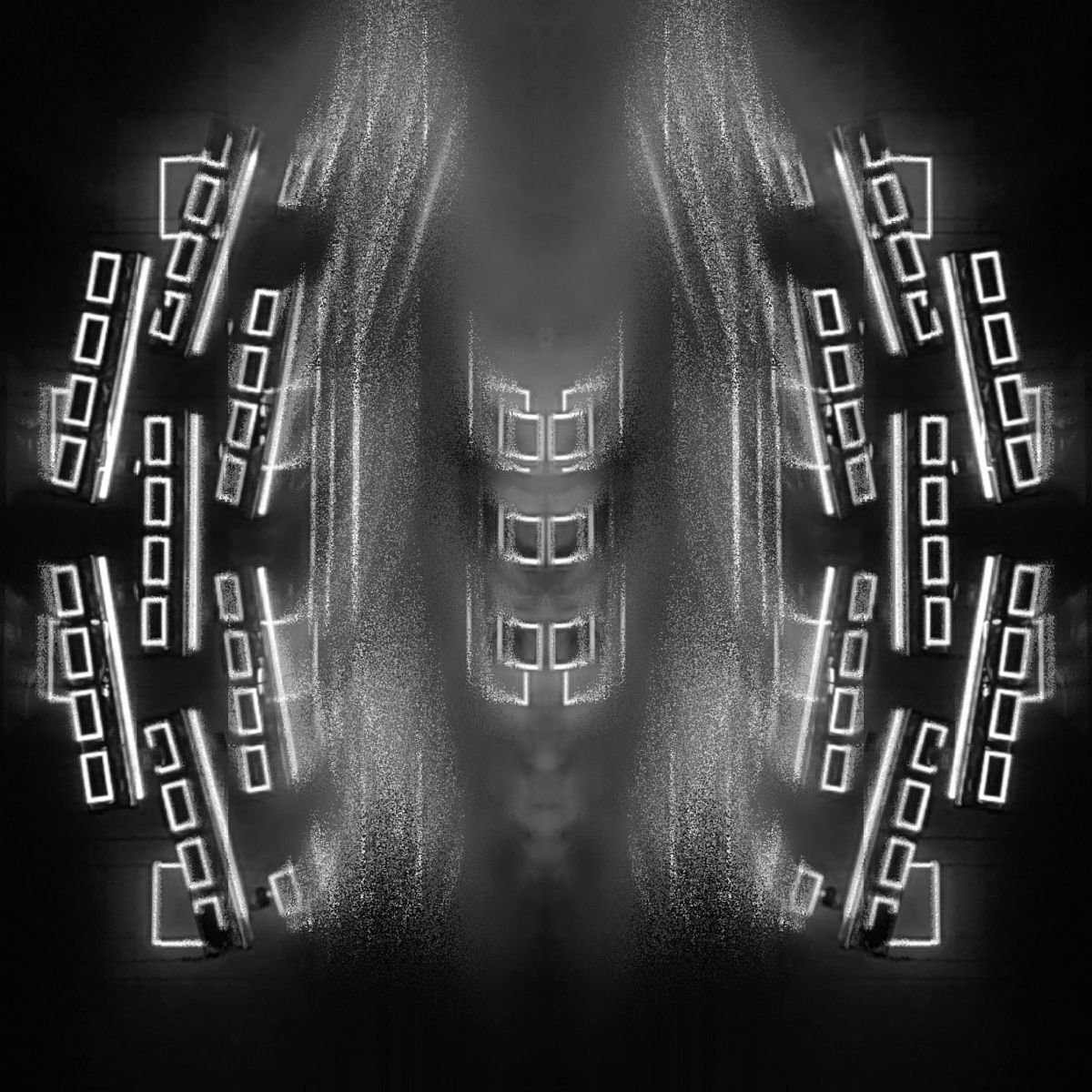
Maximilian Vermilye (b.1993), also known as Max PhV, is a Swiss, British, and American digital artist based in Geneva specializing in psychodynamic photography, a conceptual approach to digital imagery that transforms everyday moments into emotionally evocative works of art. Holding a BA in Media Studies and Photography from Webster University, alongside certifications from the London School of Photography and styling courses in London, Vermilye’s multidisciplinary background informs his unique artistic vision, blending aesthetics, color theory, and storytelling. Vermilye’s work has been exhibited internationally in Geneva, London, Seoul, New York, and in the Metaverse through a 2023 collaboration with VoiceHQ NFT marketplace. His recent exhibitions include the CICA Museum in South Korea, Holy Art Gallery in New York, and Circular ArtSpace in Bristol, UK (2024). In 2025, his work was showcased at Art Genève as part of the Art and Science Co-Lab booth and at Left Bank Leeds in the UK. His practice extends beyond exhibitions to thought leadership in the art world. In 2025, Vermilye delivered talks at the SciArt Dialogue Week at IDEASquare at CERN Institute and at Art Genève’s “From Brush Strokes to Big Bangs – Art and Science in Dialogue” conference. He also authored “New Technology, New Art, New Problems: Navigating the Digital Renaissance” for newSpecial Magazine (2024-2025) and has been featured in Visual Art Journal, Artist CloseUp Contemporary Art Magazine, and Holy Art Journal.
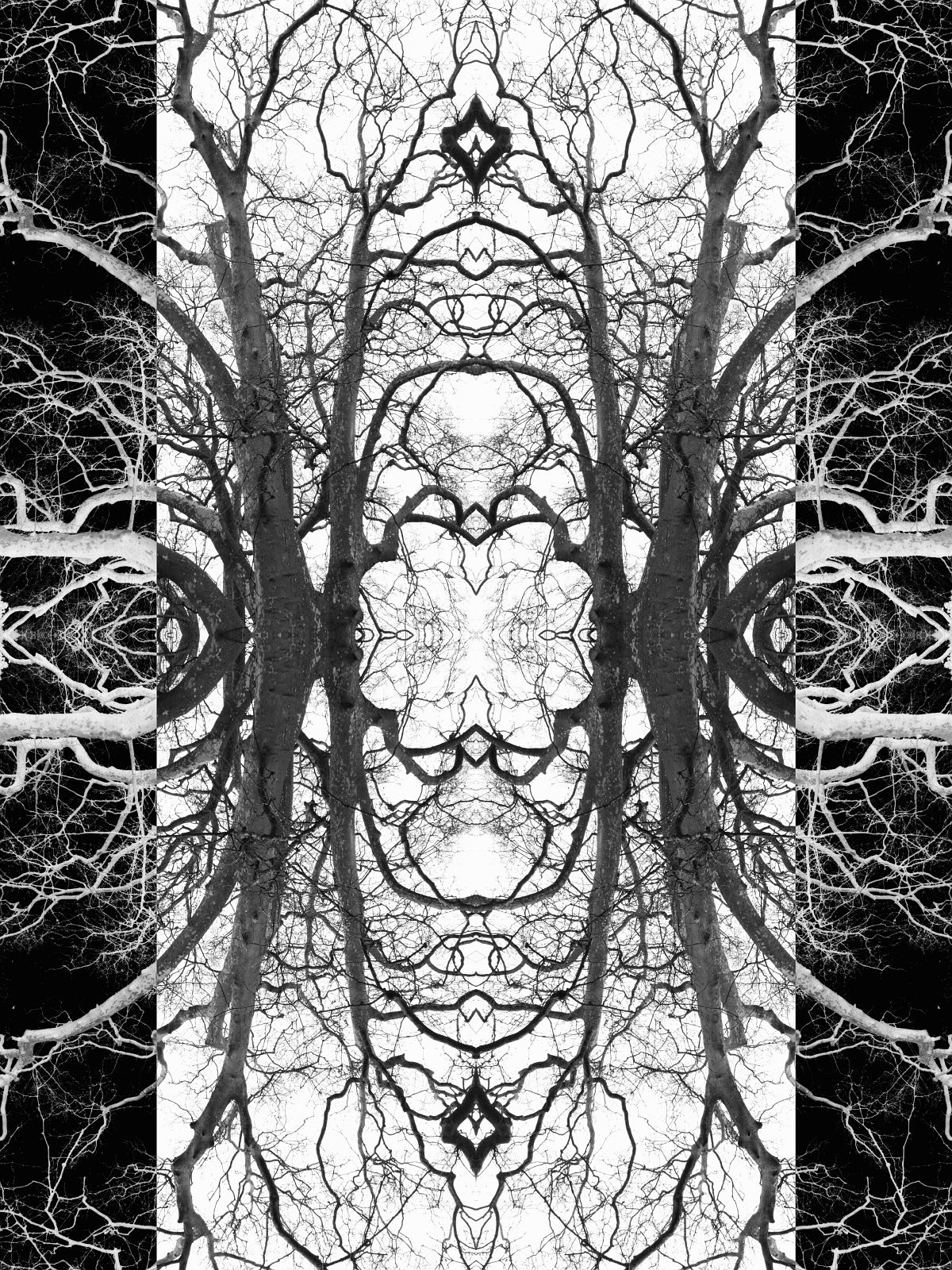
A Thousand Hands © Max PhV / Maximilian Vermilye
Photography has always been my passion, which led me to earn a Bachelor’s degree in Photography from Webster University. As technology has democratized photography, I found inspiration in the ubiquitous smartphone—a tool often dismissed as non-artistic. This sparked my exploration into psychodynamic photography, a practice where I capture and transform everyday scenes entirely on my smartphone, using inbuilt mobile editing software. Psychodynamic photography is about more than the image; it’s about the emotional transformation of a moment. Through techniques like the flip method, formal symmetry, and repetition, I create compositions that evoke fractals, surreal geometries, and fantastical creatures hidden within the fabric of our perceived reality.
The process involves three key stages:
1. Capture: Observing and photographing everyday moments.
2. Modulation: Using mobile editing apps to distort, reflect, and reimagine the original image.
3. Transformation: Creating a new, emotionally charged artwork distinct from its source.
My work invites viewers to engage with their subconscious, allowing each person to project their emotions and interpretations onto the piece. This interaction forms a unique dialogue between artist, artwork, and observer—where meaning is not dictated but discovered. I explore the intricate layers between the psyche and external reality, constructing surrealist compositions filled with geometric abstraction. These repeated forms and patterns encourage viewers to pause, reflect, and question their perception of reality, revealing hidden dimensions and emotional undercurrents beneath the surface. Ultimately, psychodynamic photography is not just about seeing—it’s about feeling. It’s an exploration of the hidden narratives within ourselves and the world around us, captured and transformed through the lens of a device we carry every day.
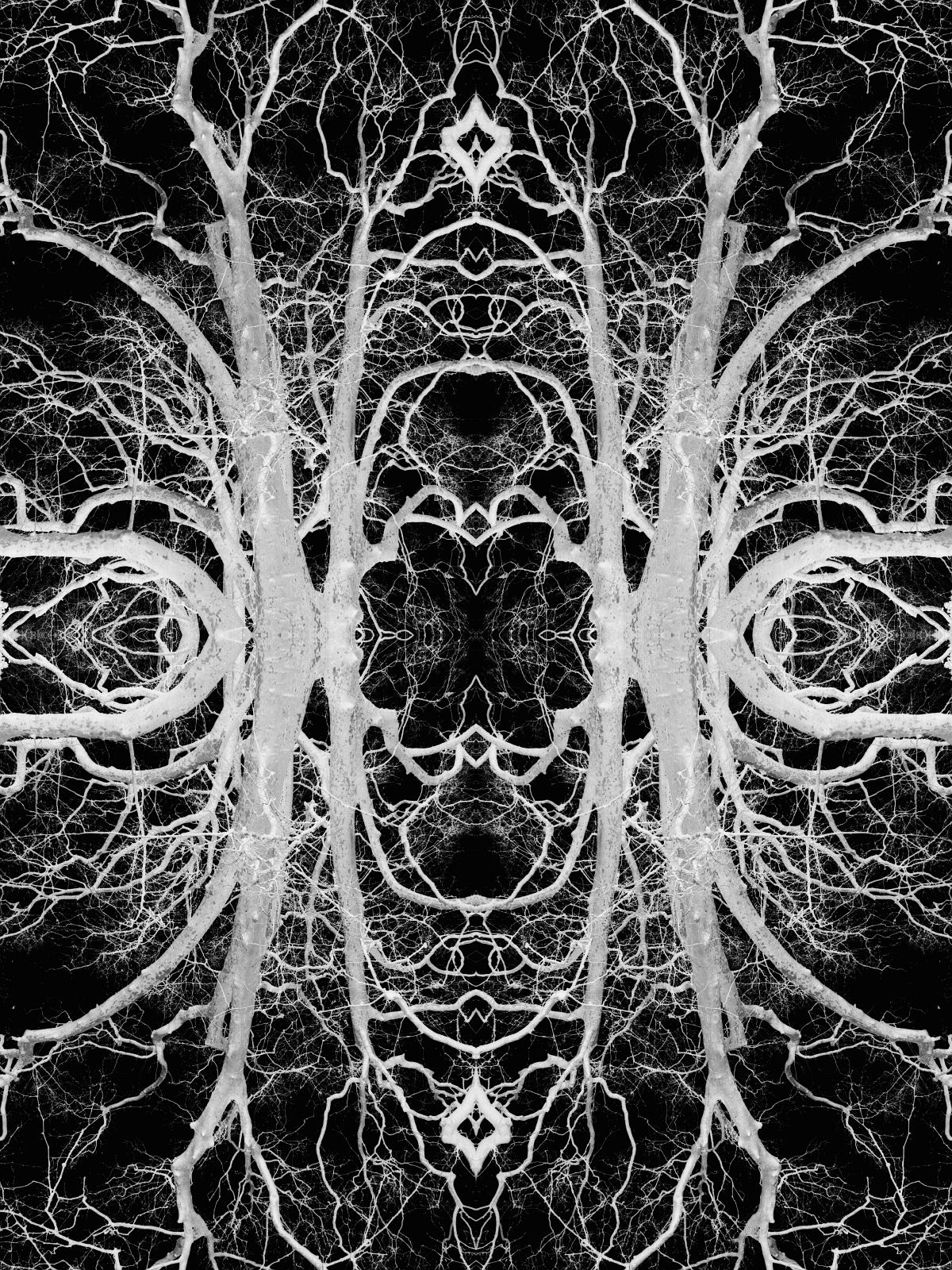
Negative Trance © Max PhV / Maximilian Vermilye
How and when did you become interested in photography?
My interest in photography began during my studies in media and visual culture, where I became fascinated by the tension between documentation and abstraction. At first, I was drawn to photography as a way to record daily encounters, but over time I realized that what interested me most was not the act of documenting but the potential of the image to transform. The more I worked with the camera, the more it became a tool for uncovering hidden structures in everyday life, moments where perception could shift into something symbolic, emotional, or psychological.
Are there any artists or photographers who have inspired your work?
I have been deeply influenced by post-war abstraction, particularly the work of Yves Klein and Gerhard Richter, as well as the Surrealists’ fascination with unconscious imagery. In photography, I often return to the experimental spirit of artists like László Moholy-Nagy and Man Ray, whose work challenged the medium’s boundaries. At the same time, I am inspired by contemporary digital artists and photographers who are willing to embrace the instability of the photographic image, seeing it less as a fixed record and more as a dynamic, transformative surface.
What draws you to black and white photography as a medium of expression?
Black and white photography reduces the world to its tonal architecture, stripping away the distractions of color and sharpening the emotional intensity of an image. For me, working in black and white creates a space closer to memory, dream, or projection. It is less about how things appear and more about how they are felt. This absence of color allows for a heightened focus on contrast, symmetry, and form, which are central to my psychodynamic approach.
Why do you choose to work in black and white rather than in color?
I choose black and white because it resists the oversaturation of our current digital environment, where color dominates every screen. Working without color allows me to bring the viewer into a slower, more contemplative space. Black and white invites ambiguity. It becomes less about representation and more about atmosphere. This aligns with my interest in creating images that act like mirrors, reflecting not only what is seen but also what is projected by the viewer.
Has your approach to black and white photography evolved over time?
If so, how? Yes, very much so. In the beginning, I used black and white mainly to highlight mood, almost as an aesthetic choice. Over time, it has become a conceptual anchor for my practice. I now think of black and white not as a limitation but as a tool to amplify rhythm, geometry, and psychological resonance within an image. My editing process has also evolved, moving away from straightforward documentation toward mirrored, symmetrical constructions that unfold a hidden order within chaos.
How much preparation goes into creating a single photograph or a photographic series?
My process often begins with spontaneous encounters: a fleeting reflection, a shadow, or a fragment of architecture. I photograph instinctively, but the real work happens afterward when I revisit and transform the raw images. Using only in-camera shots and minimal digital manipulation, I create mirrored compositions that reveal structures the eye does not normally perceive. This process is both intuitive and deliberate. I experiment with symmetry until something emerges that feels like an archetype or psychological form. Each final work is carefully refined for balance, tonality, and depth.
In a world dominated by digital color imagery, what role do you think black and white photography plays today?
Black and white photography acts as a counterbalance to the excess of digital imagery. It slows things down, asking the viewer to focus not on the immediacy of color but on form, light, and contrast. In a sense, black and white restores a kind of silence to the image. It becomes a medium for reflection, memory, and emotional depth at a time when visual culture often prioritizes speed and surface. I believe black and white continues to offer a timeless, essential space within photography.
What direction is your photography currently taking? What projects would you like to accomplish in the future?
At the moment, my work is expanding toward large-scale fine art prints, where the physicality of the image can be experienced more directly. I am also interested in exploring site-specific installations, where photographs engage in dialogue with architectural space. In the future, I would like to extend my psychodynamic approach into book form, a kind of visual essay where images unfold as sequences, closer to how memory or dreams operate. Ultimately, I want my work to continue probing the intersection between perception and abstraction, inviting viewers to experience the image as both mirror and threshold.
Website: http://maxphv.art/
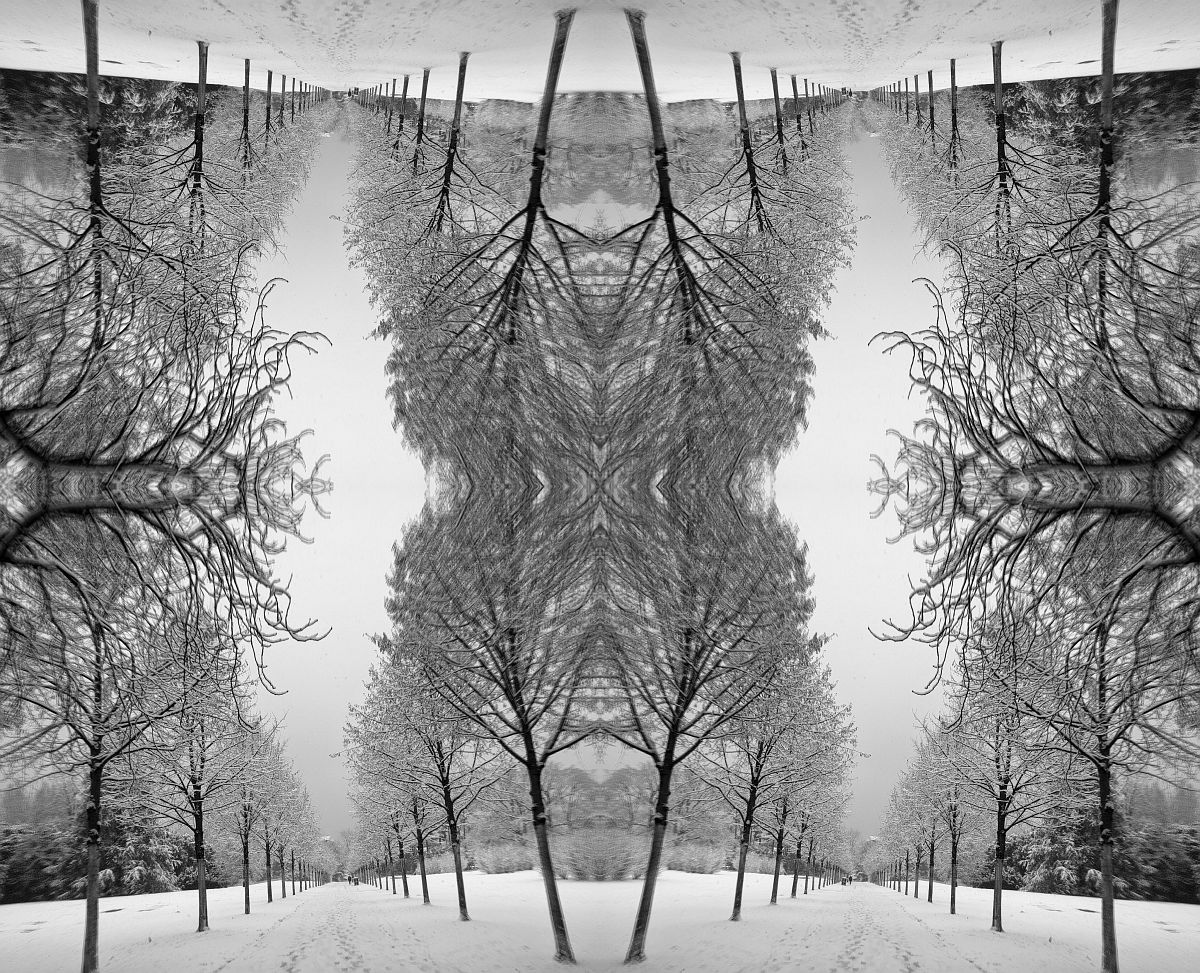
Lost in Transmission © © Max PhV / Maximilian Vermilye
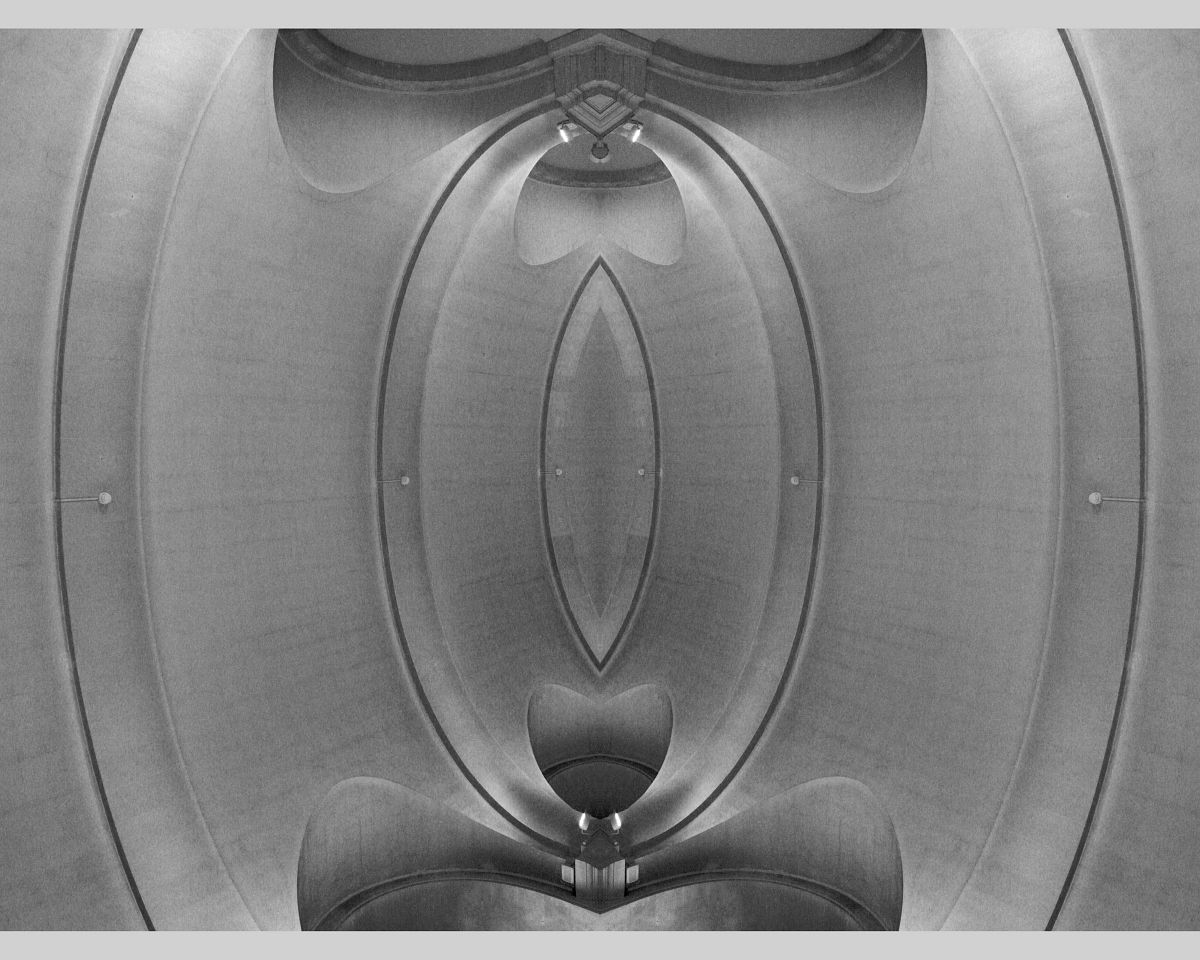
Lisan Al Gaib © Max PhV / Maximilian Vermilye
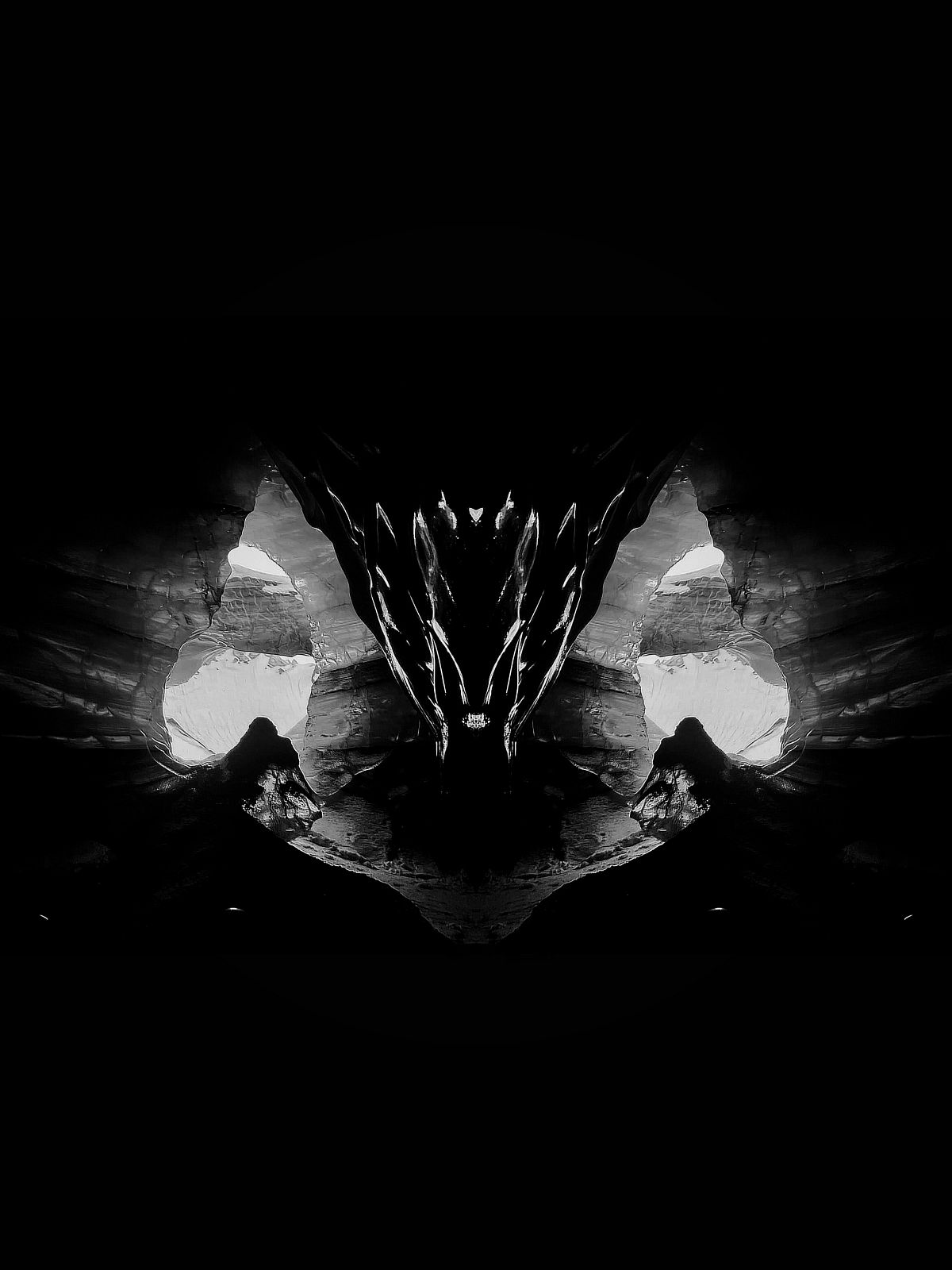
Makuta © Max PhV / Maximilian Vermilye
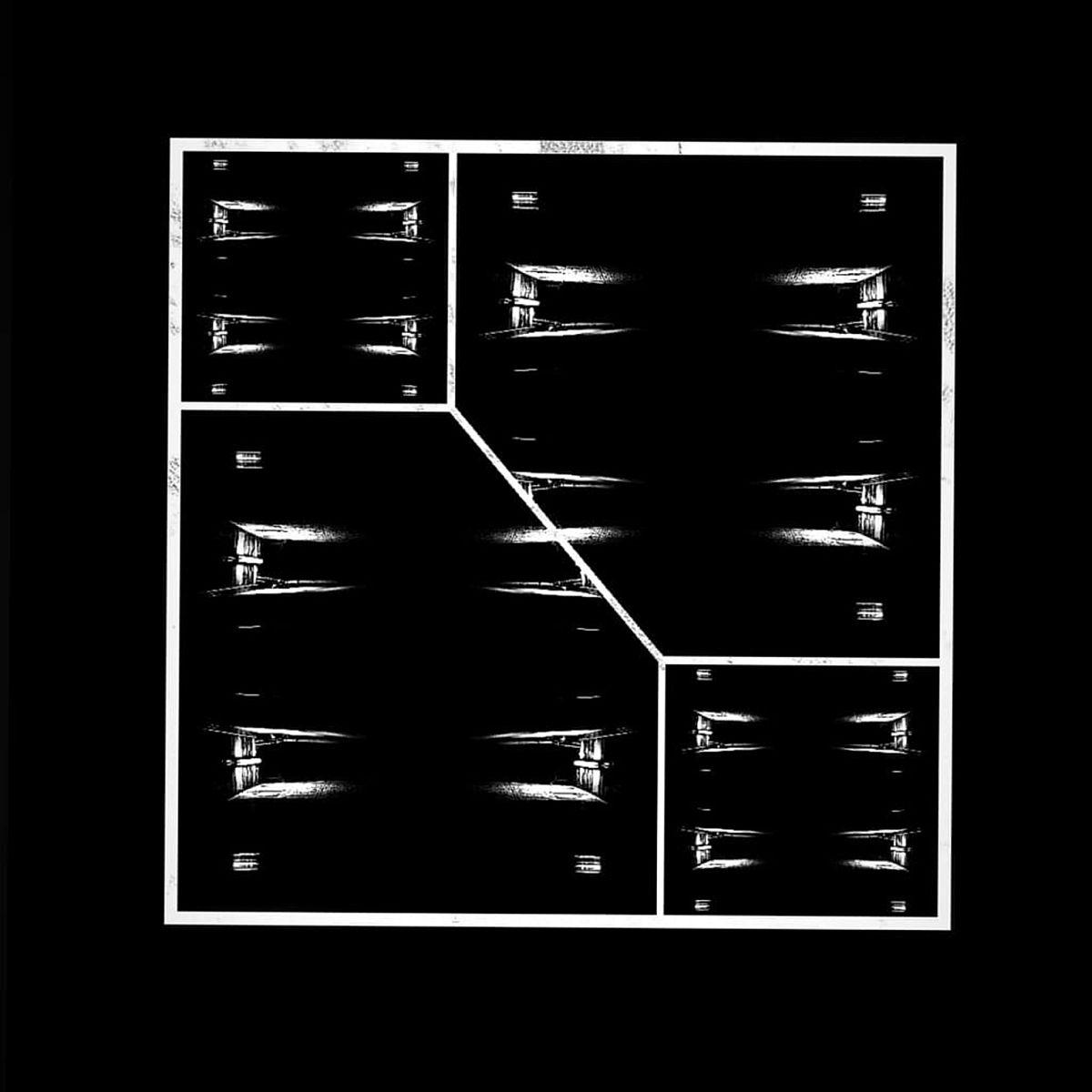
Reflections-in-Darkness tryptich © Max PhV / Maximilian Vermilye
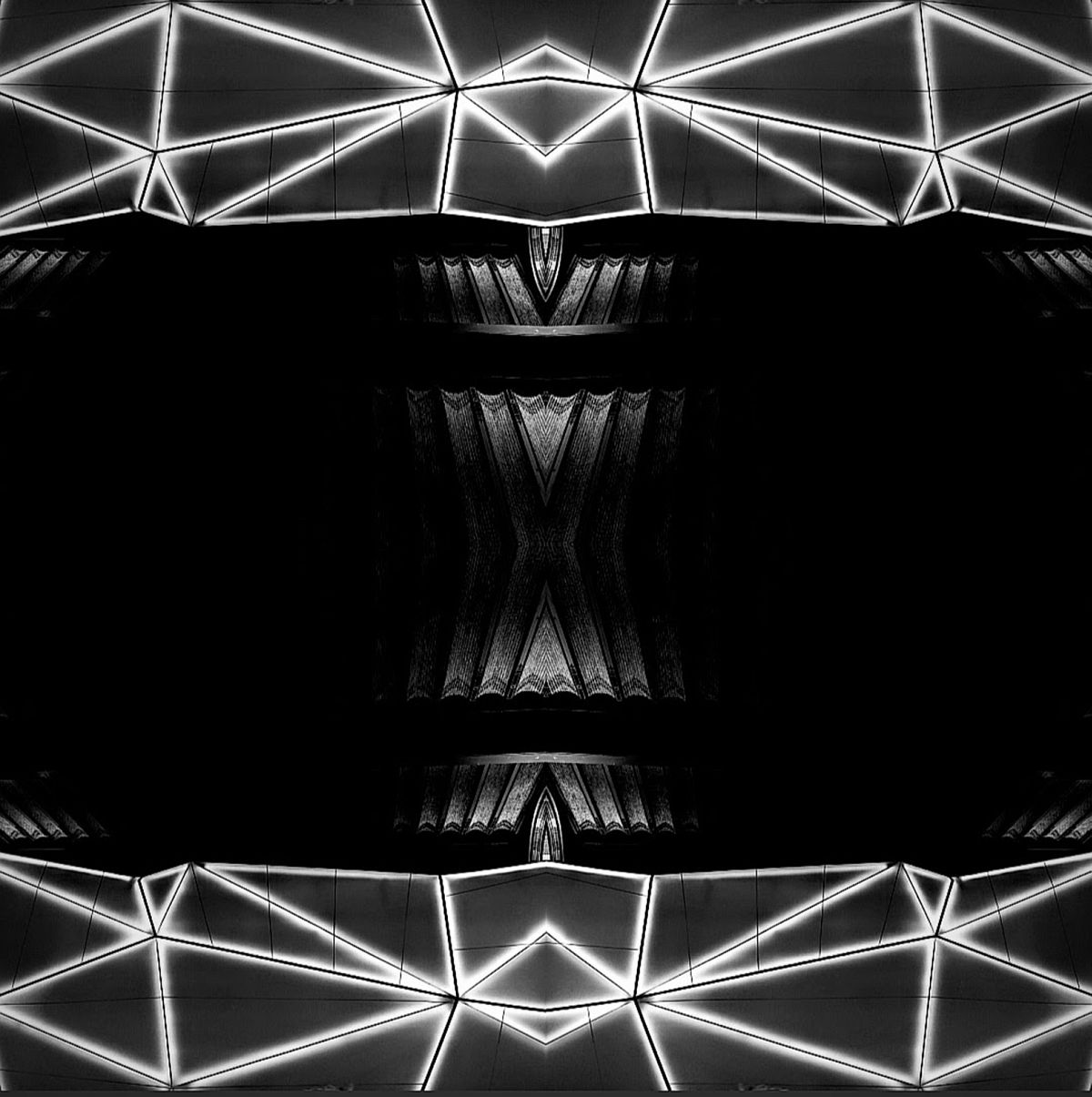
Reflections-in-Darkness tryptich © Max PhV / Maximilian Vermilye
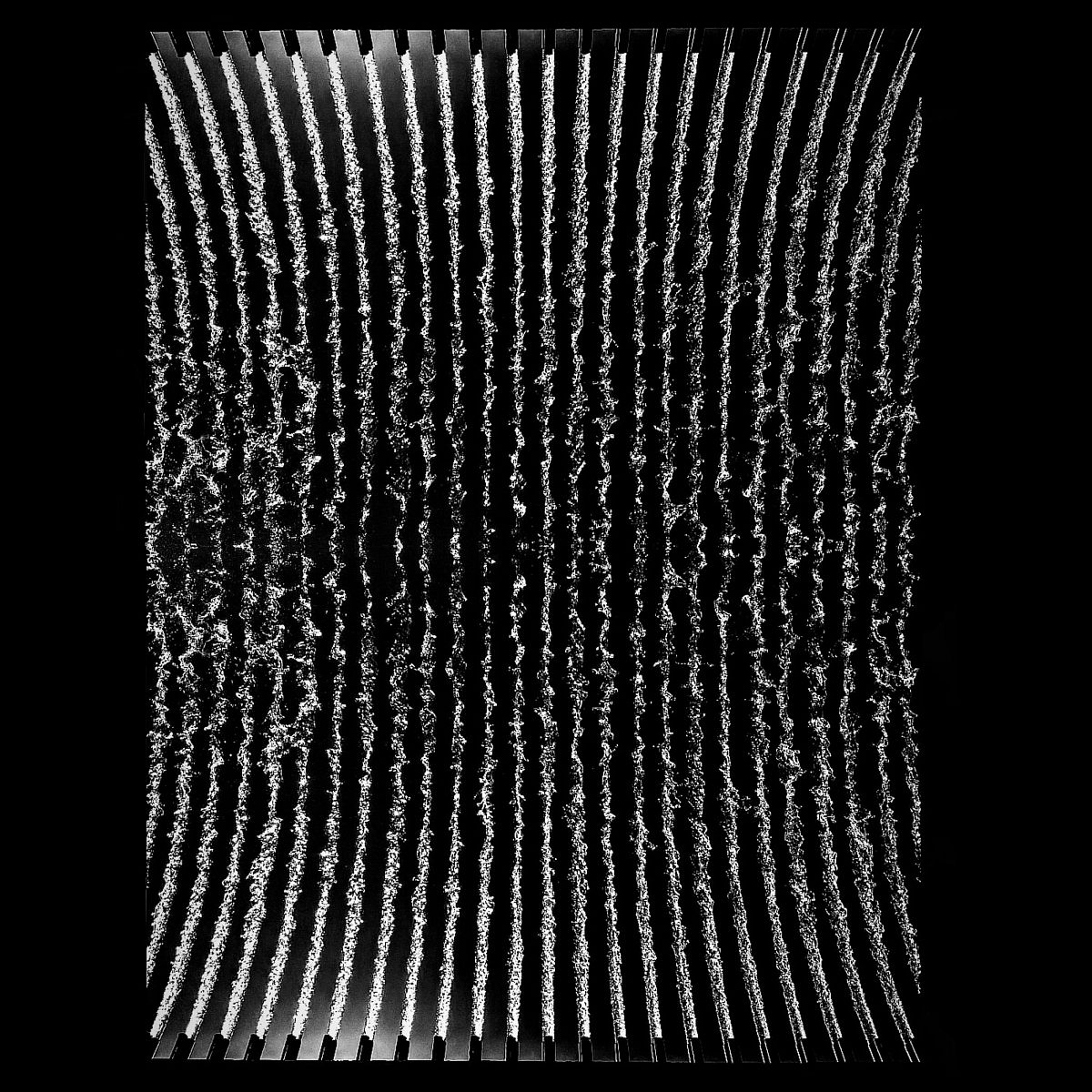
Reflections-in-Darkness tryptich © Max PhV / Maximilian Vermilye
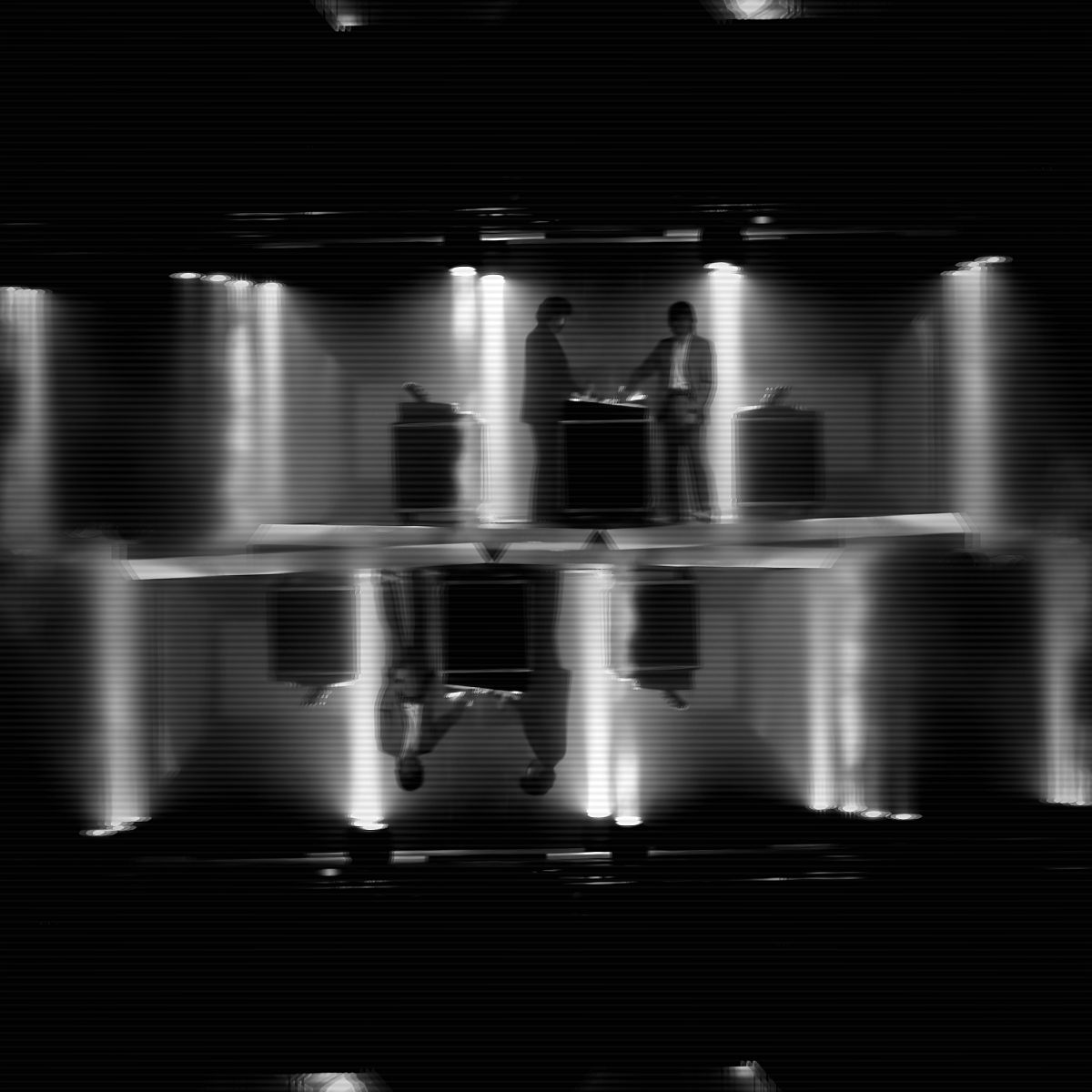
The Cubicles © Max PhV / Maximilian Vermilye