











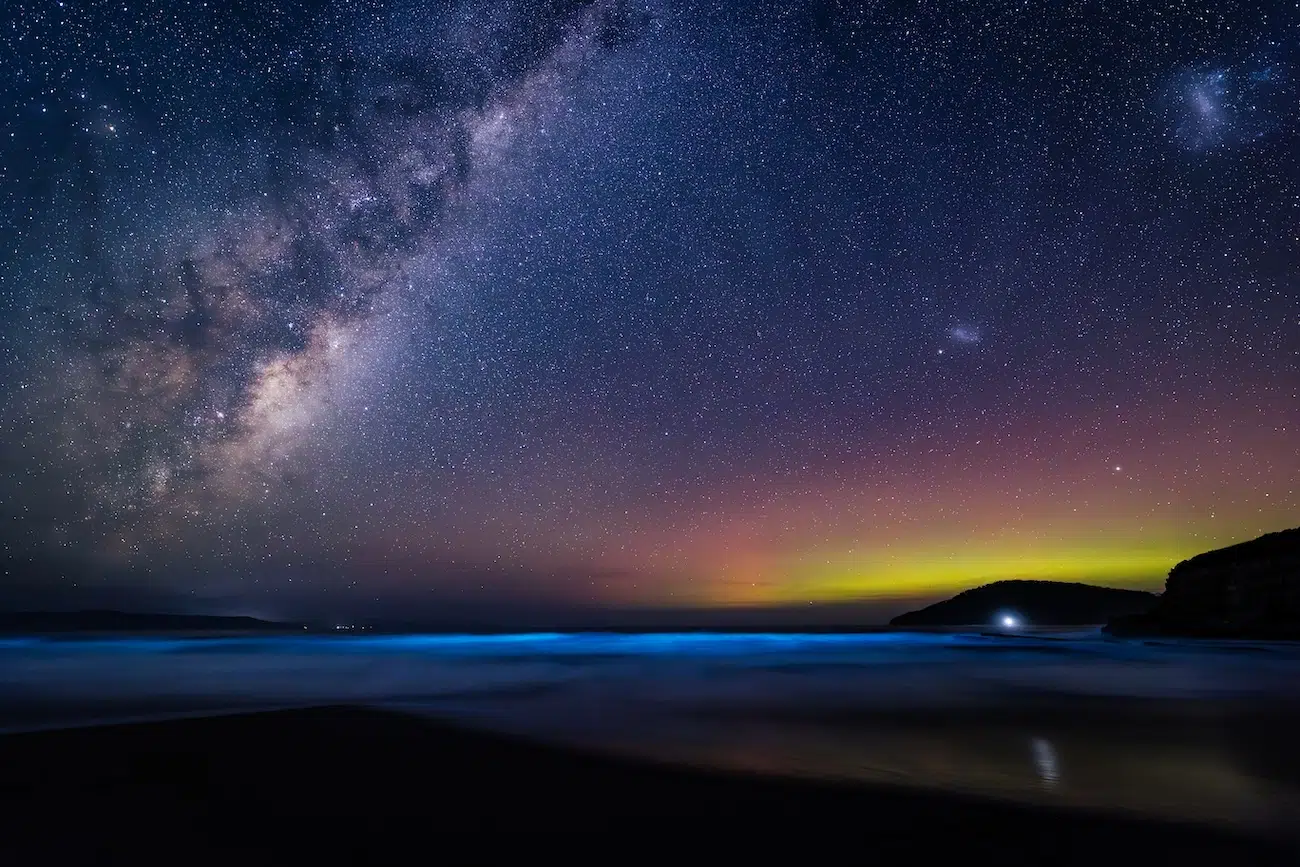
Brett Guy, “The Holy Grail”
Taken on the night of the 23rd April 2023 from South Arm Peninsula, this image features multiple examples of physical processes in action at the same time. A subtle aurora, combined with agitated bioluminescent algae and the core of the Milky Way rising on the southeastern horizon. Capturing all these processes in action in a single image really was like finding the Holy Grail.
Photography illuminates the world, especially when it comes to science. It can shed light on complex subjects and allow us to connect emotionally with them in ways that words can’t. The Beaker Street Science Photography Prize recognizes images that “reveal the wonder, complexity, and fragility of the natural world” by way of science. The competition just announced its finalists for the 2026 edition, presented as part of Tasmania-based Beaker Street Festival’s 10th anniversary program.
The finalists encompass a wide range of subject matter within the natural world. Endangered species conservation, climate change, deep-sea ecology, dark sky preservation, and microscopic natural phenomena are just some of what’s presented in the competition.
One stunning finalist image is titled The Holy Grail by Brett Guy. The landscape photograph is a striking sight, capturing a rare convergence of bioluminescent algae, a subtle aurora australis, and the rising Milky Way off the coastline of Tasmania.
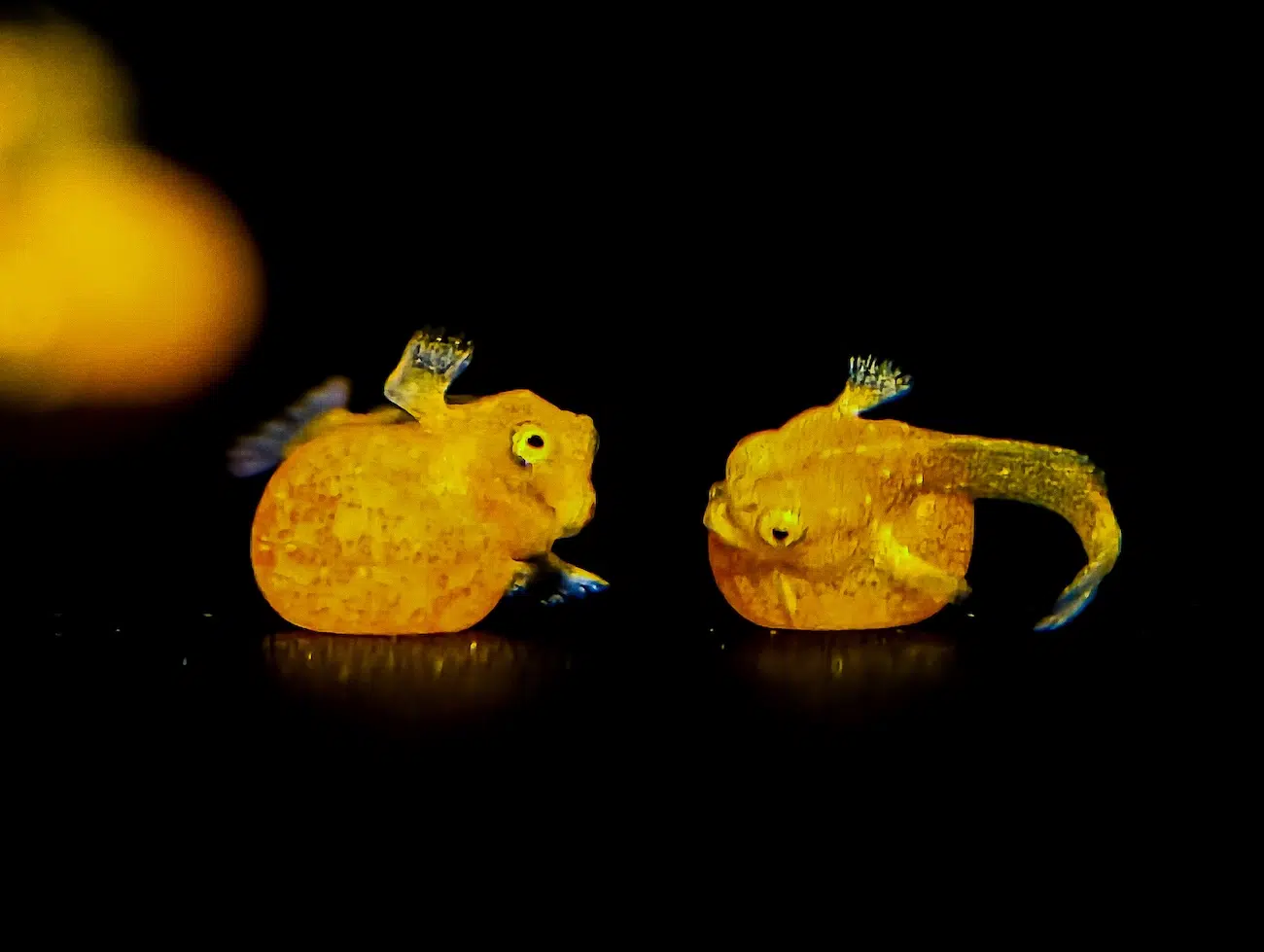
While Guy’s photograph showcases the depth of the dark sky, First Day by Armando Ochoa Aguilar depicts life in its infancy. The image shows a pair of one-day-old red handfish hatchlings that were bred as part of a conservation program at the Institute for Marine and Antarctic Studies in Hobart, Tasmania. This is an important hatching, as there are fewer than 250 red handfish left in the wild. Aguilar’s documentation gives insight into the efforts to save one of Australia’s most endangered species.
Voting is now open for the public to pick their favorites. The most popular photos will be shown at an exhibition during the Beaker Street Festival happening August 6–17, 2026. Winners of the Judges’ Choice and People’s Choice will be announced during that time, too.
Scroll down for a selection of finalists and then vote on your favorites on the Beaker Street Science Photography Prize website.
The Beaker Street Science Photography Prize recognizes images that “reveal the wonder, complexity, and fragility of the natural world” by way of science. Check out a selection of the finalists below.
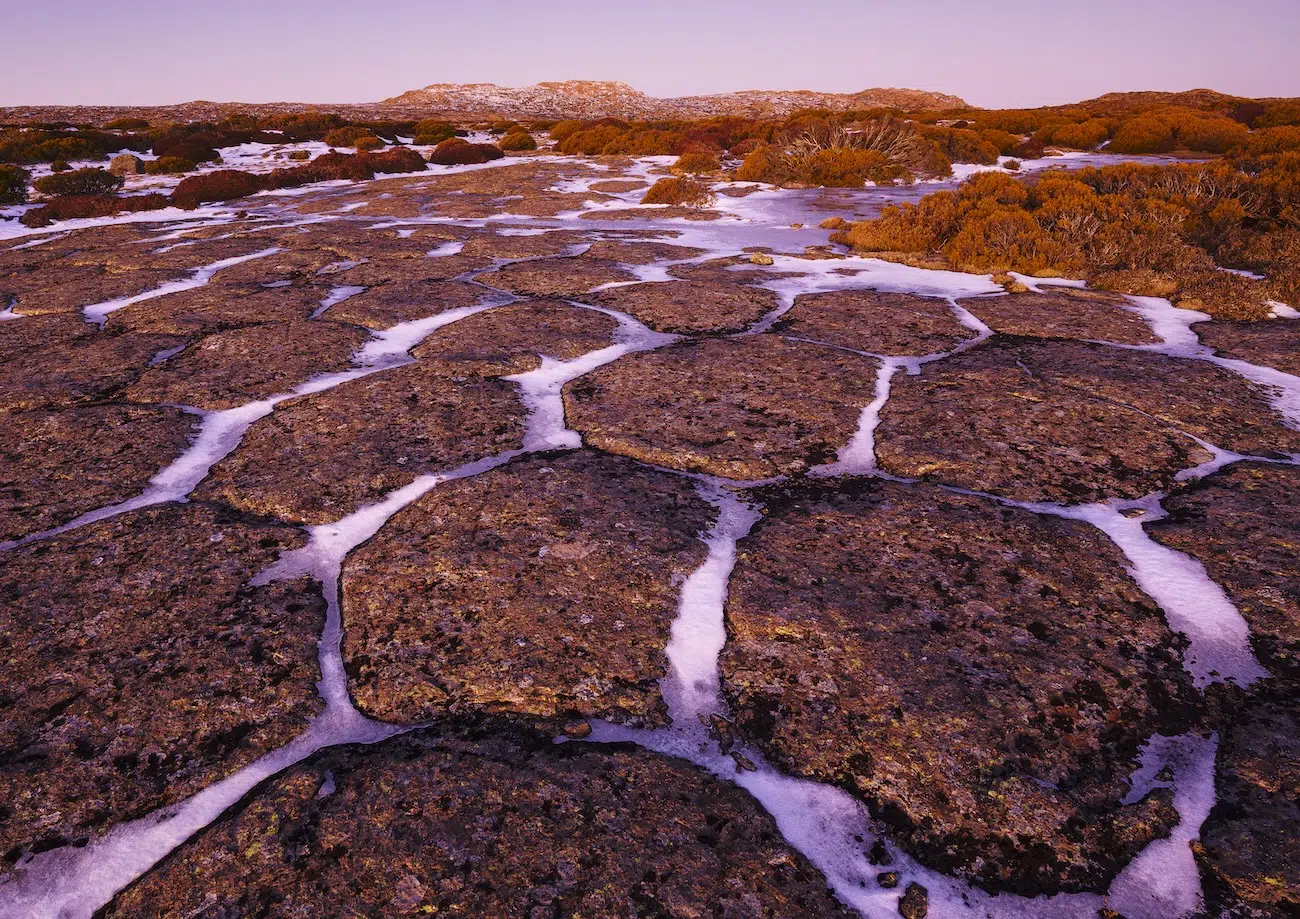
Grant Dixon, “Dolerite Polygons”
Dolerite is an igneous rock that is unusually widespread in Tasmania and so significantly shapes the landscape. It has been described as ‘the rock that makes Tasmania’. During the breakup of Gondwana, dolerite magma intruded into the crust as subsurface dykes and sills (sheets). As the magma cooled and crystallised, regular vertical cracks propagated through the sills, forming polygonal columns. The characteristic form of many dolerite cliff-lines is due to this. Less common is such a clear exposure of a cross-section of these columns seen here, forming a glaciated pavement on the Ben Lomond plateau, their outline highlighted by a light fall of snow.
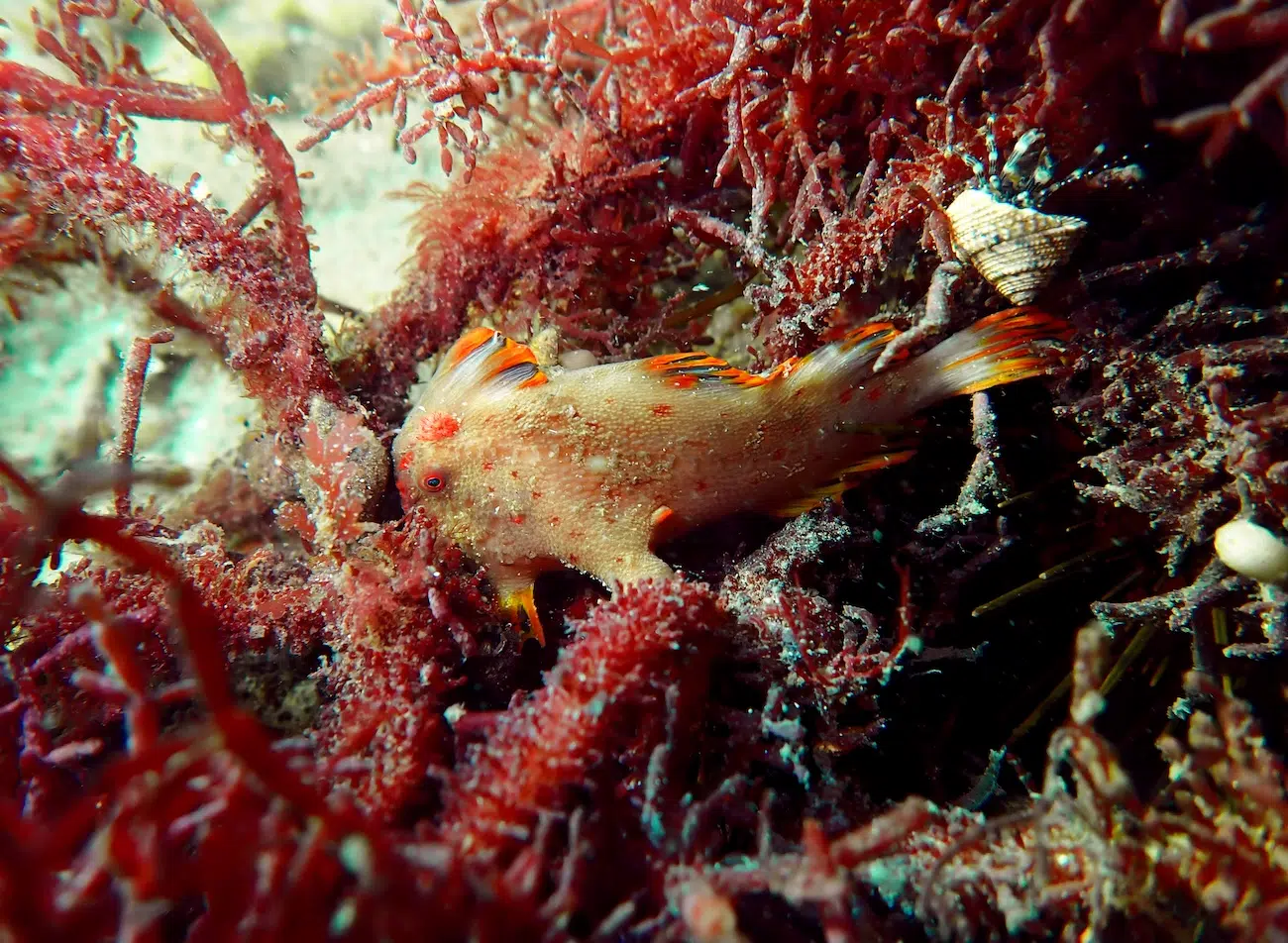
Francisco Albergoli, “My Home Is Being Eaten”
A red handfish (Thymichthys politus), one of Australia’s rarest endemic fishes, rests among algae being consumed by a short-spined sea urchin (Heliocidaris erythrogramma). Found only in a single coastal habitat in southern Tasmania, red handfish “walk” along the seafloor using modified pectoral fins rather than swimming. With fewer than 250 individuals remaining in the wild, the species is on the edge of extinction. Its primary threat is habitat degradation linked to localised overpopulation of short-spined urchins, which can overgraze algal communities. My research focuses on managing urchin populations and restoring this critical habitat. It also aims to fill key knowledge gaps in red handfish ecology, including their diet, which is unknown in the wild. Is the small invertebrate visible here as potential prey? And are these food resources also being lost as the ecosystem continues to degrade?
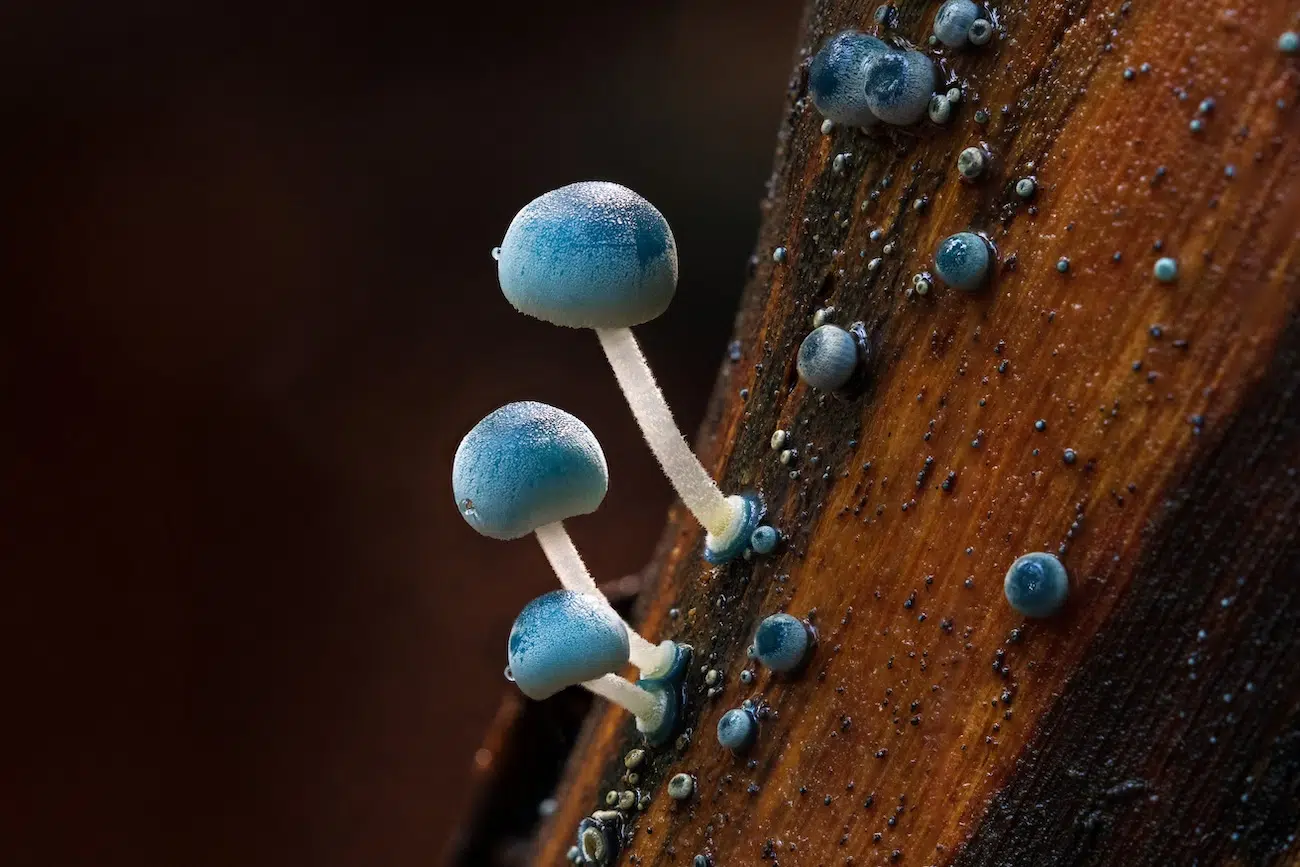
Ryan Shan, “Ephemeral Blue”
I came across these tiny bursts of blue hidden in the damp forest — Mycena interrupta growing quietly on decaying wood. As a saprotrophic fungus, it plays a vital role in breaking down organic matter and returning nutrients to the ecosystem. Small and fragile, they’re easy to overlook, yet their vivid colour feels almost unreal. In moments like this, decay reveals itself not as an end, but as the beginning of new life.
Shawn Lawrence, “Coming Home”
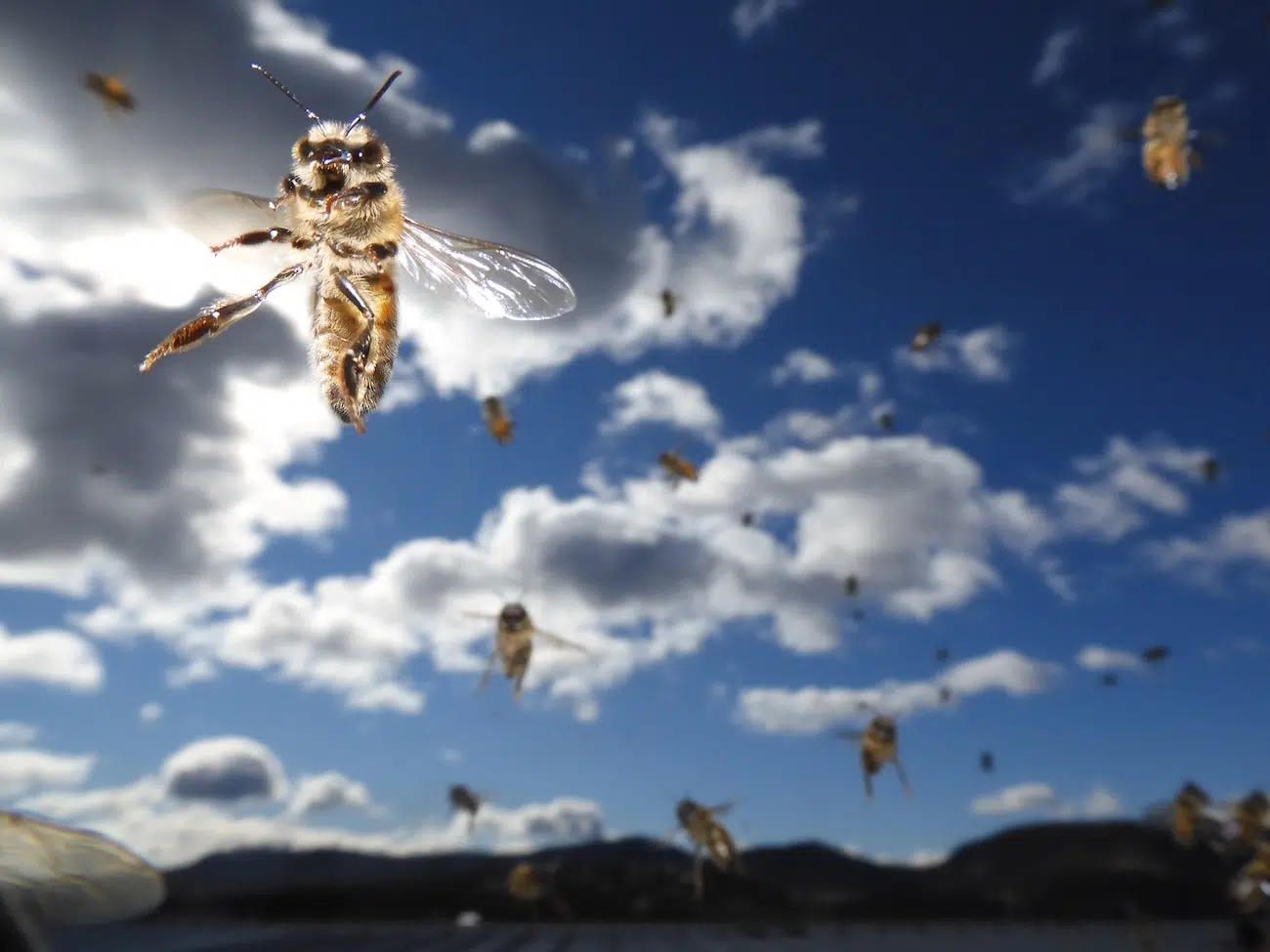
With pollen on her legs and gold on her coat, this worker honeybee (Apis mellifera) returns home to the hive. She receives no applause, her only purpose is to bring home nectar and/or pollen to ‘share' with the hive: pollen for the queen's offspring, nectar for co-workers or for long-term storage to see the colony through lean times. In the Tasmanian/Australian context, she's as much ‘stealing' as ‘sharing', because honeybees are an introduced species and therefore competing for nectar and pollen with native bees, other native insects and native birds. She does not rest in the triumph of arrival but disappears into the collective, where her efforts become manifest. Coming home is not retreat – it’s a contribution
Armando Ochoa Aguilar, “First Day”
One-day-old Red Handfish (Thymichthys politus) hatchlings. These fish are newborns; therefore, they still display a substantial yolk sac. This structure contains nutrients which provide the fish with a secure food source for the fish during its development in the egg and its first days after emerging. The yolk sac will shrink and disappear as the fish continues growing and feeding from it; eventually, the hatchlings will start to actively look around for other food sources such as small amphipods. These babies are part of the red handfish conservation project at the Institute of Marine and Antarctic Science. They come from the fishes last breeding season, November 2025. As part of the project, these fish will either be kept at the university for research and further contribution into the captive breeding program or they will be released to contribute to the small and spatially restricted wild population left in Tasmania’s waters.
Alex Wheeler, “A Natural Wetsuit”
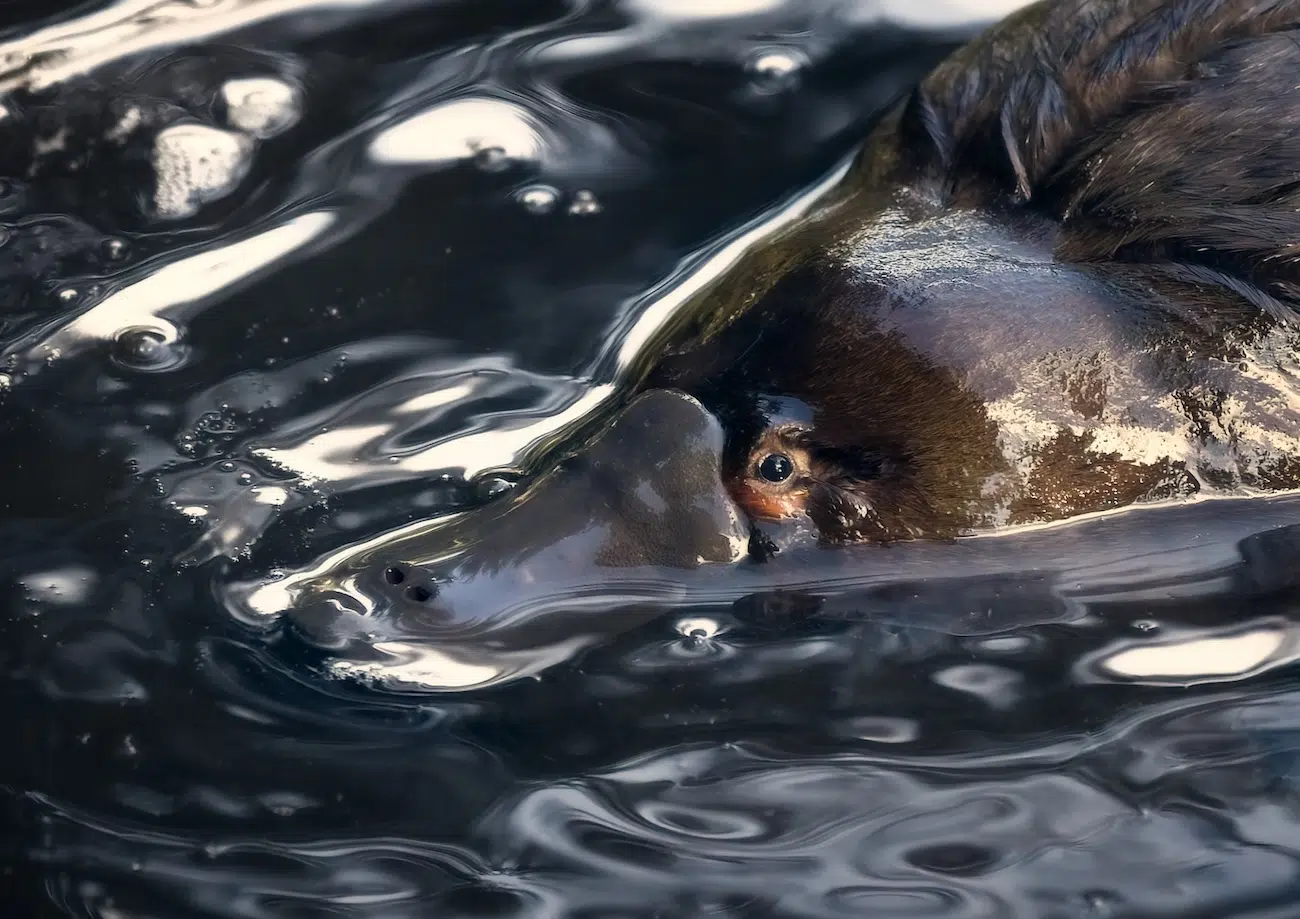
The Platypus (Ornithorhynchus anatinus) has a two‑layered fur for maintaining thermal homeostasis in Tasmania’s cold, freshwater environments. Its outer coat consists of tightly packed guard hairs rich in natural oils that provide water resistance. Beneath this lies a layer of fine, wool‑like underfur that traps a stable layer of air against the skin. Together, these layers form a very effective thermal insulation. The air layer is retained during repeated diving, minimising convective heat loss when diving in rivers and alpine streams that can approach near‑freezing temperatures. The effectiveness of this insulation enables platypuses to sustain extended foraging, often for up to 12 hours per day without significant drops in core body temperature—essential for the species’ semi‑aquatic lifestyle and its distribution across Tasmania’s colder habitats.
Nick Green, “Southern Ocean Energy, Cape Pillar”
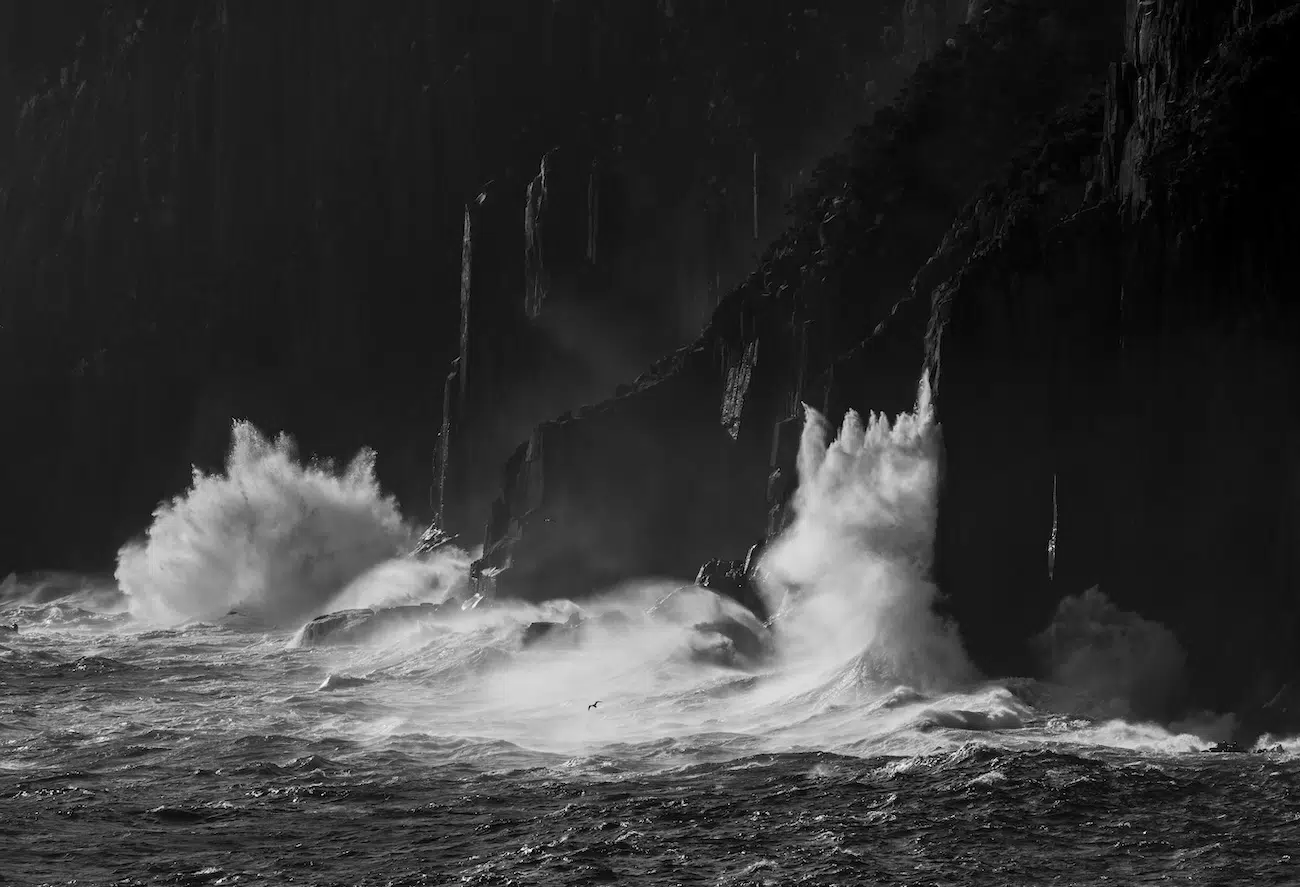
This photograph was taken from Tasman Island during a large Southern Ocean swell, looking back toward the cliffs below Cape Pillar on Tasmania’s southeast coast. The waves in this image have travelled thousands of kilometres across open ocean before meeting the near-vertical dolerite coastline. When that energy reaches the cliffs it has nowhere to go but upward, throwing seawater high into the air and creating the dense spray visible along the rock face. The small seabird near the centre of the frame gives a sense of scale against the height of the cliffs and the force of the water moving through the scene. Events like this happen repeatedly during large swell conditions and slowly shape this coastline over time. This image captures a brief moment within that ongoing interaction between ocean energy and rock.
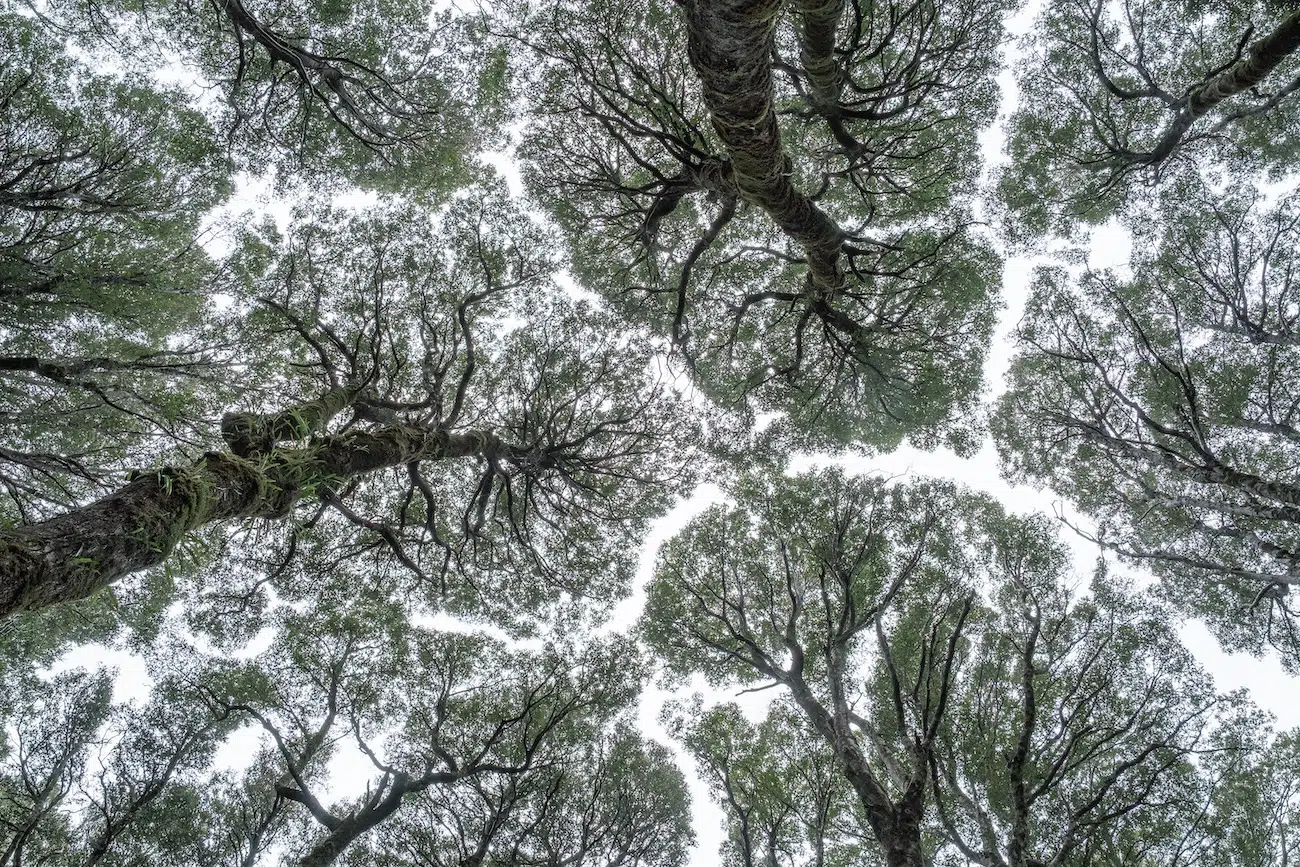
Nathan Waterhouse, “Shy”
Crown shyness is the pattern of gaps that forms between neighbouring tree crowns. One hypothesis is that these gaps result from mechanical abrasion: as adjacent branches collide in the wind it damages sensitive growing tips and limits further outward growth. Whatever the cause, the result is a canopy with channels of sky rather than a continuous layer of leaf cover. This photograph shows a Myrtle, Nothofagus cunninghamii, canopy.
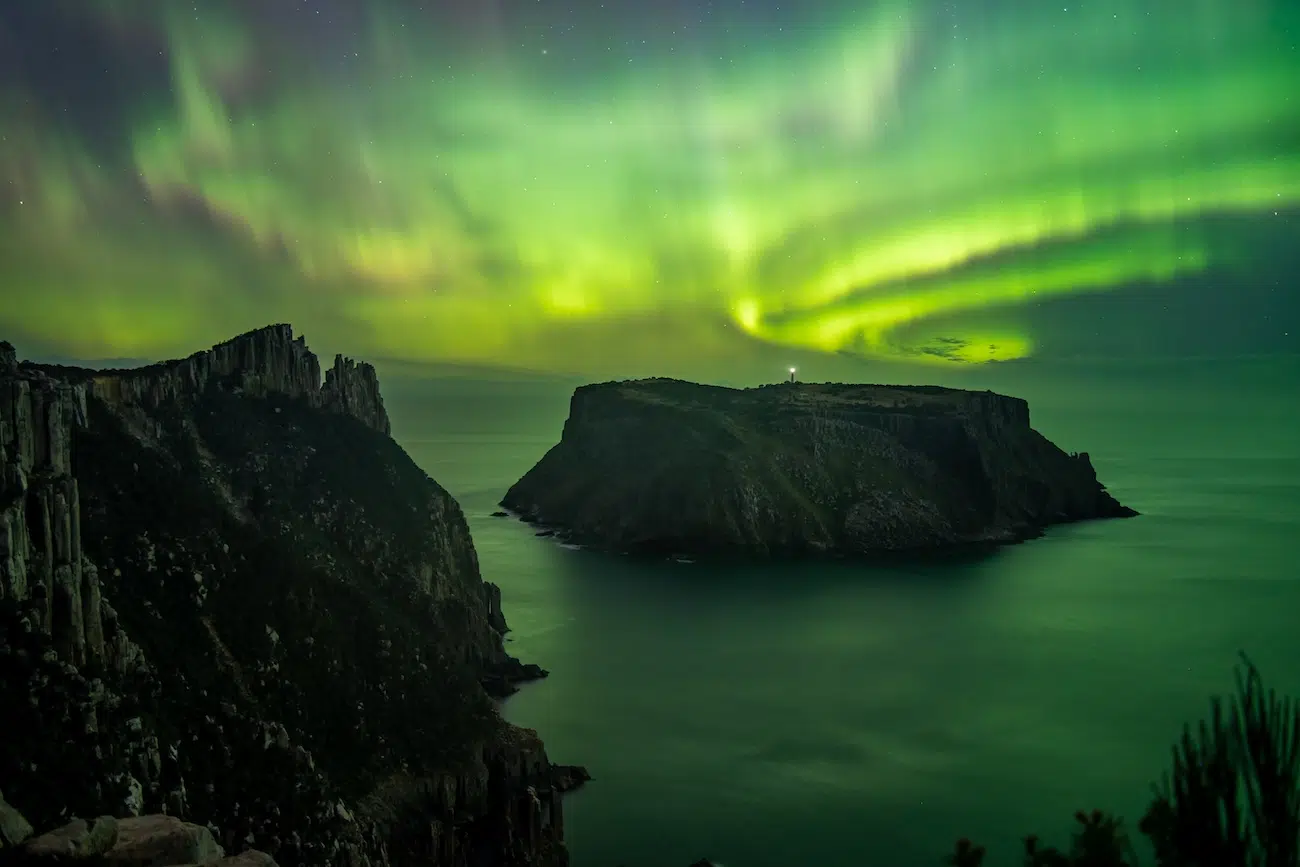
Jessica Hewenn, “Tasman Island Aurora, Jan 2026”
The aurora australis is an ephemeral phenomenon: a wave of charged particles colliding with the earth’s atmosphere releases light that forms transient patterns in our skies. Beneath this all-too-brief display are the results of far slower processes. The Tasman Lighthouse has stood since 1906, on an island whose vegetation was altered over a few decades by introduced species. That vegetation had itself been initially shaped by strong winds and sea mists, and all of it in a landscape shaped on a geological scale: largely Jurassic Dolerite shaped by the Quaternary glacial and current interglacial erosion effects. Photography is able to capture these processes, from the transient to the ancient, as a single moment in time.
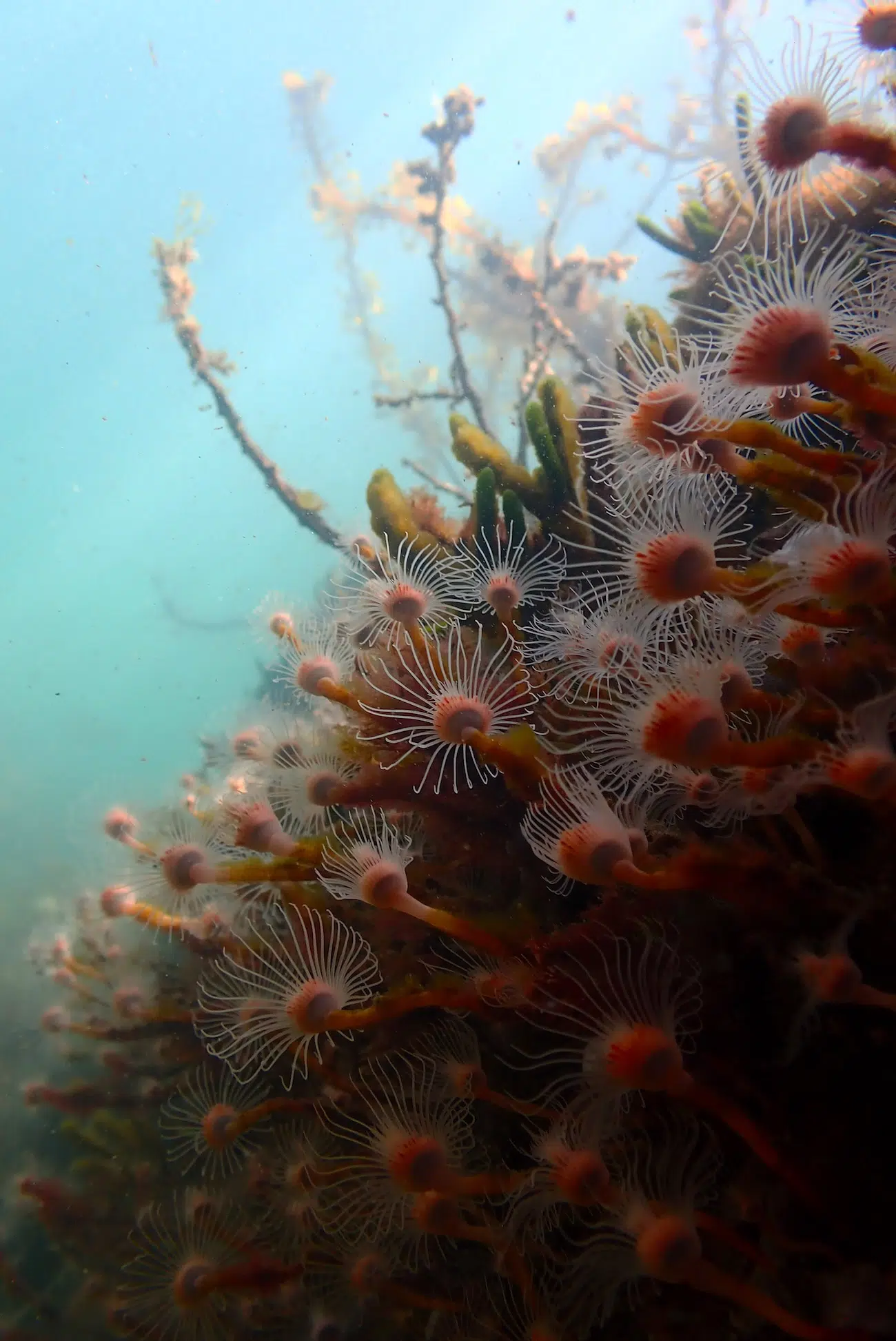
Alison McNeice, “Underwater Bouquet”
These Magnificent, or Stalked Hydroids (Ralpharia magnifica) look like a bouquet of underwater flowers, but this animal (yes, animal) is in fact a sessile organism related to the sea jellies. Like sea jellies (jellyfish), they have tentacles with stinging cells that catch prey as it drifts past. They can form small colonies or can live as a single organism, and have a complicated lifecycle that comprises alternating sessile and free-swimming stages. They are still poorly understood, despite being one of the more fascinating underwater sights in our Great Southern Reef.
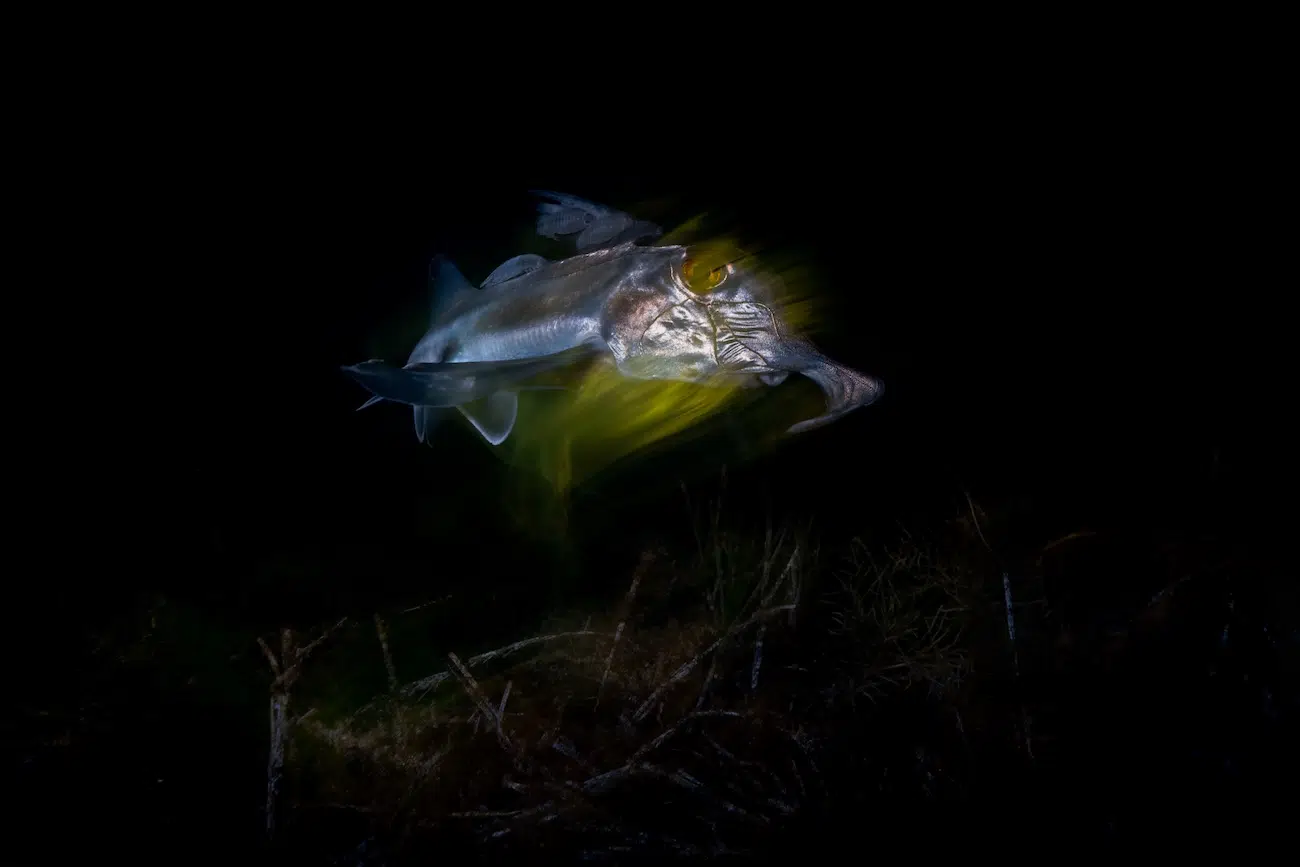
Daniel van Duinkerken, “A Ghostly Chimaera”
An Australian Ghostshark (Callorhinchus milii) scours the seagrass beds of the river Derwent for an easy meal. This is not actually a shark but a ‘Chimaera’. This group of cartilaginous fishes branched off from the sharks and rays nearly 400 million years ago. Members of this species use their plough-shaped snouts to detect prey hidden in the sand. Their snouts are lined with the ‘Ampullae of Lorenzini’, little pores that sense the faint electric fields of potential prey. Ghostsharks also have a large spine on their dorsal fin to fend off large predators, but as you may have noticed, it may be the smaller parasitic predators they need to watch out for. On the back of the fish in the photo you can see at least four isopods that are feeding off blood and mucus. To emphasise their ghostly appearance with light streaks, I utilised a long exposure with both a flash and dive lights.
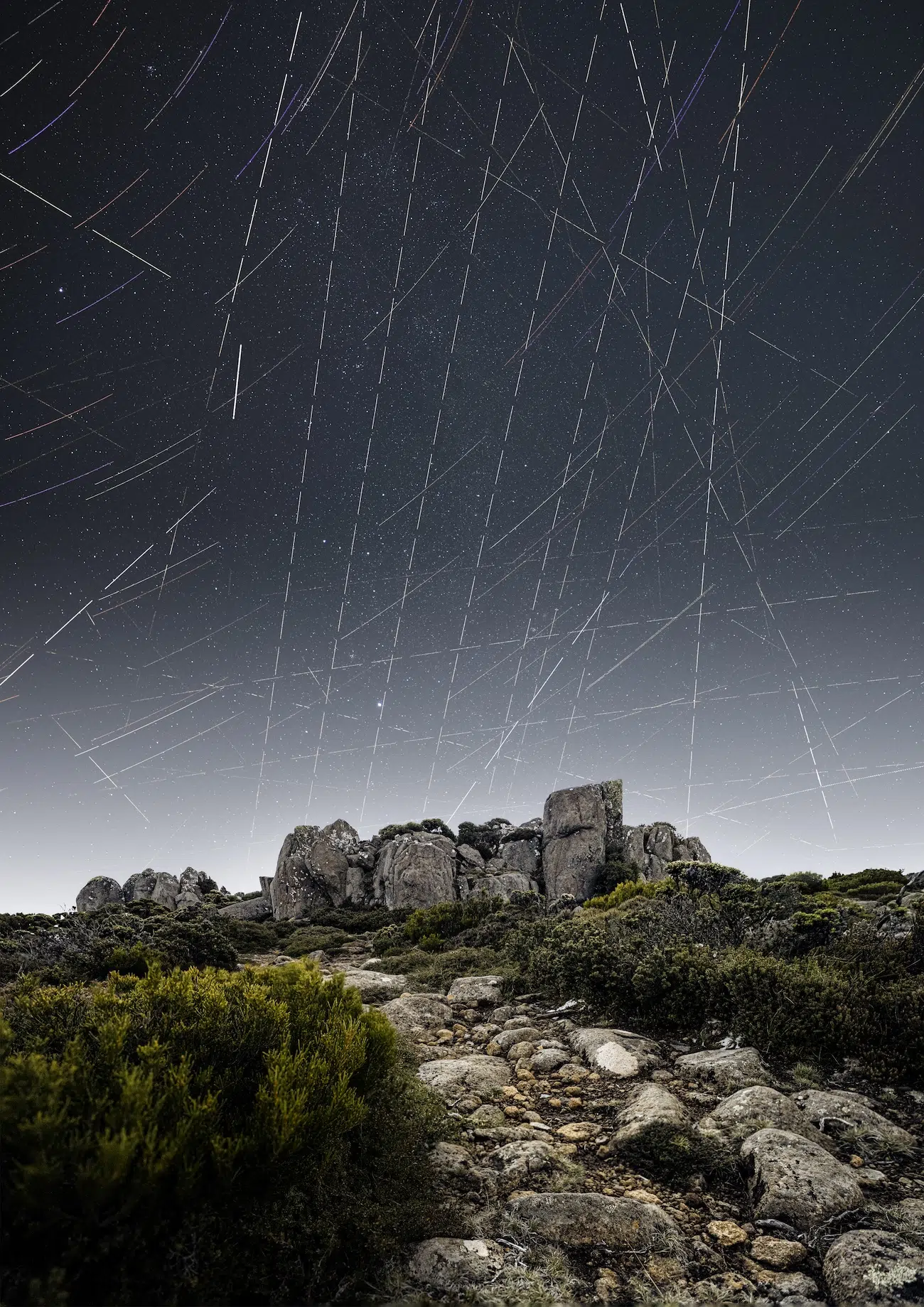
David Nolan, “Satellite Trails Over Hobart Skies”
Satellite trails are an increasingly visible sign of human impact on the night sky. As large constellations of satellites expand, long streaks of reflected sunlight appear in astronomical images, interfering with observations and altering the natural darkness of space. This is closely tied to light pollution: while traditional light pollution comes from ground-based sources, satellites introduce a new, moving form of sky brightness. For astronomers and astrophotographers, these trails can obscure faint celestial objects and require complex processing to remove. More broadly, they represent a shift in how humanity occupies even the most remote environments, extending our technological footprint into orbit. Preserving dark skies now depends not only on reducing artificial lighting on Earth, but also on responsible satellite design, regulation, and deployment to minimise their visual and scientific impact.
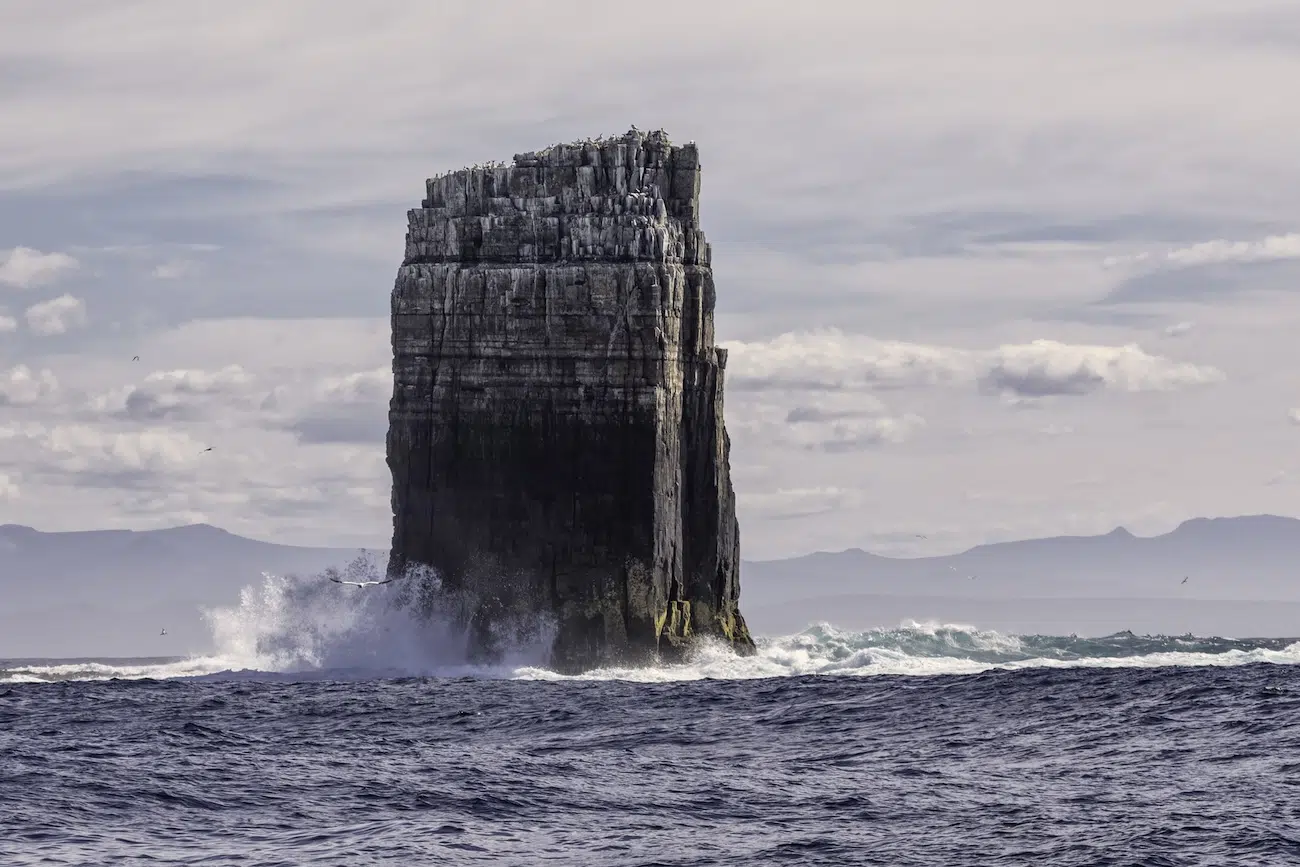
Jenny Schorta, “Eddystone Rock”
Eddystone Rock is a tower-shaped rock rising about 50 m out of the water, and located in the Southern Ocean around 27km from SE Cape. The rock is an erosional remnant of the Tasmanian mainland. The rock is home to Australasian gannets, black-faced cormorants and fairy prions. It is also a hauling-out place for Australian and New Zealand fur seals. Alongside nearby Sidmouth Rock and Pedra Branca, Eddystone Rock has been designated an Important Bird Area for nesting shy albatrosses.
Voting is now open for the public to pick their favorites from the competition. The most popular photos will be shown at an exhibition during the Beaker Street Festival happening August 6–17, 2026.
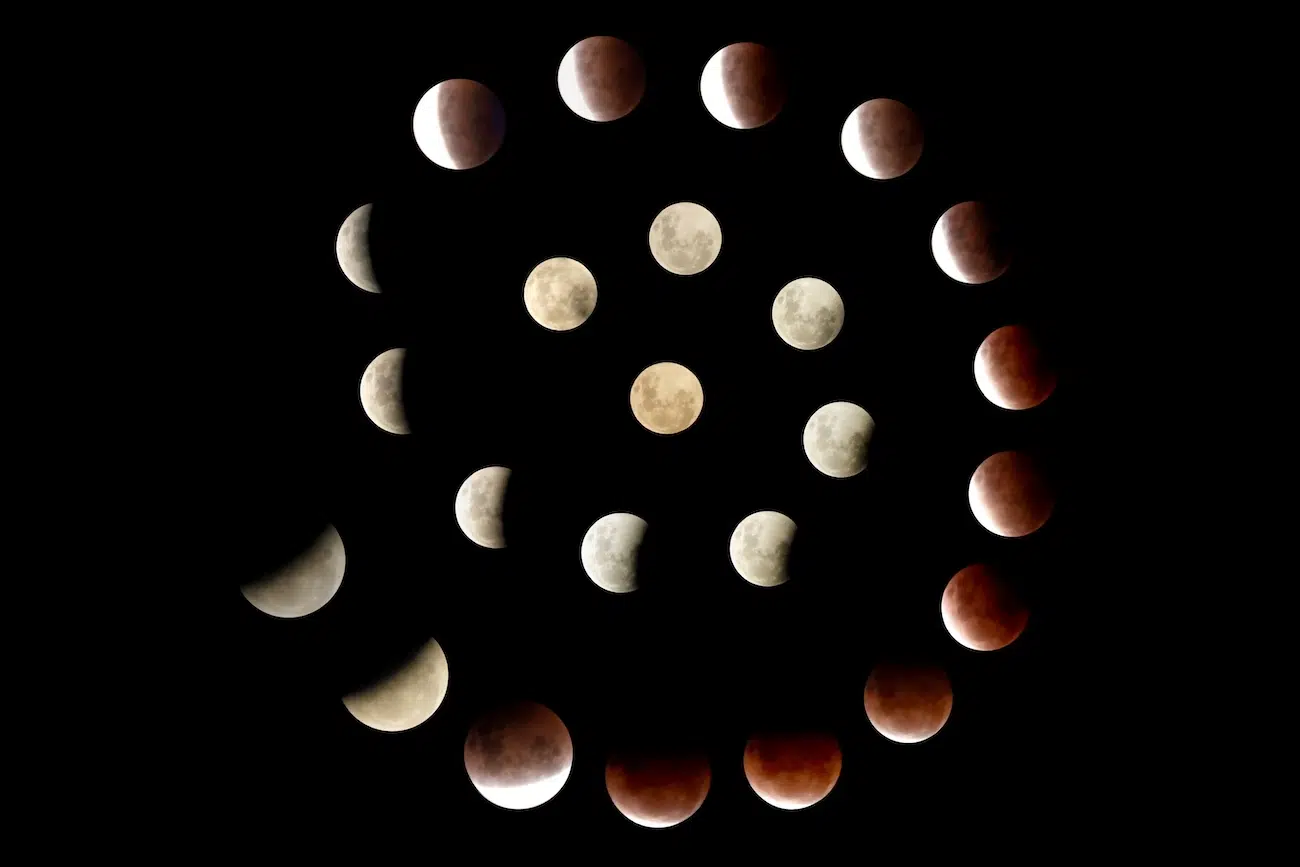
Bronwen Gunning, “Lunar Spiral – Mt Pleasant Observatory – Tasmania”
Humans have been observing and recording celestial events for thousands of years, with lunar eclipses holding a special fascination for us. This total eclipse was designated a ‘blood moon' due to the reddish hue cast from Earth's shadow and atmosphere. It was also a supermoon, so called because it appears larger than usual in our sky due to its close proximity to earth. This moment is called the perigree, at which point the moon is roughly 45, 000 km closer to Earth than when it is at its farthest point in its elliptical orbit. It was a challenging event to observe and image with intermittent cloud cover throughout the night. My image depicts twenty-four separate photographs showing the progression of the eclipse through its many different phases. This image was produced specifically to demonstrate the timeline of the eclipse and is often used by me during public astronomy outreach sessions. Note that only basic photo editing software was used to scale and position the individual images. The spiral arrangement is purely for aesthetic and presentation purposes and doesn't reflect the ‘movement' of the moon in the night sky.