






London’s Queer East Festival is back for its seventh edition, showcasing cinema and performing arts in venues across the British capital from May 1 to June 6.
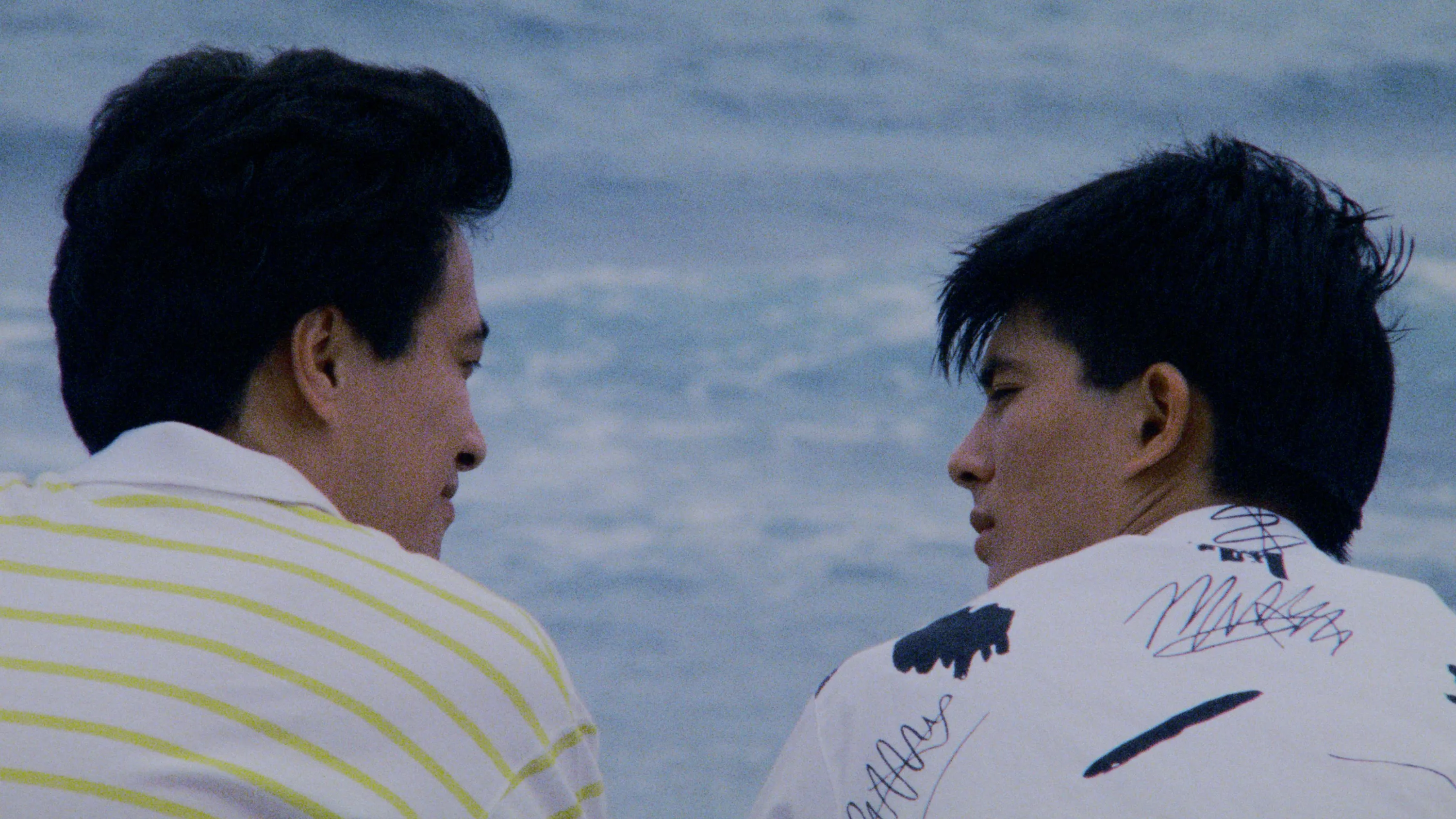
The annual exploration of East and Southeast Asia’s ever-evolving queer landscape will kick off at the Barbican with the U.K. premiere of the landmark 4K restoration of the 1986 Taiwanese film The Outsiders, the first screen adaptation of Pai Hsien-Yung’s groundbreaking novel Crystal Boys, which was directed by Yu Kan-Ping. The restored version includes previously censored material, with the Queer East Festival vowing to present it “in its full, hallucinatory glory.”
Among other highlights of the seventh edition include the likes of Park Joon-ho’s 3670, which the fest calls “a milestone in South Korean queer cinema, portraying the hidden codes of Seoul’s gay scene,” Ratchapoom Boonbunchachoke’s feature debut and Thailand’s international Oscar submission A Useful Ghost, a Thai feature skewering “the establishment and cultural hypocrisy,” Xiaodan He’s Montreal, My Beautiful, starring screen icon Joan Chen in a cinematic journey of self-discovery, Jota Mun’s Between Goodbyes, as documentary about queer adoption and the legacy of South Korea’s overseas adoption program, and Tracy Choi’s coming-of-age drama Girlfriends.
Also part of Queer East 2026 are the likes of Kuo-Sin Ong’s Singapore drag comedy A Good Child, Nigel Santos’ Open Endings, a drama about four queer women navigating love, sex and chosen families, Yihwen Chen’s Queer as Punk, a documentary about a punk band, led by a trans man, in Malaysia where being LGBTQ+ is criminalized, lesbian cinema pioneer Ulrike Ottinger’s 1989 classic Johanna d’Arc of Mongolia, and Cactus Pears, Rohan Kanawade’s debut feature and winner of the World Cinema Grand Jury Prize at Sundance 2025.
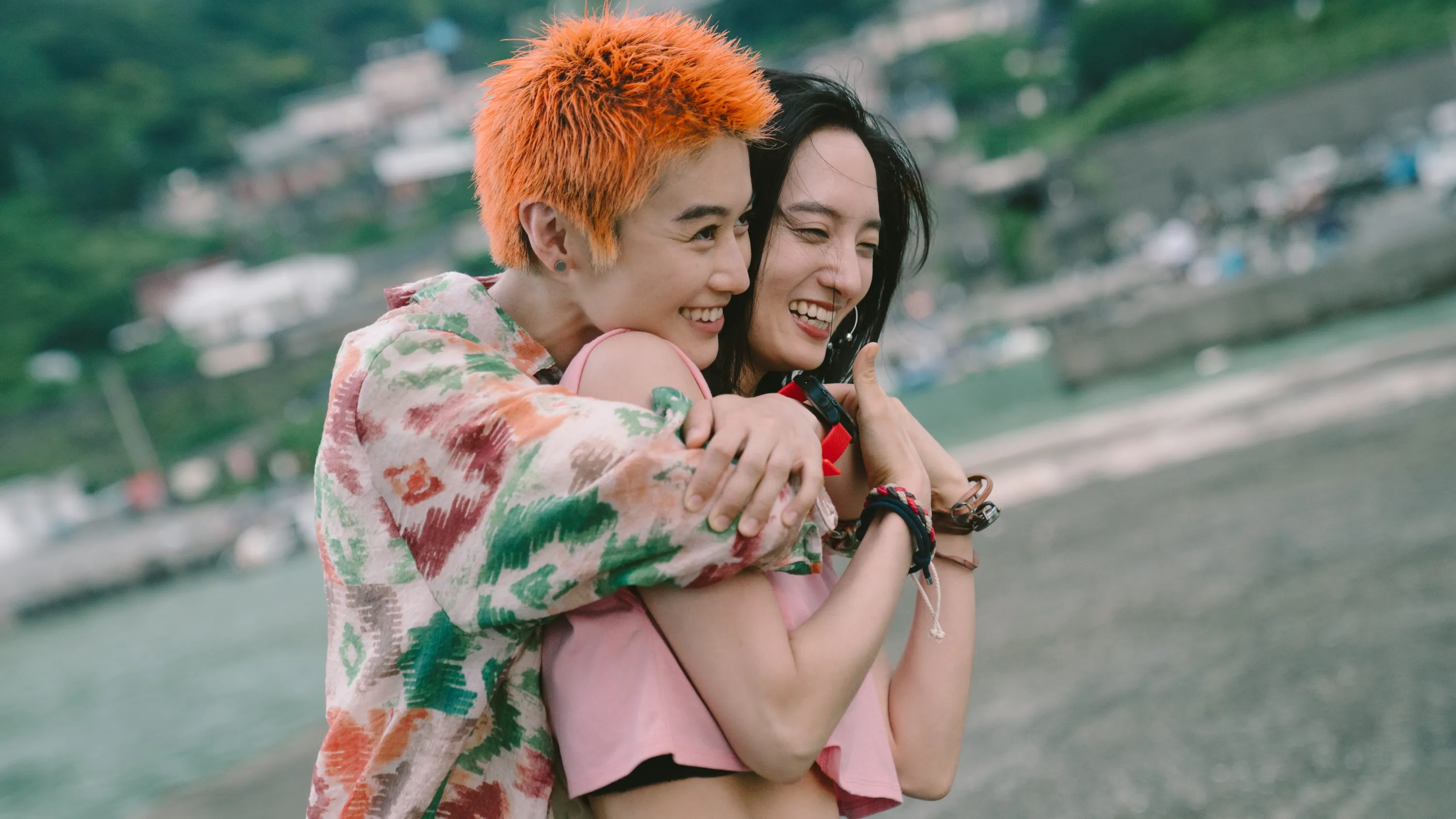
Alongside the film program, Queer East presents talks, workshops, live performances and a late-night rave on May 16. Also, the second iteration of the Queer East Industry Day at BFI Southbank on May 24 will bring together film professionals from diverse backgrounds to discuss “the current challenges in queer and Asian independent film production and exhibition.”
About this year’s mix of features and shorts from across Asia and its diaspora communities and its mix of newer and older movies, Queer East Festival program director Yi Wang said: “To look back is a crucial step in understanding how to move forward. This year’s program places a strong focus on queer cinema heritage, featuring a series of screenings with 35mm prints, stunning 4K restorations, and rare archival materials spanning over six decades of queer filmmaking across Asia. While sometimes overlooked, these films hold the collective memory of our communities, and by bringing them to the big screen again, we want to create a space for dialogues between our queer past and today’s audiences.”
THR talked to the festival programmer about the lineup for the Queer East Festival 2026, how the fest came about and how it has grown since then.
Why and how did you decide to found the Queer East Festival? And how far do you feel you have come?
The idea of creating Queer East was quite personal. I was actually working in performing arts, such as theater amd dance production, and didn’t really have a direct connection with film. But as someone who immigrated to London [from Taiwan] back in 2014 to do my master’s degree and someone who is always very keen on queer cinema, I didn’t really see a lot of East and Southeast Asian queer cinema. We see quite a lot of classics, such as Wong Kar-wai’s Happy Together and Ang Lee’s The Wedding Banquet. But it’s quite rare to see more contemporary Asian cinema. And I just had this idea to do that if no one’s doing it.
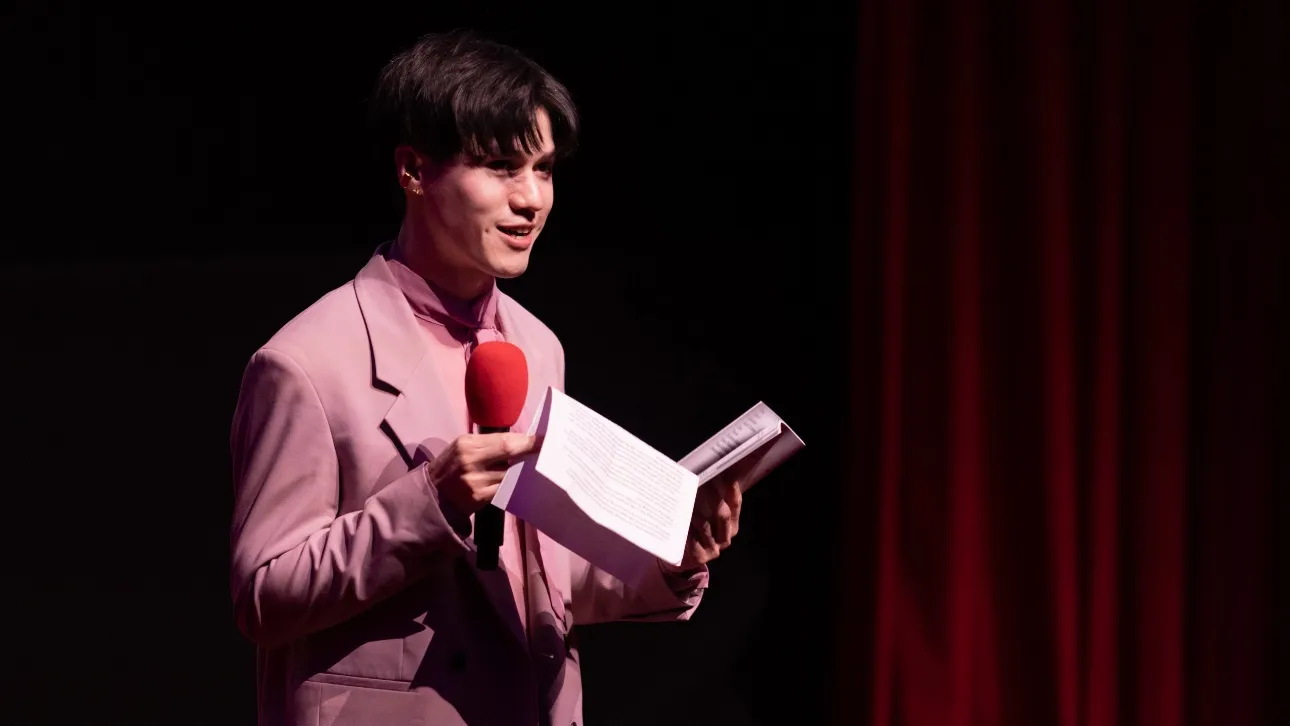
I just didn’t want to do it by myself. I approached people, talked to different cinema curators and then put together this idea of Queer East that was originally planned for April 2020. Obviously, there was the pandemic. So, we couldn’t really do the festival as we had originally intended, but we had online screenings and still managed to do some in-person screenings and gained quite a lot of attention. And really liked the idea of putting queer Eastern and Southeast Asian cinema together. It started with the idea of a small weekend showcase, but now, we have become one of the largest queer Asian festivals in the U.K. It has been quite a ride for me.
How has the number of films screened at the fest grown?
This year we have 130-something films, including [more than 90] shorts. I think the first year, it was around 15 films. Now, we work with 14 venues in London, including the BFI Southbank, the Barbican and ICA.
Your festival has a really diverse program covering films from different genres and countries. Have you noticed hurdles or so for queer Asian cinema in Asia or elsewhere?
In Asian countries, including in Thailand, the Philippines, and even Vietnam, which has heavy censorship, there’s queer cinema being made every year. I think it’s more about expectations in the West. Sometimes people still think Asian cinema is supposed to be only about arthouse, high culture or serious political films.
My idea of queer is to have films that talk about social, societal, political issues, but also comedies and romance films. So, it is broader-based. Part of the reason I started Queer East was that I feel it’s very important that we look at queer cinema in a more three-dimensional way. There is such a big variety. And that is why we have loads of films from different countries talking about different perspectives of queerness.
In unveiling this year’s lineup, you highlighted how the past of cinema can help elucidate the future…
Yeah, film heritage and the film archive have been a key focus in my curation. We are screening films that never had a chance to get an international presence and every year we try to bring rarely seen and under-the-radar queer Asian cinema to the U.K. audience. This year, the festival opens with The Outsiders, which is a screen adaptation of one of the most important gay novels in the Mandarin-speaking world and a film that has been quite important in queer Asian film history. Because the film was made during censorship under martial law in Taiwan, the film was heavily cut. I think there were 21 cuts. This is the first time they have reintroduced those censored materials to the film in this 4k restoration.
You are also showing films in 35mm prints. What can you tell me about those?
We have two 35mm prints from Japan. One was made in 1959, the other was made in the ’60s, and both of them are really important in Japanese queer film history. [They are Keisuke Kinoshita’s Farewell to Spring and Masahiro Shinoda’s With Beauty and Sorrow.] These are films that people may know about, but they never get a chance to see them on the big screen.
We have a lot of young audiences, people under 30, or in their early 20s, and they have never had a chance to see these films on the big screen. Every year, I encounter all these young audiences who come to me saying: “Oh my God, I heard about this film but never had a chance to see it on the big screen.” So, it is really inspiring for them to see how queer film was made and how queer life was depicted in the past.
We touched on how political cinema can be. Do you think of Queer East as an event that does or can encourage political debate?
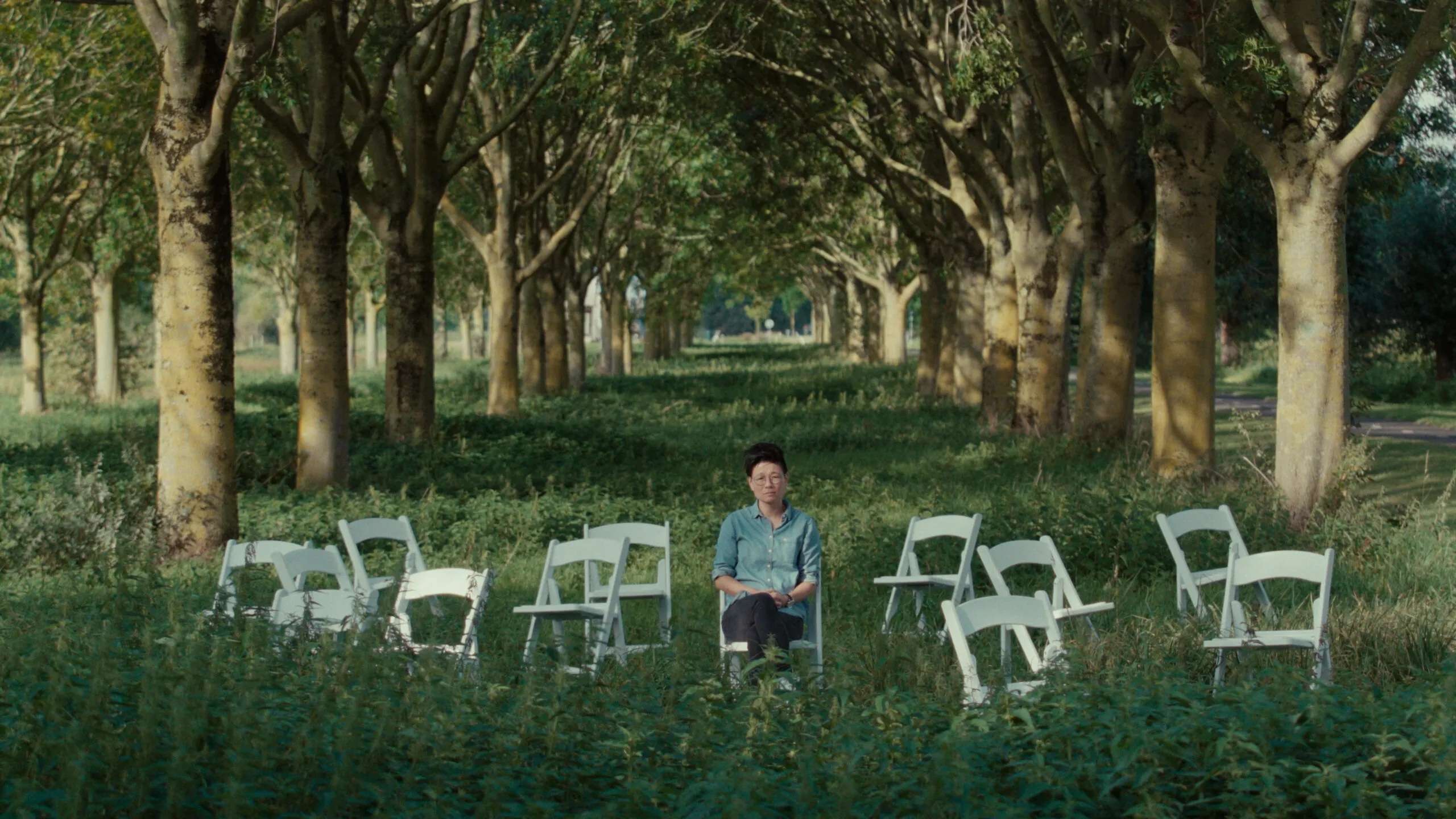
Even our idea of queer comes from a slightly political way of challenging the very white gay men-centric queer cinema landscape in the U.K. and across Europe. And every year, we have films that address current social issues, for example, films about trans communities across different Asian countries. Our festival also features strong films either made by queer female filmmakers or about queer women, which, again, is something that you usually can’t see a lot of.
Is there anything else you’d highlight about Queer East and its festival audience?
Actually, people always say that it’s like a community, that people come together. And I really want to keep it as a festival that brings people together.
此内容由惯性聚合(RSS阅读器)自动聚合整理,仅供阅读参考。 原文来自 — 版权归原作者所有。