




We may receive commissions from some links to products on this page. Promotions are subject to availability and retailer terms.
By
Angelica Leicht
Senior Editor, Managing Your Money
Angelica Leicht is the senior editor for the Managing Your Money section for CBSNews.com, where she writes and edits articles on a range of personal finance topics. Angelica previously held editing roles at The Simple Dollar, Interest, HousingWire and other financial publications.
/ CBS News
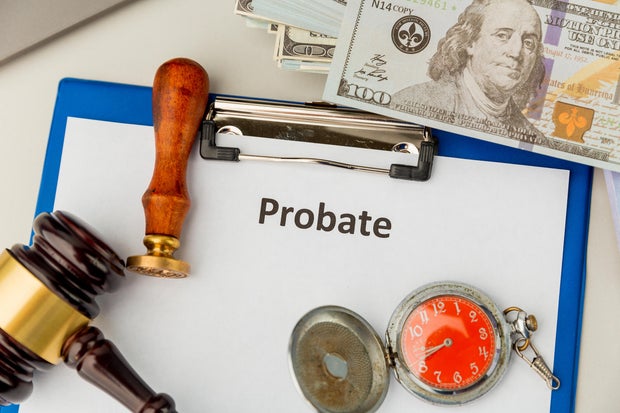
When a loved one dies, financial questions often arrive alongside grief over the loss. Bank accounts must be closed, insurance claims need to be filed and final bills continue to arrive long after funeral arrangements have been made. In turn, those administrative responsibilities can feel particularly overwhelming, especially if the deceased person had any outstanding debt. And, right now, it's common to encounter that issue.
Borrowers are carrying record levels of household debt currently, after all, and credit card balances remain elevated, meaning that it's increasingly common for surviving relatives to discover that a parent, spouse or other family member left behind unpaid obligations. But when a credit card statement shows up in the mail after a death, the question of who is supposed to pay it tends to follow.
That answer varies based on a few different factors. So, before reaching for a checkbook, it's important to understand what happens to credit card debt after death, who may be responsible for it and what can occur if those balances ultimately go unpaid.
Find out how to start tackling your high-rate debt today.
What happens if you don't pay a deceased person's credit card debt?
In most cases, a deceased person's credit card debt becomes the responsibility of their estate, not their surviving family members. An estate includes any assets the person owned at the time of death, such as bank accounts, investments, vehicles and real estate.
During probate, the estate's executor or administrator identifies debts and uses available estate assets to pay valid creditor claims before distributing any remaining inheritance to beneficiaries. That said, here's what happens if any credit card balances remain unpaid after a person dies:
Creditors may file claims against the estate
When someone dies with outstanding credit card debt, creditors will typically submit claims to the estate during the probate process. The executor reviews those claims and pays valid debts according to state law and the estate's available assets.
If the estate has sufficient funds, the credit card balance will generally be paid before heirs receive their inheritances. In that case, failing to pay the debt immediately doesn't eliminate the obligation. The debt is just addressed through the estate settlement process instead.
Learn about the debt relief options you qualify for now.
Collection efforts may continue during probate
If no one makes payments after the cardholder's death, creditors may continue contacting the estate's representative to seek payment. Federal law limits how debt collectors can communicate after a death, but they may still reach out to the executor, administrator or other authorized individuals handling the estate.
Ignoring those communications could complicate the probate process. Executors should verify the legitimacy of any claims and understand applicable deadlines before determining how to proceed.
The debt may go unpaid if the estate lacks assets
Many estates are considered insolvent, meaning there aren't enough assets to cover all outstanding obligations. If that happens, creditors may receive only partial payment or no payment at all, depending on the priority of claims and the amount of money available. And, because credit card debt is generally unsecured debt, it often falls lower on the repayment hierarchy than certain taxes, administrative expenses or secured loans.
Creditors generally cannot pursue family members simply because they are related to the deceased, though, even if there's no money left in the estate for the past-due accounts. Once the estate assets are exhausted, any remaining unsecured debt is typically written off.
Some people may still be responsible
While most situations do not allow creditors to pursue others over a deceased person's unpaid debts, there are exceptions to the general rule that family members don't inherit debt. For example, a surviving joint account holder may remain responsible for paying the balance because they were already legally obligated on the account. Similarly, co-signers on certain debts may still be liable. In some states, spouses may also have responsibility for certain debts under community property laws.
However, it's important to reiterate that simply being an adult child, sibling or other relative typically does not make someone personally responsible for a deceased person's credit card debt.
What should families do if estate debt becomes overwhelming?
If a deceased person's estate is burdened by significant debt, it's important to understand all available options before making payments or agreeing to settlements. The executor should start by creating a complete inventory of assets and liabilities. This provides a clear picture of whether the estate can satisfy outstanding obligations and helps determine how creditors should be handled.
In some cases, creditors may be willing to negotiate reduced payoff amounts, particularly if the estate is insolvent and assets are limited. Since creditors generally recognize that recovering a portion of the balance may be preferable to receiving nothing, settlement discussions can often be productive in these situations.
For surviving spouses dealing with both inherited financial responsibilities and their own personal debt, certain debt relief solutions may also be worth exploring. Depending on the circumstances, options such as debt settlement, debt consolidation or credit counseling could help manage existing obligations and reduce financial strain during a difficult period.
Because probate laws vary by state and estate situations can be complex, consulting an estate attorney or financial professional can also help families avoid mistakes and ensure creditors are handled appropriately.
The bottom line
If a deceased person's credit card debt goes unpaid, creditors will generally seek repayment from the estate rather than from surviving family members. If estate assets are available, those funds may be used to satisfy valid claims before heirs receive inheritances. If the estate lacks sufficient assets, though, some or all of the debt may ultimately go unpaid and be written off.
And, while certain spouses, joint account holders or co-signers may still have legal responsibility, most relatives do not automatically inherit credit card debt. Understanding these rules can help families protect themselves while navigating an already challenging time.
Edited by Matt Richardson