





The first few orders often arrive with a rush of excitement — a notification here, a new customer there, proof that an idea is beginning to turn into a real business. But as your online shop starts to grow, so do the questions behind every sale.
Which products are truly connecting with customers? What marketing efforts are driving results? Why do some visitors buy while others leave without checking out? For many startups, the challenge isn’t collecting data — it’s knowing which insights actually matter. By focusing on the right ecommerce metrics, small businesses can move beyond guesswork and gain a clearer picture of what’s fueling growth, helping them make smarter decisions for every stage of their storefront journey.
The first step in any growth plan is understanding your audience through the lens of a small and medium business (SMB). When you track how people find your website, you can see which social media posts or search terms are bringing in the most visitors to your shop. For many SMB owners, this data reveals that a few specific channels provide the most value for their marketing spend.
You might find that your email newsletters have a higher conversion rate than your paid ads, which tells you where to spend your time. Using a customer relationship management (CRM) tool dedicated to commerce helps you keep these details in one place so you can see the full journey of your shoppers. This centralized view ensures that your sales and marketing teams are always on the same page when analyzing your metrics.
Don’t believe us? These statistics from the latest State of Commerce Report share the importance of ecommerce metrics:
Using a unified platform for commerce allows you to see if technical issues are causing a dip in sales. When your team sees a trend in support tickets, they can quickly fix a broken link or a slow loading page. This kind of collaboration is what helps a small team scale without losing the personal touch that customers love.
By looking at your commerce data regularly, you can pivot your strategy before a small problem becomes a big one. It isn’t just about looking at the past — it’s about using those numbers to predict what your customers will want next month. This proactive approach keeps your business agile and ready for any market changes that might occur.
Beyond these foundational elements, ecommerce metrics allow SMBs to gain precise audience segmentation, which significantly increases marketing return on investment (ROI) by ensuring promotional content reaches the most relevant customers. These insights also support fine-tuning competitive pricing and merchandising strategies, while accurately forecasting demand to optimize product management.
Sell more using a commerce-ready CRM with integrated tools for every sale.
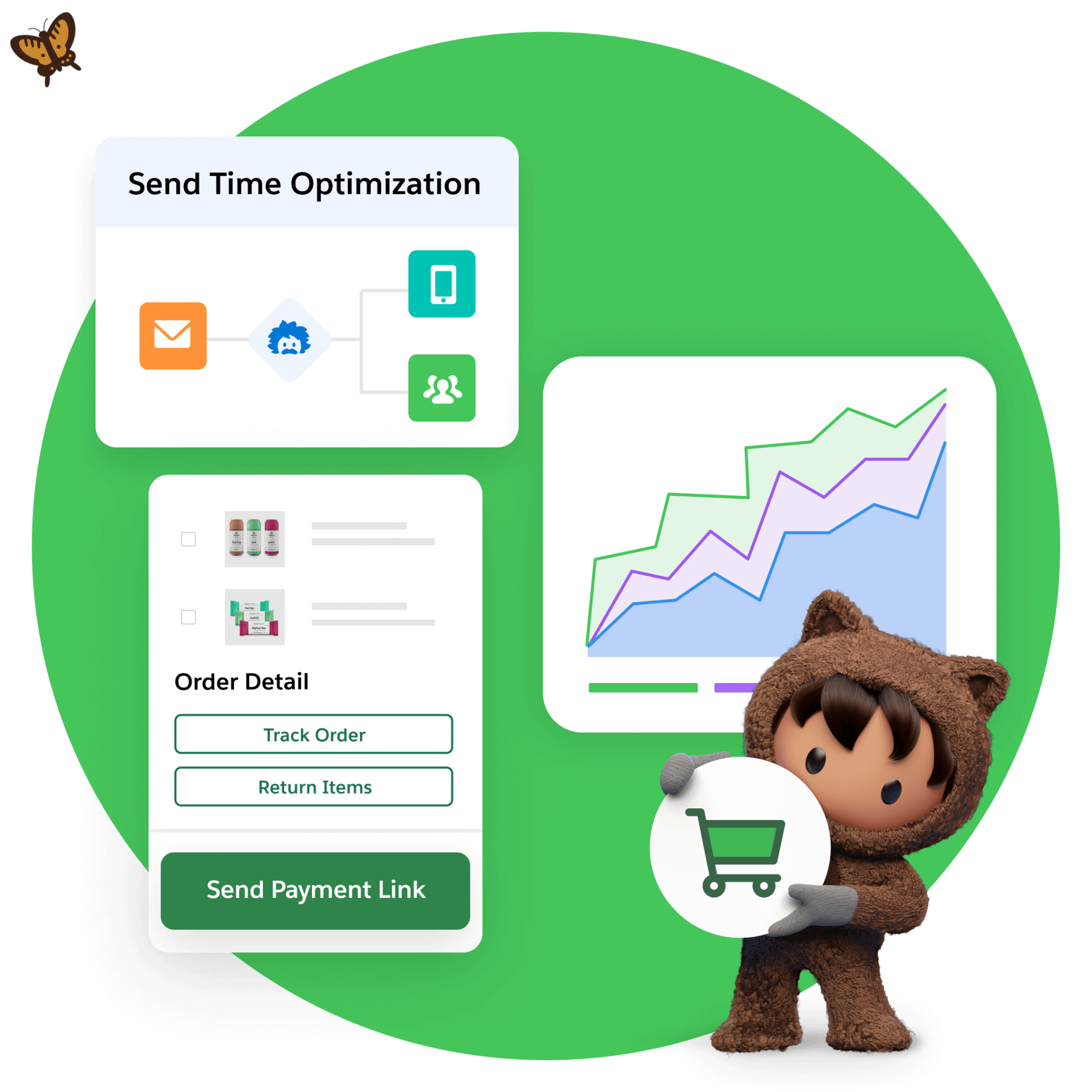
Every startup needs a reliable list of data points to monitor on a weekly basis. By keeping a close eye on these specific numbers, you can ensure your commerce strategy stays on the right path. These core metrics allow you to see exactly where your money is going and how effectively it’s bringing in new revenue.
The average order value shows the average amount a customer spends when they check out.
Action: Use your CRM’s sales dashboard to track average transaction size across all orders. Integrate your ecommerce data with a CRM to calculate AOV in real-time, allowing you to quickly spot trends for upselling and cross-selling.
Cart abandonment rate helps you see how many people leave your shop without finishing their purchase.
Action: Most ecommerce platforms offer built-in analytics to track this. Integrate this data with your CRM tool to automatically trigger personalized follow-up emails to customers who left items behind, often including a time-sensitive discount.
The churn rate is the quantity at which customers stop doing business with you.
Action: Track customer inactivity or cancellation of subscriptions within your CRM. Set up automated alerts to notify your service team when a customer shows signs of “churn risk” (like lack of repeat purchases or low engagement) so they can proactively reach out.
A click-through rate (CTR) measures how many people take action after reading your content.
Action: Use integrated marketing tools (like those in a CRM suite) to track clicks on calls-to-action (CTAs) within commerce emails, ads, and blog posts. This data should be linked to the customer’s profile to see which content drives them toward a purchase.

The conversation rate is the percentage of website visitors who complete a purchase with you.
Action: A CRM dedicated to commerce allows you to segment converted customers for targeted follow-up, identifying which marketing sources lead to the highest-quality conversions.
The customer acquisition cost (CAC) tells you how much you spend to get one new person to purchase.
Action: Tally all marketing and sales expenses (ads, salaries, software subscriptions) and divide them by the number of new customers added to your CRM over the same period. Many advanced CRM platforms offer reports that automate this calculation.
The customer lifetime value (CLV) is the total revenue a business can expect from a single account.
Action: Use your CRM’s reporting features to calculate CLV by taking the total revenue from a customer and factoring in their cost to acquire. High CLV customers can then be targeted with special service or loyalty programs, which you manage directly through the CRM.
Email open rates (pretty obvious here) calculate how many people are interested in your latest news by opening your emails.
Action: Email marketing tools integrated with your CRM track EOR immediately. Use this insight to test subject lines and email content, and automatically update a customer’s engagement based on whether they open your emails.
The repeat purchase rate is the percentage of your customer base that has made more than one purchase.
Action: Calculate this metric using a CRM’s commerce reporting by dividing the number of returning customers by the total number of customers. The CRM helps identify these repeat buyers so you can automate exclusive loyalty rewards or personalized product recommendations.
Tracking social media engagement is how often people interact with your brand’s feeds online.
Action: Use a social media management tool to track likes, shares, and comments. This data feeds into the customer’s profile in the CRM, helping your sales team prioritize warm leads who have already shown interest in your brand.
No credit card required. No software to install.
As your business grows, you’ll need tools that can handle more data without slowing you down. Integrating your metrics with your broader portfolio of tools ensures that every team has the insights they need. This means your marketing team knows which products are trending and your sales team knows which leads are the warmest.
Small teams often struggle with manual data entry, which is why artificial intelligence (AI) is becoming a standard tool for CRM users. These smart tools can flag patterns in your ecommerce metrics that a human might miss. For example, AI can predict when a customer is likely to make their next purchase based on their past behavior or previous service interactions.
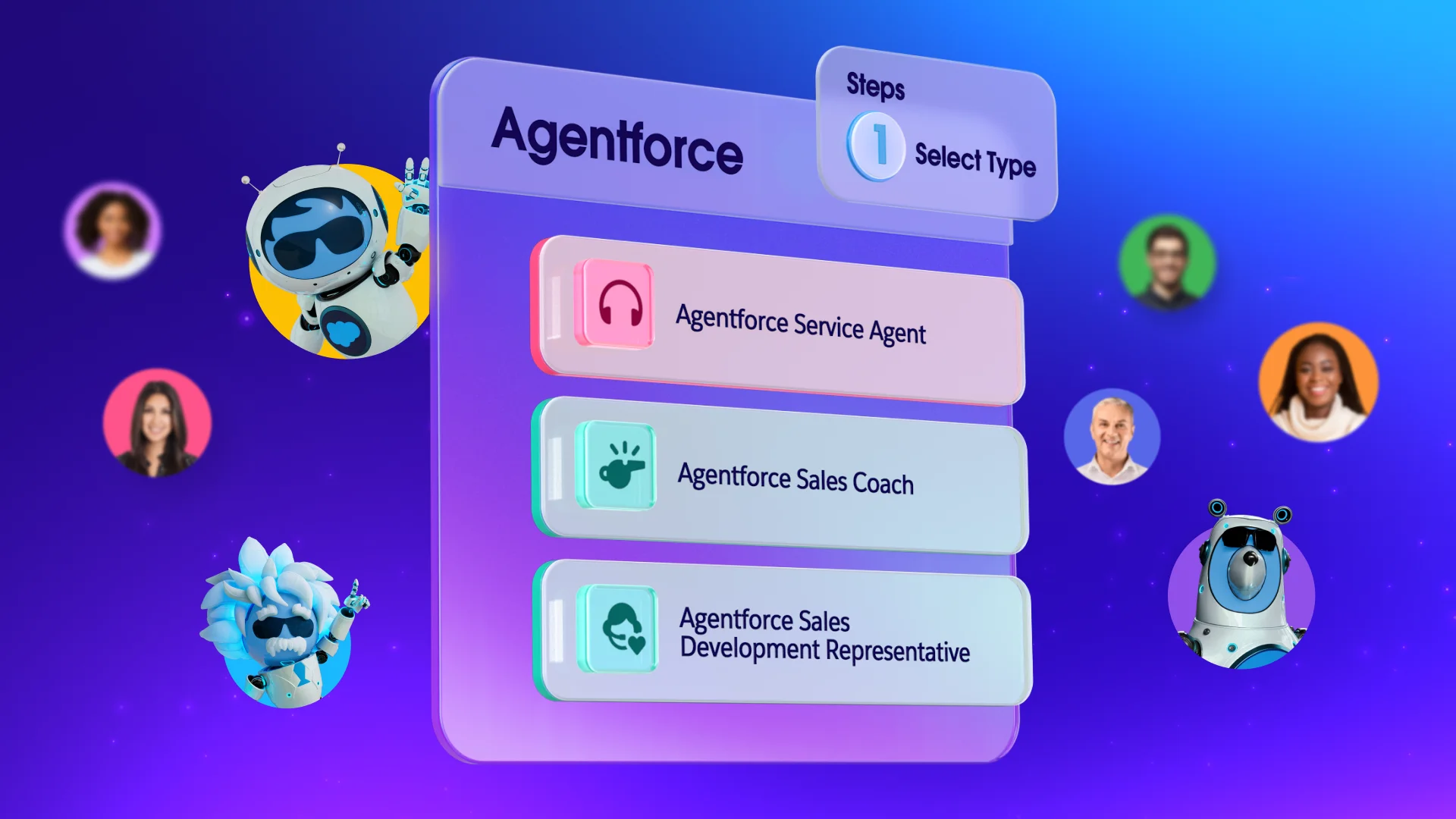
Modern businesses are now using Agentforce 360 to handle routine tasks and provide instant support to shoppers. These autonomous agents can answer questions about shipping, product availability, and returns, leaving your team free to focus on bigger projects. By using Agentforce, you can provide 24/7 service that feels personal and efficient for every shopper.
When it comes to your ecommerce shop, the numbers will always be foundational for a better future. Whether you’re just starting or looking to expand, ecommerce metrics for your small business are the best guide to long term success.
Start your ecommerce journey with Saleforce Suites today. Already a Salesforce customer? Activate Foundations to try out Agentforce 360 today.
AI supported the writers and editors who created this article.
What are the most important ecommerce metrics for a small business?
The most important ecommerce metrics include your conversion rate, average order value, and customer lifetime value. These numbers give you a clear picture of how much revenue you’re generating and how much each customer is worth over time.
How do I calculate my customer acquisition cost?
To find your CAC, divide your total marketing and sales costs by the number of new customers you gained during a specific period. This helps you understand if your spending is sustainable or if you need to find cheaper ways to find new leads.
Why is my cart abandonment rate so high?
High cart abandonment often happens because of unexpected shipping costs, a complicated checkout process, or a lack of guest checkout options. Small teams should review their checkout flow to ensure it’s as simple and fast as possible for every visitor. Monitoring this metric helps you identify exactly where shoppers are dropping off.
Can AI help me track my ecommerce metrics?
Yes, modern tools use smart technology to automatically gather and analyze your data in real time. This allows you to see trends as they happen rather than waiting for a monthly report. Automation saves your team hours of manual work and provides more accurate insights for your strategy.
How often should I check my ecommerce data?
While some metrics can be checked daily, most businesses find a weekly or monthly review more helpful for spotting long-term trends. Regular check-ins ensure you stay on top of your goals and can adjust your tactics quickly if things change. Consistency is the key to making data work for your shop.
此内容由惯性聚合(RSS阅读器)自动聚合整理,仅供阅读参考。 原文来自 — 版权归原作者所有。