


惯性聚合 高效追踪和阅读你感兴趣的博客、新闻、科技资讯
阅读原文 在惯性聚合中打开

推荐订阅源

Forbes - Security
Forbes - Security
A
Arctic Wolf
M
MIT News - Artificial intelligence
T
Threat Research - Cisco Blogs
T
The Exploit Database - CXSecurity.com
C
CERT Recently Published Vulnerability Notes
NISL@THU
NISL@THU
L
Lohrmann on Cybersecurity
Martin Fowler
Martin Fowler
A
About on SuperTechFans
P
Palo Alto Networks Blog
Project Zero
Project Zero
The GitHub Blog
The GitHub Blog
WordPress大学
WordPress大学
Blog — PlanetScale
Blog — PlanetScale
博客园_首页
大猫的无限游戏
大猫的无限游戏
Cisco Talos Blog
Cisco Talos Blog
P
Proofpoint News Feed
D
DataBreaches.Net
Cyberwarzone
Cyberwarzone
T
Tor Project blog
IT之家
IT之家
P
Proofpoint News Feed
Help Net Security
Help Net Security
S
Securelist
Threat Intelligence Blog | Flashpoint
C
CXSECURITY Database RSS Feed - CXSecurity.com
Microsoft Azure Blog
V2EX - 技术
V2EX - 技术
K
Kaspersky official blog
Hugging Face - Blog
Hugging Face - Blog
MongoDB | Blog
MongoDB | Blog
B
Blog
N
News and Events Feed by Topic
The Cloudflare Blog
S
Schneier on Security
P
Privacy & Cybersecurity Law Blog
T
The Blog of Author Tim Ferriss
Recorded Future
Recorded Future
Last Week in AI
Last Week in AI
The Last Watchdog
The Last Watchdog
Hacker News - Newest:
Hacker News - Newest: "LLM"
L
LangChain Blog
I
InfoQ
F
Full Disclosure
The Register - Security
阮一峰的网络日志
阮一峰的网络日志
H
Hacker News: Front Page
V
V2EX

Salesforce

Scale Your MRR: Subscription Management For Small Business Streamlining Commerce Media Ad Inventory Management 12 AI Sales Strategies for Startups That Actually Work Sell Smarter: Ecommerce Metrics To Track For Your Small Business Shop Apply the Orchestration Density Framework to Your Next Automation Decision Wait, Black Friday Planning In Spring? It’s Time to Start Holiday Promotions AI-First Operations, One Process at a Time How BCU Is Transforming Banking Service with Agentforce Salesforce Headless 360: What the Agent Consumer Means for Your Integration Architecture Meet Customers Where They Are: Agentforce Contact Center Now Offers WhatsApp Voice 11 Free Lead Generation Tips for Small and Growing Businesses SFR-VibeTrain: The Agent That Trains Agents Why Technical Accuracy is the Wrong Metric for Agent Success Strengthening Salesforce Security Against AI-Driven Threats Join Us in the Community Hub at Connections 2026 The Best Way To Build AI Agents That Customers Trust 5 Ways AI is Changing the Communication Game For Startups Trust in the Era of Agents: Highlights from the 2nd Annual Trusted AI Impact Report You Can Be an Agentic Enterprise No Matter What Size Business How to Make Your Email Marketing Accessible for Everyone What is Headless? Don’t Lose Your Head, SMBs: It’s a Good Thing Architect the Future UI: Slack as Your Agentic Surface Point of Sale Innovations to Modernize the Shopper Experience Governing the Agentic Enterprise at Scale with MuleSoft Omni Gateway How to Cut Service Time with Case Routing Automation 5 Tips for Marketers to Get Started with Salesforce Flow No One is Vibe Coding Trade Promotion Management 7th Edition State of Sales Report: 3 Growth Trends for Startups and SMBs How the Architect Vista Brought Architectural Thinking to Life at TDX 2026 5 Steps to Develop an Architect Mindset With AI Why AI Isn’t Replacing Developers, It’s Empowering Them 10 Ways to Make Your AI Agent a Better Communicator AI in Design 2025: What Real Use Taught Us. How Salesforce Personalization Learns Which Offers Drive Revenue The 4-Step Guide to Salesforce Agent and Application Development Get Ready for Connections 2026: Top Sessions and New Reveals 8 Ways AI Agents Are Evolving in 2026 4 Principles to Make the Right Salesforce UI Decisions Apprentice Journey Shines a Light on Talent Pathways at Salesforce Agent Script: The Control Plane for Agentic Decisions Scaling the Agentforce Life Sciences Ecosystem to Drive the Future of Pharma and MedTech Unlocking Unstructured Data: Building AI-Powered Support Triage with Data 360 Asking For a Friend: What Are Rich Communication Services (RCS)? 5 Slack Shortcuts For Small Teams 195% ROI In Field Service? Here’s How They Did It Submit Your Architect Session: The Dreamforce 2026 Call for Participation Is Open What Is an AI Assistant for Small Business? B2C Commerce April release: Transforming the B2C developer experience with agents Meet Your 24/7 Prospecting Partner — And 5 More Stand-Out Features In Our April Release 11+ Small Business YouTube Channels You Need to Follow Today Stop Treating Disputes Management Like IT Tickets Limitless Service: A New Operating Model for Growth in the Agentic Era What is Transactional Reconciliation in Email and SMS Marketing? How to Prepare for National Small Business Week (2026) How to Design a High-Scale Multi-Cloud Incident Journey 10 Ways An AI CRM Can Amplify Your Startup Vibe Code Better Agents with Agentforce Free vs. Paid CRM: Which is Right for Your Business? Salesforce Customer Success Awards 2026: Lead Era of the Agentic Enterprise 12 Free Webinars for Small Business Owners (2026) The Agentforce Life Sciences Consultant Certification Maximize Growth: The Power of Partnerships for SMBs Salesforce AI Research at ICLR 2026 Data Protection For Small Business: How To Safeguard Yourself Beyond 100K Tokens: Evaluating AI Agents in Long-Context Software Engineering Top 32 Small Business Tools To Try Today 6 New Innovations Redefining Salesforce Development How to Win the Battle for Attention in the Agentic Email Inbox Mastering the Eisenhower Matrix: Prioritize Like a Pro 10 Signs It’s Time To Upgrade Your CRM and How To Get Started (2026) Celebrating 10 Years of Financial Services Innovation How SMBs Can Gain An Edge With Agentic AI: Key Trends From Our Marketing Report How MAN Truck & Bus is Shaping the Future of Sales with Salesfive Introducing the Future of Salesforce Data Protection: Backup & Recover Next Stop Making AI Slop – Build a Foundation for Authentic AI Content 5 Tips to Help Marketers Navigate AI Email Summaries Data Sharing: Is it Safe? Is it Secure? Everything You Need to Know Small Business Week Readiness: 4 Things to Do Before May (2026) How Salesforce Employees Make an Impact During Earth Month AI Agents Are Advancing Rapidly… Is Your Testing Strategy Keeping Up? What Is Microproductivity and Why Is It Helping So Many Teams? TDX 2026 Roundup: Agentforce Edition 3 Ways Salesforce Connections Has Boosted My Career AI Agents Don’t Just Answer‌ — ‌They Act. Do You Have a Governance Strategy? The Future of MedTech Field Execution is Agentic 5 Steps to Prepare Your Data For an AI CRM From Break/Fix to Profit Engine: Aftermarket Service for Robot OEMs Building Trusted Human-Agent Collaboration: A Practical Framework ISV Strategy for the Salesforce Summer ’26 Release 5 Email Marketing Tips for Small Business Commerce Shops Should You Give Your AI Agent a Human Name? Creating Pathways into AI for People with Disabilities The Organized Chaos of Upfronts: 3 Hurdles Impacting Your Yield Trying to Scale Beyond ‘One-Off’ AI Tasks? You’re Probably Using the Wrong Interface What is Cost Per Lead (CPL)? The Case for Unified CCaaS and CRM — And Why the Data Makes It Clear In the New Era of AI, You Need to Win Over Both Humans and Agents What Is SPIN Selling? A Way to Build Trust With Your Customers G2 Crowns Salesforce as Best Financial Services Software Hidden Insights: The Guide to Tableau For Small Business Owners
Lead Your Team Asynchronously: Best Practices For Remote Management
Jenn Sei · 2026-05-19 · via Salesforce

Leading a team remotely when you aren’t in the same room can feel like trying to solve a puzzle with missing pieces. For a small and medium business (SMB) owner, managing a distributed workforce can bring up concerns about staying connected and ensuring work actually gets done. You might worry that without seeing your team at their desks, you’re losing the pulse of your daily operations — but that isn’t the case anymore.

Remote management doesn’t mean you have to be glued to a video call all day. It’s about creating a culture where information flows freely and everyone knows their role without needing constant supervision. By using the right platform, you can keep your sales and marketing efforts aligned regardless of where your employees are located.

Establish a trusting and positive remote culture

Effective remote management starts with trust and a shift in how you measure success. Instead of watching the clock, small businesses should focus on milestones and deliverables that help the company grow. This approach allows your teams to work during their most productive hours while still meeting the needs of your customers.

To make this work, you need a central place where all customer interactions are recorded so no one is left in the dark. Connecting a unified customer relationship management (CRM) tool to a smart collaboration hub like Slack, ensures that a remote team member in one time zone knows exactly what happened with a client in another. This visibility is the backbone of a successful remote management strategy for growing startups. Let’s dig into how Slack and CRM work together. 

Centralize communication with Slack

For a busy startup, remote management is much easier when your technology does the heavy lifting for you. By connecting your digital headquarters to your business data, you allow your team to close deals and resolve cases without switching between dozens of tabs. When your tools talk to each other, you spend less time asking for updates and more time making strategic decisions.

  • Create dedicated channels. Organize conversations by project, department, or client to keep information searchable.
  • Use clips and huddles. Replace long meetings with quick audio or video updates that people can watch on their own time.
  • Connect your tools. Bring notifications from your sales and service apps directly into your chat workspace.

Simplify remote sales and service

Integrating your sales and service functions into one platform allows for a seamless flow of information. This means your service reps can see the latest deals the sales team is working on, providing a better experience for the customer. Using Slack for sales helps maintain this remote management flow without requiring a manager to manually pass off every lead or case. Here are a few ways you can simplify your remote sales processes with Slack:

  • Real-time alerts: Get notified the moment a hot lead fills out a form or a high-priority case is opened.
  • Collaborative selling: Loop in experts from marketing or legal into a sales channel to speed up contract reviews.
  • Instant visibility: Use Slack commands to pull customer records directly into your conversation for quick context.
  • Knowledge base: Build a library of answers in a self-service portal that both sales reps and customers can use.
  • Case tracking: Use a system that alerts you if a customer has been waiting too long for an answer.

Slack is where business gets done.

Bring your team, your customers, and your tools together to take your business to the next level with Slack — where business gets done.

Communication habits for asynchronous team success

Good communication in a virtual office is about quality over quantity. Instead of a dozen quick chats that disrupt the flow of work, try to use organized channels where conversations stay threaded and searchable. This helps teams quickly communicate and new hires to catch up on project history without needing lengthy meetings.

Setting expectations for response times is another vital part of remote management. Let your team know it’s okay to go offline to focus on deep work, as long as they update their status. This balance prevents burnout and keeps the team motivated because they feel empowered to manage their own schedules.

Effective check-ins

  • Weekly huddles: Schedule a quick Slack huddle, staying focused on removing blockers for the week ahead.
  • Asynchronous updates: Use a shared Canvas where everyone lists their wins and hurdles.
  • Virtual watercoolers: Create an automated reminder or space for social talk to keep the company culture alive.

The role of data in remote management

When you can’t walk over to someone’s desk to ask for a report, having real — time data becomes your best friend. Dashboards that track key performance indicators give you a bird’s — eye view of how you’re performing. 

Using CRM and Slack integrated analytics within your sales and marketing tools helps you see where leads are dropping off or which service reps need more support. This proactive approach allows you to step in and help exactly when it is needed. Reliable data is the glue that keeps a distributed remote plan together as you scale.

Train your team wherever you are in the world

Growth doesn’t stop just because your team isn’t in a physical office. Look for ways to offer digital learning and career development to keep your best talent engaged. Providing access to online training modules allows your team to gain new skills at their own pace, which benefits the entire business. Here are a few ways you can do that:

  • Skill badges: Encourage team members to earn certifications in the tools they use daily.
  • Peer reviews: Set up a system where teammates can give each other constructive feedback.
  • Career paths: Map out how a junior employee can move up within your growing business.

Adapt your remote sales strategy 

Selling in a digital world requires a different set of skills than traditional face-to-face interactions. Your sales team needs to be proficient in virtual presentations and digital social selling to reach modern buyers. You can, and should, provide the coaching and resources they need to close deals from anywhere.

Equipping your sales force (see what we did there?) with mobile tools ensures they can update records or send quotes while they’re on the move. This flexibility is a huge advantage for those that want to move fast and stay ahead of larger competitors. With a strong remote management framework, your sales reach is no longer limited by your physical location. Sell more with mobile accessibility within your CRM and Slack: 

  • Mobile apps: Ensure your team can access customer data on their phones.
  • Video conferencing: Use high — quality video tools for personal sales pitches.
  • Digital signatures: Speed up the closing process with electronic contracts.

Staying secure while managing remotely

Security is a top priority when your team is accessing sensitive company data from various locations. Implementing strong password policies and multi-factor authentication (MFA) helps protect your business from potential threats. Part of remote management is educating your team on how to recognize phishing attempts and secure their home networks.

Using cloud-based platforms ensures that your data is backed up and protected by professional-grade security measures. This gives you peace of mind knowing that your information is safe even if a laptop is lost or stolen. Proper remote management includes making sure every team member understands their role in keeping digital assets secure. Here are some security best practices: 

  • Regular audits: Check who has access to your systems and remove those who no longer need it.
  • Encryption: Use tools that encrypt data both at rest and in transit.
  • Secure connections: Require the use of a virtual private network when accessing public WiFi.

Activate AI for your WFA team

Implementing artificial intelligence (AI) can help automate repetitive tasks like data entry or scheduling, which frees up your team to focus on building relationships. As you scale, these smart tools provide the support needed to handle a higher volume of work without increasing your headcount. This global reach is a powerful way for remote management that helps you stay competitive. 

Now, AI is built into Slack and CRM, even for small businesses. Salesforce Suites offer embedded AI, employee agents, and smart tools to collaborate and connect with teams all over the world. It’s amazing how AI is assisting growing organizations all over the world to become enterprise leaders. 
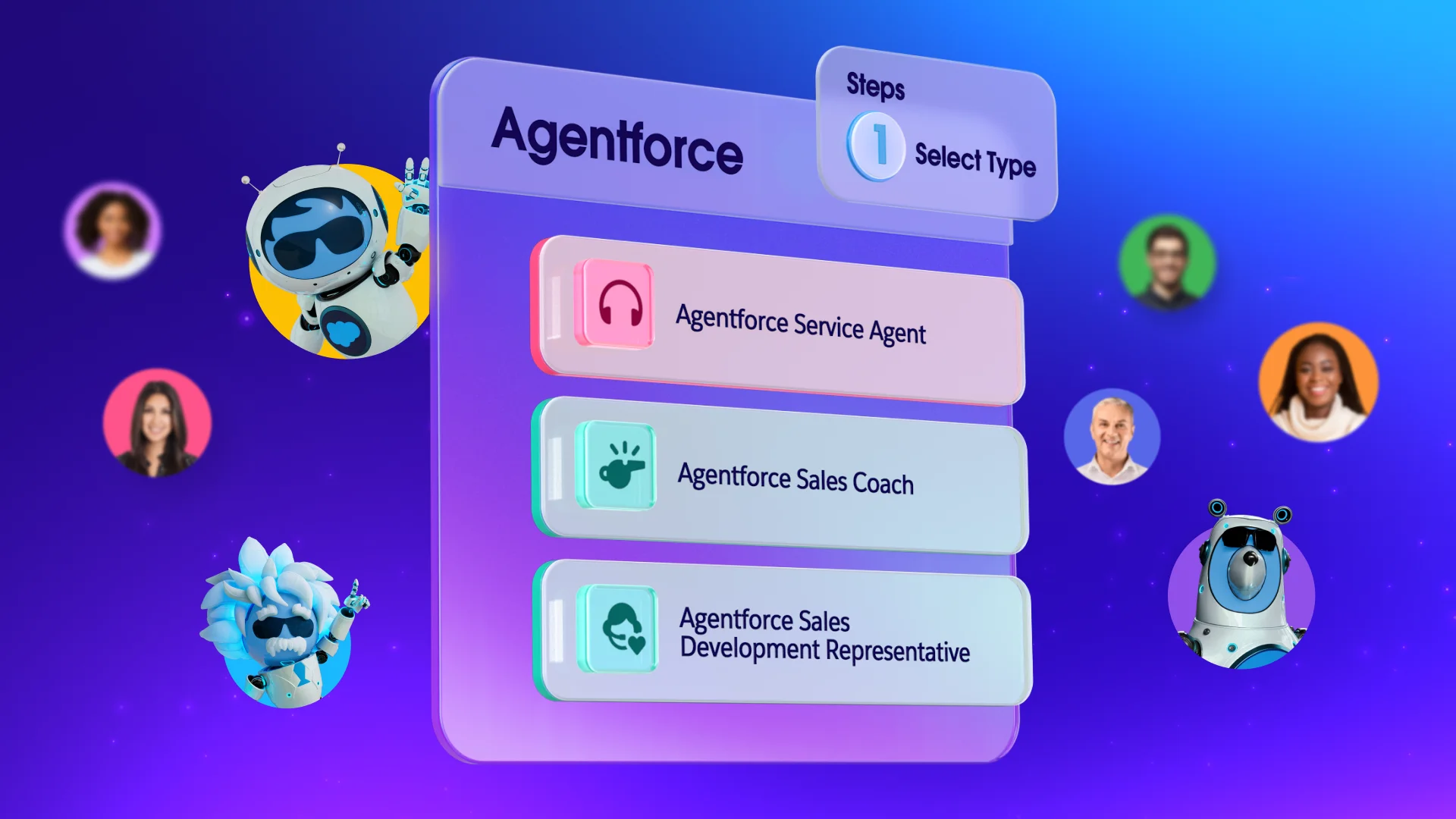
Agentforce 360

Future-proof your asynchronous team

Looking toward the future, incorporating advanced tools like Agentforce 360 can help your team handle complex tasks with the help of digital assistants. By staying curious and open to new technology, you can ensure your business remains a place where people want to work. The best practices of remote management are about valuing work-life balance. Ultimately, successful leadership is about creating a thriving environment where everyone can do their best work.

Start your remote management journey with Starter Suite today. Activate Foundations to try out Agentforce 360 today.

AI supported the writers and editors who created this article.

Get Slack for Small Business.

Growing teams can take business to the next level.

What is the biggest challenge of remote management for a small business?
The most common hurdle is maintaining clear communication and team cohesion without a shared physical space. You can overcome this by setting clear expectations and using a centralized platform for collaboration to keep everyone aligned.

How do I track employee productivity without micromanaging?
Focus on outcomes and specific goals rather than the number of hours someone is online. Using dashboards within your systems allows you to see progress without hovering.

Which tools are essential for managing a distributed startup?
At a minimum, you need a shared communication tool like Slack, a project management system, and a unified platform for customer data. These tools ensure that every team member has the information they need to be successful.

Can asynchronous work really be as effective as real — time collaboration?
Yes, it often leads to deeper focus and more thoughtful responses because employees aren’t constantly interrupted by meetings. It requires a commitment to thorough documentation and clear deadlines to keep projects moving forward.

How do I maintain company culture in a virtual environment?
Make time for non-work interactions through virtual social hours or dedicated channels for hobbies. Recognizing team wins publicly and celebrating milestones also helps build a sense of belonging among remote teams.