


Artificial intelligence (AI) is reshaping industries, redefining job requirements, and accelerating the pace of innovation. As it continues transforming the workforce, one question becomes increasingly important: How do we ensure everyone has the opportunity to build this future?
Salesforce is proud to announce a new AI training curriculum in partnership with Workforce Navigators — which supports and enables programs for training professionals with disabilities in Salesforce skills — and the Center for Independent Living (CIL). Together, we’re investing in the talent, innovation, and leadership of people with disabilities — ensuring they’re not only prepared for the AI economy, but positioned to thrive within it.
“AI is becoming part of how we all work,” says Lucia Rios, Workforce Navigators Senior Analyst. “Even understanding the basics can put job seekers at a real competitive advantage. We want to make sure people who may not otherwise have access to this information have the opportunity to become experts.”
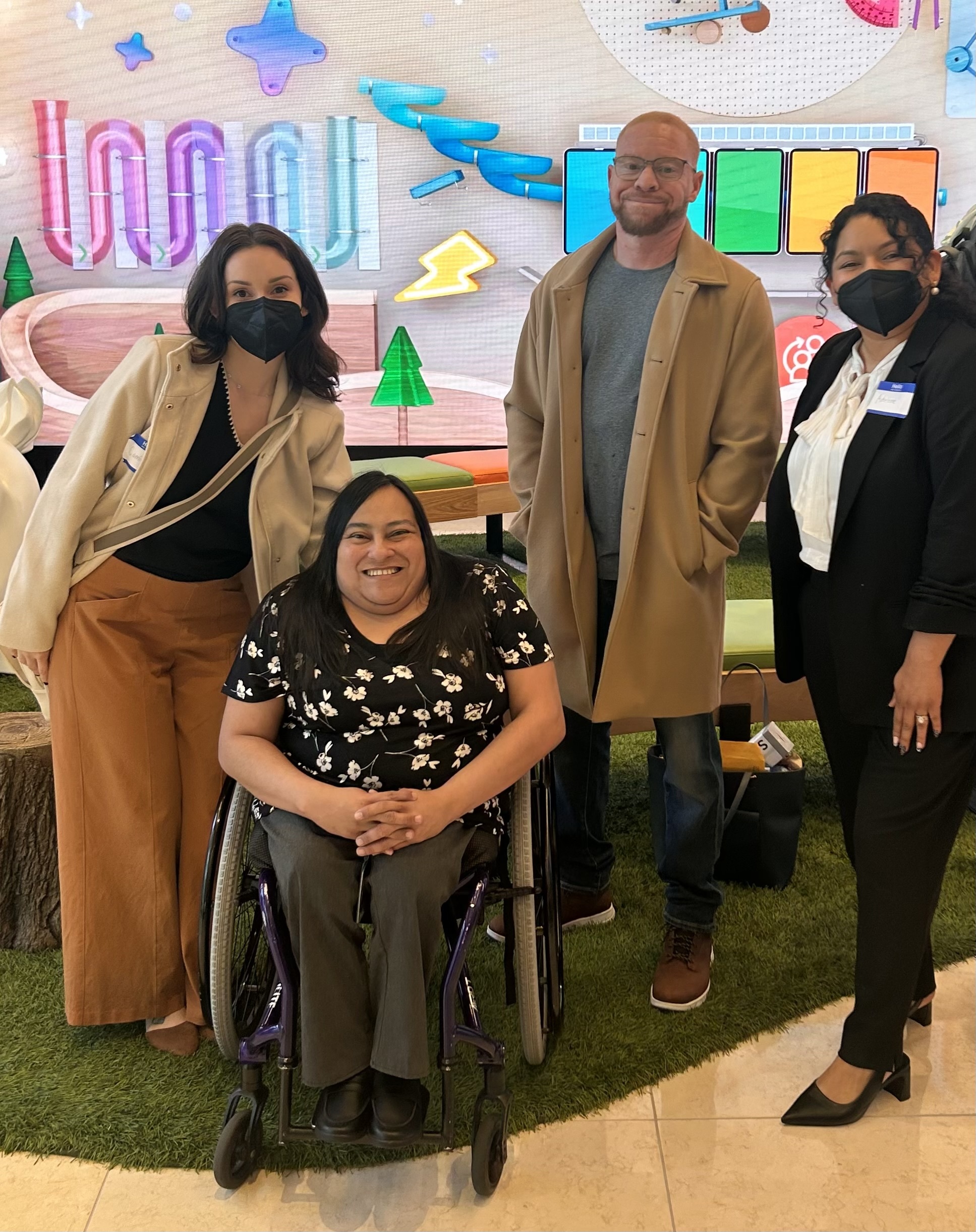
This program represents a powerful opportunity to broaden participation in emerging technology — and to bring diverse perspectives into shaping how AI is used and built.
“The biggest challenge is just getting seats at the table,” says Camiel Hayes, Youth and Vocational Program Manager.
“It’s already a competitive market — and that makes existing gaps even wider. It’s critical that our community isn’t left behind or treated as an afterthought,” Hayes explains.
“We want to be included in how these tools are built and applied — not just expected to adapt to them.”
Camiel adds that people with disabilities bring a powerful lens to AI innovation, often developing creative solutions to navigate a world that isn’t always designed with them in mind—insights that can lead to use cases that benefit everyone.
From captions to curb cuts to voice-to-text tools, many widely adopted technologies originated from accessibility-driven design. Including people with disabilities’ perspectives during AI development continues that legacy of innovation—strengthening technology for everyone.
“It would be a failure not to amplify disability voices in emerging technology,” Hayes says. “The disability community is innovative and resilient — so many mainstream innovations began as accessibility tools.”
That commitment to inclusion doesn’t stop at partnership. It also starts internally. At Salesforce, accessibility isn’t a side initiative. It’s a shared responsibility that shapes how technology is built and deployed.
“This critical work starts in our own house,” says Catherine Nichols, Chief Accessibility Officer at Salesforce. “By embedding accessibility into everything we do — including how we build and deploy AI — we’re creating a more inclusive workplace and a more equitable future. When people with disabilities are empowered to thrive, we unlock the full potential of innovation, belonging, and impact.”
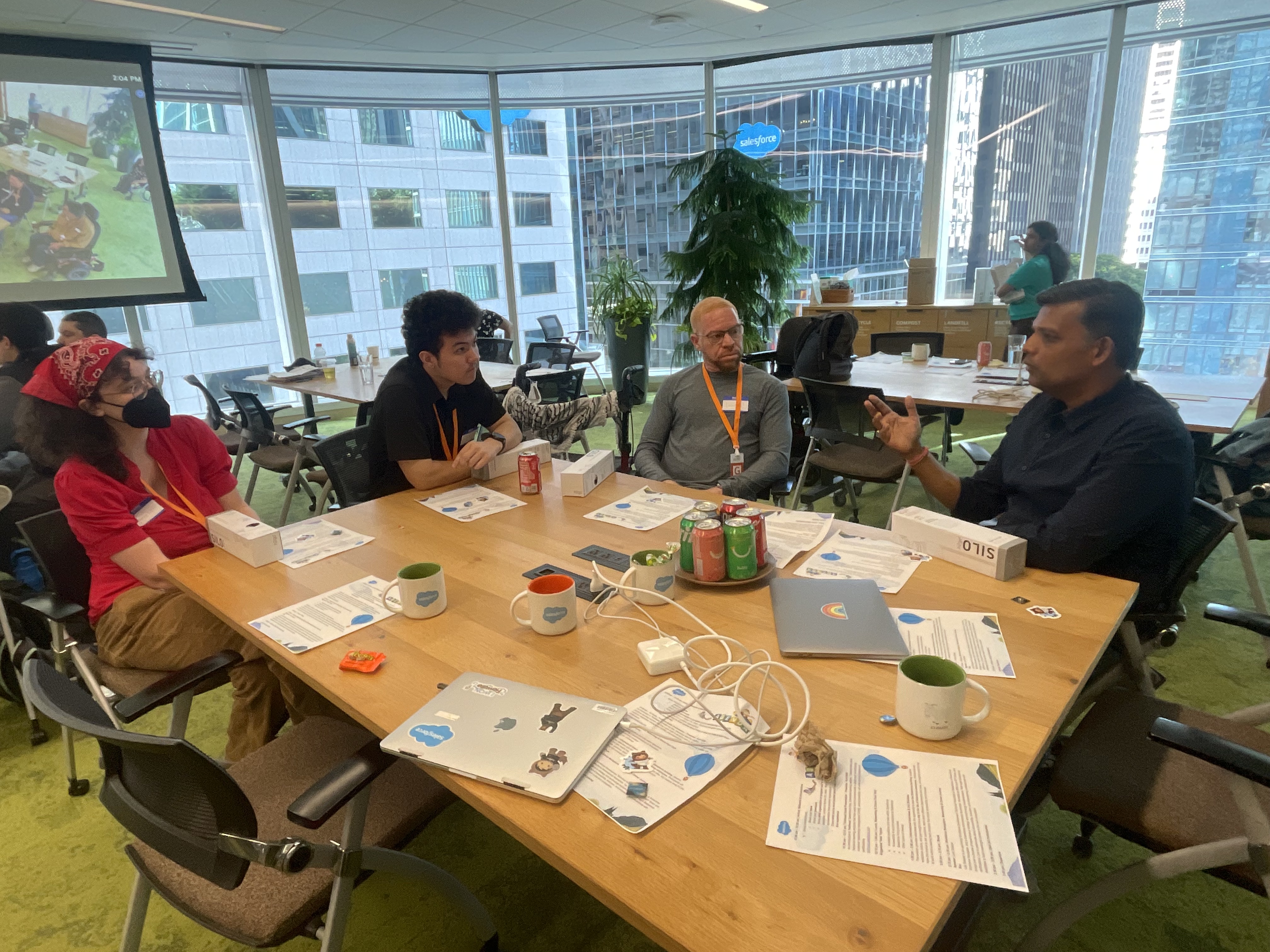
The Center for Independent Living is a community-rooted organization dedicated to advancing independence, employment, and inclusion for people with disabilities. In recent years, interest in career development and upskilling has grown significantly.
“In the past year and a half alone, the number of professionals with disabilities seeking employment support has tripled or quadrupled,” Hayes shares. “The need is significant.”
That growth reflects ambition and drive. Individuals are eager to build skills, pursue certifications, and participate in high-growth fields like AI. Rios emphasizes that this pilot is designed as a launchpad.
“The goal is to introduce participants to what Salesforce is, the different careers in the ecosystem, and how AI fits into that,” Rios explains. “By working with a mentor and receiving weekly cohort support, they’ll work toward earning Agentblazer Champion status, which is a designation for professionals who’ve gained key foundational knowledge about AI and Agentforce concepts. By the end of the program, they’ll have hands-on experience and something tangible to show for it.”
The new AI training initiative offers participants:
Participants work toward earning Agentblazer Champion status while building practical knowledge of how AI is used in real-world workflows.
“We’re not just helping them learn the tools,” Rios says. “We’re helping them understand how to talk about those skills and make them marketable as they search for employment.”
After completing the program, participants can pursue additional Salesforce certifications, such as Associate or Administrator credentials, creating a clear pathway forward with accessibility embedded from the start.
“There is no one-size-fits-all approach in the disability community,” Hayes explains. “Accessibility will look different depending on individual needs.”
To support that individualized approach, mentors begin with dedicated onboarding that centers disability justice principles and builds cross-disability competency. Participants are then intentionally matched based on learning styles, career interests, and goals. The result is an experience that is not only accessible, but empowering.
“The possibilities feel endless,” Hayes says. “When talent is seen, heard, and supported, everyone benefits.”

The program launches this spring as a pilot, with strong early interest from community members eager to build AI skills in an accessible, equitable learning environment.
“This is just the beginning,” Rios says. “We’re excited to learn alongside participants and see how it evolves.”
Through this partnership, Salesforce and Centers for Independent Living are investing in talent, expanding opportunity, and helping ensure that people with disabilities are not just included in the AI economy — but leading within it.
此内容由惯性聚合(RSS阅读器)自动聚合整理,仅供阅读参考。 原文来自 — 版权归原作者所有。