惯性聚合 高效追踪和阅读你感兴趣的博客、新闻、科技资讯
阅读原文 在惯性聚合中打开

推荐订阅源

freeCodeCamp Programming Tutorials: Python, JavaScript, Git & More
G
Google Developers Blog
Hugging Face - Blog
Hugging Face - Blog
博客园 - 【当耐特】
S
SegmentFault 最新的问题
宝玉的分享
宝玉的分享
博客园 - Franky
博客园_首页
钛媒体:引领未来商业与生活新知
钛媒体:引领未来商业与生活新知
WordPress大学
WordPress大学
有赞技术团队
有赞技术团队
月光博客
月光博客
博客园 - 聂微东
OSCHINA 社区最新新闻
OSCHINA 社区最新新闻
小众软件
小众软件
Microsoft Security Blog
Last Week in AI
Last Week in AI
Vercel News
Vercel News
Cyber Security Advisories - MS-ISAC
爱范儿
爱范儿
J
Java Code Geeks
博客园 - 叶小钗
Engineering at Meta
Engineering at Meta
阮一峰的网络日志
阮一峰的网络日志

Runpod Blog.

New Runpod datacenter now live: AP-IN-1 Track GPU spend across your team with Cost Centers The GPU supply supercycle is here. Here’s what AI builders need to know. Community Spotlight: One-click AI image and video generation on Runpod with SwarmUI | Runpod Blog Community Spotlight: LoRA Pilot Data Prep to Inference Introducing the Runpod Assistant: Manage Your Cloud GPU Resources with Natural Language OpenAI's Parameter Golf: Train the Best Language Model That Fits in 16MB on Runpod LLM inference optimization: techniques that actually reduce latency and cost Pruna P-Video and Vidu Q3 public endpoints now available on Runpod Runpod brand spelling guide Quickstart - Runpod Documentation The AI market looks nothing like the narrative Training StyleGAN3 with Vision-Aided GAN on Runpod KoboldAI – The Other Roleplay Front End, And Why You May Want to Use It How to Connect Cursor to LLM Pods on Runpod for Seamless AI Dev Community Spotlight: How AnonAI Scaled Its Private Chatbot Platform with Runpod Prompt Scheduling with Disco Diffusion on Runpod Runpod's Latest Innovation: Dockerless CLI for Streamlined AI Development Run Your Own AI from Your iPhone Using Runpod Introducing Flash: Run GPU workloads on Runpod Serverless: No Docker required Use Claude Code with your own model on Runpod: No Anthropic account required Avoid Errors by Selecting the Proper Resources for Your Pod What hackers built on Runpod at TreeHacks 2026 Easily Back Up and Restore Your Pod with Cloud Sync + Backblaze B2 The Complete Guide to GPU Requirements for LLM Fine-Tuning AI Guides, Tutorials & GPU Infrastructure Insights | Runpod Your first Claude Code project within Runpod: a complete setup guide 10 billion Serverless requests and counting Building for resilience: Runpod’s response to the AWS us-east-1 outage How to Connect Google Colab to Runpod
Guide to Using the Kohya_ss Template with Runpod
Madiator2011 · 2023-05-05 · via Runpod Blog.

Introduction:
In this post, we will discuss the process of utilizing the Kohya_ss template with Runpod. The Kohya_ss template is designed for desktop CUDA and supports applications like Kohya_ss. We will provide a step-by-step guide to help you get started. It is recommended to use the NVIDIA 3090/4090 GPU for optimal performance with this template.

The template can be accessed via this link: Template

Step 1: Start a Runpod Pod with TCP Connection Support
To begin, start a Pod that supports TCP connection. This is crucial for ensuring seamless communication to the desktop environment.

Step 2: Access the Desktop Environment
Once the Pod is up and running, copy the public IP address and external port from the connect page.
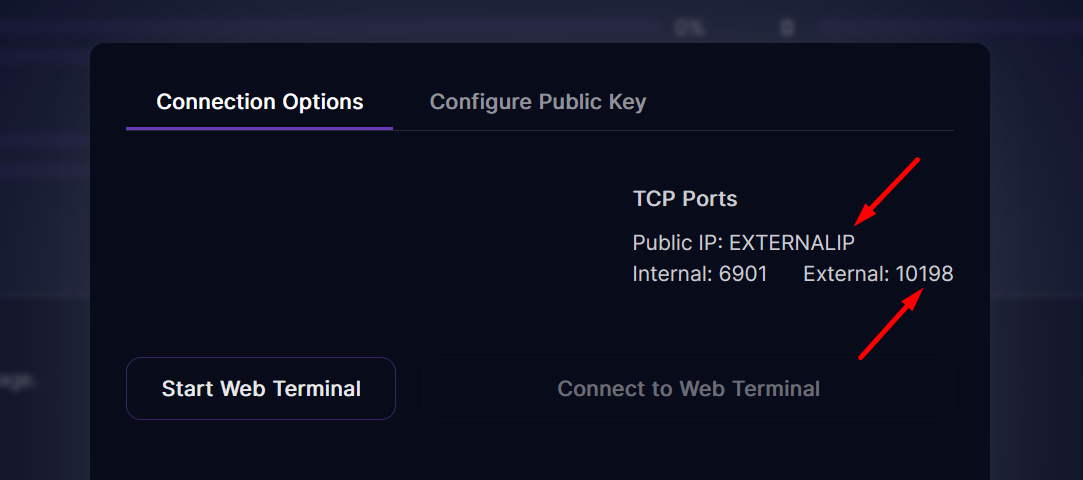
Public IP and external port

Public IP and external port

In a new browser tab, enter the following URL:

https://EXTERNALIP:EXTERNALPORT

Note: Your browser may warn you about an insecure connection. This is expected, and you can safely ignore it.
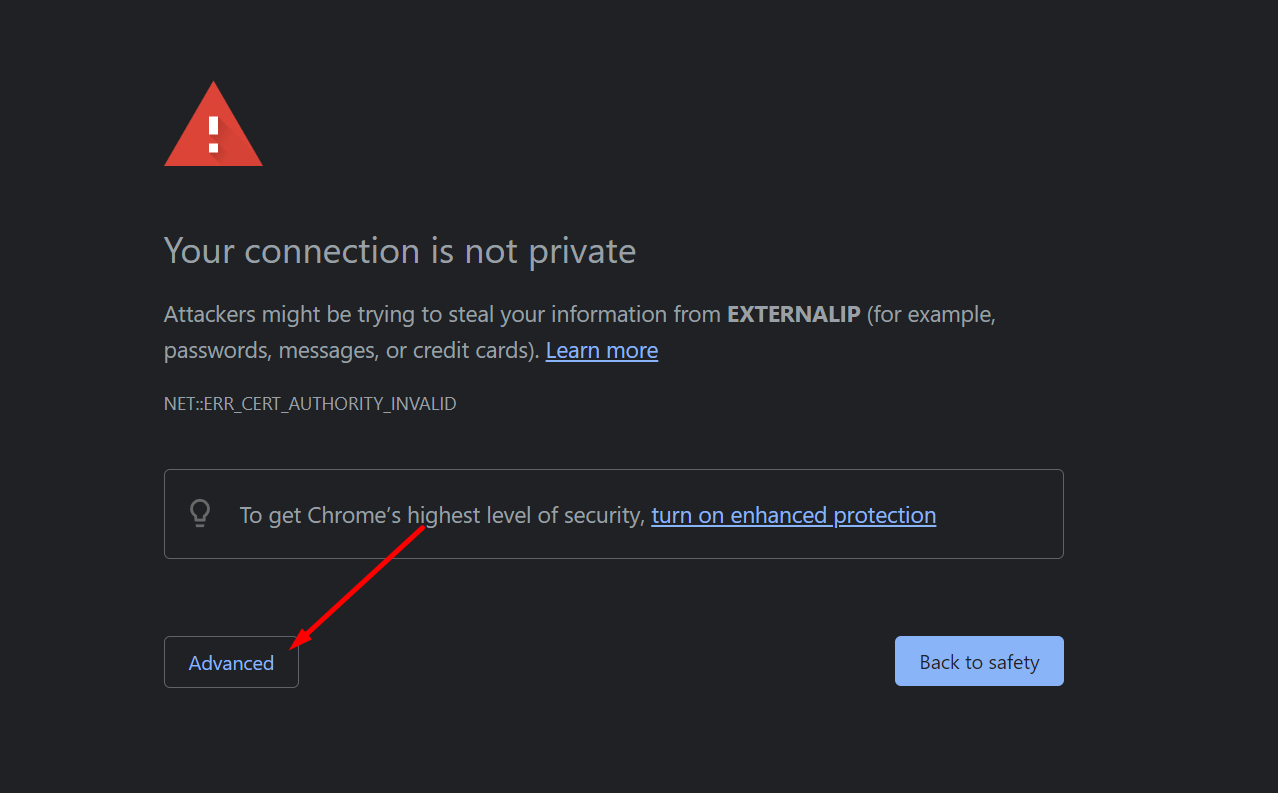
Press Advance then proceed

Press Advance then proceed

Step 3: Log in to the Desktop Environment
Use the following credentials to log in:

Username: kasm_user
Password: password
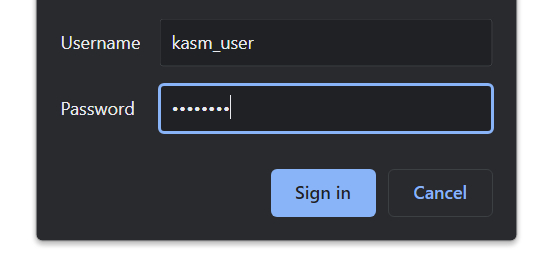
KasmVNC login window

KasmVNC login window

Step 4: Install Kohya_ss
To install Kohya_ss, follow these steps:
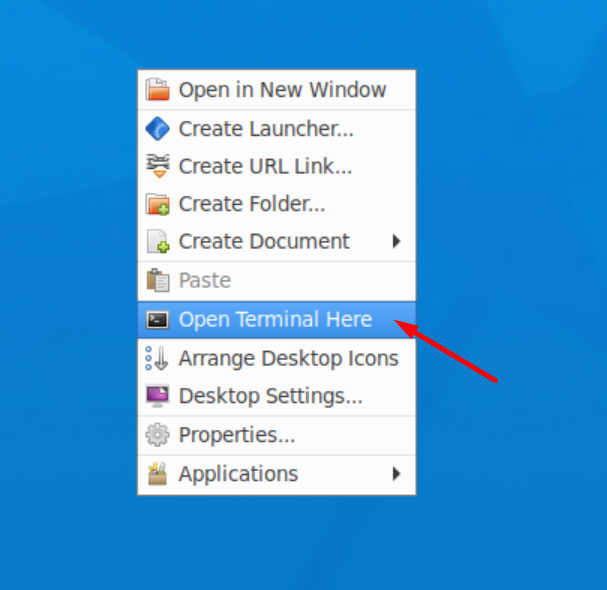
Opening terminal

Opening terminal

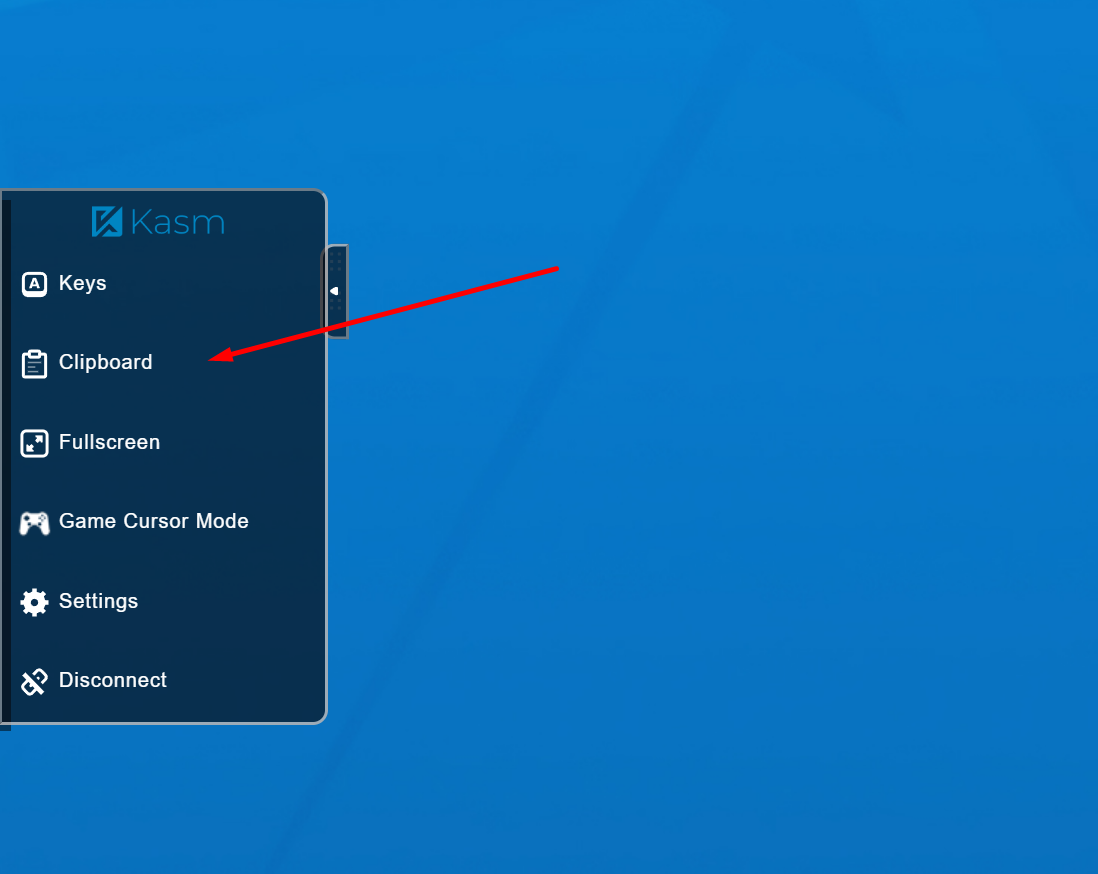
On Firefox you can copy commands using clipboard menu on Chrome it will ask for permissions

On Firefox you can copy commands using clipboard menu on Chrome it will ask for permissions

These commands will download the Kohya_ss repository, install the necessary packages, and create a run script on the desktop.
Note: This might take some time depending on internet connection. If there are some errors let Madiator2011 know on our Discord.

All packages has been installed run with ./kohya_launcher.sh

All packages has been installed run with ./kohya_launcher.sh

Step 5: Launch Kohya_ss
After the installation is complete, you can run the Kohya_ss user interface with the following command:
./kohya_launcher.sh

The command will generate a link that you can open in browser inside Kasm to access the Kohya_ss application.
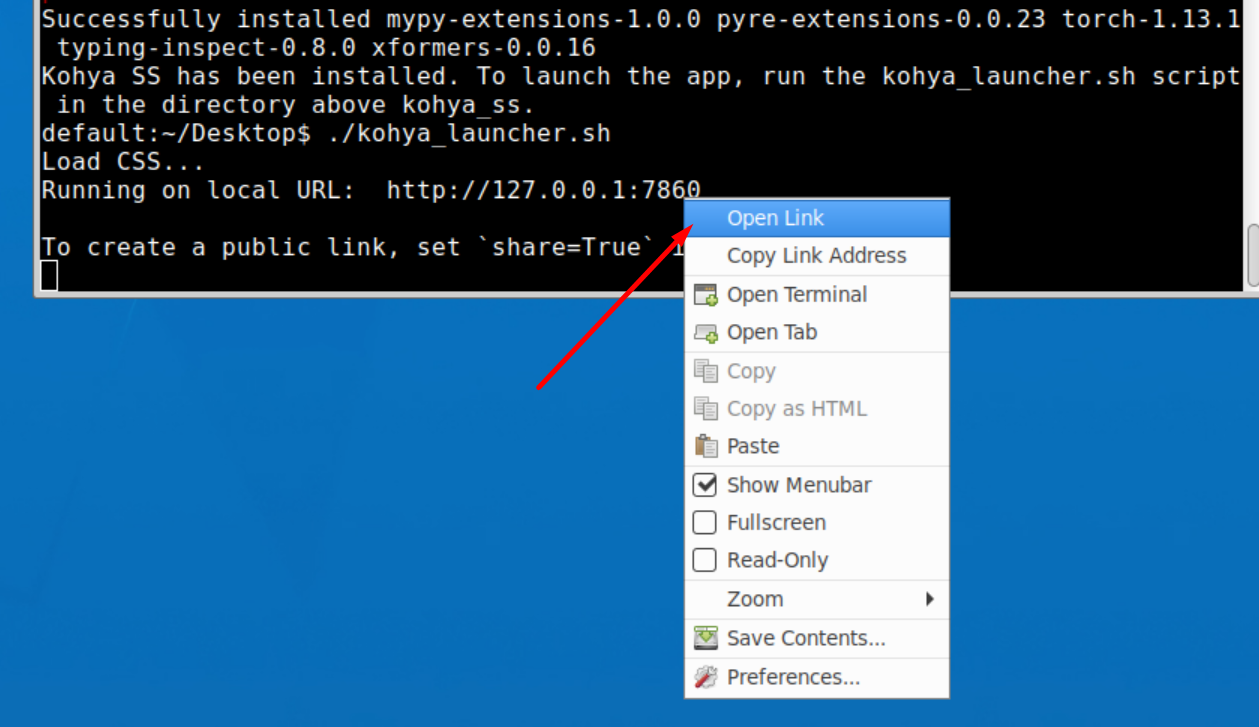
You can rigt click on link to open it in browser inside Kasm Desktop

You can rigt click on link to open it in browser inside Kasm Desktop

Congratulation you have installed Kohya_ss GUI :)
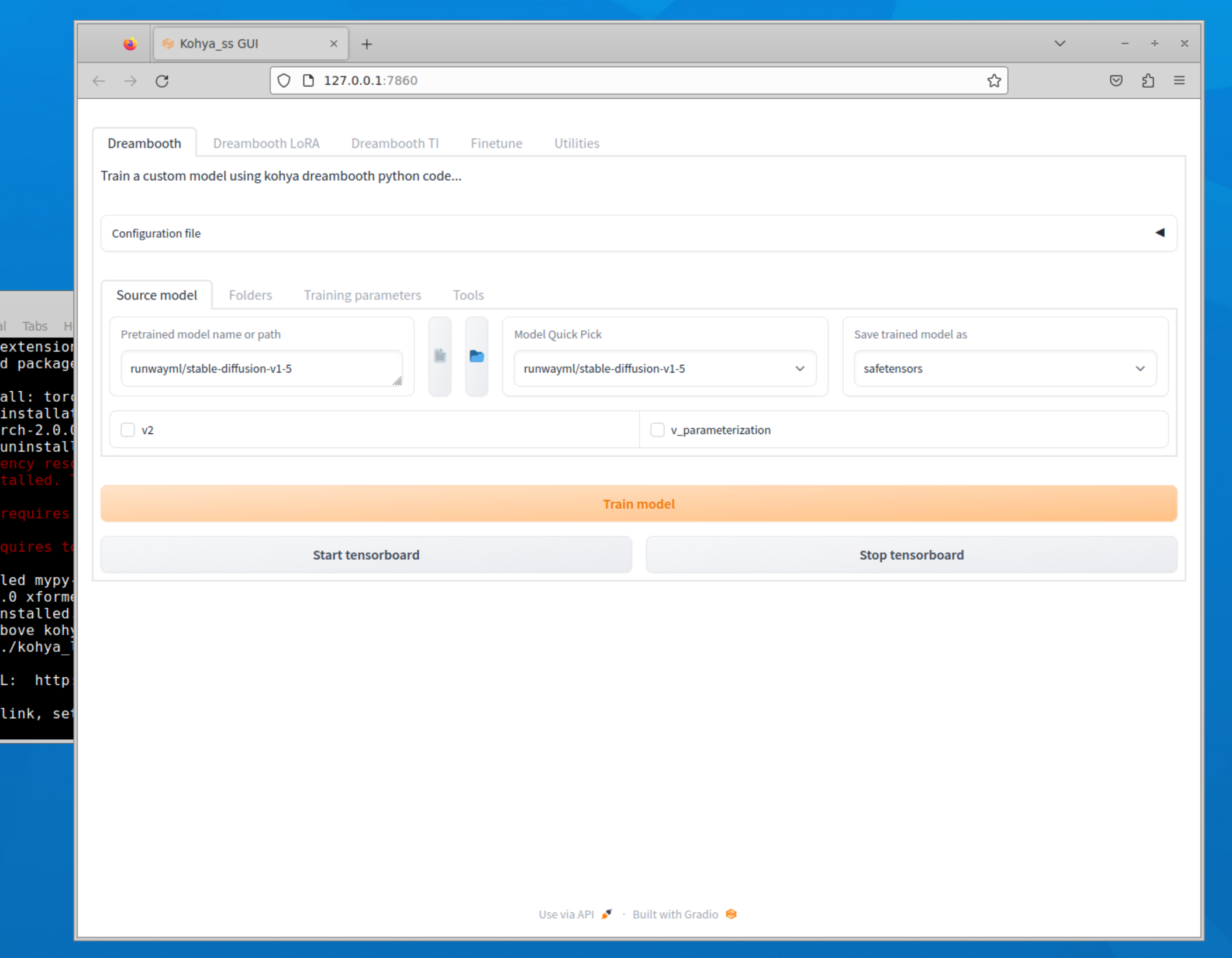
Kohya_ss GUI in a browser showing the Dreambooth tab with source model settings and Train model button

Conclusion:
In this guide, we have provided a detailed walkthrough on setup of the Kohya_ss template. By following these steps, you can easily set up and run the Kohya_ss application in a Runpod environment. This powerful combination allows you to harness the power of desktop CUDA and enjoy a seamless experience with the Kohya_ss application.

Hopefully, this blog post has given you a better understanding of how to use the Kohya_ss template. If you have any questions or need help, don't hesitate to send message on Runpod's Discord or other communities for support.

Author profile: Madiator2011