



Activist investor Bill Ackman has his sights set on Universal Music Group, and he’s launched a complex $64 billion proposal for the label behind Bad Bunny, Taylor Swift, Paul McCartney, and a long list of other superstars.
To get his hands on the prize though, Ackman will first have to contend with another big personality: Vincent Bolloré, the 74-year-old secretive French billionaire who controls 28% of Universal through a complex web of holdings.
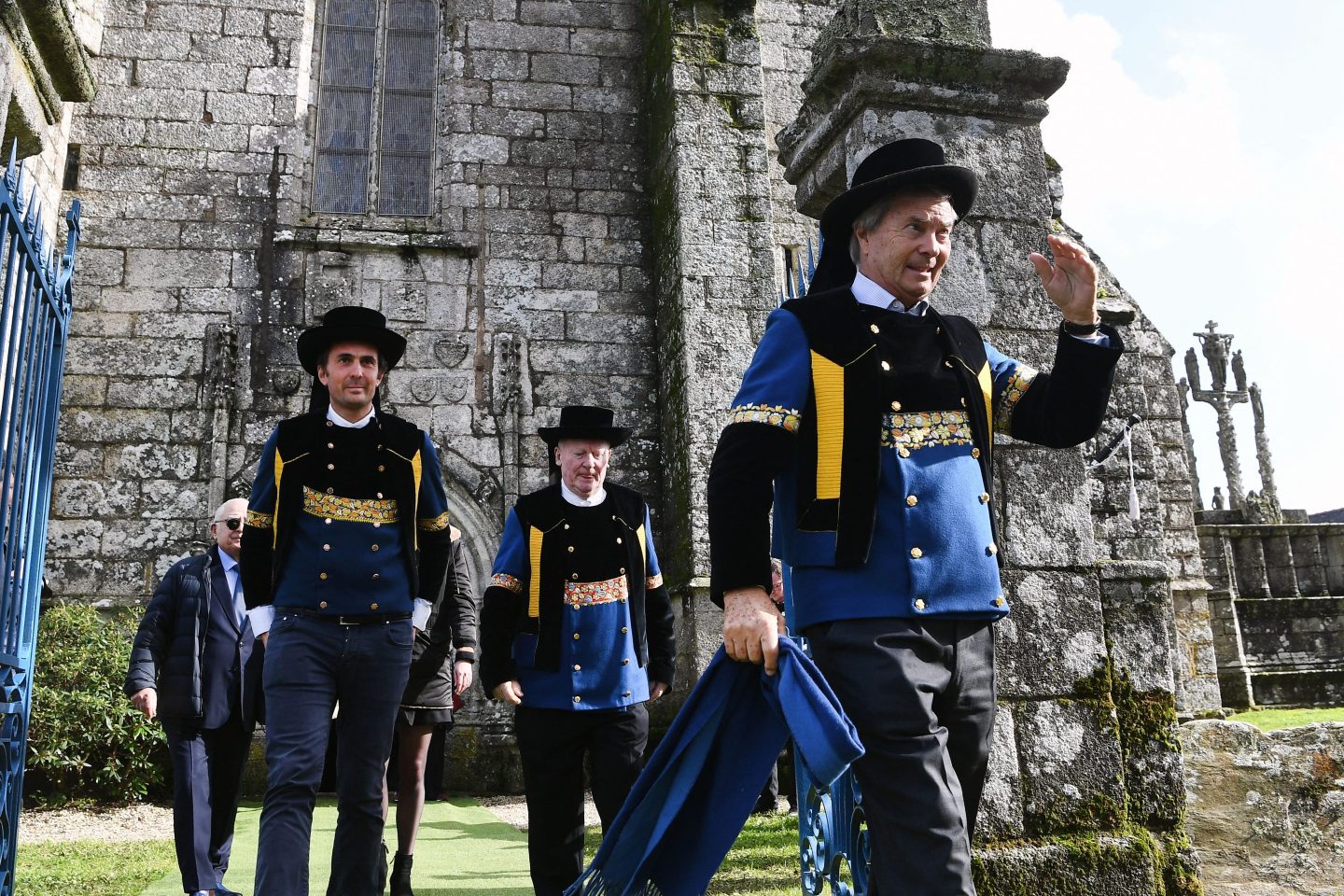
Known as the “French Murdoch” for building a $14 billion, right-leaning media empire stacked with family members and loyalists, Bolloré is a shrewd businessperson whose ascent to the top tiers of power is an object of fascination and awe in France and throughout Europe.
“Nine times out of 10 when people are speculating about what Bolloré will do, they get it wrong,” said Nicolas Marmurek, a London-based analyst who specializes in M&A.
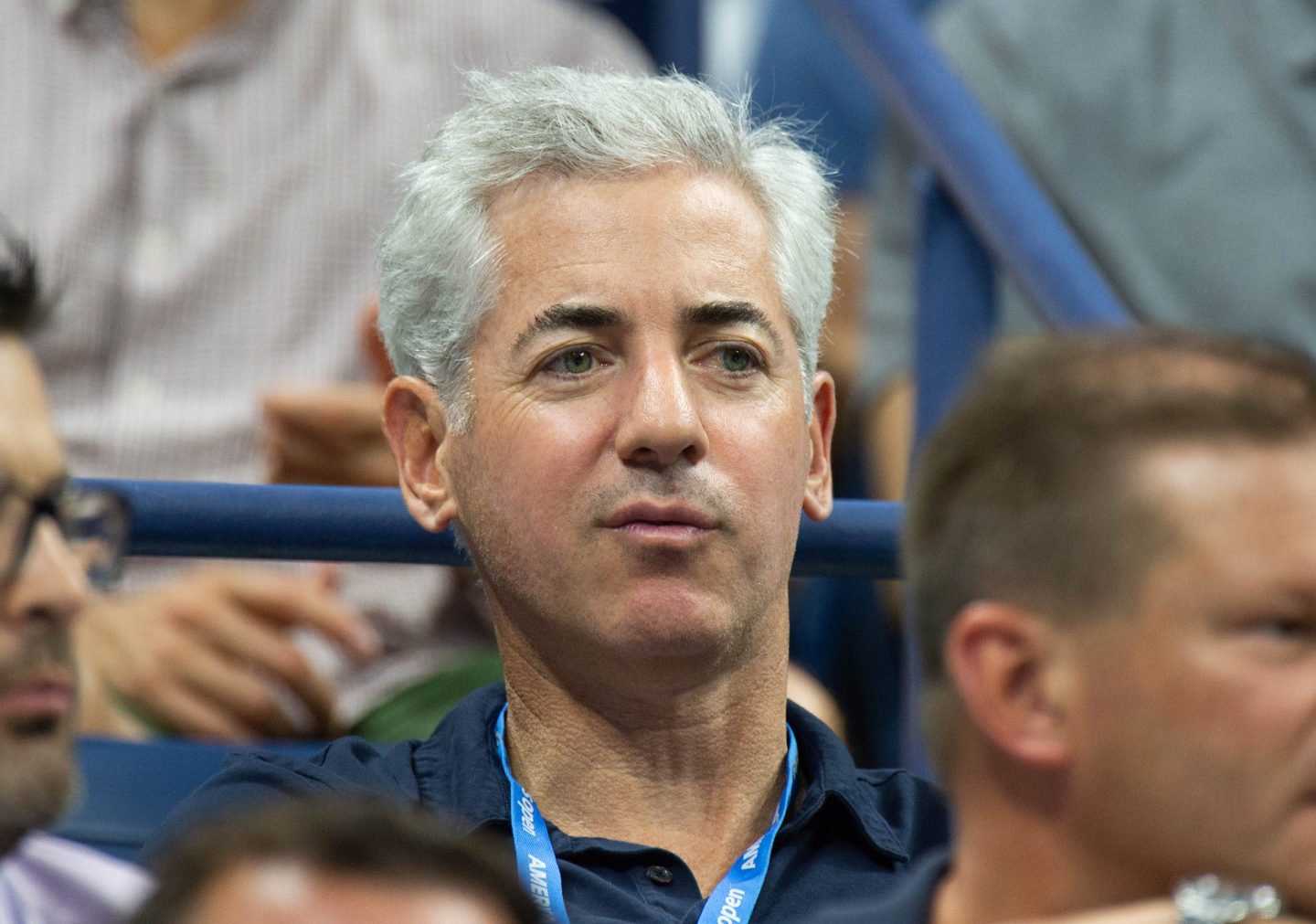
Bolloré’s stake in Universal Music Group (UMG), which effectively gives him veto power over any deal, sets the stage for a potentially epic showdown between two of the most powerful figures in the business world. Ackman is famous for fighting his way through deals; launching aggressive campaigns that invest in companies and force management to adopt measures like cutting costs or spinning off assets. Past targets have included Wendy’s and Canadian Pacific Railway, but he’s softened his approach in recent years, and he complimented UMG’s management when he launched his bid to merge and relist the company in the U.S.
Adrian Edwards—GC Images
In bidding to revamp UMG, which owns 30% of the world’s recorded music, Ackman is testing a new playbook. Rather than influencing affairs through pressure tactics, Ackman’s Pershing Square Capital Management intends to lead a structural recapitalization, buying more shares, putting allies on the board, and re-listing the company in New York while existing management operates the company. It’s all part of Ackman’s broader vision of transforming Pershing into a diversified holding company in the image of Warren Buffett’s Berkshire Hathaway.
That makes winning over the unpredictable Bolloré mission critical for Ackman.
“Without Bolloré, we don’t have a transaction,” Ackman told investors on April 7 when he unveiled the details of his proposal. Ackman said his “first phone call” the day before announcing the deal, was to Bolloré Group, and he reportedly spoke with current chairman and CEO Cyrille Bolloré, Vincent Bolloré’s 40-year-old son. Ackman said he gave the younger Bolloré a “high-level summary of the transaction.”
“And I guess the words I got back were, ‘These are music to my ears,’” Ackman said. “They are, I would say, intrigued,” he added later. “But of course, the devil’s in the details.”
Ackman’s proposed deal is structured as a merger between UMG and a Pershing Square special purpose acquisition rights company. Pershing Square’s cash commitment is €2.5 billion, and a combination of new debt, cash on UMG’s balance sheet, and asset sales will be used to finance the rest of the transaction. But the deal is highly complex and could end up being consummated in several different ways depending on whether UMG shareholders elect to swap their shares for cash or stock in the new entity, or a combination.
If shareholders approve the deal, the new U.S.-listed entity would have a $64 billion equity value once the finances are completed, plus $5.8 billion in new debt on UMG’s balance sheet. Artists would also get what Ackman described as “a nice €750 million check” which would come from the sale of UMG’s stake in Spotify.
Yuriko Nakao—Bloomberg/Getty Images
Universal’s board confirmed the proposal the same day as Ackman’s unveiling, describing it as “unsolicited and nonbinding.” The UMG board said directors would review it “in accordance with fiduciary duties” and said it had “complete confidence in UMG’s strategy and the leadership of Sir Lucian Grainge.” Grainge has been CEO since 2011, when he led UMG’s acquisition of EMI’s recorded-music catalog.
Ackman also pitched refreshing UMG’s board with two new members and naming Hollywood giant and Creative Artists Agency cofounder Michael Ovitz as chair. Ovitz has been friends with UMG CEO Grainge for four decades, Ackman has told investors (Ackman also noted that he’s been friends with Ovitz for 31 years).
The appeal of UMG for Ackman is in the shift the music industry has undergone throughout much of the past decade. As streaming has transformed the way consumers listen to music, the value of deep catalogs like Universal’s—which includes Billie Eilish, Drake, and Kendrick Lamar—has increased and changed the economics.
“The tail has become fatter and fatter and fatter,” said Tom Toumazis, MBE and global senior advisor at AlixPartners, describing music that’s more than 10 years old but continues to generate revenue. “A teenager running up that hill with Kate Bush” today is discovering music that didn’t exist a generation ago, he said, referring to the massive resurgence of Bush’s 1985 song “Running Up That Hill” following its use in the Netflix show Stranger Things. Every major label has a Kate Bush in its catalog, he said. The result, noted Toumazis, “is an intrinsic reset over a decade that says, ‘This music just keeps on going, and keeps on going, and keeps on going.’”
The trend caught Ackman’s eye a few years ago. Pershing previously acquired a 10% stake in UMG in 2021 around the time the label was spun out of French conglomerate Vivendi SE. But Pershing gradually pared its position to 4.5%, and last year, Ackman left UMG’s board as his efforts to persuade UMG to list its shares in New York hit a wall. The current deal would see that stake grow to 11.7%.
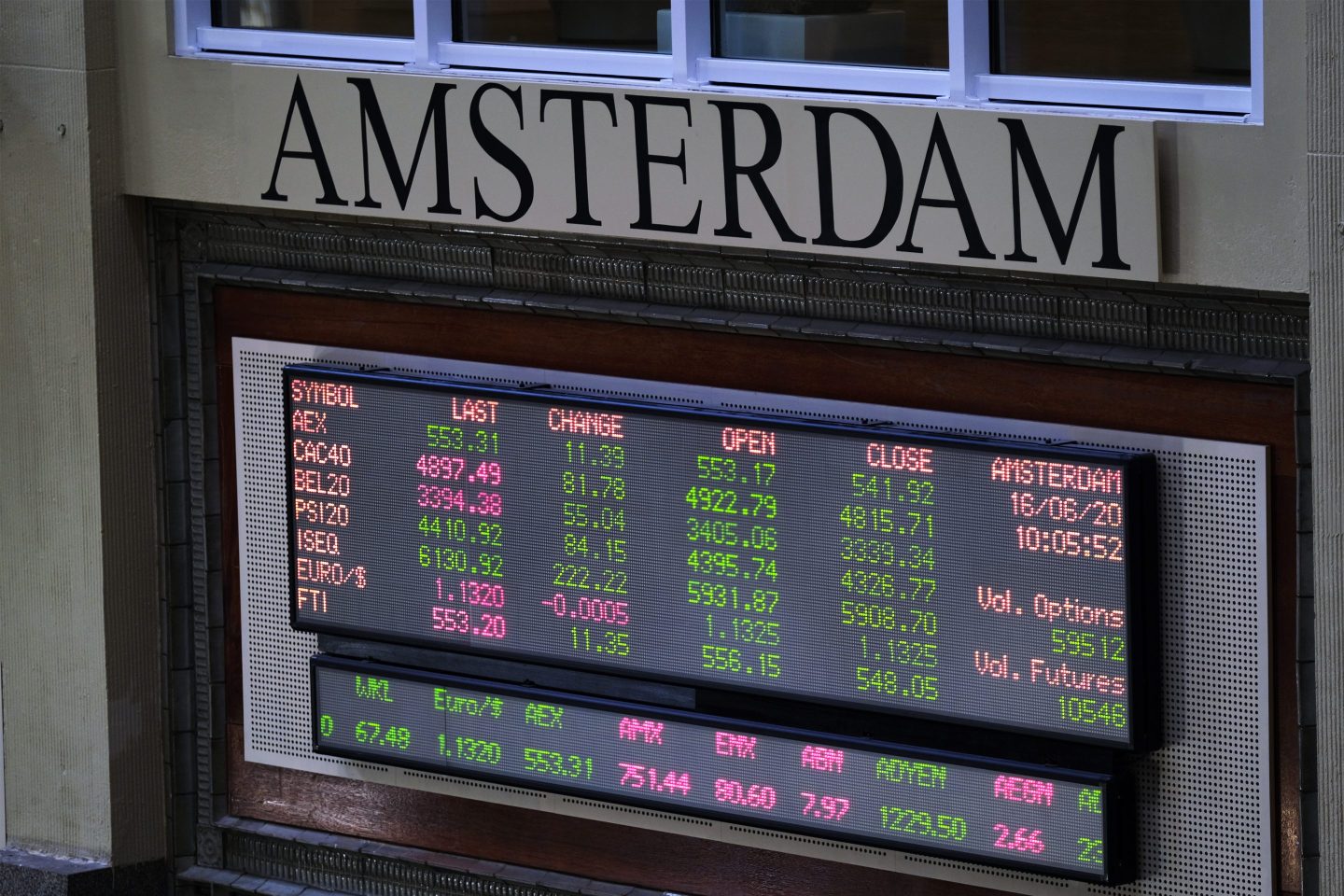
Because of its Dutch listing, UMG has never had the dedicated analyst coverage that U.S.-listed rival Warner Music Group has, and the stock is out-of-bounds for investors with mandates that don’t allow investments in non-U.S. stock, Ackman said in his pitch to UMG. The Dutch listing also keeps UMG outside of major U.S. index funds that buy S&P 500 stocks. He said relisting the company on the New York Stock Exchange would address some of those issues.
The new structure would generate about $3 billion in incremental cash for Bolloré Group, and the family would retain its UMG stake. According to Ackman, the deal also addresses what he said is part of the reason behind UMG’s recent 39% stock drop from its peak two years ago: The market was uncertain about what the Bolloré family was planning to do with their stake.
“A very important catalyst was Cyrille Bolloré, the representative from Bolloré Group, surprised the market by resigning from the Universal board,” Ackman told investors in a call this month. “That sort of put in question their intentions with respect to whether they were going to hold their stake.”
FRED TANNEAU—AFP/Getty Images
While much of Ackman’s proposal makes plenty of sense—listing UMG in the U.S., getting passive investment from index fund holders, opening the stock up to investors who can only invest in U.S.-listed entities, no one can predict how Vincent Bolloré will respond, said Marmurek, the M&A analyst. Bolloré is one of the savviest and most secretive investors in France, and trying to gauge how he’ll react is pure speculation, Marmurek said.
“He’s building a legacy and built a crazy amount of wealth over the space of one generation—he wants that wealth protected,” he said. “Trying to second guess Bolloré is very dangerous.”
Bolloré earned his reputation as an operator after he took over an almost-bankrupt paper mill in the north of France in 1981 at age 29 and turned it into a diversified industrial group including logistics, batteries, ports, and African shipping. The cornerstone of his style as a corporate raider is to take a small stake in an undervalued business and then grind his way to having more and more control.
Bolloré’s stake in Vivendi, for instance, dates back to 2012 when he picked up a 1.3% stake in the media giant when it bought two of his television stations for less than €500 million. He gradually upped his stake by buying Vivendi shares on the open market, going to 5% in 2012 and 14% in 2015, all the while reaping ever larger dividend payments from Vivendi, according to Le Monde. The French newspaper has given him various nicknames during the past four decades, tracing the arc of his public reputation. In 1988, the paper called him “the little prince of cash flow.” A decade later he was dubbed “the blond angel.” In 2013, the paper called him “a predator.”
Like News Corp. founder Rupert Murdoch, Bolloré has infused his collection of media properties with right-leaning, and sometimes controversial, voices. And like Murdoch’s, the Bolloré empire is run like a dynasty. In 2022, Vincent Bolloré passed the leadership baton to his sons Yannick and Cyrille, and stepped down as chairman at age 70. While the patriarch of the family holds no official title at Bolloré SE, behind the scenes his power remains undiminished thanks to a complex five-layer web of family holdings.
According to Bolloré SE’s 2025 financial filings, the family’s control runs through a cascade of holding companies with various ownership levels. At the top is Compagnie de l’Odet, where the Bolloré family holds 93% of shares and Vincent Bolloré serves as CEO and chairman. In turn, Compagnie de l’Odet owns 71.6% of Bolloré SE, which holds stakes in Vivendi SE, Louis Hachette, Canal+, Havas NV, and UMG. Through Bolloré SE, the family holds about 18.4% of UMG directly, and Vivendi, in which Bolloré is the largest shareholder with a 29.3% stake, owns a further 9.9% of UMG. Combined, their 28% control is large enough that Vincent Bolloré can make or break Ackman’s deal.
And given Bollore’s track record, many observers expect him to drive a hard bargain.
“I struggle to see why Bolloré would jump at the offer without getting something else from Bill Ackman himself,” said Marmurek. “In my view, Bolloré will want something more. I’m not saying the deal is not going to happen, but it’s a very uncertain deal at this point.”
Negotiations could center around one particular aspect of the complex deal that allows certain shareholders to receive an all-cash payment at a lower valuation.
According to Le Monde, the deal calls for Pershing Square to spend about €2.5 billion on the €9 billion cash portion of the deal, but there’s an all-cash route specifically with Bolloré in mind that includes up to €7.5 billion at €22 per UMG share. That means Bolloré would have to accept a discount in exchange for liquidity, which is a lever he might like to pull, analysts said.
A potential counteroffer by UMG and its shareholders, including Bolloré, could include a larger cash component, a research note from Paris-based financial services firm Oddo BHF states. “A consortium could form and propose a higher cash component (50%?) and an equivalent structure with a listing in the U.S.,” wrote analyst Jérôme Bodin.
At this point, however, “the market considers it unlikely that the current offer will go through and that Bolloré will accept it,” Bodin’s note states. He described the deal as a “massive share buyback financed by UMG’s balance sheet, combined with a relocation of the primary listing to the U.S.”
To get the deal over the finish line, Ackman will need to draw upon the right combination of charm, persuasion, and resolve—a job that may require exercising new muscles for the 59-year-old hedge fund manager who has made headlines for his brash posts on X, where has 2.1 million followers, and for his adventures on the tennis court (he famously competed in a 2025 pro tournament, to mixed reviews).
The big question is whether Bolloré, who has spent his career building an empire, is ready to relinquish some of his control over a prized asset—and if Ackman’s entreaties convince him that it’s time to cash out or simply persuade Bolloré to pursue Ackman’s vision for UMG himself.
Desmond Kingsford, whose Highwood Value Partners owns shares in Bolloré and Compagnie de l’Odet, questioned why Bolloré would support Ackman’s proposal “when he could push management to do everything Ackman proposes and not dilute any control or ownership?”
“Surely he could sell a few shares at a higher price after management takes those actions if he liked the liquidity aspect of the deal, perhaps in a relisting,” wrote Kingsford in an email.
此内容由惯性聚合(RSS阅读器)自动聚合整理,仅供阅读参考。 原文来自 — 版权归原作者所有。