









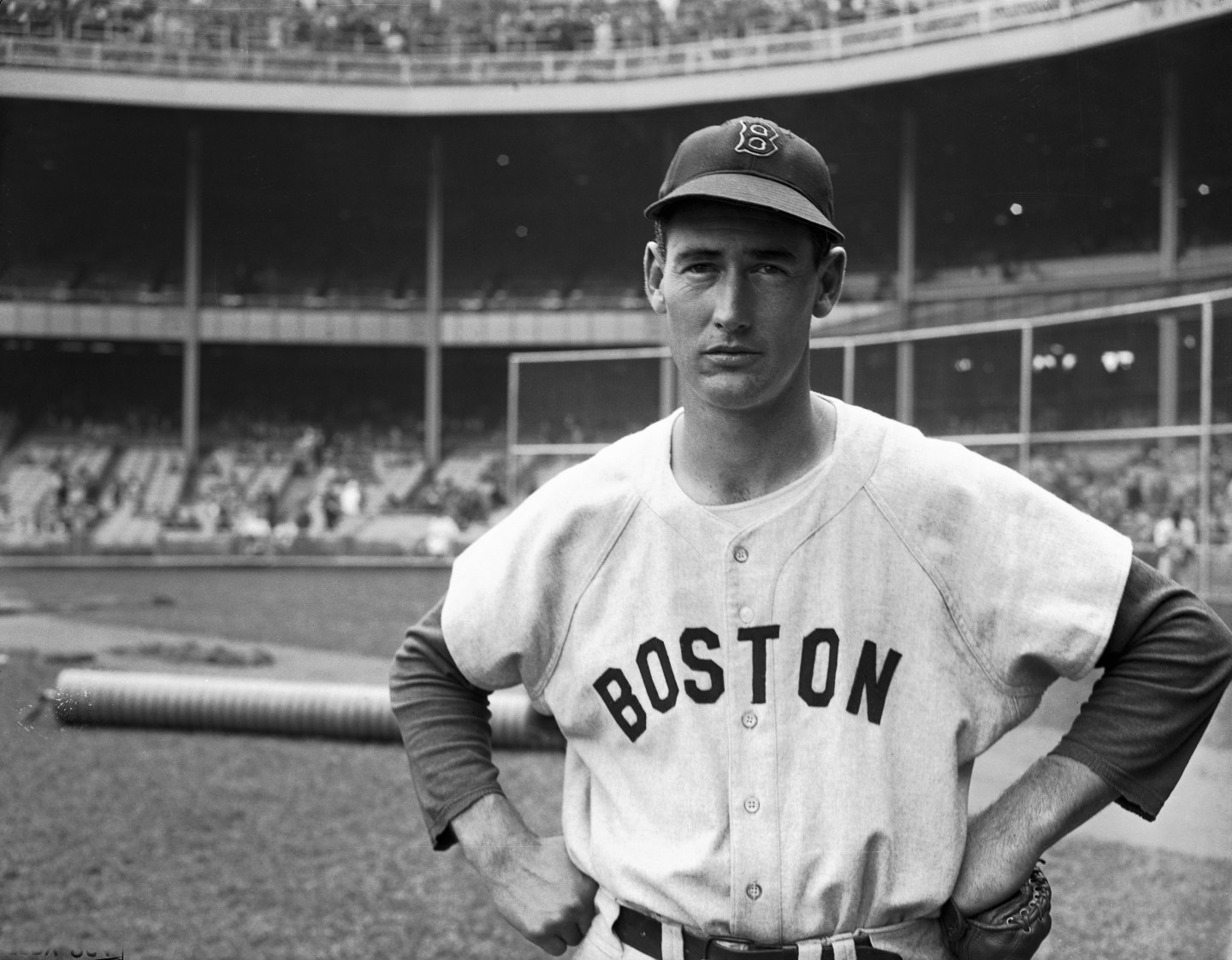
In September 1960, John Updike sat in the Fenway Park stands and watched Ted Williams take his final at-bat. He drove a fastball 440 feet over the right-centerfield wall, rounded the bases head down and disciplined, and ran straight into the dugout. The crowd begged him to come out, tip his cap, take their adulation. He didn’t. The opposing pitcher waited on the mound, certain Williams would relent. Most players would have. Williams waved him off and never came back out.
Updike titled his account of that afternoon Hub Fans Bid Kid Adieu — one of the greatest pieces of sportswriting ever published, about one of the greatest exits in the history of American sport.
Sixty-five years later, two of the most consequential business leaders of this century — Tim Cook of Apple and Reed Hastings of Netflix — have given us the corporate equivalent. No grandstanding. No extended farewell tours. No carefully staged vulnerability on a podcast circuit. Just a clean, disciplined exit. In a business culture that increasingly rewards visibility over substance, both men offered a different model. Neither built their careers around personal brand. They weren’t the story, and they weren’t trying to be. They focused on building institutions that would endure — and in doing so, reshaped entire industries: how we communicate, how we consume media, and how we spend our time.
Like Williams, they understood that how you leave is part of what you built. And in both cases, the exit was as instructive as anything they did in the corner office.
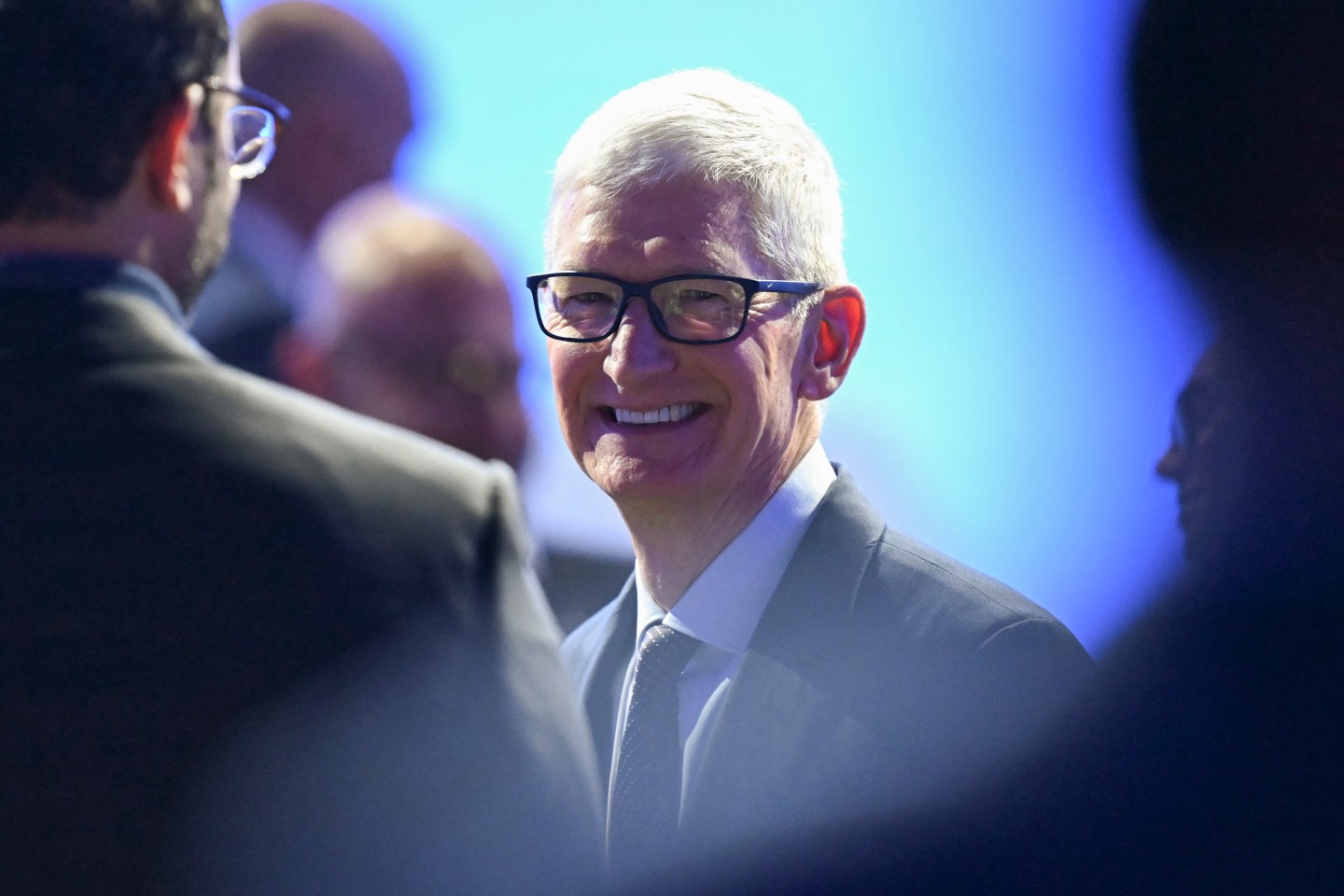
Cook had the nearly impossible task of following Steve Jobs. Rather than imitate him, he redefined the role. Under his leadership, Apple became not just a product company but an operational machine and a supply chain marvel. Most companies make a tradeoff between scale and margin. Apple, under Cook, managed both — and that is extraordinarily rare. It requires not just vision, but execution at a level that compounds over time: thousands of small decisions made well, supplier relationships managed tightly, production scaled without losing quality. There is very little glamour in that kind of work. It does not lend itself to headlines. But it is, in many ways, the difference between a good company and a great one.
Cook also brought steadiness to Apple at a moment when that was exactly what the company needed. Following a founder like Jobs is not just a strategic challenge — it is a psychological one. The temptation is to mimic, to chase the aura. Cook did neither. He leaned into his own strengths and in doing so extended Apple’s trajectory in a way that few successors in any industry ever manage.
Hastings, by contrast, was a scrappy and visionary disruptor. His career is a masterclass in seeing where the world is going and getting there before the competition knows it’s changing. From DVDs disrupting Blockbuster, to streaming, to binge viewing, to collapsing traditional release windows, Hastings consistently moved ahead of the market. Importantly, these were not isolated bets. They were part of a sequence. Each move built on the last. DVDs created a direct consumer relationship. Streaming removed friction. Binge viewing changed behavior. Original content shifted the power dynamic with suppliers. Over time, Netflix moved from distributor to platform to studio.
Hastings also rethought how companies operate. His shift from the idea of a “family” to a “professional sports team” — where every position is constantly evaluated against the best available — wasn’t cultural rhetoric. It was a recognition that in fast-moving industries, sentimentality can be a liability. Performance matters. Fit matters. The willingness to make hard decisions matters.
What is almost never discussed — and what may be their most durable contribution to leadership practice — is how both men handled succession. In many companies, leadership transitions turn into awkward internal contests: quiet bake-offs where senior executives are pitted against one another, with one winner and several visible losers. Those who don’t get the job leave diminished, sometimes humiliated, and the institution absorbs the damage quietly for years. Cook and Hastings avoided that dynamic entirely.
Their transitions were clear, deliberate, and respectful of the broader organization. They signaled confidence in the next generation without creating internal drama or uncertainty. That discipline is not just good governance — it preserves culture, protects the institution, and reinforces that the company is bigger than any one individual.
In an era of celebrity CEOs, there is something almost countercultural about that approach. Today, many leaders are rewarded for visibility, narrative, and personal brand. The performance can become the point. The storytelling can outpace the substance. Cook and Hastings offered a different model. The work was the point. The results were the reward.
Both men, of course, made mistakes. No career at that level is flawless. But over long arcs, they were consistently effective — grounded in strategy and innovation, willing to take intelligent risks, and honest enough about their own limitations to plan their own obsolescence rather than resist it.
Great leadership isn’t about visibility or personal brand. It’s about making a series of high-quality decisions over time, often without recognition in the moment. It’s about building systems and cultures that outlast you. And, ultimately, it’s about knowing when to step away.
That last part is often harder than it looks. Many leaders, like athletes, stay too long. They chase one more win, one more cycle, one more moment in the spotlight — and in doing so, risk diminishing everything they built. Updike understood what made Williams’ exit so moving: it wasn’t just the home run. It was the refusal to cheapen it with a curtain call.
Cook and Hastings didn’t linger. They did the job. They changed the game. And then, like Williams rounding third and disappearing into the dugout, they left the field. No curtain call. No farewell tour. No tip of the hat. Just the record, standing on its own.
Hub fans bid kid adieu. And this time, the kids were in the corner office.
The opinions expressed in Fortune.com commentary pieces are solely the views of their authors and do not necessarily reflect the opinions and beliefs of Fortune.
此内容由惯性聚合(RSS阅读器)自动聚合整理,仅供阅读参考。 原文来自 — 版权归原作者所有。