






Last August, we launched Forge, our AI-native code review tool designed to simplify understanding, reviewing, and addressing comments on code changes within organizations. Today, we’re deprecating Forge and looking ahead to the future of AI-powered code review tools.
What Was Forge?
From the beginning, our goal has been to make developers more capable and efficient than ever before. This started with accelerating code writing—our autocomplete, code editing, and agentic tools have collectively generated billions of lines of code, and that number continues to grow daily. However, as the speed of code creation increased, organizations faced the challenge of reviewing this influx of code efficiently. Junior engineers could quickly write large amounts of seemingly correct code, yet senior engineers had to spend increasing amounts of time ensuring quality and adherence to company standards. That’s why we built Forge—to leverage the same underlying technology that assisted in writing code to also assist in reviewing it. With features like automatic explanations, integrated chat, and real-time code suggestions, we created a suite of tools that streamlined the review process for both reviewers and reviewees. Seamlessly integrating with GitHub’s review process, we stayed true to our philosophy of “meeting developers where they are,” providing a familiar yet AI-enhanced experience.
Overcoming Technical Limitations
Creating a seamless experience with Forge was no easy feat. Initially, we created a standalone web app where users could conduct AI-assisted code reviews. However, early feedback made it clear that true adoption required deeper integration with SCM platforms, so we set out to replace GitHub’s review interface with our own drop-in replacement. For the technically savvy, this meant building an iframe that didn’t feel like an iframe at all. We developed a Chrome extension to inject UI components that blended seamlessly with GitHub, designed communication layers to synchronize the iframe and website, implemented authentication solutions, and overcame numerous browser restrictions to make the system work smoothly. All of this was further complicated by API limitations, slow load times, and the need for an SCM-agnostic approach. Meanwhile, we aimed to match the feature set of existing review tools while pushing the boundaries of what AI could accomplish in code review.
The Changing Landscape of Code Review
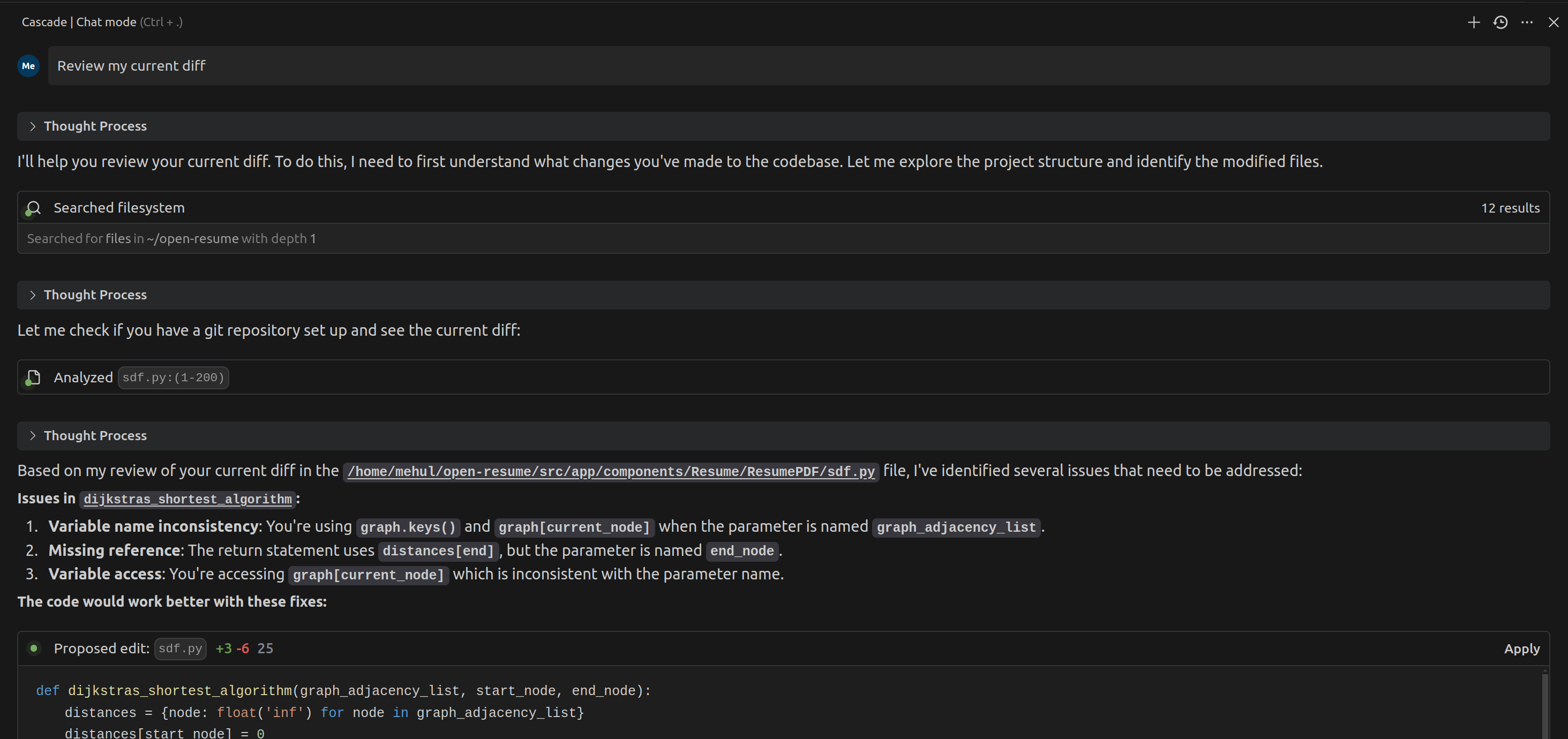
As we improved Forge, the broader landscape of AI-assisted code review evolved dramatically. AI-generated code became significantly better, reducing the need for post-hoc enforcement of organizational guidelines. Instead, we could use AI “memories” to embed these guidelines directly into model outputs, ensuring compliance from the outset. Advances in hardware and model architecture also allowed us to incorporate more exemplary code into the context, leading to greater consistency in generated code. Furthermore, the rise of high-quality AI agents throughout the software development lifecycle showed us the potential to make the review process even more powerful. Instead of relying on localized reviews, agents could analyze broader contexts, understanding how different parts of the codebase interacted. We also noticed that our existing agent-based tools within IDEs were already capable of conducting advanced code reviews, suggesting that unifying these approaches would be far more effective than maintaining separate products.
Looking Forward
As Forge’s complexity increased and its benefits became less clear, we made the decision to deprecate the application and shift our focus to more promising approaches for ensuring high-quality code. That said, we want to be very clear: we remain deeply committed to the code review process. It continues to be a critical part of delivering high-quality software, especially in enterprise environments where reliability, security, and maintainability are paramount. Moving forward, we’re focusing on approaches that we believe will scale more effectively with rapidly advancing technology and deliver meaningful, long-term value. This includes continued investment in AI-powered tools at the code generation stage, enhancing agentic review processes, and exploring new, less intrusive passive review experiences that better fit modern development workflows. We deeply appreciate everyone who tried Forge and provided invaluable feedback. Everything we’ve learned will help us build the next generation of AI-assisted code review — and we’re excited to share more in the coming months.