






Users are going to have to reassert control over their devices.

Sam Rutherford for Engadget
During World War Two, Britain launched a campaign to reduce clothing waste called Make Do and Mend. The government sent out training manuals and local groups ran classes to teach people how to make and repair their clothes. In the face of skyrocketing component costs, it's time for all of us to adopt a similar attitude with our devices.
The AI bubble's demand for data center capacity has swallowed the tech industry pipeline whole. But there's only a handful of companies in the world making the components that make all of those machines work. Only one company is capable of making cutting edge chips, and only a handful more making RAM and SSDs, none of which can satisfy rising demand. According to consulting firm Kearney, the global RAMpocalypse is likely to remain an issue until 2030.
We've known for a few years this squeeze would juice costs, and things are really starting to bite. Apple is raising device prices across the board. Valve's much-vaunted console alternative, the Steam Machine, is priced at $1,049 without a controller. (Valve said that the figure is far in excess of what it wanted to charge for the hardware.) Microsoft has added another $150 to the price of the 1TB Xbox Series X and up to $600 to the price of its most recent Surface laptops (and not even the good ones at that).
The inevitable response is to shrug our shoulders and stoically endure the pain given this is a global issue. A series of global conflicts (many of which were not necessary to enter into) have sent food and energy prices into the stratosphere. But, given we want our toys and we want them now, we'll just have to make do with this latest indignity and cough up.
What would happen, then, if all of us simply chose not to buy anything new for the next year or two unless we really had to? What if we all adopted a Make Do and Mend approach, and did our best to help others do the same in the name of solidarity? After all, if we accept the higher prices, they're far less likely to come back down again when the AI bubble bursts.
Especially as, for many machines, one component failing shouldn't mean that your only option is to buy a replacement. For years, the industry has been working to undermine our ability to keep our machines running for longer to encourage this very attitude. Given it's not going to walk that back any time soon, the duty falls upon us to take control of our own devices.
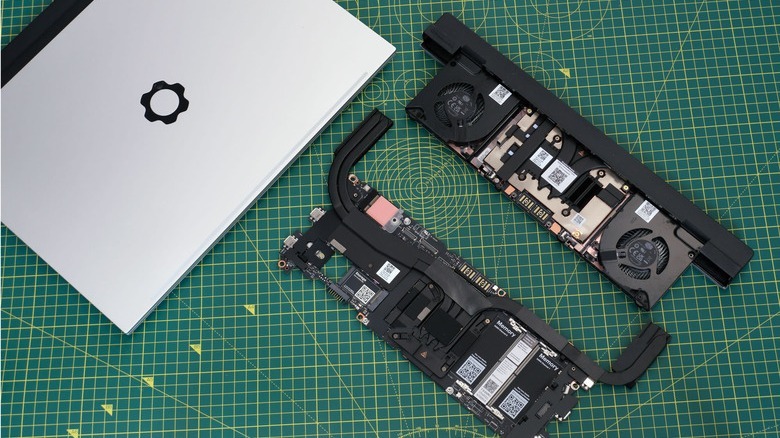
Part of this is simply about losing the fear that the industry has instilled in us about what we can and can't do to our own gear. I won't lie: I felt like I'd lost my knack for working with electronics after switching to Mac back in 2005. It wasn't until I took on the climate and sustainability beat here at Engadget that I saw how easy repairs can be. I'm a big fan of Fairphone devices, which can be torn apart and put back together in minutes, and I can tear a Framework laptop down with my eyes closed. But from those early steps, I felt empowered to take on more and more repairs in my own life. I swapped out a broken backlight from my in-laws TV. I balked at a quote to fix a lawnmower and so I found the replacement part online for £9. If you don't want to go that far, then perhaps it's as simple as supporting your local independent repair store. Sharing your knowledge, and perhaps even your tools, with friends and your local community can help you, and them, feel more empowered.
There are, at least, some helpful figures in government who have made useful moves in this area. In 2024, Oregon was the first state to ban parts pairing, enabling the use of third party replacements in hardware. The EU has been working hard to mandate repairs as part of its broader crackdown on e-waste, and devices sold after February 18, 2027, must have easily replaceable batteries.
Not to mention, of course, that when something is broken beyond repairability, our first move should be to check out refurbished stores. I suspect that companies selling certified used hardware are poised and ready to take advantage of this situation, especially given the walls of iPhones you normally see in your local secondhand electronics store. If you can possibly resist the lure of the newest and fanciest piece of gear being shoved down your throat at every turn, then you might find yourself able to enjoy last year's flagship at a half decent discount.
Fundamentally, the industry shouldn't rely upon us meekly accepting and consuming whatever it sits in front of us. This is doubly true for companies that have used their wealth to make reckless investments in AI which has caused much of this trouble in the first place. It's time we started to push back against this notion and, more importantly, regained the skills the industry has been so invested in getting us to forget.