







You're reading a preview of the brand new newsletter from The Indicator from Planet Money. Once a week, we're curating their favorite stories and insights on business, finance, economics and adding context on why they matter. Subscribe here to get it in your inbox every Friday.

Matt York/AP
Sanda Balaban hadn't been in touch with her dad for years when she made the trip to visit him. In his office, she saw clutter and piles of paper everywhere. She discovered credit card statements showing her dad was spending thousands of dollars a month on scammy health products and online subscriptions. She learned he hadn't paid income tax since 2014 and had drained his savings.
Stories like this are familiar to Lauren Nicholas, a health economist and professor of geriatrics at the University of Colorado. She explains there's a close connection between dementia and a loss of personal wealth.
"Dementia is one of the diseases where you lose a lot of cognitive capabilities over time that are, unfortunately, closely tied to our ability to manage our own money," Lauren says.
Lauren put out new research finding wealth starts to decline 6 years before a dementia diagnosis. And it's hard to flag. While a financial advisor might be the first line of defense, a survey from the investment firm Fidelity shows advisors didn't feel comfortable raising the issue for fear of being wrong.
So what solutions are out there? And what's next for Sanda? It's worth listening to the episode to learn more.
Rest of the Week
What to Know: Three regular Paramount+ subscribers and two PROSPECTIVE subscribers are collectively taking on Paramount Skydance for a series of reasons. One is the $110 billion merger between Paramount Skydance and Warner Bros. Discovery. Their basis for injury included a January price hike of 12.5% for the essential tier and 7.7% for premium from Paramount Plus, along with concerns of future price increases. They want to make sure this merger doesn't happen.
Why we care: I mean… when's the last time you and your friends tried to take on TWO multibillion dollar corporations? Turns out this is old news for the lawyer Joseph Alioto. While the price hike isn't astronomical on an individual subscriber, the overall toll on consumers is big. This lawsuit is a well-known legal strategy to use a few plaintiffs on behalf of the many.
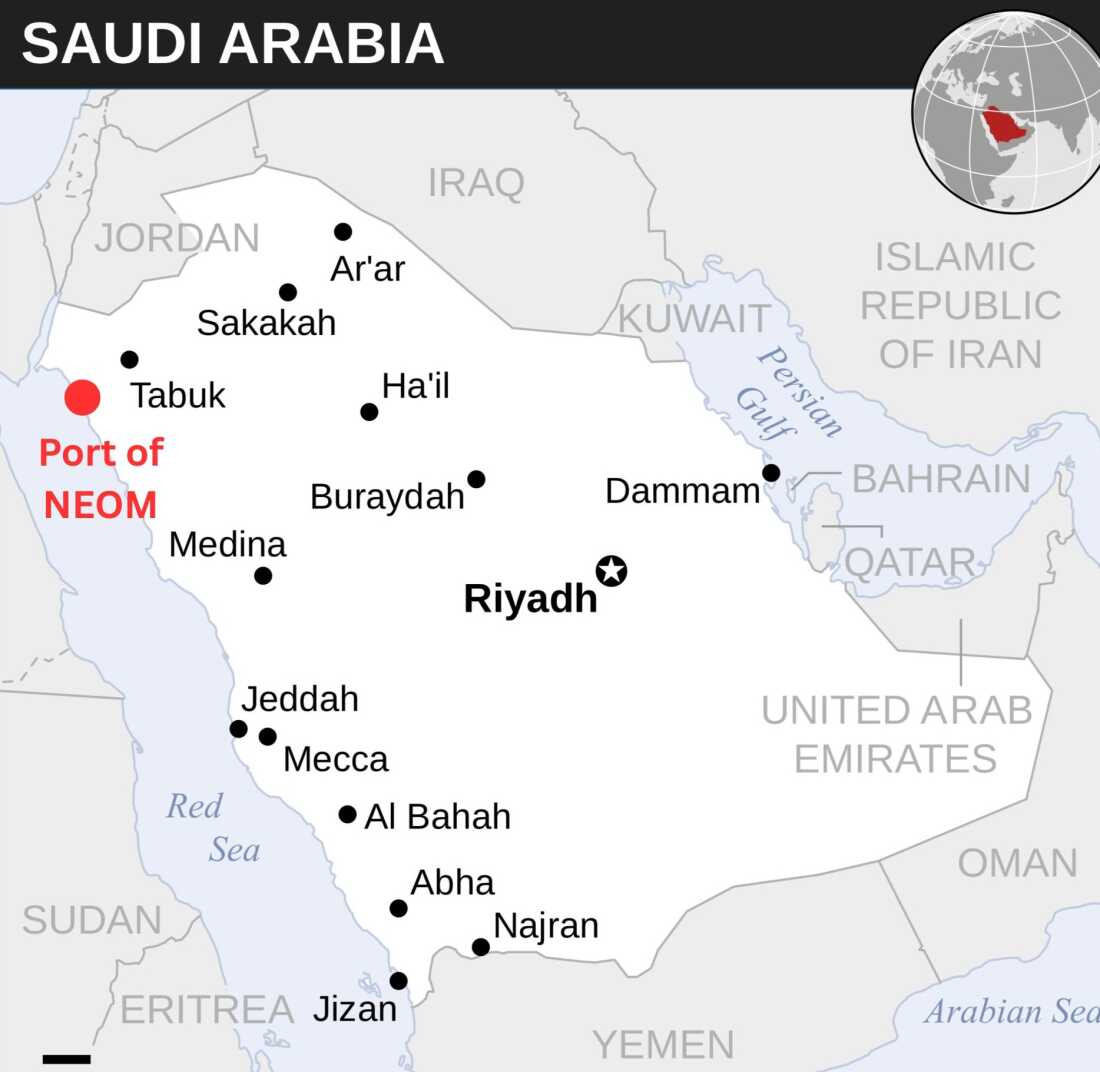
What's going on: Saudi Arabia is positioning its Port of NEOM, on the WESTERN side of the country (on the Red Sea), as an alternate shipping route amidst the chaos of the Strait of Hormuz. It hopes to be a connector between the Gulf with Europe and Africa. While trade has been mostly handled on the east coast of the nation, it looks like there's now a shift west to the Red Sea. The problem… this port does not handle oil, so it's not entirely clear what will be shipped from there. That said, Saudi's Yanbu port on the west coast has seen a 4x increase in oil exports since February. That's thanks to a east-west pipeline in the country.
Why we care: So… are we just going to rely on the Strait of Hormuz forever? Assuming the world doesn't switch to all EVs and renewables tomorrow, oil and the Strait will continue to be globally relevant for some time. Alternative routes have been in discussion for decades, but there's no obvious one. There ARE other ports like Yanbu, but it's not built to move that much oil. A solution away from the Strait isn't as simple as another port or another pipeline. It would require a systems-level reboot.
What to know: When China's DeepSeek came out with a new AI model last year, it terrified U.S. markets and sunk NVIDIA's stock price. There's a whole Planet Money episode about it. Fear of Chinese AI runs deep. In part because it's putting up quite the fight against the U.S. which is the clear front-runner in this field. Chinese AI models DO have an edge though thanks to open-source LLMs and much cheaper pricing. This article argues that edge for Chinese AI companies creates competition in the global marketplace.
What's interesting: It may seem inevitable that AI will result in mass inequality. It's easy to imagine: AI displaces workers and profits line the pockets of a select few. But Center for Economic and Policy Research Senior Fellow Dean Baker makes the case that competition could even the playing field. When more than one company is offering a similar product, the costs go down for everybody. That benefit flows to consumers. Co-host Darian Woods says it's an intriguing thesis but points out that Chinese competition hasn't prevented the rise of trillion dollar big tech companies prior to AI.
In the email version of this newsletter, we also answer your questions and share what the team's been up to in our spare time. Subscribe to get the full newsletter in your inbox every Friday and tell us what you think at indicator@npr.org!
此内容由惯性聚合(RSS阅读器)自动聚合整理,仅供阅读参考。 原文来自 — 版权归原作者所有。