





For years, Southeast Asian countries have preferred to avoid taking sides between China and the United States. This year’s State of Southeast Asia survey shows that this approach still holds, but a more contested geostrategic environment is making it harder to sustain.
The region continues to feel uneasy about China’s entrenched influence, is increasingly troubled by US leadership under President Donald Trump and is more conscious of Asean’s institutional constraints. The weakening of confidence in the US is especially striking against a wider backdrop of mounting regional pressures.
Southeast Asia faces a more contested environment in which pressures are building on multiple fronts simultaneously, with the survey making clear that the region’s anxieties are no longer limited to conventional geopolitical flashpoints.
Even as major power rivalry remains front and centre, climate change and extreme weather events rank as the region’s top challenge at 60 per cent, rising from 55.3 per cent last year.
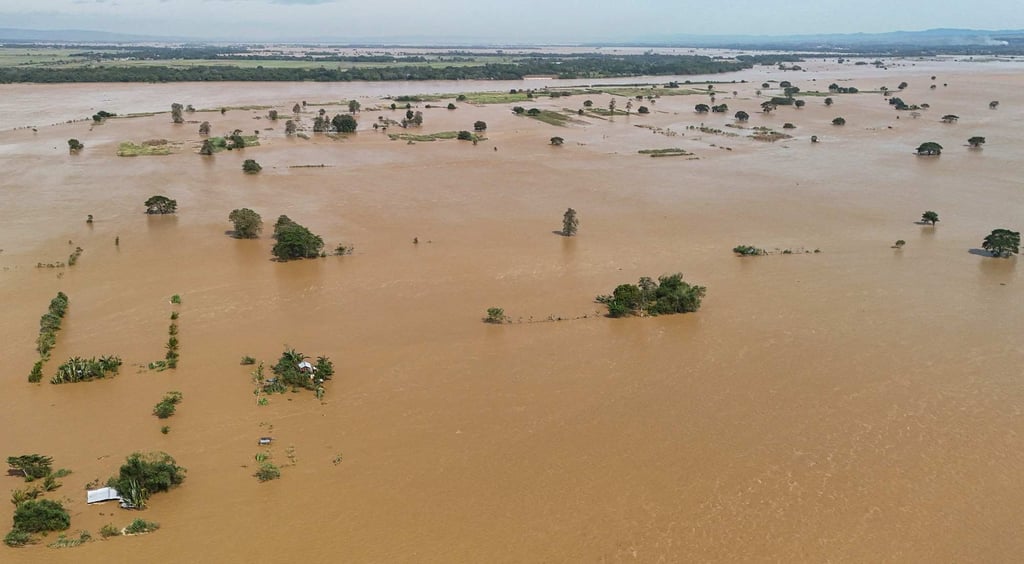
It is telling that climate risks are increasingly seen as a direct threat to livelihoods and economic security across the region, even as recent events in the Middle East have reinforced the imperative of energy security. Intensifying economic tensions between major powers come next at 51.7 per cent, followed by domestic political instability at 46.1 per cent.
此内容由惯性聚合(RSS阅读器)自动聚合整理,仅供阅读参考。 原文来自 — 版权归原作者所有。