






As hybrid fitness events continue to grow across Asia, more competitors are learning that race-day performance depends as much on what happens in the kitchen as in the gym. Whether the goal is a Hyrox race, an endurance challenge or another high-intensity competition, athletes are increasingly paying closer attention to carb-loading, hydration, in-race fuelling and recovery nutrition as part of their training plan.
We spoke to Hong Kong-based sports and exercise nutritionist Maya Rolston and Grand Hyatt Singapore executive sous chef Steffan Heerdt, who completed his first Hyrox there this April. They share practical advice on fuelling before, during and after race day for anyone eyeing next year’s events.

“If the human body were a car, carbohydrates would be its fuel,” Rolston – who is also a strength and conditioning coach – explains.
Carbs, the body’s preferred energy source, are stored in the muscles as glycogen. When fuel drops, performance follows, and this is where carb-loading comes to play.
Increasing carbohydrate intake in the lead-up to the race helps maximise your glycogen stores for race day. Carb-loading typically begins two to four days before the day, alongside a deliberate taper in training intensity.
“By increasing carbohydrate intake while reducing exercise, the body is able to store more glycogen,” explains Rolston. “If you continue high-intensity training, you’re simply burning those carbohydrates rather than storing them.”
As training volume decreases in the lead-up to the event, carbohydrate intake should rise to around six to 10 grams per kilogram of body weight, with higher-demand athletes leaning towards the upper end of that range.
Meals should centre on carbohydrate-rich foods, supported by moderate protein and balanced with fruits and vegetables. Fat intake should be dialled back slightly to ensure greater energy intake from carbs.

Spacing meals evenly throughout the day allows for a steady intake of carbohydrates, helping to meet targets without overwhelming digestion or leaving gaps that are difficult to recover from later.
For Heerdt, whose occupation as a chef requires him to taste food throughout the day, having his carb-heavy meals earlier in the day proved most effective. “Starting with a bigger breakfast helped me meet my carb requirements without feeling too full by evening,” he shares.
“It’s really about understanding how much you need to eat to feel properly energised and how long your body takes to absorb that energy before a race. Everyone’s body reacts differently. For some, it takes longer for certain foods to kick in before you actually feel that boost.”
Hydration, too, is part of the equation. Rolston recommends 35ml of water per kilogram of body weight as a good rule of thumb. Electrolytes or sports drinks can be particularly useful for “salty sweaters” – those who lose a significant amount of sodium through sweat, she says.
Opt for foods that are energy-dense but low in volume. Rolston points to low-volume, high-carb density options such as honey, maple syrup, bagels, bananas and cereal bars as easy ways to increase intake. Softer or liquid sources such as smoothies and juices can also help.
It’s tempting to default to lighter, “clean” meals such as salads the day before a race. But according to Rolston, that instinct can be misleading. High-fibre foods, while generally beneficial, are slower to digest and are best enjoyed earlier in the week.
As race day approaches, simpler carbohydrates such as white rice and pasta – both favoured by Heerdt for carb-loading – are more effective. Home-cooked meals are ideal, allowing for greater control over ingredients and preparation.
Heavy, high-fat or spicy dishes, as they may disrupt digestion.
Rather than relying on a single large dinner, aim to distribute carbohydrate intake earlier in the day. A substantial breakfast, followed by regular meals and snacks, gives the body ample time to digest and store energy, leaving you fuelled but not weighed down the next morning.
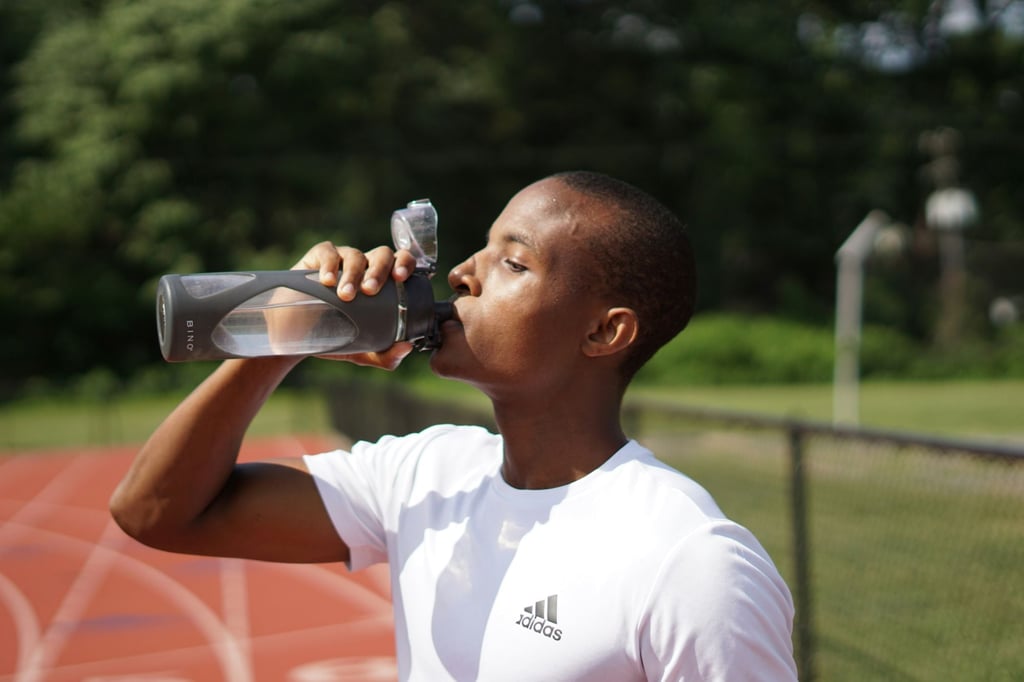
Hydration starts the second you wake. Rolston recommends 500ml to one litre of water right away.
Eat your main pre-race meal two to four hours before the start: high-carb, low-fibre, about one to four grams of carbs per kilogram of body weight.
Thirty to 60 minutes out, a quick top-up like dates or a sports drink keeps energy steady.
Once the race kicks off, glycogen can drop within 45 minutes. That’s when simple carbs such as a banana or rice waffle can push back fatigue. Rolston recommends energy gels as the optimal “bang for your buck” top-up carbohydrate during the event. For those new to gels, she suggests introducing them during training sessions leading up to avoid gastrointestinal discomfort on race day.
“Skipping in-race fuelling is a common mistake, even for experienced athletes,” she warns. Remember to hydrate with water or a sports drink throughout the event; dehydration can hinder performance.
Congratulations! The hard part’s over.
Grab a quick protein source to kick-start muscle repair, then follow with a balanced meal within one to two hours. Combine carbs with extra protein to refill glycogen and recover faster and hydrate, hydrate, hydrate.
此内容由惯性聚合(RSS阅读器)自动聚合整理,仅供阅读参考。 原文来自 — 版权归原作者所有。