


For ultra-high-net-worth individuals (UHNWIs), health and wellness has evolved past yearly doctor’s appointments into a live, data-driven system powered by AI and medical-grade wearables. According to Duncan Yu, general manager (Asia) of consumer electronics company Withings, UHNWI health has shifted from reactive treatment to a proactive, data-driven and highly personalised model of monitoring and health management. At the centre of this shift is an infrastructure of AI-powered devices that look nothing like your entry-level fitness trackers.
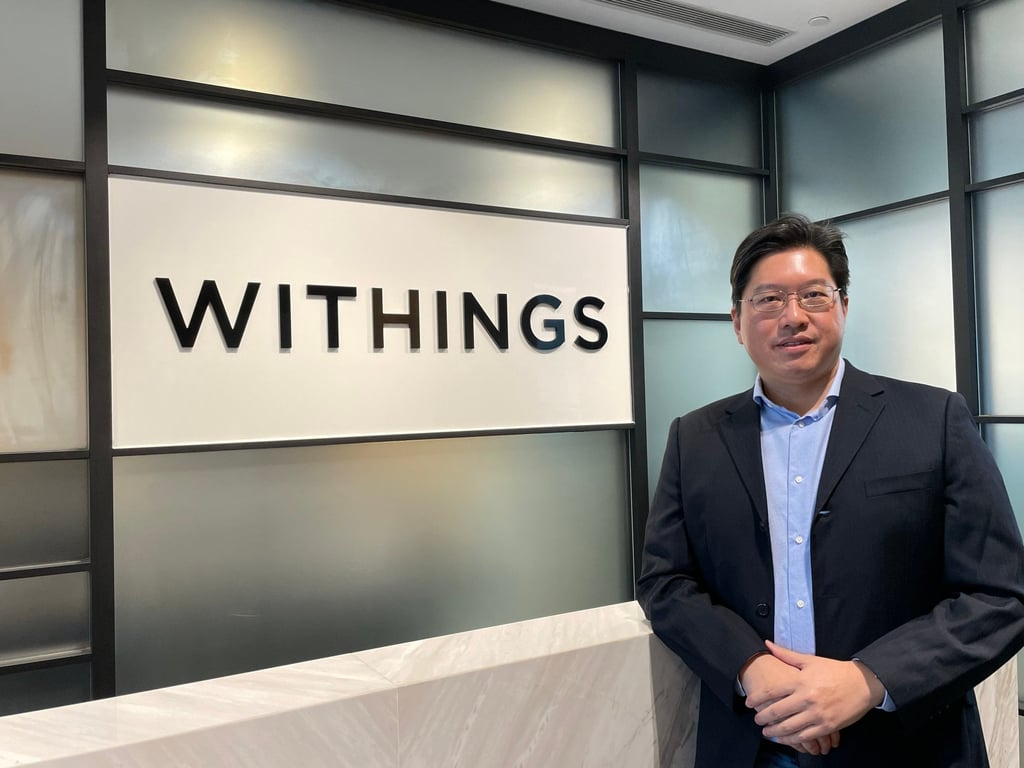
“Having observed the intersection of wealth, technology and medicine for over two decades, I’ve seen a fundamental shift in how UHNWIs approach their health,” says Yu. “For instance, they can now obtain highly personal, multifaceted data through genetic testing. This data is then coupled with 24/7 monitoring to create a dynamic, precision health profile. By integrating data with phenotype information, we’re able to form a complete health road map.”
Withings makes a variety of health and wellness devices, including hybrid smartwatches, smart scales, blood pressure monitors, thermometers and sleep systems. They track important metrics like heart rate, sleep, activity and body composition to help users form personalised, clinical insights.
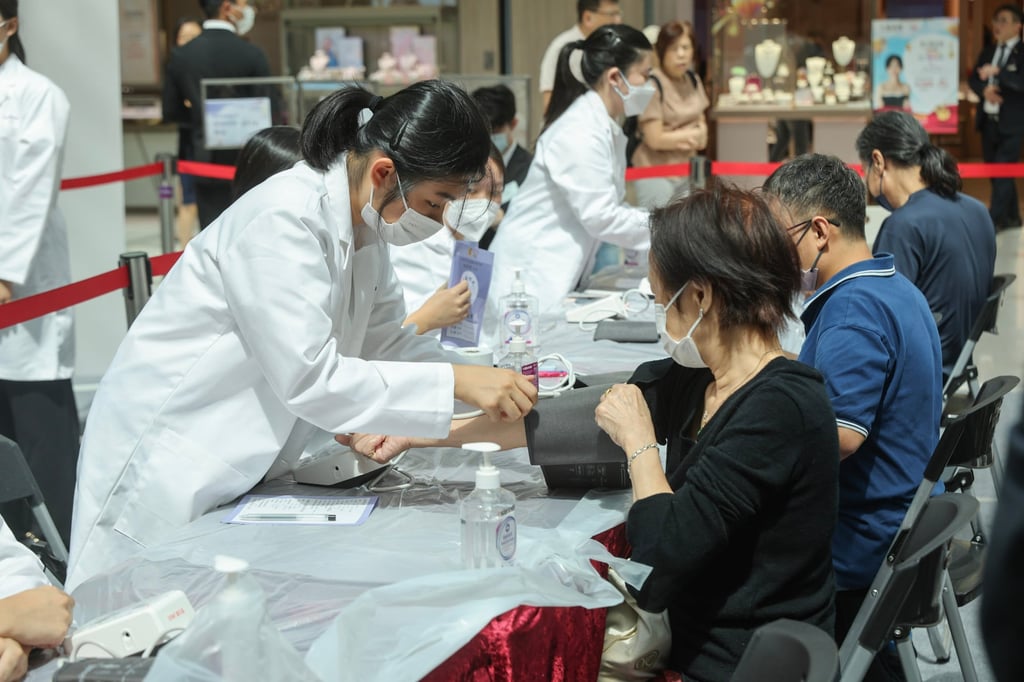
According to Yu, one thing that all of these devices have in common is the use of AI as the “indispensable engine” that transforms 24/7 data into actionable intelligence. Examples of AI-powered services include Remote Patient Monitoring (RPM) platforms and digitised home body scans that would previously have required multiple clinical visits, meaning these wearables don’t just improve health outcomes, they save time as well.
“Other examples of AI-powered services are pattern recognition and anomaly detection,” Yu explains. “AI models can detect subtle, multi-variable deviations – such as a concurrent rise in resting heart rate, a drop in heart rate variability and sleep degradation. Such deviations can signal an impending infection, overtraining or excessive stress long before symptoms appear.”
Yu expects the size of the AI-wearables market to increase exponentially in the coming years: “Based on our discussions with various health sector players, individual clinics, health sector organisations and hospitals are working to introduce pre-disease screening services; in many cases, we are seeing an explosion in service subscriptions. If we consolidate concierge medicine, high-end longevity clinics and advanced biohacking tools, we are looking at a niche already worth tens of billions of dollars today, on a clear trajectory to reach the low hundreds of billions within the next decade.

“UHNWIs, while small in number, disproportionately fuel this growth through their capacity for six- and seven-figure annual health expenditures.”
Also spurring the growth of this industry is the recent “biohacking” trend in which data is used to measure and enhance physical and cognitive performance. One of the most devoted proponents of this approach is Bryan Johnson, whose company Kernel creates devices that monitor and record brain activity. Johnson is at the forefront of the anti-ageing movement, a realm of biohacking in which individuals try to slow down or, in extreme cases, reverse the ageing process.
“For UHNWIs, biohacking is ultimately about deploying capital and expertise to gain maximum agency over their health span, cognitive performance and longevity,” Yu says. “The entire process is one of continuous optimisation – a form of rigorous A/B testing on one’s own biology, with a dedicated team constantly refining protocols based on objective feedback.”
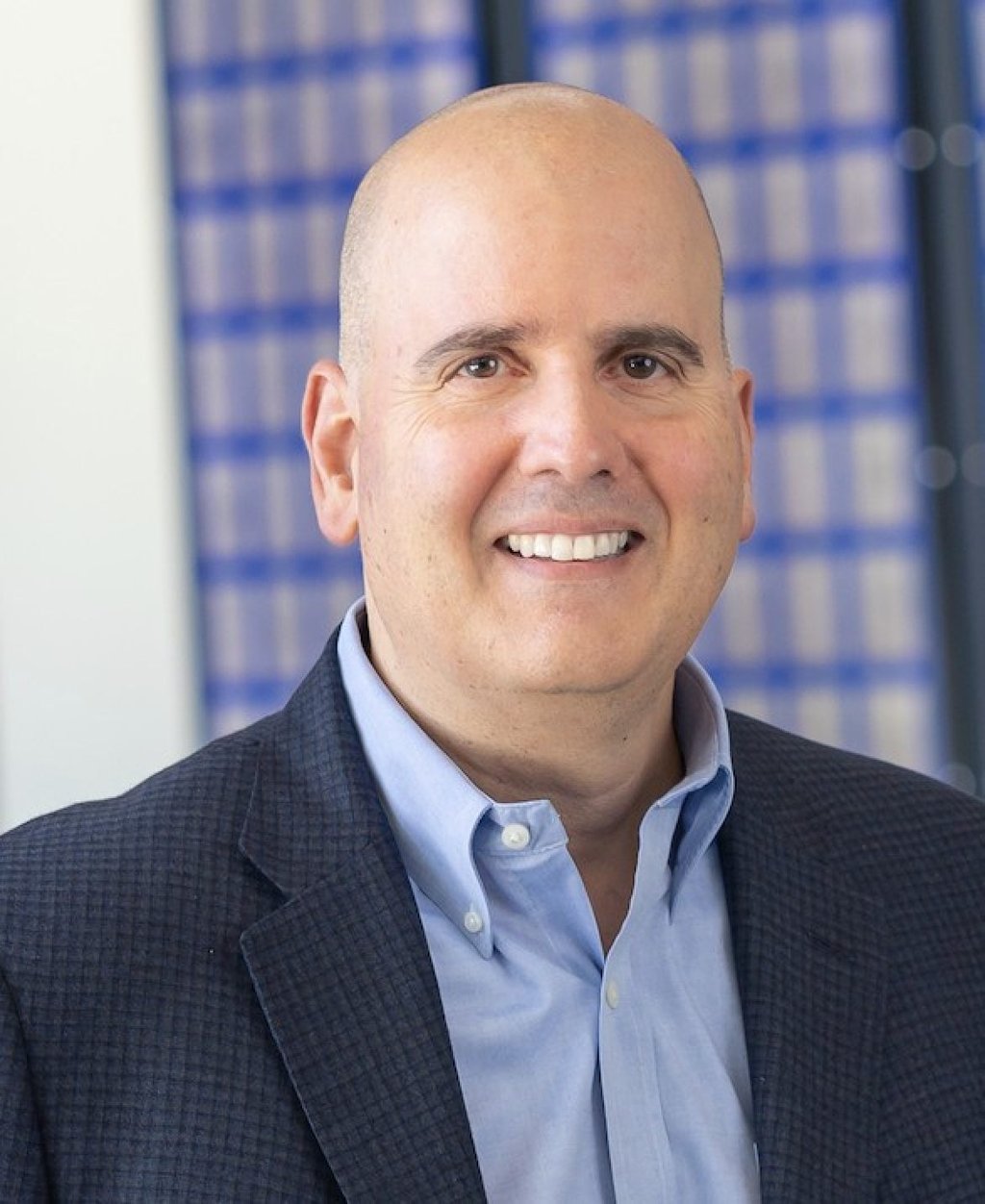
So what are the remaining hurdles in the way of this new world in which AI-wearables are used to optimise the health of UHNWIs and even retail users? According to Dino Bekis, vice-president and general manager of the Wearables and Mixed Signal Solutions business unit at Qualcomm, cloud connectivity is essential to have continuous health data monitoring and interactivity between different devices. Therefore, he believes that the future of wearables is one of devices which have the hardware needed for intensive AI processing, and low-power, always-on connectivity.
“I see the ability to put more and more of these AI or machine learning capabilities on devices to address that core problem,” says Bekis. “You still need connectivity. You still need connection to the cloud. But there will always be, I think, a hybrid model of how these models interact with each other. So the more capability you have on-device, the better the quality of the experience.”
For UHNWIs, biohacking is ultimately about deploying capital and expertise to gain maximum agency over their health span, cognitive performance and longevity
The next big breakthrough, Bekis believes, is getting medical-grade sensors onto these wearable devices, something for which many original equipment manufacturers (OEM) start-ups – including several in Hong Kong – are currently striving. An example is Probioverse, which is working on developing wearable devices and AI systems to monitor and treat gut problems continuously.
“Can wearable sensors provide measurements equivalent to those in a clinical environment?” asks Bekis. “Every OEM is striving for this breakthrough, which would not only enhance today’s experiences but also change how wearables are perceived,” he says. “Instead of a once-a-year doctor visit, you could have continuous, high-quality measurements provided to your doctor and other service providers. This can revolutionise healthcare, changing how we view wellness and handle health on a broader scale over the long term.”
此内容由惯性聚合(RSS阅读器)自动聚合整理,仅供阅读参考。 原文来自 — 版权归原作者所有。