


惯性聚合 高效追踪和阅读你感兴趣的博客、新闻、科技资讯
阅读原文 在惯性聚合中打开

推荐订阅源

腾讯CDC
IT之家
IT之家
有赞技术团队
有赞技术团队
WordPress大学
WordPress大学
Apple Machine Learning Research
OSCHINA 社区最新新闻
OSCHINA 社区最新新闻
人人都是产品经理
人人都是产品经理
The Cloudflare Blog
钛媒体:引领未来商业与生活新知
钛媒体:引领未来商业与生活新知
freeCodeCamp Programming Tutorials: Python, JavaScript, Git & More
博客园 - 【当耐特】
V
V2EX
Last Week in AI
Last Week in AI
H
Help Net Security
The GitHub Blog
The GitHub Blog
S
SegmentFault 最新的问题
F
Fortinet All Blogs
I
InfoQ
宝玉的分享
宝玉的分享
A
About on SuperTechFans
MongoDB | Blog
MongoDB | Blog
Microsoft Azure Blog
Blog — PlanetScale
Blog — PlanetScale
B
Blog

South China Morning Post

Singapore drama sparks Malaysian ire over scam hub depiction Time to act on stalled proposal toughening child abuse penalties, lawmakers say ‘Eager to explore’: Chinese migrants return to Venezuela after Maduro’s capture ‘We have no trust in the other side’: Iran blames US as talks end with no deal Opinion | Why securing Hong Kong’s economic future is a cultural question Hong Kong’s ministerial team spent HK$46.6 million on visits in past 3 years China family creates AI clone to comfort elderly mum after only son dies in crash Canada Olympic star Williams plans on ‘having a ‘blast’ at Hong Kong Sevens Singapore’s robotaxi drive revs up with help from Chinese AV leaders Editorial | Making Hong Kong desirable to overseas students must be a priority All 7 are dentists and hot. The Asian-American family blowing up social media Editorial | Ageing Hong Kong should welcome more open conversations around death My Take | Discovery Bay will never be the same if the restriction on taxi access is lifted Medical intern suspended after complaint over patient data in social media post Fish and vegetarianism major flashpoints in India’s West Bengal election Chinese crystal ‘paves way’ for GPS-free thorium clock navigation SCMP Best Bets: Endued can show his quality at Sha Tin Russia and Ukraine begin 32-hour ceasefire for Orthodox Easter Israeli spy firm Black Cube involved in Cyprus corruption probe ‘A big deal’: military drills show Tokyo’s growing focus on deterring China China targets middlemen in renewed crackdown on ‘hidden’ corruption Hong Kong-born gymnast leading quest to turn Singapore into elite hub Thais celebrate new year despite fuel price shocks delaying travel Harry Bentley tees up two good chances in Smart Golf and Elite Golf at Sha Tin Is this Kenyan rail project a model for Chinese and Western firms in Africa? Unearthing peace: ancient China gravesite reveals significance of broken weapons Meet Queen Elizabeth’s youngest grandchild, James, who was at Easter service Turtle found dead after apparent fall in Hong Kong’s Wong Tai Sin Landlords of 5,557 subdivided homes seek 3-year grace period to fix flats Trump critique pauses UK handover of Chagos Islands to Mauritius
Hong Kong parents and schools are rethinking sharing kids...
Jolene Otrem · 2026-05-15 · via South China Morning Post

When Jenny began questioning the presence of children’s faces online, it wasn’t because of her own daughters. “I think it was when my niece turned 13,” she says. “She told her mum, ‘I don’t like seeing my face on social media.’ That really stuck with me.”

Her daughters are now six and eight, but the comment prompted her to think ahead. “How will my kids feel when they see [their faces] in the future?” she wondered.

That question is increasingly being asked by millennial parents in Hong Kong. Driven by fears of digital predators, identity theft and the permanence of online exposure, many are choosing to limit – or entirely avoid – having their children’s faces shared online. Yet schools and activity centres across the city continue to photograph children routinely for WhatsApp groups, websites and social media posts, placing families and institutions in a delicate position.

A coin toss game at Korean International School. Photo: Handout

A coin toss game at Korean International School. Photo: Handout

Jenny (who did not provide her last name) is not opposed to school photography. What concerns her is how identifiable children become once images are paired with personal details. “As long as they don’t put a name to the photo, I’m actually OK,” she says. “First name is fine. But not full name, not class number.”

Like many parents, she has quietly adjusted her own habits over time, sharing less as her children grow older. “When they’re babies, you don’t think much about it,” she says. “But later, you start thinking: this is their identity, not mine.” Her approach reflects a wider shift – not necessarily to full opt-outs, but to greater scrutiny of how images are used, stored and circulated.

According to Professor Anna Hui, associate professor at the Department of Social and Behavioural Sciences at City University of Hong Kong, the sense of safety parents feel in “private” digital spaces is often misleading.
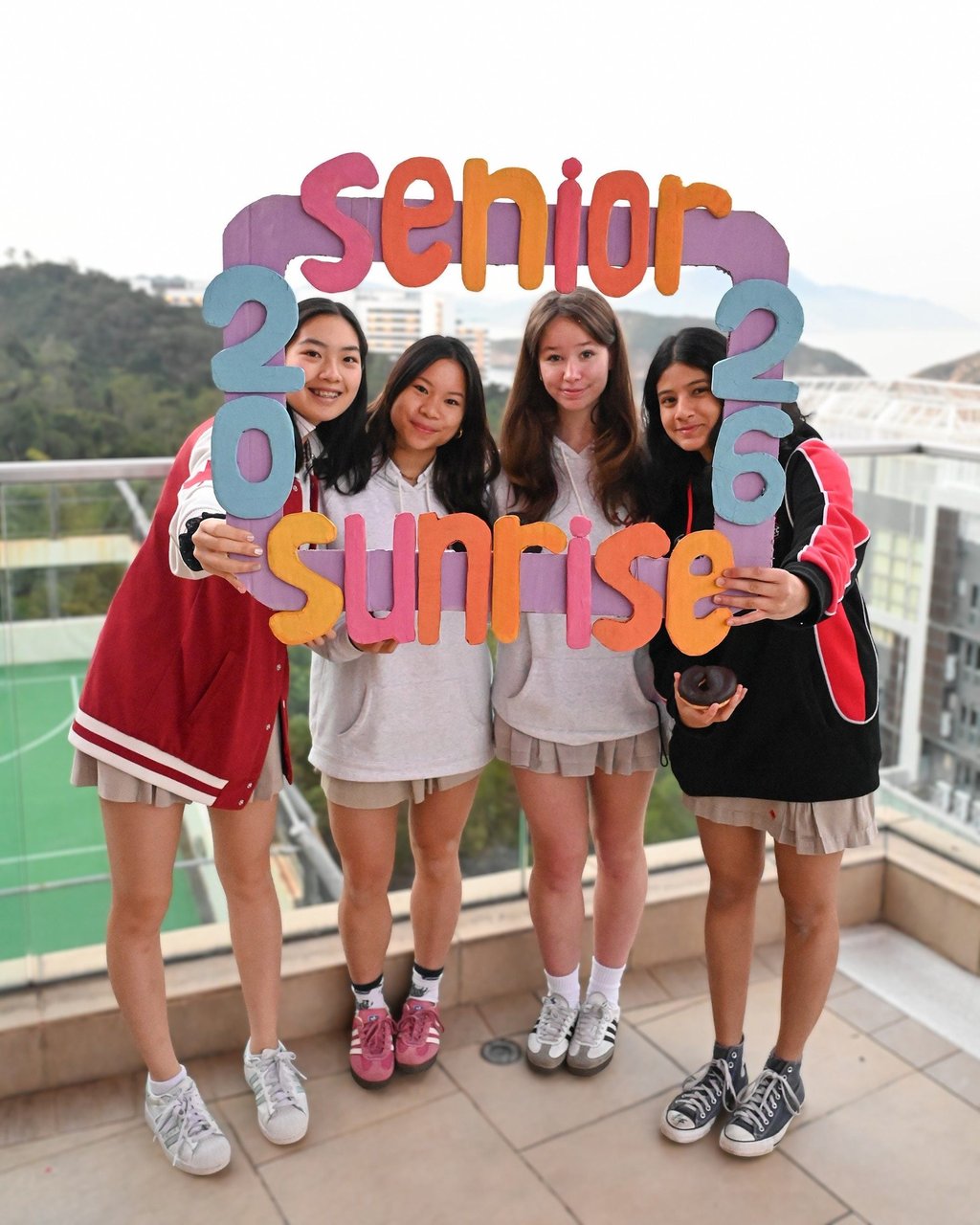
Four students from Canadian International School of Hong Kong (CDNIS). Photo: Handout

Four students from Canadian International School of Hong Kong (CDNIS). Photo: Handout

“When people think a setting is private – like a WhatsApp group – their sense of security drops,” she explains. “They tend to share more.” That information, she warns, can later be repurposed for identity theft, scams or psychological harm. Once a child’s image is linked to a full identity, it becomes part of what she calls a digital “avatar”.