


By 2060, old-age to work-age ratios will double and 20 per cent of the population will be aged 65 or older, according to OECD predictions. The prospect of fewer young people to care for increasing numbers of elderly in their retirement makes financial planning and healthcare increasingly paramount concerns.
“Chronic diseases are getting more prevalent and the age of onset is getting younger,” says Dr Shiba Poon, a general practitioner with OT&P Healthcare. “The majority of non-communicable diseases can be prevented through lifestyle. The aim of longevity is not just about extending the lifespan, but prolonging the healthspan, to strive for an independent future with quality of life.”
OT&P is one of a handful of providers in Hong Kong beginning to offer cutting-edge healthcare options in longevity medicine. Such providers tend to focus on an array of tech-empowered monitoring solutions, early screening and diagnostic tools, as well as on preventive medication, such as the anti-ageing Metformin and senolytic supplements that eliminate senescent cells.

“Apart from standard blood tests and imaging,” Poon says, “specific genetic tests, serum biomarkers and stool microbiome tests are available to identify risks of cardiovascular diseases, cancers and dementia.”
A white paper from the International Institute of Longevity similarly cited biological, clinical and digital phenotyping. This includes microbiome tests, biomarkers, tracking advanced metrics like arterial stiffness, sleep quality and VO2 max (the maximum rate of oxygen your body can use during intense exercise), alongside the use of tools like AI-powered wearables.
Longevity medicine aims not to replace traditional healthcare but to work alongside it. “Longevity solutions are an adjunct to medical and surgical treatments to optimise outcomes, treating each patient as a whole person to provide personalised care,” says Poon. “These solutions allow patients to gain further insight into their health and empower them to choose healthier behaviours, to avoid environmental toxins and to take ownership of their well-being.”
The synergy between longevity care and traditional medicine may also require greater financial resilience.
Explains Samir Subberwal, Standard Chartered’s global head of wealth solutions, retail products, data and analytics: “Healthcare‑ and wellness‑linked real assets – including hospitals, medical centres, senior living and wellness‑centred properties – are attracting growing attention due to their relatively defensive characteristics, stable demand and ability to generate resilient income streams across economic cycles. These assets are often viewed as supporting both long‑term financial stability and quality of life as longevity increases.”
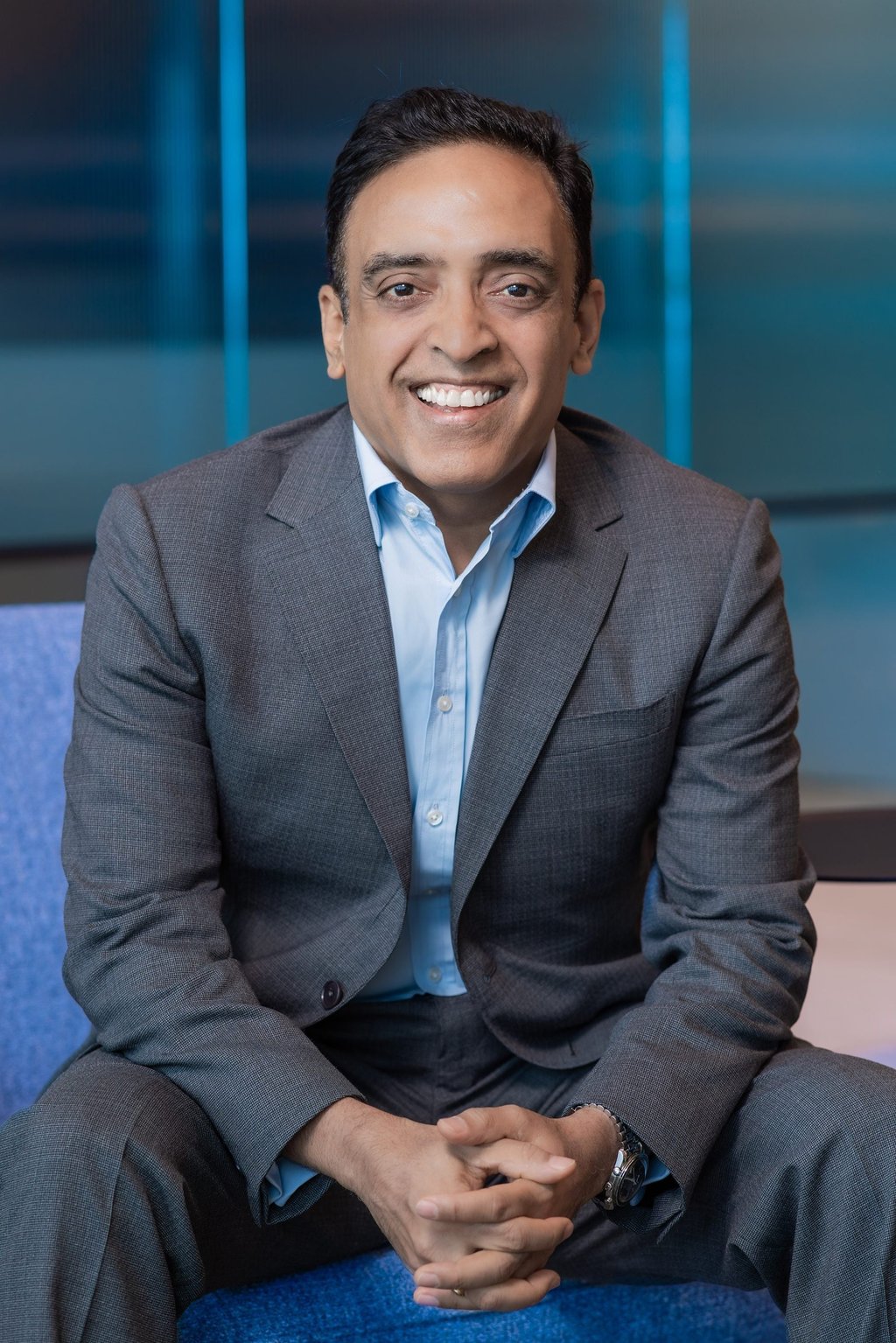
It’s a robustness and a spend for which people are willing to plan. Not only is society ageing rapidly, the elderly are also living longer. The Institute for Health Metrics and Evaluation in 2024 projected that global life expectancy would increase 4.5 years between 2022 and 2050. Meanwhile a Forbes 2025 survey of high-net-worth individuals (HNWI, with net assets of at least US$1 million) showed that over 96 per cent of the 250 respondents believed nothing is more important than health, while 65 per cent prioritised high-end medical protection. At the same time, only 44 per cent felt adequately prepared for post-retirement healthcare and, in 2024, 18 per cent felt healthcare costs would increase.
“Longer life expectancy changes not only how much wealth clients need, but also how they think about resilience, quality of life, and the risks that can materially affect long‑term financial outcomes,” says Subberwal. “Preventive health is increasingly seen as a way to protect human capital, extend productive and earning years, and support more consistent wealth accumulation.”
Subberwal explains that liquidity and insurance are crucial for clients incorporating healthcare preparedness into financial planning. “This often includes setting aside dedicated health emergency buffers to create liquid capital that can absorb medical shocks without forcing the liquidation of long‑term investments. Such buffers act as a bridge between healthcare needs and wealth objectives, helping preserve financial discipline during periods of stress,” he says.
Integrated wellness insurance models are also key enhancements for insurance plans, says Subberwal, “combining medical coverage with preventive care, mental health support and digital health insights, helping to manage long‑term healthcare costs and improve overall risk profiles. Life insurance and casualty insurance also contribute by providing liquidity for estate planning and shielding assets from large, unpredictable losses.”

Also, on the lifestyle and longevity fronts, Subberwal cites Standard Chartered’s “Today, Tomorrow and Forever” approach to financial planning – which focuses on lifestyle protection and financial resilience – while partnerships with providers like Bupa Global and Whoop wearables “shift conversation from reactive healthcare funding to proactive health management”.
“Wellness‑centred living environments, characterised by features such as clean air, natural light and active lifestyles are gaining prominence as they tend to demonstrate stronger value retention and liquidity than conventional real estate,” he says. “As a result, longevity is increasingly framed as a combination of lifestyle quality, productivity and long‑term wealth preservation rather than a narrow healthcare concern.”
Such environments can encourage healthier lifestyle choices too. OT&P’s Poon suggests looking into the related area of lifestyle medicine here. “[It] empowers patients to adopt healthy behaviours in order to prevent or minimise complications of chronic illnesses,” she says.
This includes improving diet, increasing the amount of physical activity, optimising sleep and prioritising quality social interactions.
此内容由惯性聚合(RSS阅读器)自动聚合整理,仅供阅读参考。 原文来自 — 版权归原作者所有。