










The Strait of Hormuz, a major global chokepoint for fertilisers and other agricultural inputs as well as oil, has been under blockade since the start of joint US-Israeli strikes on Iran in February.
Despite rising concerns over the impact of the conflict on global food production, China – supported by an advanced crop forecast system – recently said its domestic yield of grains and oilseed would increase this year.
Viorel Gutu, an assistant director general of the UN Food and Agriculture Organization (FAO) and a regional representative for Europe and Central Asia, said many countries were already “experiencing the shock”, including high input costs and low availability.
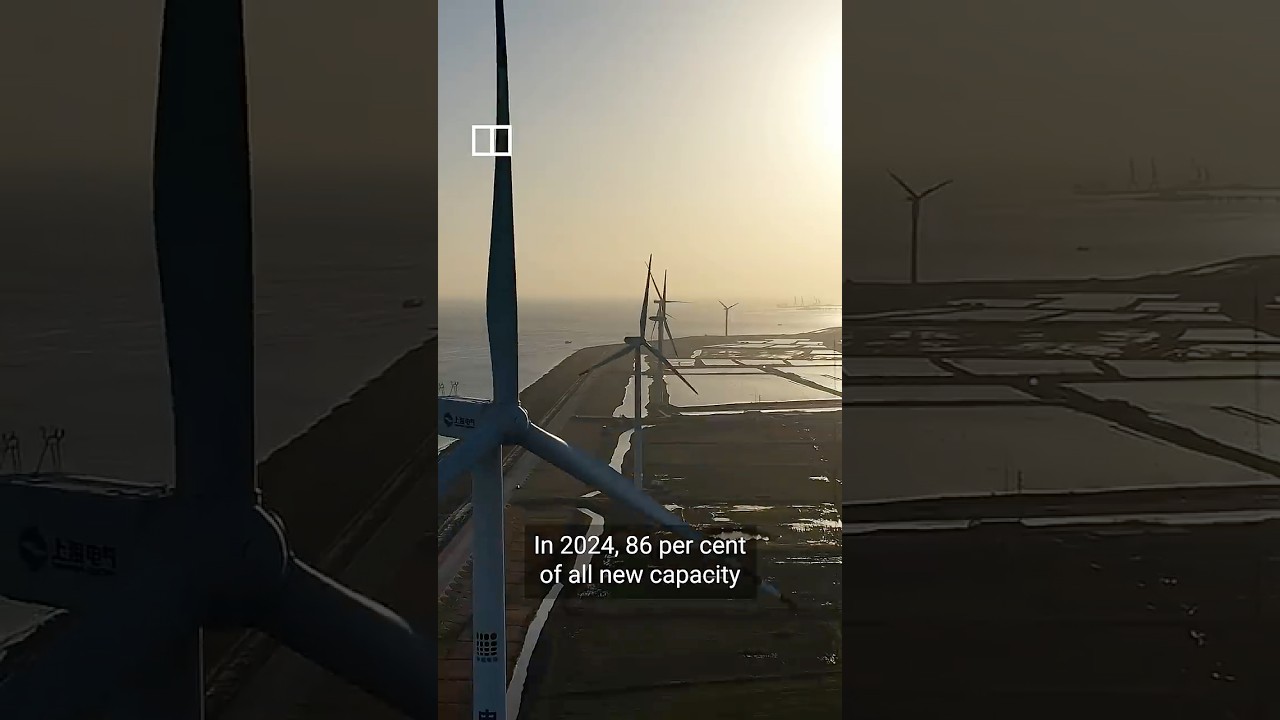
How China’s energy structure cushions the blows of global oil crisis
How China’s energy structure cushions the blows of global oil crisis
“The Strait of Hormuz is the key global route accounting for 20 to 45 per cent of the global traffic of essential agricultural inputs,” Gutu said in an interview with the South China Morning Post on the sidelines of the Regional Ecological Summit in Kazakhstan last month.
此内容由惯性聚合(RSS阅读器)自动聚合整理,仅供阅读参考。 原文来自 — 版权归原作者所有。