










Rapid technological advances and the ever-changing geopolitical landscape and trade relations between nations are transforming economies around the world – while creating unprecedented opportunities and challenges for businesses and investors.
These changes – and their implications for markets, public policies and long-term investment – were the focus of last month’s 29th edition of the Asian Investment Conference (AIC), which featured a week-long series of discussions and curated activities held across Singapore and Hong Kong.
The conference, hosted by UBS, the Switzerland-headquartered multinational investment bank and financial services firm specialising in global wealth management, brought together top policymakers, business executives and investors for a series of high-level conversations on the forces shaping the global economy.
This year’s AIC, themed “Investing in an age of change”, explored four main topics: factors having an impact on the global economy; business adoption of emerging technologies such as artificial intelligence (AI); the future of finance; and the economic outlook for Asia and beyond. In total, the AIC’s activities attracted more than 6,200 attendees across both locations.
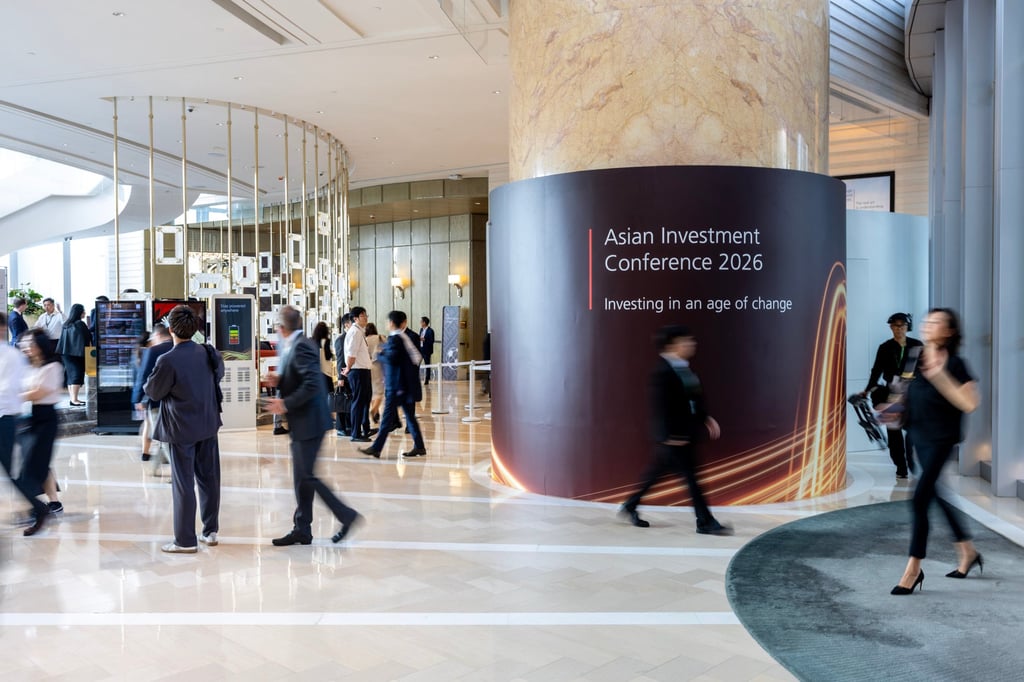
The Hong Kong programme opened on May 26 with the inaugural AIC Wealth Forum. Senior industry leaders, next‑generation innovators and prominent figures in wealth management offered advice and a greater understanding of how to navigate a dynamic market environment in speeches, panel discussions and fireside chats that examined macro and geopolitical developments and key investment themes, including AI, longevity, global connectivity and commodities.
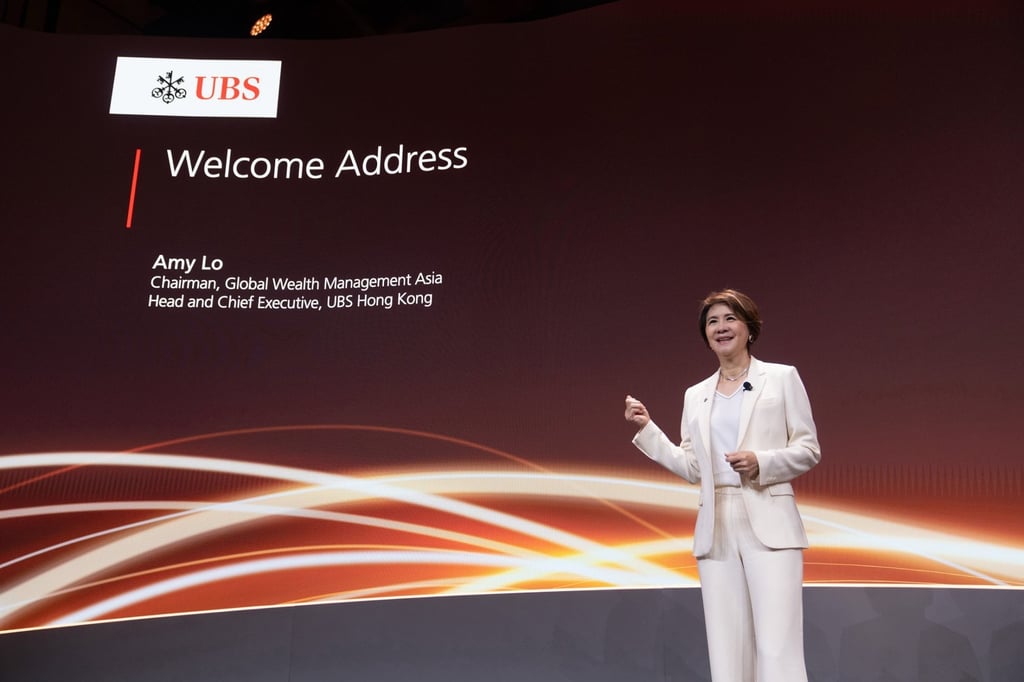
“The forum marks an important milestone for UBS, as we introduce a dedicated platform within the Asian Investment Conference curated for our wealth management clients,” Amy Lo, chairman of UBS Global Wealth Management Asia and head and chief executive of UBS Hong Kong, said in her welcome remarks at the one-day forum.
She also highlighted the event’s overarching theme and its relevance during a time of great geopolitical, technological and structural change across the world’s economies.
Both she and Iqbal Khan, UBS’ co-president of Global Wealth Management and president of UBS Asia-Pacific, in his own welcome remarks, stressed the importance of fostering a “global connectivity corridor” between Asia and regions such as the Middle East, Latin America and Europe during the current geopolitical climate.
In his opening speech, Hong Kong Deputy Financial Secretary Michael Wong Wai-lun said the city’s government shared the belief of the conference’s central theme.
“The theme ‘Investing in an age of change’ carries a firm presumption that regardless of what may happen around you – good times or bad times – you just have to keep on investing,” he said.
“Hong Kong, as an economy, must not be brought down by immediate obstacles or short-term uncertainties. We have to look beyond them and keep on investing in areas that will bring us sustainable returns and grow our long-term competitiveness.”
How technology redefines wealth
The forum began with a keynote fireside chat titled “Nobel perspectives: technology, power and the future of growth”, where Simon Johnson, winner of the 2024 Nobel Prize for economics, shared his insights into how AI will come to redefine prosperity in the years ahead.
He said that, although the automation that comes with AI will help businesses enhance their productivity by replacing human labour with algorithms, it was also important to look at how it could bring augmentation, which involved upgrading people’s skills and expanding their capabilities.
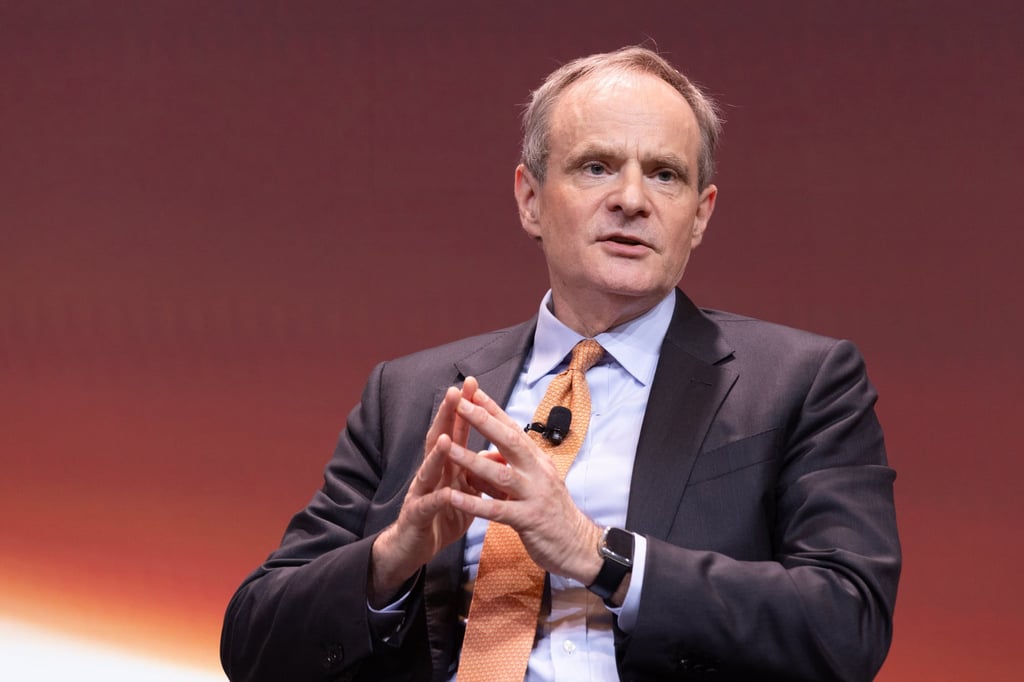
Johnson, a professor at MIT Sloan School of Management, at the Massachusetts Institute of Technology in the United States, and a former International Monetary Fund chief economist, said that while many businesses were showcasing how they were using AI to impress their customers and investors, they needed to go one step further.
“The key is to think about how AI has expanded your capacities, as well as how it benefits your workers, your community and society as a whole – that’s the story that needs to be told,” he said.
Building stronger global connections
The forum also featured discussions that explored how Asia can strengthen its connections with existing and new trading partners.
In a session titled “Two cities, one ambition: how Hong Kong and Dubai are building the future of family wealth together”, Hadi Badri, CEO of Dubai Economic Development Corporation, highlighted how the two global financial hubs shared a common role as the “gateway and superconnector” for the broader region. He said Dubai served as a platform and regional base for companies to tap into the wider Middle Eastern, European and African markets.
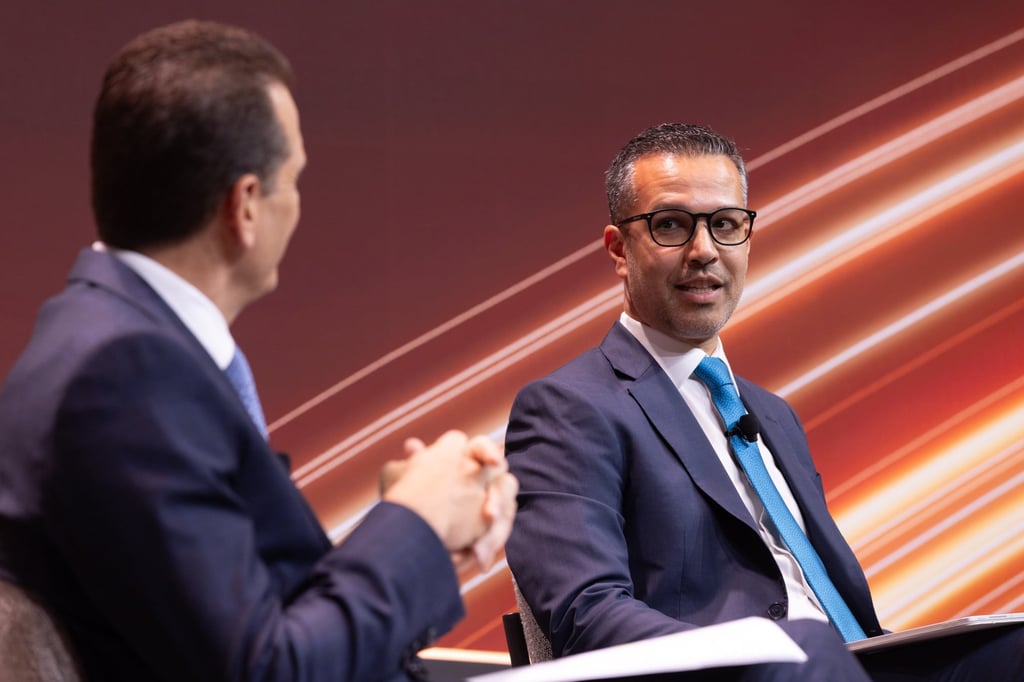
Badri said he also believed that Hong Kong and Dubai were “complementary markets” for businesses, especially family offices. “It’s not about shifting people from one market to another, but more about how Dubai can serve Asian families outside Hong Kong and help them build new capabilities on the ground in Dubai,” he said.
The session was followed by a panel discussion in which cross-border investment advisers and leaders from the energy and tourism sectors shared their perspectives on platforms and opportunities that can help Asian and Middle Eastern companies scale their operations across both regions.
Another session, featuring Alejo Czerwonko, chief investment officer of Emerging Markets Americas at UBS, and Jose Auriemo Neto, chairman of Brazilian real estate developer JHSF Participacoes, focused on building a growth corridor with Latin America. They both shared insights into how the region is becoming an increasingly important market for trade, capital and long-term growth for Asian companies as supply chains continue to diversify in the current geopolitical landscape.
The remainder of the forum covered a wide range of topics, including how health and longevity are essential foundations of a fulfilling life, the evolving role of private investments in a complex market environment and how commodities such as gold are re-entering the global conversation as markets respond to risks linked to things such as inflation and energy security.
Navigating the age of change in the Asia-Pacific region
Khan noted that the AIC had become a premier annual investment conference in the region, where leading policymakers and figures from the world of business and industry could gather to exchange ideas and different perspectives on the forces shaping Asian and global markets.
He also said Asia-Pacific had become an increasingly important market for UBS. “Asia-Pacific is our fastest-growing region where we continue to lead as the largest wealth manager by assets under management and remain a consistent top-tier investment bank,” Khan said.
“In a world of fast-changing narratives, some of the biggest risks facing investors are: losing investment discipline, under-allocating and lacking diversification. This is where our role as advisers in providing strategic insights and investment solutions becomes more important than ever.”
Access further insights from the UBS Asian Investment Conference here.
此内容由惯性聚合(RSS阅读器)自动聚合整理,仅供阅读参考。 原文来自 — 版权归原作者所有。