





Iran’s closure of the Strait of Hormuz in the Middle East has turned the spotlight on a strategic waterway thousands of miles away in Southeast Asia, with littoral states having different ideas on how to control their stake.
Indonesian officials last week flirted with the idea of imposing tolls for passing vessels in the Strait of Malacca. Malaysia and Singapore, however, have insisted that navigation in the vital corridor remains free.
The likelihood of tolls in the strait is low thanks to strong Asean cooperation, analysts say, but more can be done by member countries and even external powers to ensure the waterway stays free to all traffic.
Indonesian Finance Minister Purbaya Yudhi Sadewa floated the idea of imposing a levy on ships passing through the Malacca Strait on Wednesday. Purbaya said this would align with President Prabowo Subianto’s directive that Indonesia should no longer be seen as a “peripheral nation” but a “key player” on the global economic stage, according to local media reports.
A day later, Foreign Minister Sugiono said Jakarta would not impose tariffs on vessels passing through the strait as doing so would not be consistent with international law.
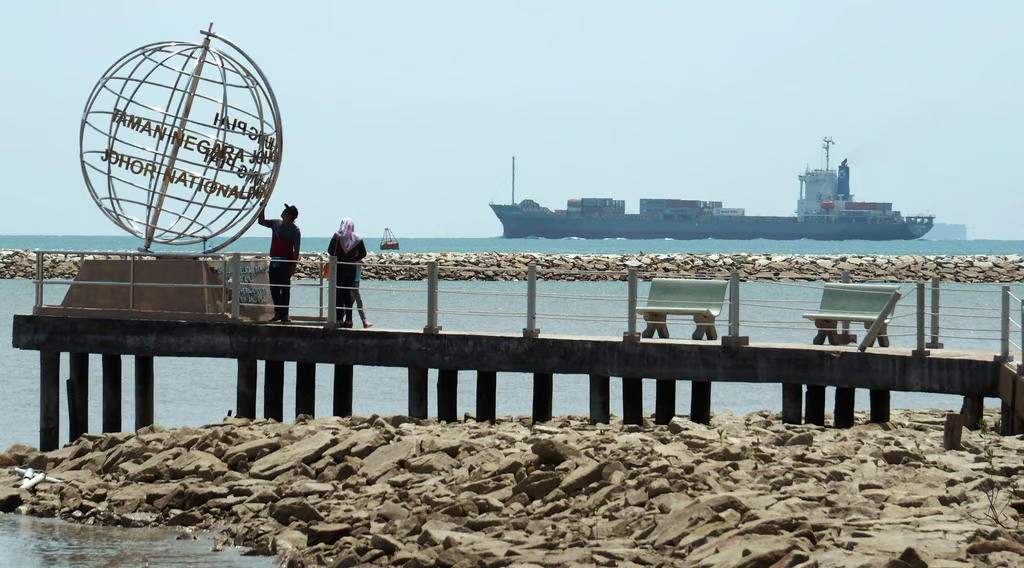
Then, over the weekend, Maritime Security Agency chief Irvansyah called the strait a “giant sea toll road” that Indonesia had not fully utilised.
此内容由惯性聚合(RSS阅读器)自动聚合整理,仅供阅读参考。 原文来自 — 版权归原作者所有。