


Not so long ago, perfume culture was simple: find a signature scent, commit, and let it announce your presence like a theme song. You then wore that same bottle on a humid July commute and a January night out – and it would express two different personalities.
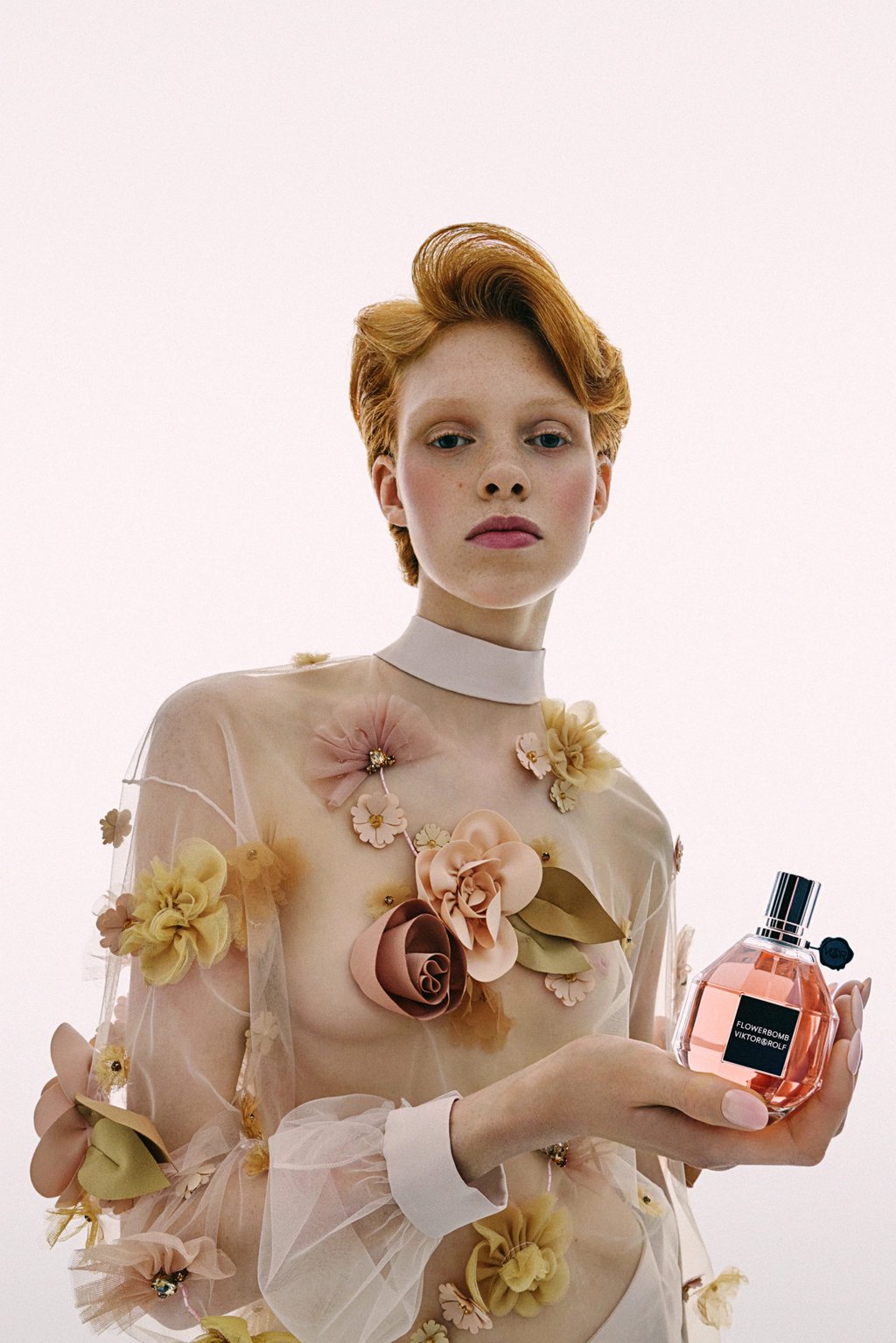
The reason behind this phenomenon? The weather. Ambient conditions change the way a perfume evaporates, projects and lingers, which means the same formula can feel crisp and sparkling one day, then dense and oddly shouty the next. “The simplest reason is temperature and humidity,” says Grace Cha, brand manager at Keyth, a Korean beauty brand. “Heat causes a scent to evaporate more quickly, which makes it project more strongly and feel brighter or sharper.” In contrast, in cold and dry weather, evaporation tends to slow. “The scent stays closer to the skin and feels softer and less powerful.”
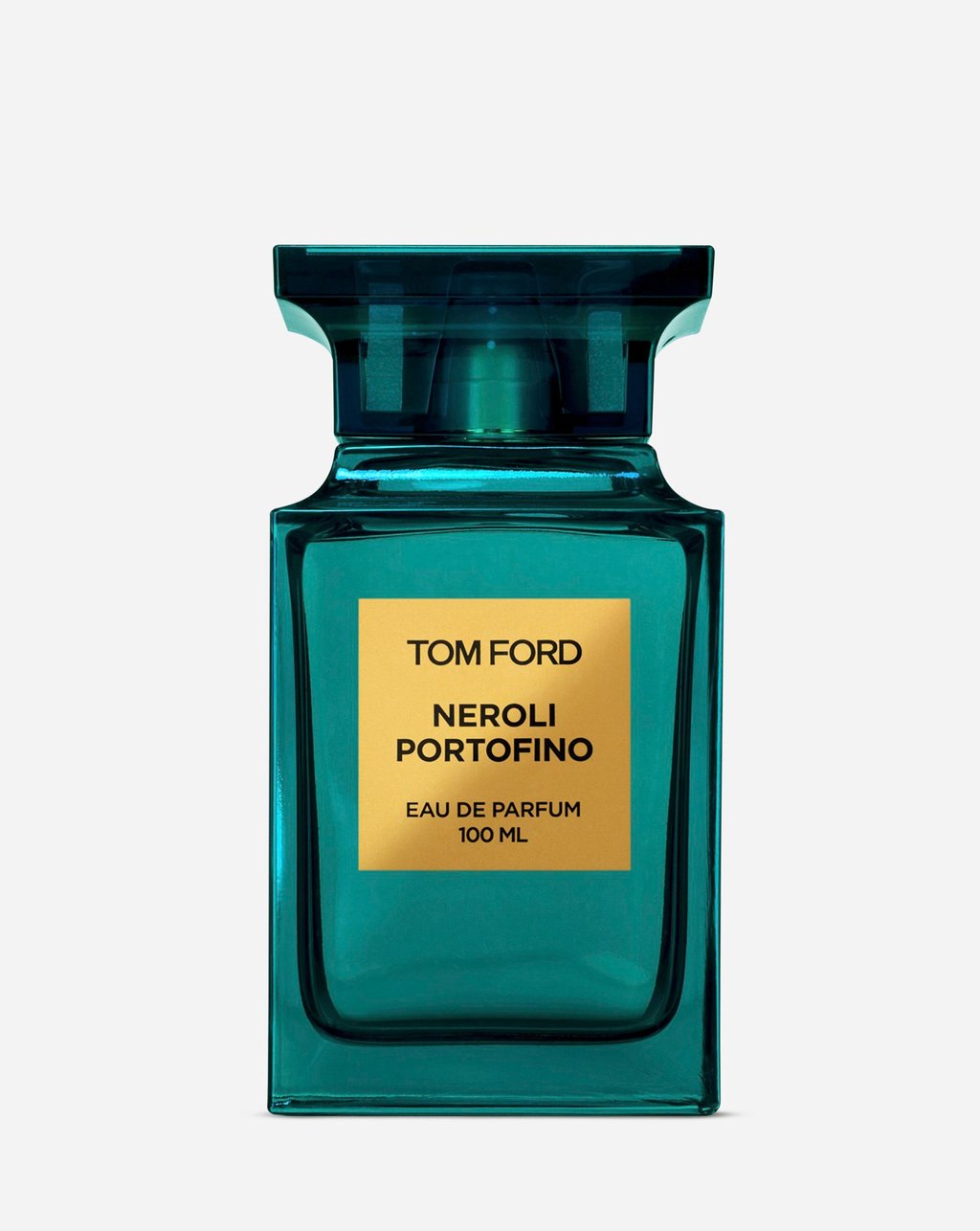
A bright neroli-citrus like Tom Ford Neroli Portofino, for example, might bloom beautifully indoors, then vanish the moment you step onto a sun-baked street.
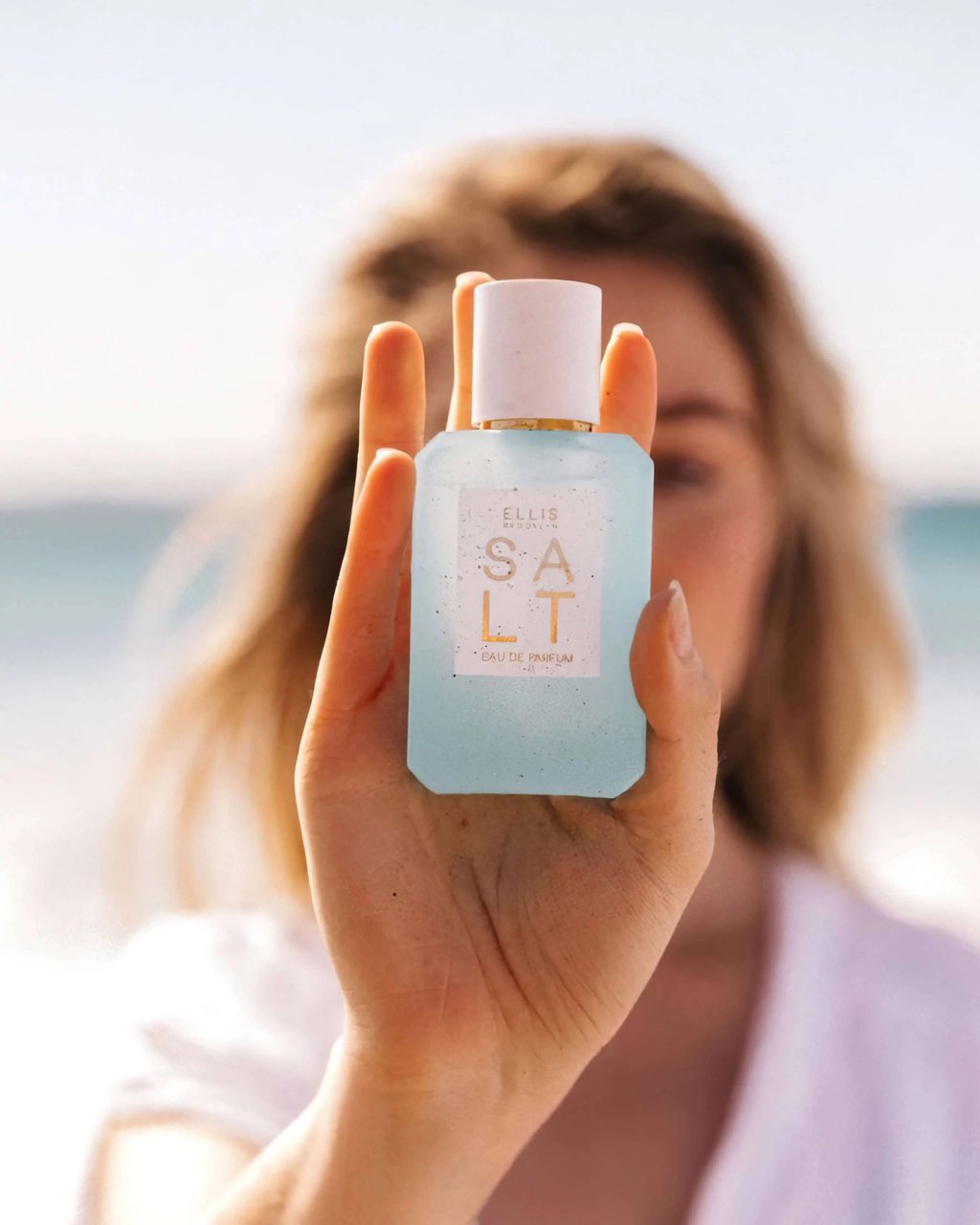
Enter humidity and things get more complicated. When there’s a lot of moisture in the air, scent can linger and travel farther, but sweat and damp skin can also break it down fast. When the air is dry, the problem flips: dry air can lead to dry skin, and dry skin is basically a non-stick pan for fragrance. Still, Julie Bhakta, business development director at Anisha International, says weather is only one part of the equation. “Humidity, airflow and skin temperature all affect the way a fragrance projects. Not only that, but also the pH level of the skin and whether the skin is dry or moisturised.” Even the food we eat can affect how a perfume performs, she adds.
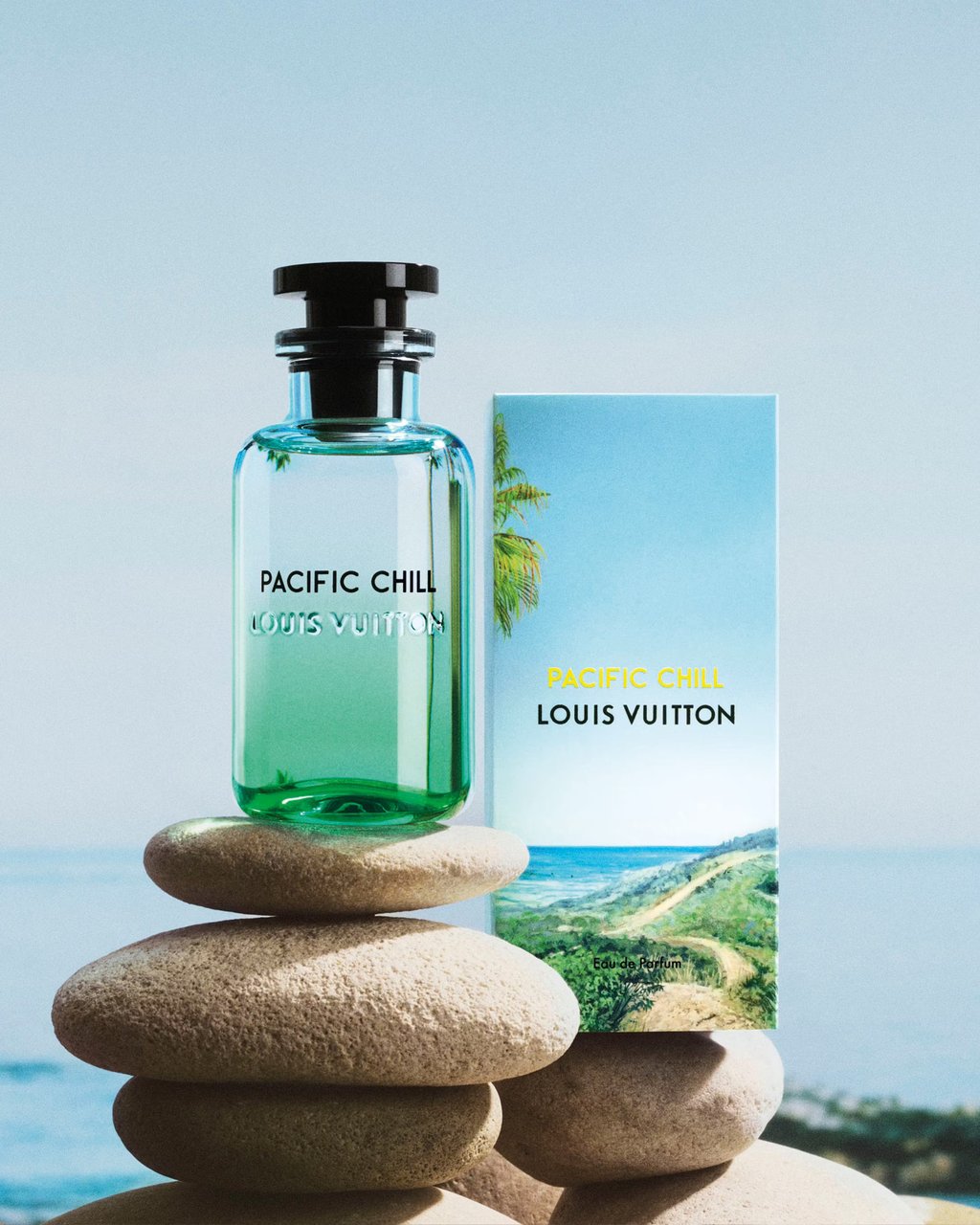
The ingredients inside the bottle matter too. “In general, top notes are the most sensitive to weather conditions,” says Cha, pointing to citrus materials like bergamot, lemon and grapefruit as naturally volatile. “In hot weather, they can disappear much faster or feel sharper than usual.” That’s why a citrus-heavy scent like Le Labo Bergamote 22 that feels elegant and smooth in spring can read almost fizzy, then gone, in peak summer.
Middle notes like florals and light spices tend to be steadier, while base notes such as musk, woods and spicy and animalic materials are the slow movers that tend to outlast everything else. “Heavier molecules tend to form the base of a perfume and are not so easily influenced by heat and air flow,” Bhakta explains. By contrast, she adds, “citrus and light florals are quick to evaporate and diffuse, especially in hot, humid environments”. For example, a warm amber like Maison Francis Kurkdjian Grand Soir, or something more dense like Tom Ford Tobacco Vanille, has far more stamina than a sparkling citrus cologne, but that stamina can be a lot in the wrong setting.
此内容由惯性聚合(RSS阅读器)自动聚合整理,仅供阅读参考。 原文来自 — 版权归原作者所有。