




Hyrox is a race that combines endurance and strength, pushing competitors – whether first-time amateurs or seasoned athletes – to their physical limits. As the competition grows into a global phenomenon – with races across Asia in cities like Singapore, Hong Kong, Bangkok and Tokyo – recovering well and quickly has never mattered more. Solutions range from stimulating circulation through contrast baths and compression, to adopting a more considered approach to nutrition and sleep.

The hours immediately after your race matter nutritionally more than most athletes realise. Maya Rolston, a British-qualified sport and exercise nutritionist, is direct about the priority. “In the first one to two hours post race, prioritise carbohydrates to replenish energy and protein to support muscle recovery,” she advises. If a full meal isn’t immediately possible, a protein shake paired with a fast carb source buys you time – but a proper meal should follow as soon as you can manage it.
Her framework for an ideal post-Hyrox meal is built around the four R’s of recovery: replenish, repair, rehydrate and rest. “Think carbs plus protein plus a bit of healthy fat – chicken with rice and vegetables, salmon with potatoes and veg, or sushi,” she says.
But nutrition alone can take athletes only so far.
Philipp Nardozza, founder and CEO of recovery equipment company Tundra, says what athletes feel after Hyrox goes far beyond ordinary tiredness. “Hyrox is particularly brutal in this regard because it demands aerobic capacity, anaerobic power, local muscular endurance and maximal strength – all in the same race,” he explains. “You’re constantly transitioning between upper-body-dominant and lower-body-dominant movements while running – each transition requiring your body to redistribute blood flow and clear lactate all over again. That accumulates fast.
“At the cellular level, you’re dealing with glycogen depletion, metabolite build-up, microscopic muscle damage, and the onset of an inflammatory response – all simultaneously,” he continues. “What a proper recovery set-up does – cold, heat, compression, infrared – is target each piece of that cascade at the same time, rather than leaving your body to work through it sequentially over 48-72 hours of passive rest.”
The ideal recovery isn’t about doing as many protocols as possible. It’s about building healthy habits
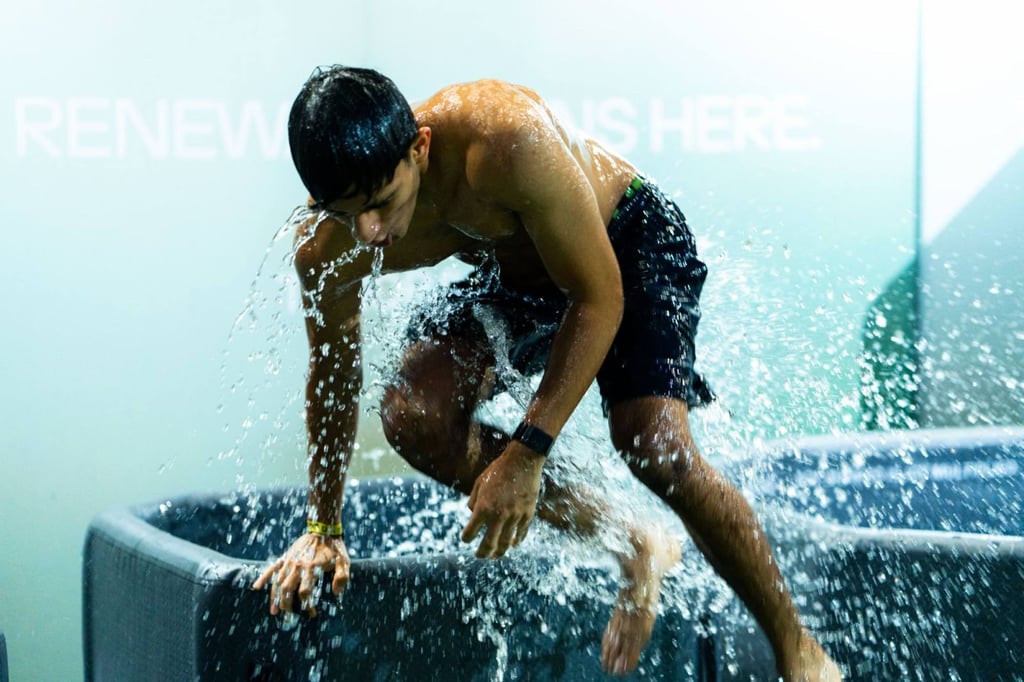
That’s why contrast therapy – alternating between extreme heat and cold exposure – has become increasingly popular among athletes trying to compress the recovery timeline. “In our 90°C-plus sauna, the body undergoes deep vasodilation, triggering heat-shock proteins that repair cellular damage,” Nick Chan, founder of Finnish sauna and recovery concept ASAP HK, says. “In our 6°C cold plunges, vasoconstriction limits excessive inflammation while a massive spike in dopamine and [noradrenaline] resets the nervous system.”
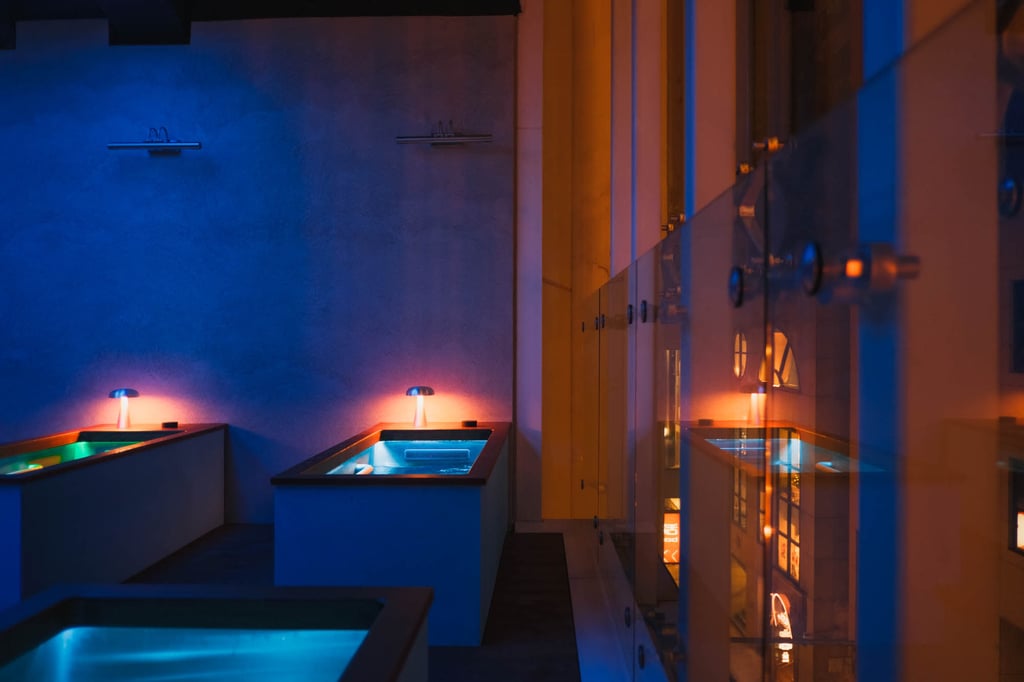
Alternating between the two creates what Chan describes as a “vascular pump”, helping flush the lymphatic system and circulate nutrients more efficiently through damaged tissue. “Heat and cold serve opposite but complementary roles,” he says. “This trains the nervous system to switch from high-alert ‘fight or flight’ to a calm ‘rest and digest’ state in minutes.”
The approach has roots in centuries-old Nordic and Japanese bathing cultures, though modern recovery spaces have reframed it for urban athletes chasing quicker turnaround times between training sessions, office work and travel. Still, Chan cautions against viewing recovery as a stack of expensive wellness hacks. “The ideal recovery isn’t about doing as many protocols as possible,” he says. “It’s about building healthy habits over an extended period of time as part of a holistic lifestyle.”

Sleep, in particular, remains the hardest part for many competitors. Ask any seasoned Hyrox athlete about race night and the answer is often the same: exhausted physically, but mentally unable to switch off. Adrenaline, elevated cortisol and nervous system overstimulation can linger long after the finish line. “No recovery protocol [can make up for] poor sleep,” Chan says. “What contrast therapy can do is prepare the body for deeper sleep by shifting the nervous system into a parasympathetic state.”
It’s not just a physical problem – it’s behavioural as well. Wellness entrepreneur Lindsay Jang has observed the same pattern play out repeatedly. “Most people stay ‘on’ after an intense event,” she says. “The hardest part of recovery is surrendering to it – which is why the environment matters so much.”
As Jang notes, physical and psychological experiences are inseparable when it comes to genuine recovery: “The physical work creates the permission to slow down, and the slowdown is where the real reset happens.”
此内容由惯性聚合(RSS阅读器)自动聚合整理,仅供阅读参考。 原文来自 — 版权归原作者所有。