


Growing up in the suburbs of Glasgow as one of only two Chinese children in her primary school, Eliza Chan rarely questioned her identity. Although her thick Scottish accent is the first thing you would notice about her, she says it was simply “normal” to be stopped on the street in her small town and asked where she was really from.
“It was one of those childhoods where I don’t think I realised what I wasn’t until other people told me,” she recalls.
Chan, 41, admits that this caused her to go through a phase of rejecting her Chinese heritage entirely – wanting only to be like her Scottish friends, bristling at the “weird” Chinese language and turning her nose up at the food. At university, something shifted.
Surrounded by students from Hong Kong and Malaysia at the University of Edinburgh, she was ambushed by regret: a wish that she could speak more Cantonese, an ache at being unable to read the characters well enough to join a karaoke session.
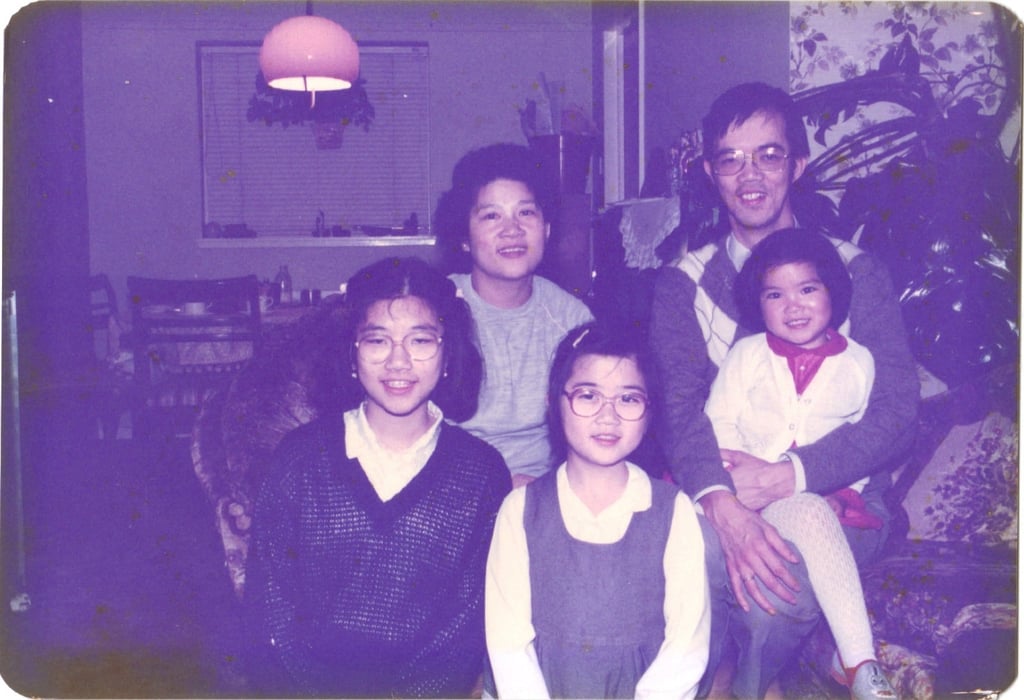
“I am who I am,” she says now. “It doesn’t make me less of either side. It just makes me different, and that’s OK.”
此内容由惯性聚合(RSS阅读器)自动聚合整理,仅供阅读参考。 原文来自 — 版权归原作者所有。