









I WAS BORN in a prefabricated asbestos hut left over from World War II at the site that had been the (American) Eighth Air Force’s base hospital in Norfolk, in east England. After the war, it was turned into Wymondham College, which was a boarding school, and the County Grammar School, which was a day school, where my father was deputy headmaster. I was born in 1959. In 1966, we moved into a bungalow in a village called Morley Saint Botolph. I had two older sisters, one of whom has died.
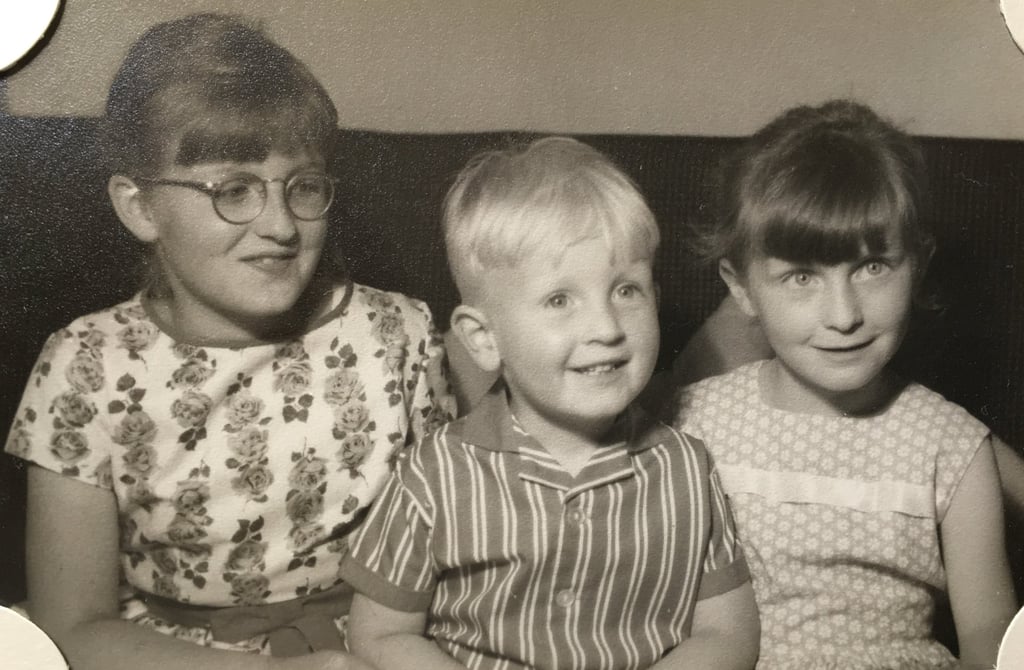
IN PART OF Norfolk, life in the 1960s was almost identical to how it had been between the wars. So, just like in the 30s, we had a lady of the manor, Mrs Bastin, and she would give us primary-school children 10 shillings every Christmas and a 10-shilling box of (Cadbury’s) Milk Tray chocolates. You saw cars occasionally. If we saw two cars on the same day, we thought it was a chase. The area wasn’t rich, and you saw tramps from the first world war still wandering about.
IN 1969, my father, who loved natural history, became the warden of Wells Field Study Centre (in Norfolk). My mother joined him as the deputy warden. When we moved that year, I was still in primary school, so my parents got permission for me to do the eleven-plus exam when I was nine years old. It was not a good thing in retrospect. My first three years at Fakenham Grammar School were tough, but from then on, I loved it.
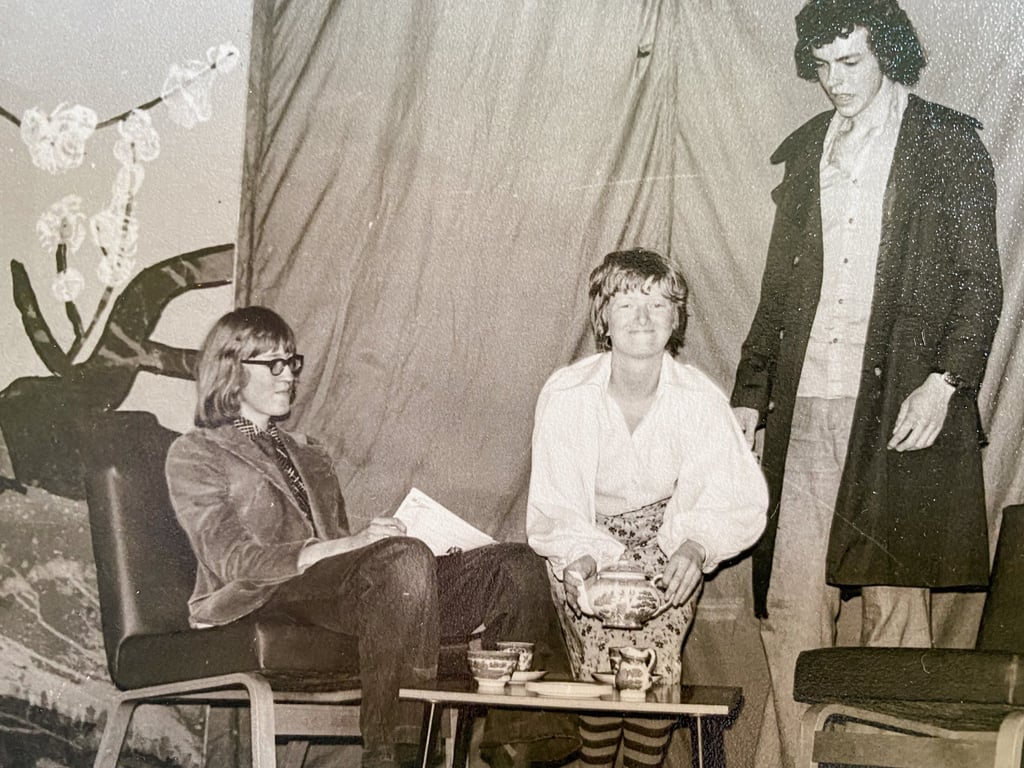
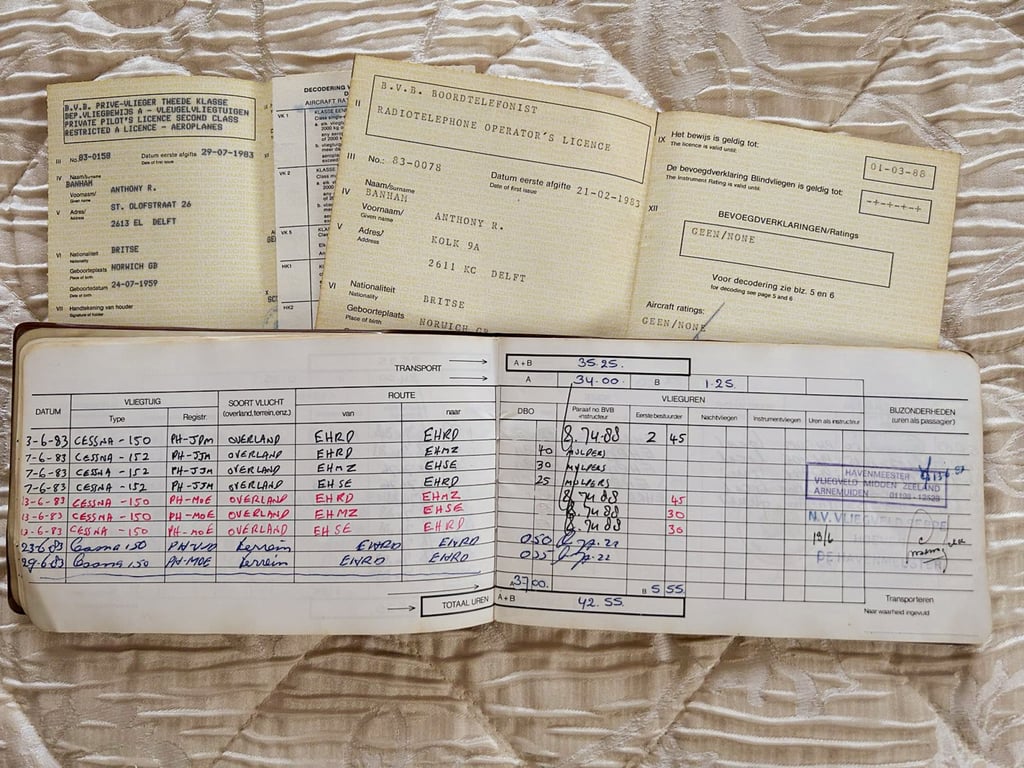
WHEN I LEFT school, I went to what was then Hatfield Polytechnic to study computer science. It was a four-year degree course, but one year was spent in industry, in two six-month chunks. You would go out and work for six months after your first year, and then again halfway through your third year. For the first six months, I worked for the Royal Air Force at Boscombe Down (a military-aircraft testing site in Wiltshire, southwest England). I always loved aviation, so that was great fun. The second six months I did at Akzo Pharma (Organon) in Oss, in the Netherlands. After I graduated, I moved straight back as a consultant for Shell’s research organisation, KSEPL. In my first job, I was earning more than my father did on his deputy headmaster’s salary. That’s when I got my private pilot’s licence at Rotterdam.
I NEVER LEARNT to drive. I left Shell and took a year off to go travelling. Texas, California, I loved it. My home village in Norfolk had supplied the navigator John Fryer for HMS Bounty. After the mutiny in 1789, Fryer stayed with Captain William Bligh and helped him navigate an open boat from Tahiti to Indonesia. Incredible feat. So I went to Tahiti. And it was my first experience of the tropics.
IN THE UK, computing was a passport in those days. I went to work for the European Space Agency in Frascati, Italy, 20 minutes on the train from Rome. I did quality control for Landsats (satellites) 4 and 5 – I remember the media asking for images of Chernobyl.
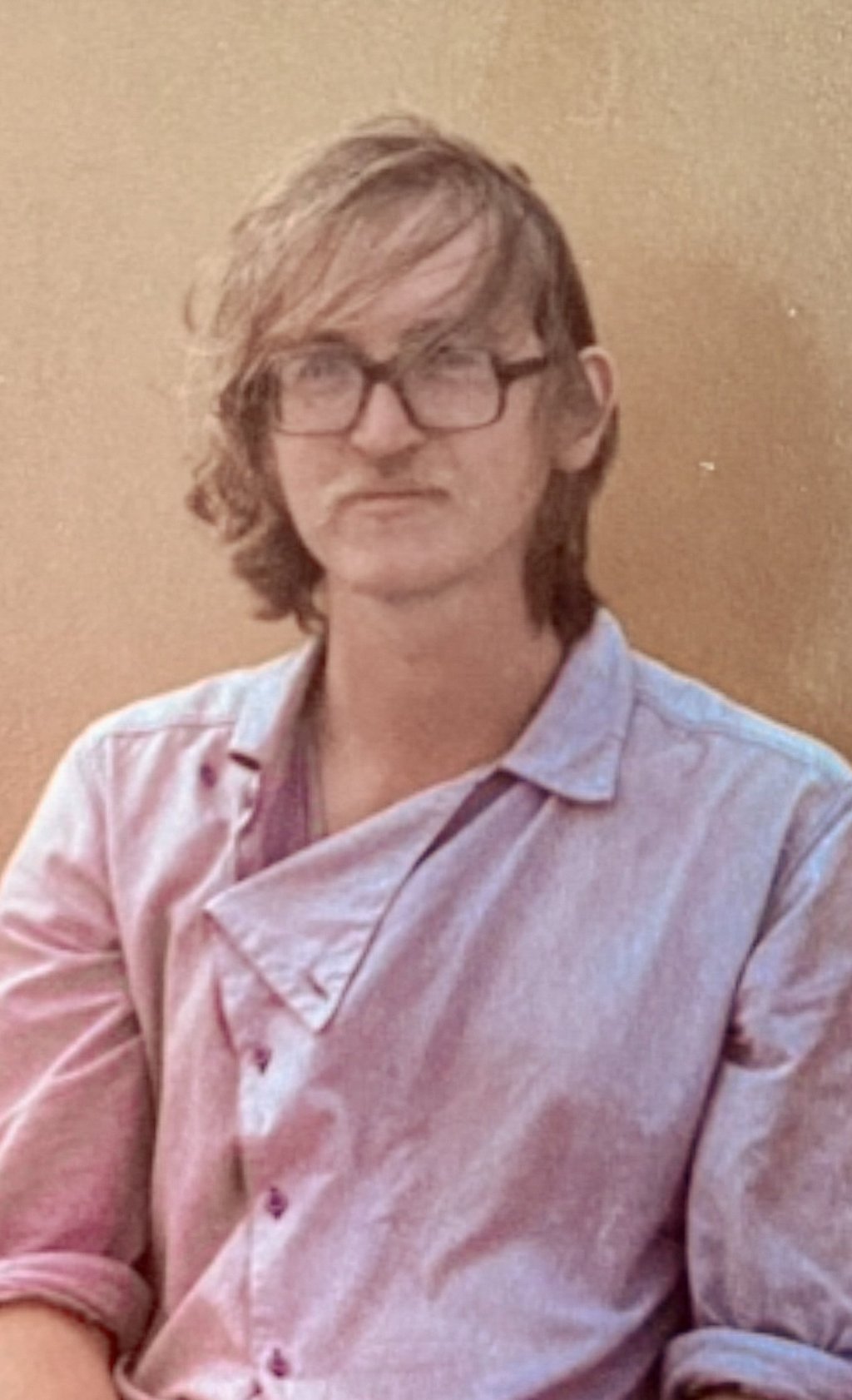
AFTER TWO YEARS there, I was bored, so in 1988, I went travelling again, to Japan, Taiwan and Hong Kong, which I thought was fantastic. I returned in March 1989 to work for a database company called Cullinet. Hong Kong in those days, with the experience I had, was an environment where I could and did move jobs every six months or so and would double my salary each time. Two years on, I was working for Oracle. I then got headhunted out to form Informix. It’s gone now. Me and a Harvard graduate were brought in to open up Informix in north Asia. From 1990 to 1997, that was a fantastic learning experience. We grew Informix from being the two of us to employing more than 100 people, with offices in Hong Kong, mainland China, Taiwan and South Korea. Then, I went back to Oracle.
此内容由惯性聚合(RSS阅读器)自动聚合整理,仅供阅读参考。 原文来自 — 版权归原作者所有。