







I WAS BORN in Macau in 1962. My parents had moved there from Fujian province after the second world war and that’s where my two elder sisters, elder brother and myself were born. We moved to Hong Kong when I was less than two years old and my little sister was born soon after. My father worked as a salesman for a trading company, importing canned food and drinks from mainland China. We moved into a two-storey, pre-war building with a big roof in Pok Fu Lam that we shared with a few other families, which was typical at that time.
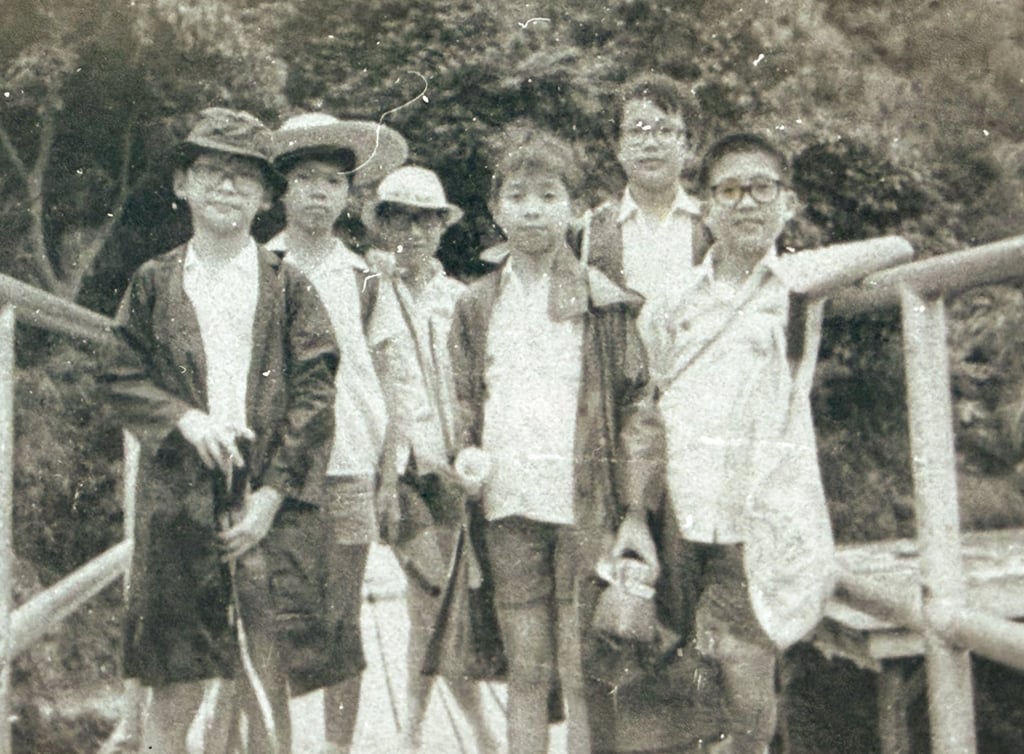
MY FATHER LOVED animals and plants, and kept all sorts of animals at home – cats, guinea pigs, mice, fish, different kinds of songbirds. He built a big cage on the roof and kept a lot of pigeons. Every morning he would open the cage door and the pigeons would fly out and do their own thing. Then, around dusk, they would return. I was used to being close to animals at a young age.
WHEN I WAS IN Primary One, we moved to Wah Fu Estate, which was very new at the time. There was a big balcony, so my father would grow a lot of plants and keep birds and fish. He kept many songbirds – the hwamei and the magpie-robin. According to tradition, you need to give them a lot of grasshoppers for them to sing well. My father would go and collect the grasshoppers himself from the surrounding grassland and I’d help him catch them by hand. You needed to be patient to stalk them.
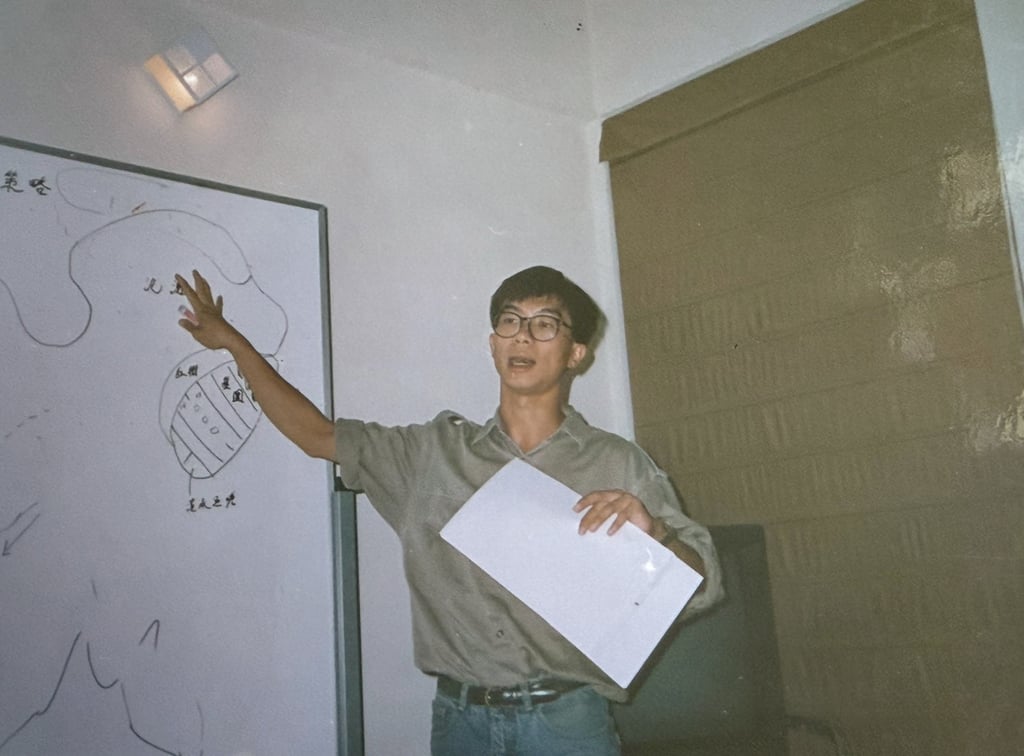
I WENT TO THE Precious Blood Primary School at Wah Fu Estate. We studied natural history and we were near the sea. At low tide, you would find crabs or sea anemones in the tidal ponds. Fishermen would come ashore and try to sell their catch so sometimes I would buy clown fish, small things that I could afford, and then release them into the tide pool. When the tide came in, they would go back out.
FOR SECONDARY SCHOOL, I went to St Louis School in Pok Fu Lam. Form 3 was a turning point for me. Father Anthony Bogadek was a biology teacher and he asked for volunteers for a new project studying freshwater fish in Hong Kong. So, my friends and I cleaned the tanks. Father Bogadek took us to Lung Fu Shan, where there are natural streams, to collect sand and stones to decorate the tanks. That was our first field trip and started my journey of studying native species. We found tadpoles, a water skink and frogs, as well as a small water snake, but we didn’t know what it was. Father Bogadek contacted local herpetologist John Romer, and he identified it as an Anderson’s stream snake, which was, at the time, thought to be found only in Hong Kong.
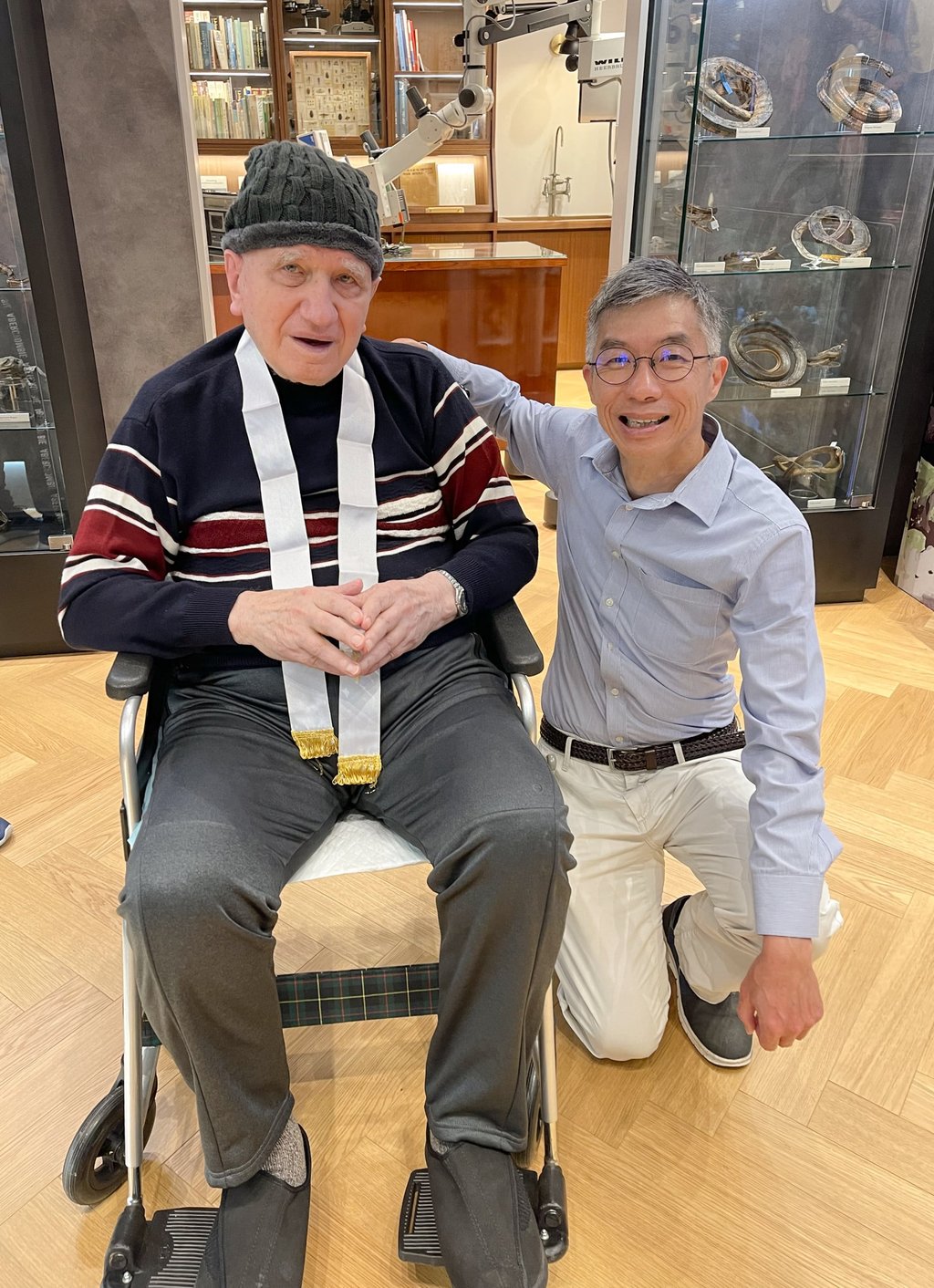
I STUDIED AT Australian National University, majoring in zoology and botany, from 1983 to 1987. Around that time, the Urban Council had asked John Romer to write a field guide on Hong Kong’s reptiles and amphibians, but soon after retiring, he died. They approached Father Bogadek and he asked me and a young American called Stephen Karsen to help create the guide. We wanted pictures of each amphibian and reptile. In 1952, Romer had discovered the Romer’s tree frog (named after him) in a cave near Mo Tat Wan on Lamma Island. But then the cave collapsed and he thought they had gone extinct. So, we made a few trips to Lamma and we found them!
AFTER GRADUATING, I worked with an American professor, James “Skip” Lazell. He was interested in island biogeography – the distribution of amphibians and reptiles across island groups. With funding from Earthwatch, he was running expeditions in Hong Kong. Then the WWF started recruiting people for Mai Po nature reserve. So, I switched focus to wetlands and water birds. That was from 1987 to 1991.
此内容由惯性聚合(RSS阅读器)自动聚合整理,仅供阅读参考。 原文来自 — 版权归原作者所有。