



惯性聚合 高效追踪和阅读你感兴趣的博客、新闻、科技资讯
阅读原文 在惯性聚合中打开

推荐订阅源

Y
Y Combinator Blog
V
V2EX
Jina AI
Jina AI
爱范儿
爱范儿
M
MIT News - Artificial intelligence
量子位
L
LangChain Blog
Google DeepMind News
酷 壳 – CoolShell
酷 壳 – CoolShell
罗磊的独立博客
腾讯CDC
MongoDB | Blog
MongoDB | Blog
P
Proofpoint News Feed
宝玉的分享
宝玉的分享
OSCHINA 社区最新新闻
OSCHINA 社区最新新闻
Last Week in AI
Last Week in AI
H
Hackread – Cybersecurity News, Data Breaches, AI and More
F
Fortinet All Blogs
The GitHub Blog
The GitHub Blog
Engineering at Meta
Engineering at Meta
博客园 - 聂微东
让小产品的独立变现更简单 - ezindie.com
Vercel News
Vercel News
T
The Blog of Author Tim Ferriss

South China Morning Post

Singapore drama sparks Malaysian ire over scam hub depiction Time to act on stalled proposal toughening child abuse penalties, lawmakers say ‘Eager to explore’: Chinese migrants return to Venezuela after Maduro’s capture ‘We have no trust in the other side’: Iran blames US as talks end with no deal Opinion | Why securing Hong Kong’s economic future is a cultural question Hong Kong’s ministerial team spent HK$46.6 million on visits in past 3 years China family creates AI clone to comfort elderly mum after only son dies in crash Canada Olympic star Williams plans on ‘having a ‘blast’ at Hong Kong Sevens Singapore’s robotaxi drive revs up with help from Chinese AV leaders Editorial | Making Hong Kong desirable to overseas students must be a priority All 7 are dentists and hot. The Asian-American family blowing up social media Editorial | Ageing Hong Kong should welcome more open conversations around death My Take | Discovery Bay will never be the same if the restriction on taxi access is lifted Medical intern suspended after complaint over patient data in social media post Fish and vegetarianism major flashpoints in India’s West Bengal election Chinese crystal ‘paves way’ for GPS-free thorium clock navigation SCMP Best Bets: Endued can show his quality at Sha Tin Russia and Ukraine begin 32-hour ceasefire for Orthodox Easter Israeli spy firm Black Cube involved in Cyprus corruption probe ‘A big deal’: military drills show Tokyo’s growing focus on deterring China China targets middlemen in renewed crackdown on ‘hidden’ corruption Hong Kong-born gymnast leading quest to turn Singapore into elite hub Thais celebrate new year despite fuel price shocks delaying travel Harry Bentley tees up two good chances in Smart Golf and Elite Golf at Sha Tin Is this Kenyan rail project a model for Chinese and Western firms in Africa? Unearthing peace: ancient China gravesite reveals significance of broken weapons Meet Queen Elizabeth’s youngest grandchild, James, who was at Easter service Turtle found dead after apparent fall in Hong Kong’s Wong Tai Sin Landlords of 5,557 subdivided homes seek 3-year grace period to fix flats Trump critique pauses UK handover of Chagos Islands to Mauritius
Reflections | From Hong Kong to Singapore, how China’s Te...
Wee Kek Koon · 2026-06-20 · via South China Morning Post

The new family drama Dear You has become a surprise low-budget hit in mainland China, where it has grossed more than 1.6 billion yuan (US$237 million) at the box office since being released in April 2026. The film’s creators no doubt hope for similar success in Hong Kong, Macau, Malaysia and Singapore, where it was released on June 18.

The story follows an elderly woman and her grandson who goes to Thailand in search of his long-lost grandfather and uncovers a decades-old secret involving letters and remittances sent home by overseas Chinese workers.

The film has resonated with audiences because of its authentic portrayal of family bonds and cultural heritage, a contributing factor being its dialogue, which is almost entirely in the Teochew language.
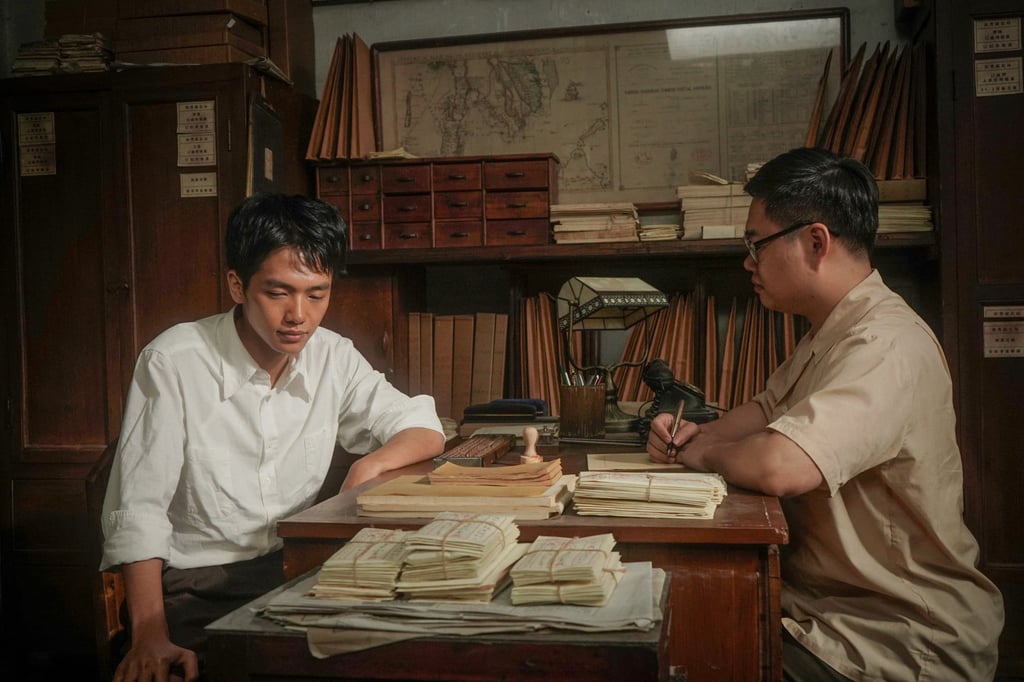
Wang Yantong (left) and Chen Qinqin in a still from Dear You. The film, which has become a surprise box-office hit in mainland China, features dialogue mostly in the Teochew dialect of eastern Guangdong.

Wang Yantong (left) and Chen Qinqin in a still from Dear You. The film, which has become a surprise box-office hit in mainland China, features dialogue mostly in the Teochew dialect of eastern Guangdong.

I have a personal connection with Teochew. Growing up, I attended a church where it was the principal language spoken. Decades later, I can still recite the entire Lord’s Prayer in Teochew, a feat that still surprises me.

Teochew people are often associated with entrepreneurial success, distinctive cuisine and a far-flung overseas diaspora. Yet behind these familiar images lies a rich history stretching back thousands of years.

The Teochew homeland, which is known in Mandarin Chinese as Chaoshan, encompasses the modern cities of Chaozhou, Shantou and Jieyang on the eastern coast of Guangdong province. The area was known as Jieyang during the Qin (221-207BC) and Han (206BC-AD220) periods, before becoming part of the imperial prefecture of Chaozhou. “Teochew” is the local pronunciation of “Chaozhou”.

Although administratively part of Guangdong today, the region has for centuries occupied a cultural borderland between Guangdong and neighbouring Fujian province, forming a single cultural sphere united by a common spoken tongue, customs and identity.