


A tentative US-Iran deal has eased immediate fears of escalation, but the fine print around sanctions relief – following months of aggressive US enforcement under the “Economic Fury” campaign – remains highly contested and legally intricate.
The South China Morning Post unpacks the key sanctions-related terms in the agreement, the intense US sanctions campaign against Chinese entities since the outbreak of the Iran conflict in late February, and what a potential waiver or termination of those sanctions could mean in practice for the dozens of mainland and Hong Kong firms already hit with secondary sanctions.
The tentative US-Iran agreement – according to a reported draft memorandum of understanding between the two sides – outlines a phased sanctions-relief framework tied to specific implementation milestones.
Under a final agreement, which the two sides aim to negotiate within 60 days, the US would eventually lift all sanctions on Iran, including measures imposed through UN Security Council resolutions, resolutions adopted by the International Atomic Energy Agency’s Board of Governors, and both US primary and secondary sanctions, according to a mutually agreed timetable.
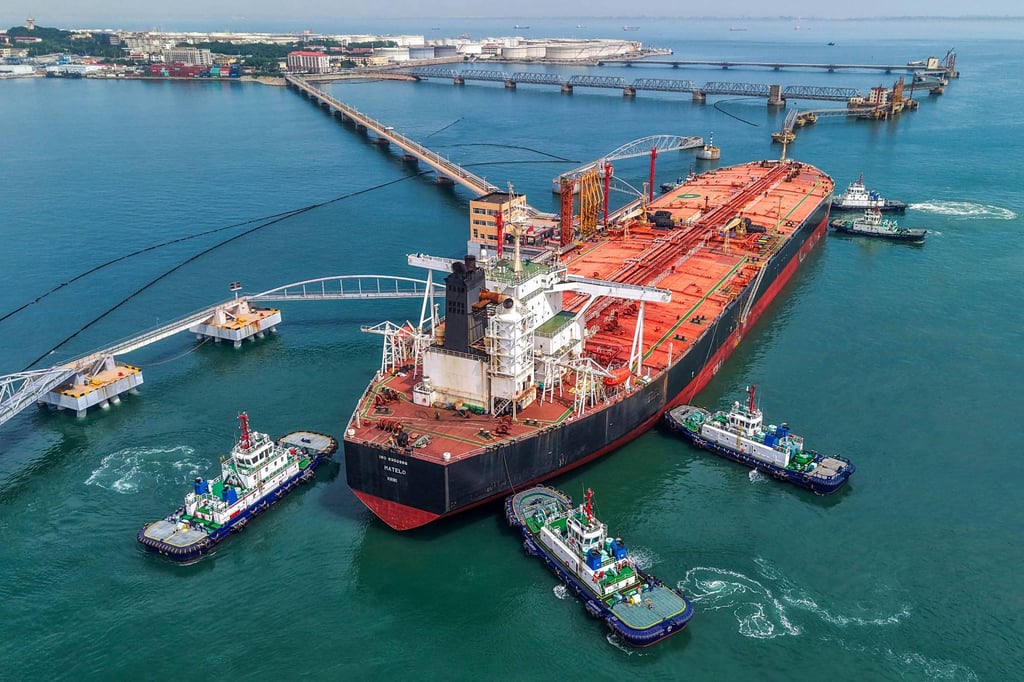
During the interim period following the signing of the memorandum, Washington would issue Treasury waivers permitting exports of Iranian crude oil and petrochemicals, as well as related services such as banking, insurance and shipping.
The US would also gradually release restricted Iranian funds and assets, making them available for beneficiaries designated by Iran’s central bank, subject to progress in the negotiations.
此内容由惯性聚合(RSS阅读器)自动聚合整理,仅供阅读参考。 原文来自 — 版权归原作者所有。