
惯性聚合 高效追踪和阅读你感兴趣的博客、新闻、科技资讯
阅读原文 在惯性聚合中打开

推荐订阅源

V
V2EX
Y
Y Combinator Blog
博客园_首页
V
Visual Studio Blog
让小产品的独立变现更简单 - ezindie.com
阮一峰的网络日志
阮一峰的网络日志
Hugging Face - Blog
Hugging Face - Blog
宝玉的分享
宝玉的分享
B
Blog
博客园 - 三生石上(FineUI控件)
小众软件
小众软件
WordPress大学
WordPress大学
L
LangChain Blog
爱范儿
爱范儿
钛媒体:引领未来商业与生活新知
钛媒体:引领未来商业与生活新知
P
Proofpoint News Feed
Blog — PlanetScale
Blog — PlanetScale
C
Check Point Blog
博客园 - 聂微东
云风的 BLOG
云风的 BLOG
Microsoft Security Blog
博客园 - 叶小钗
酷 壳 – CoolShell
酷 壳 – CoolShell
H
Help Net Security

South China Morning Post

Singapore drama sparks Malaysian ire over scam hub depiction Time to act on stalled proposal toughening child abuse penalties, lawmakers say ‘Eager to explore’: Chinese migrants return to Venezuela after Maduro’s capture ‘We have no trust in the other side’: Iran blames US as talks end with no deal Opinion | Why securing Hong Kong’s economic future is a cultural question Hong Kong’s ministerial team spent HK$46.6 million on visits in past 3 years China family creates AI clone to comfort elderly mum after only son dies in crash Canada Olympic star Williams plans on ‘having a ‘blast’ at Hong Kong Sevens Singapore’s robotaxi drive revs up with help from Chinese AV leaders Editorial | Making Hong Kong desirable to overseas students must be a priority All 7 are dentists and hot. The Asian-American family blowing up social media Editorial | Ageing Hong Kong should welcome more open conversations around death My Take | Discovery Bay will never be the same if the restriction on taxi access is lifted Medical intern suspended after complaint over patient data in social media post Fish and vegetarianism major flashpoints in India’s West Bengal election Chinese crystal ‘paves way’ for GPS-free thorium clock navigation SCMP Best Bets: Endued can show his quality at Sha Tin Russia and Ukraine begin 32-hour ceasefire for Orthodox Easter Israeli spy firm Black Cube involved in Cyprus corruption probe ‘A big deal’: military drills show Tokyo’s growing focus on deterring China China targets middlemen in renewed crackdown on ‘hidden’ corruption Hong Kong-born gymnast leading quest to turn Singapore into elite hub Thais celebrate new year despite fuel price shocks delaying travel Harry Bentley tees up two good chances in Smart Golf and Elite Golf at Sha Tin Is this Kenyan rail project a model for Chinese and Western firms in Africa? Unearthing peace: ancient China gravesite reveals significance of broken weapons Meet Queen Elizabeth’s youngest grandchild, James, who was at Easter service Turtle found dead after apparent fall in Hong Kong’s Wong Tai Sin Landlords of 5,557 subdivided homes seek 3-year grace period to fix flats Trump critique pauses UK handover of Chagos Islands to Mauritius
Why brands are adding bejewelled cufflinks to their mensw...
Joshua Hendr · 2026-05-19 · via South China Morning Post

Cufflinks have long been a staple of tailored menswear, and now the classic accessory is getting a bejewelled upgrade.

A select group of brands – from independents to major houses – are approaching cufflinks less as functional fasteners and more as miniature jewels in their own right, crafting them in gold and silver and setting them with precious stones.

That shift makes sense when you look at the cufflink’s history. Before them, shirt cuffs were typically secured with ribbons or strings. As men’s dress became more refined in the 17th century, those ties began to give way to cuff buttons inserted through buttonholes, creating the early form of the cufflink as we know it today.
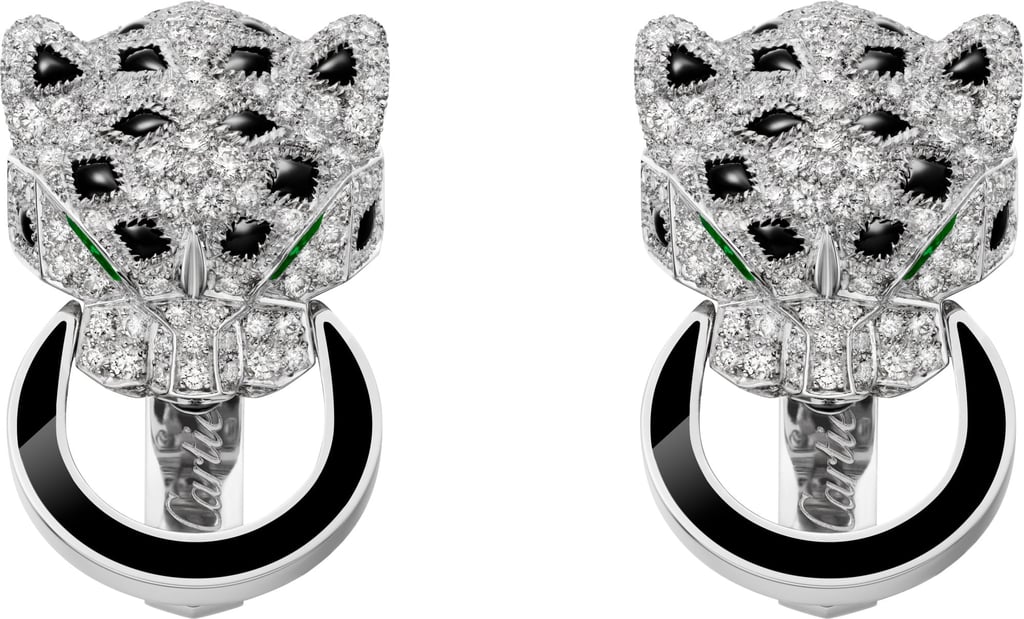
Cartier cufflinks. Photo: Handout

Cartier cufflinks. Photo: Handout

In France, these early fasteners were known as boutons de manchette (sleeve buttons), and emerged as part of late 17th-century court dress. They appeared both in Louis XIV’s France and in Restoration England, where Charles II is often credited with helping popularise them. From the beginning, they belonged to upper-class wardrobes and were usually engraved and set with rare stones. By the 18th century, cufflinks had become part of aristocratic dressing for formal occasions, worn as markers of taste and status, and often gifted or commissioned to mark significant events.

The 19th century widened the cufflink’s appeal. New manufacturing techniques made them more accessible for those lacking aristocratic taste and resources, while changing shirt styles created more demand for detachable fasteners. German-born American jeweller George Krementz was a central figure in that development, helping turn men’s jewellery into a serious manufacturing category in the US – accounts of his rise often note that he took inspiration from bullet-manufacturing methods when he began producing cufflinks at scale in 1876.
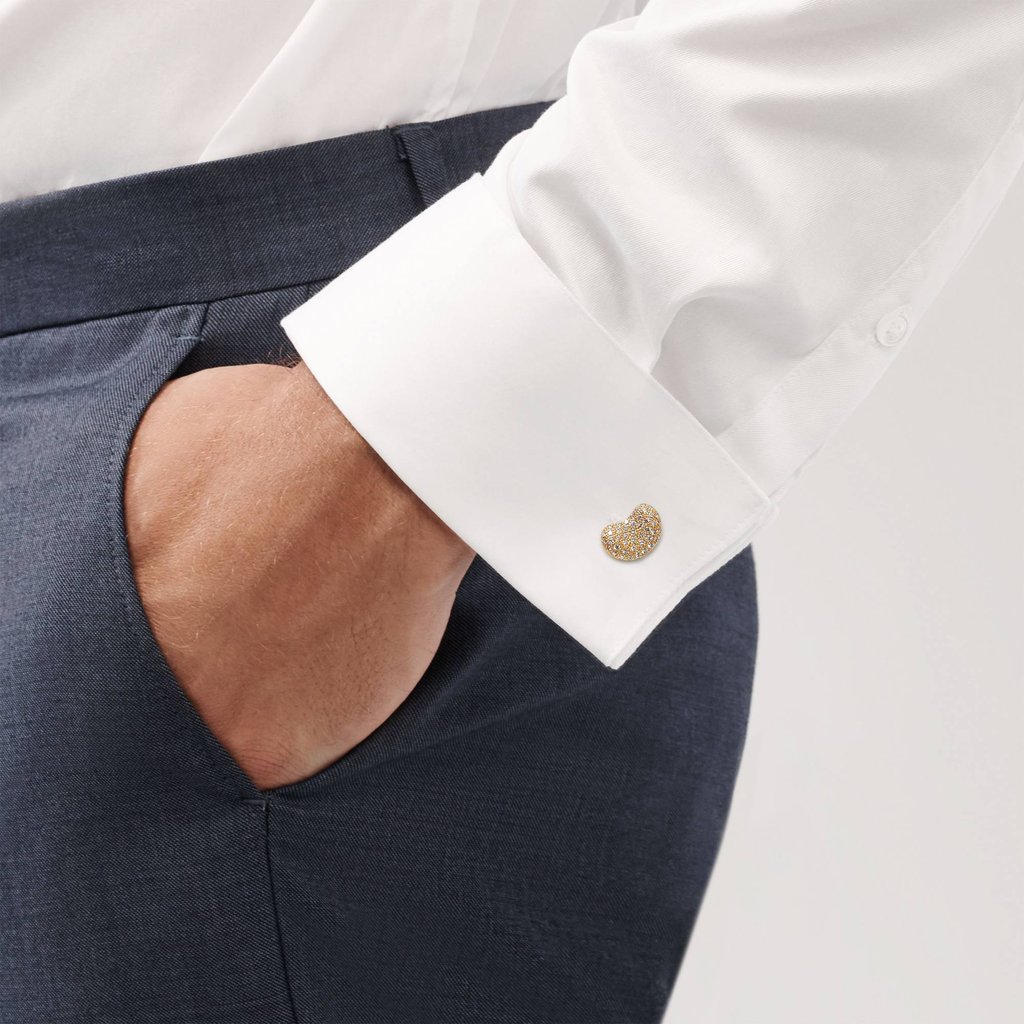
Tiffany & Co. cufflinks. Photo: Handout

Tiffany & Co. cufflinks. Photo: Handout

At the same time, Victorian taste encouraged more lavish ornamentation, from elaborate goldwork to writhing snake motifs described as Victorian serpents, while the early 20th century brought enamel, onyx, mother-of-pearl and other hardstones into the mix.

After World Wars I and II, men once again used accessories, including cufflinks, to bring a touch of embellishment back into their attire, before mass-produced shirts with buttons already attached to the cuff reduced their everyday use later in the century. The cufflink’s return was helped in part by the enduring appeal of the double, or French, cuff, while the Boyer fastener system (using a swivelling toggle), introduced in 1924, helped establish the modern cufflink format still widely used today.
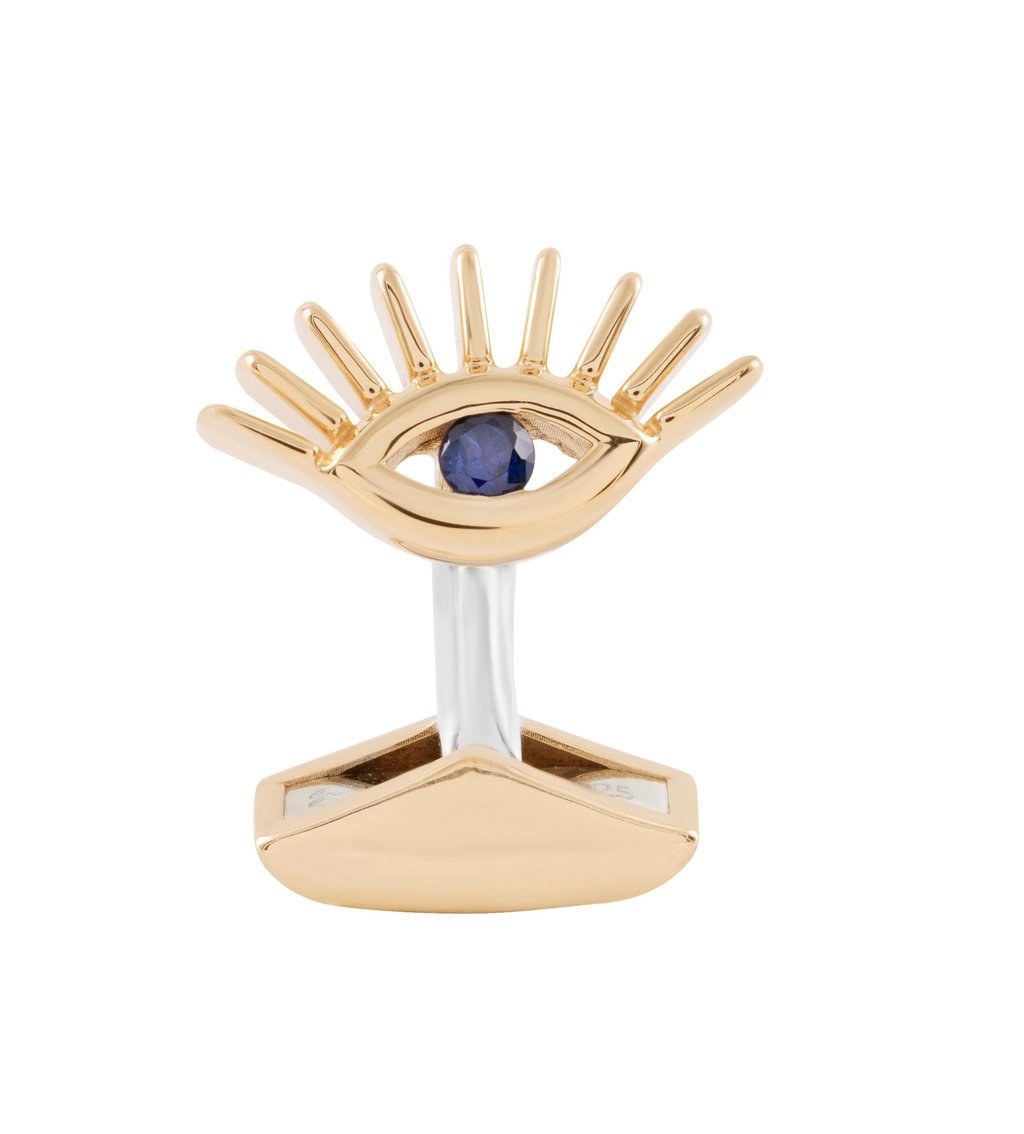
Kismet by Milka cufflink. Photo: Handout

Kismet by Milka cufflink. Photo: Handout

Today, they still mostly belong to the black tie dress code – but brands are giving them far more of a spotlight than they once had, with recent red carpets offering plenty of style inspiration.