


The United Nations has warned Denmark that the treatment of a Greenlandic mother whose newborn child was removed by Danish authorities as a result of controversial parenting competency tests “may amount to ethnic discrimination”.
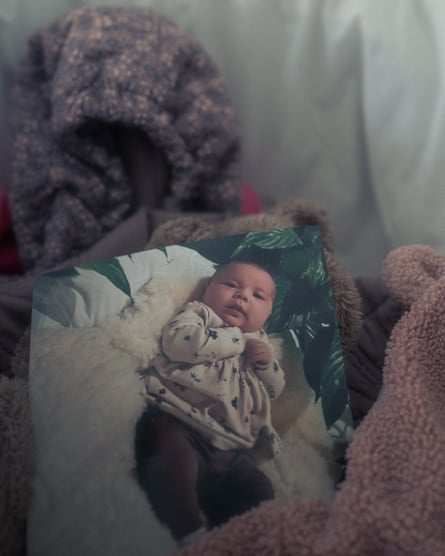
Keira Alexandra Kronvold’s daughter, Zammi, was taken away from her when she was two hours old and placed in foster care in November 2024 after Kronvold was subjected to so-called FKU (parental competence) psychometric tests. At the time, she was told that the test was to see if she was “civilised enough”.
On Friday, Kronvold, whose case prompted widespread outrage and contributed to Denmark’s subsequent decision to ban the use of such tests, will go to the Danish high court in the latest attempt to win back custody of her child.
She is understood to be one of dozens of Inuit women living in Denmark who remain separated from their children after undergoing the discredited tests.
In a move that will raise pressure on Copenhagen, it has now emerged that Reem Alsalem, the UN special rapporteur on violence against women and girls, has written to the government asking it to answer questions about the treatment of Kronvold and other families with a Greenlandic background.
Alsalem, who wrote the letter along with the UN special rapporteur on the rights of Indigenous peoples and the special rapporteur on contemporary forms of racism, said on Thursday she and her colleagues had reason to believe that “that violations of human rights have occurred”.
Denmark ruled Greenland as a colony until 1953 and, despite the Arctic island’s largely autonomous status now, people of Greenlandic origin in Denmark say they are still subject to systemic discrimination.
The FKU tests, which campaigners had criticised for years as culturally unsuitable for Greenlandic people and other minorities, were seen as a particularly striking example of this before they were abruptly ditched by the Danish government last May.
In the letter, sent late last month, the UN officials say they expressed concern over the “disproportionate impact of FKU assessment on Greenlandic parents, which may amount to ethnic discrimination”.
Alsalem added: “While we welcome the decision that such tests should not be used for Greenlandic parents in the future, those that have been subjected to decisions using the FKU assessment should have access to justice and remedies.”
A year after the law was changed, Kronvold remains separated from her daughter, who is now nearly 18 months old and living with a Danish family. She is only allowed to spend short periods of time with her daughter under supervision.
The UN officials said the decision to remove Kronvold’s children from her without consent “may be discriminatory and disproportionate”, citing the “apparent disrespect to her decisions regarding procreation and contraception choices over the years and which clearly has caused her enormous psychological suffering”.
Alsalem said: “In this respect, we recalled the fact that Indigenous women and girls are often subjected to multifaceted and complex spectrum of mutually reinforcing human rights violations, including in the context of sexual and reproductive health services and childbirth.
“Such intersecting forms of discrimination and violence experienced by Indigenous women and girls also disrupts their spiritual and cultural lives and impacts the very essence of their family units and social fabric of their communities and nations.”
Alsalem said she would be following the outcome of Kronvold’s court case and how the Danish authorities responded before deciding on further action.
“In the interim, I hope that the authorities give due attention to the concerns we have raised, particularly in relation to Denmark’s binding human rights obligations,” she added.
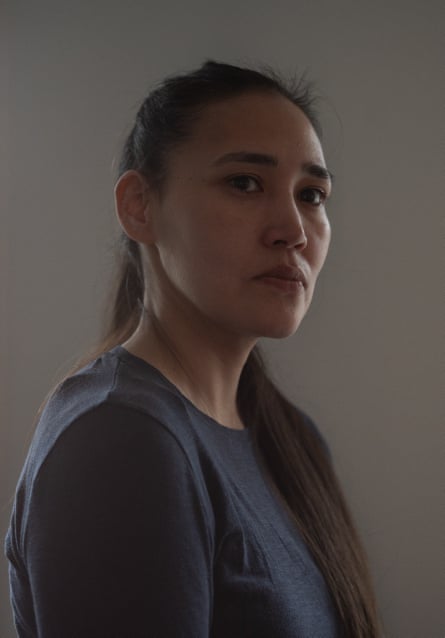
For Kronvold, the consequences of her separation from Zammi have been devastating.
“I am not allowed to be connected with my daughter as I should as a mother. She has to make a connection to the foster parents and it hurt me so much that she called them Mum and Dad,” she said.
Kronvold hopes her case and the intervention of the UN will lead to change for herself and for other Greenlandic people who have been separated from their children by Danish authorities. FKU tests, she said, should be “erased”, and the law changed to better protect Inuit people.
Kronvold’s lawyer, Jeanette Gjørret, from Stage law firm, who specialises in children’s rights, said the high court case was symbolic and could help other Greenlandic parents.
“There are many parents who are in the same situation, so we want the high court to look at the case and see: was it [the use of the tests] right or wrong?” said Gjørret.
Denmark held a general election in March and parties have not yet formed a government.
In response to a request for comment, the Danish social affairs ministry confirmed the UN letter had been received but added: “Denmark is currently without a government and cannot respond to the inquiry at the present time.”