










Canadian safety officials have issued a damning report on the catastrophic final voyage of the Titan submersible, finding that the US company behind the expedition was overcome by “groupthink” and “confirmation bias” and failed to understand the profound risks confronting their largely untested craft.
The 6.7 metre (22ft) carbon fibre submersible dipped below the surface of the Atlantic Ocean in June 2023 en route to the wreckage of the Titanic ocean liner. But nearly two hours after it departed with five passengers, communications went dark. The disappearance prompted a frantic international search, with Canada and the US marshalling all available resources.
OceanGate, the company behind the expedition, operated trips to the final resting place of the Titanic, which struck an iceberg in 1912 and sank, killing more than 1,500 of the 2,200 passengers and crew.
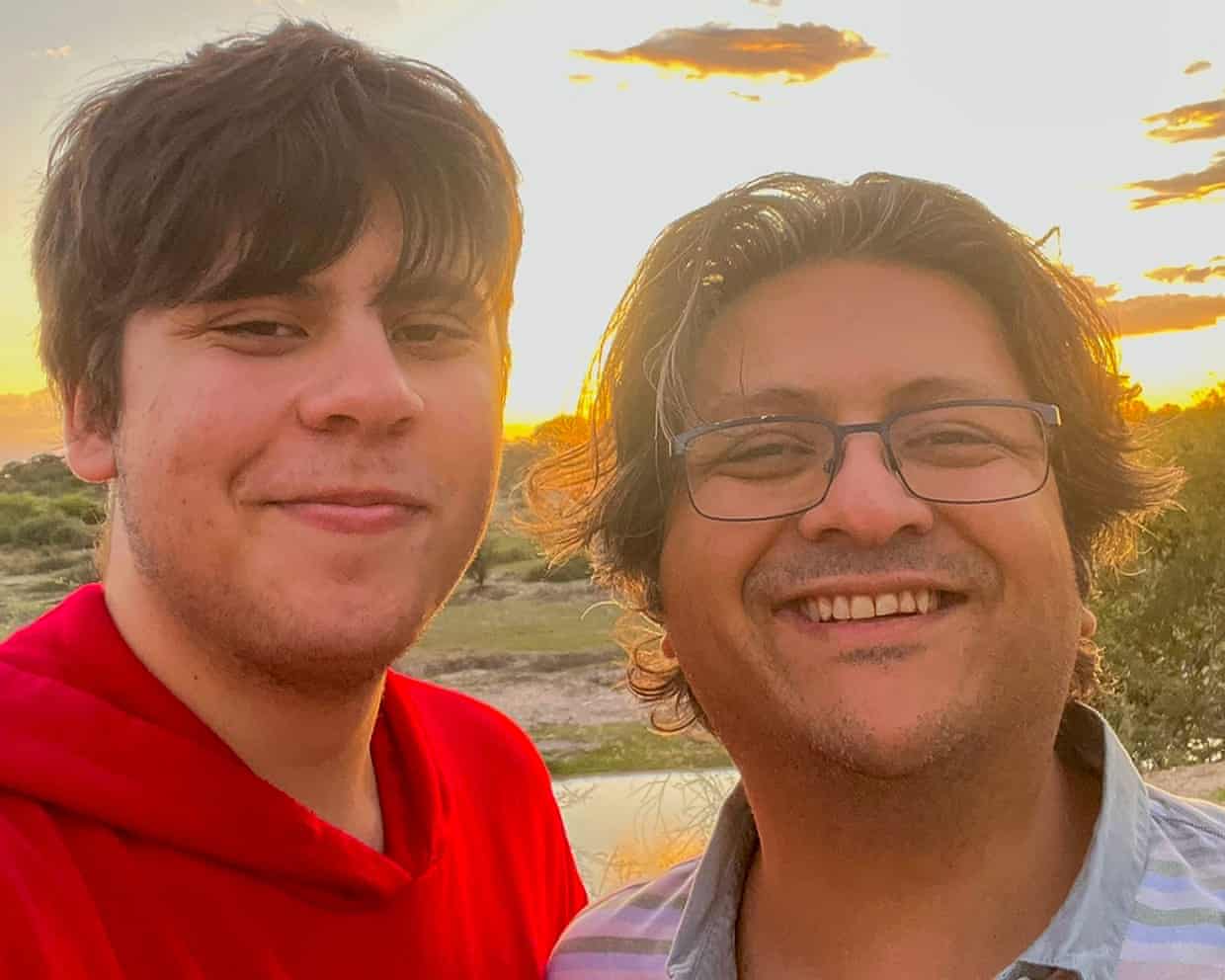
Onboard the submersible were Hamish Harding, 58, a British explorer and pilot; Shahzada Dawood, 48 a British-Pakistani businessman; and his son Suleman, 19; Paul-Henri Nargeolet, a deep diver, submersible pilot, former French navy commander and leading authority on the Titanic wreck site; and Stockton Rush, the founder of OceanGate.
Within days, investigators found the wreck of the vessel nearly 400 miles (640km) off the coast of Newfoundland and concluded all passengers died instantly when the structure imploded near the wreckage of the Titanic.
In its report released on Wednesday, Canada’s transportation and safety board (TSB) said that numerous failures in the submersible’s design and the broader company culture were central factors in the disaster.
OceanGate positioned itself as ambitious undersea exploration company that had pioneered a carbon fibre submersible to venture deep below the surface.
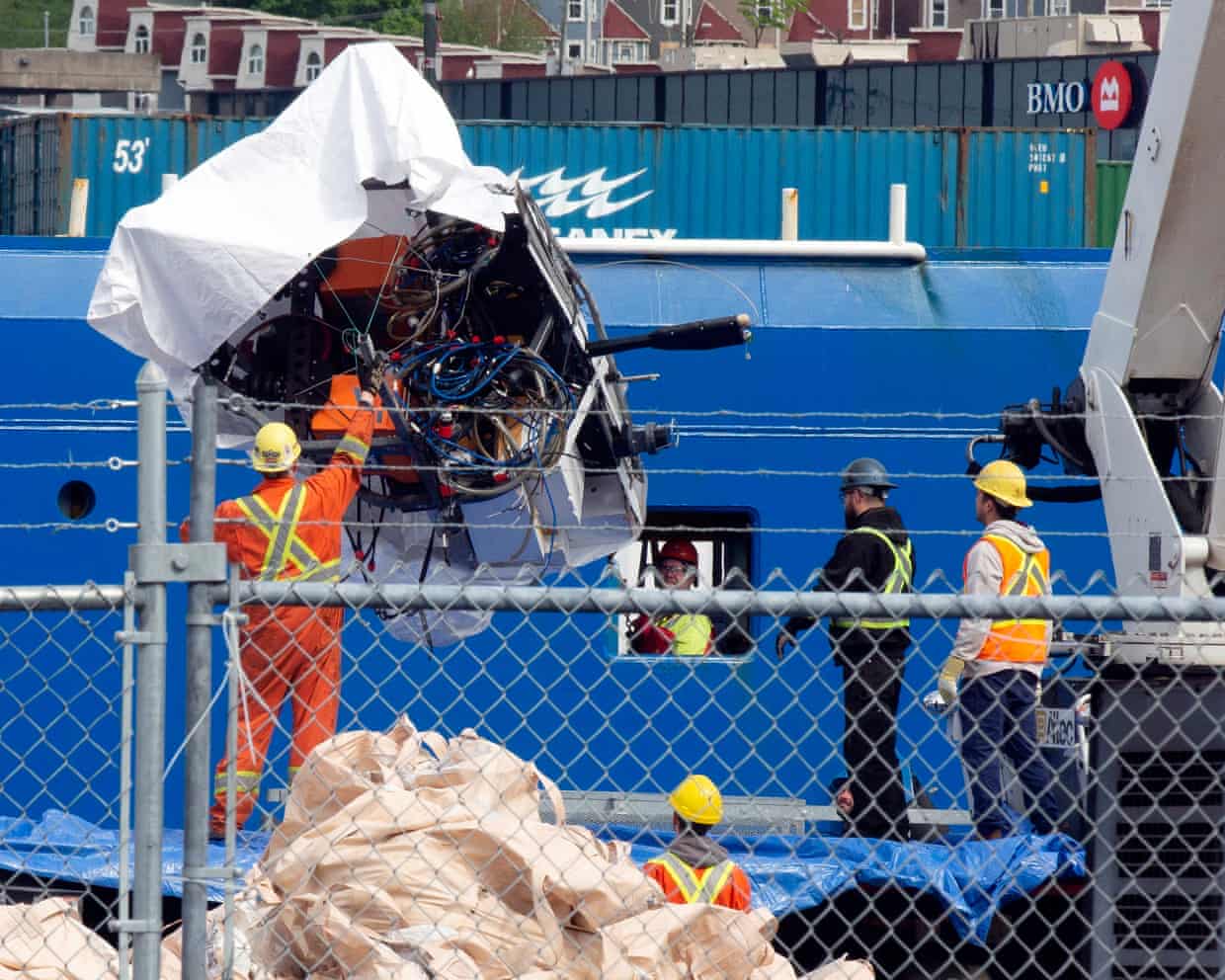
Inspectors said: “There was no precedent for diving a human-occupied carbon fibre submersible to the deep ocean, and the company acknowledged both internally and publicly that its operations involved risk.”
The Washington state-based company built a pair of 1/3 scale models of the Titan to test how it responded to pressure. Six tests were done on these scale models. Both failed at depths above the resting place of the Titanic.
The company changed the design and manufacturing to mitigate the “ply waviness” of the carbon fibre. Waviness can dramatically weaken the strength of the material.
But unbeknown to the company, the Titan’s carbon fibre cylinder was accumulating damage each time it was exposed to extreme pressures on deep-ocean dives.
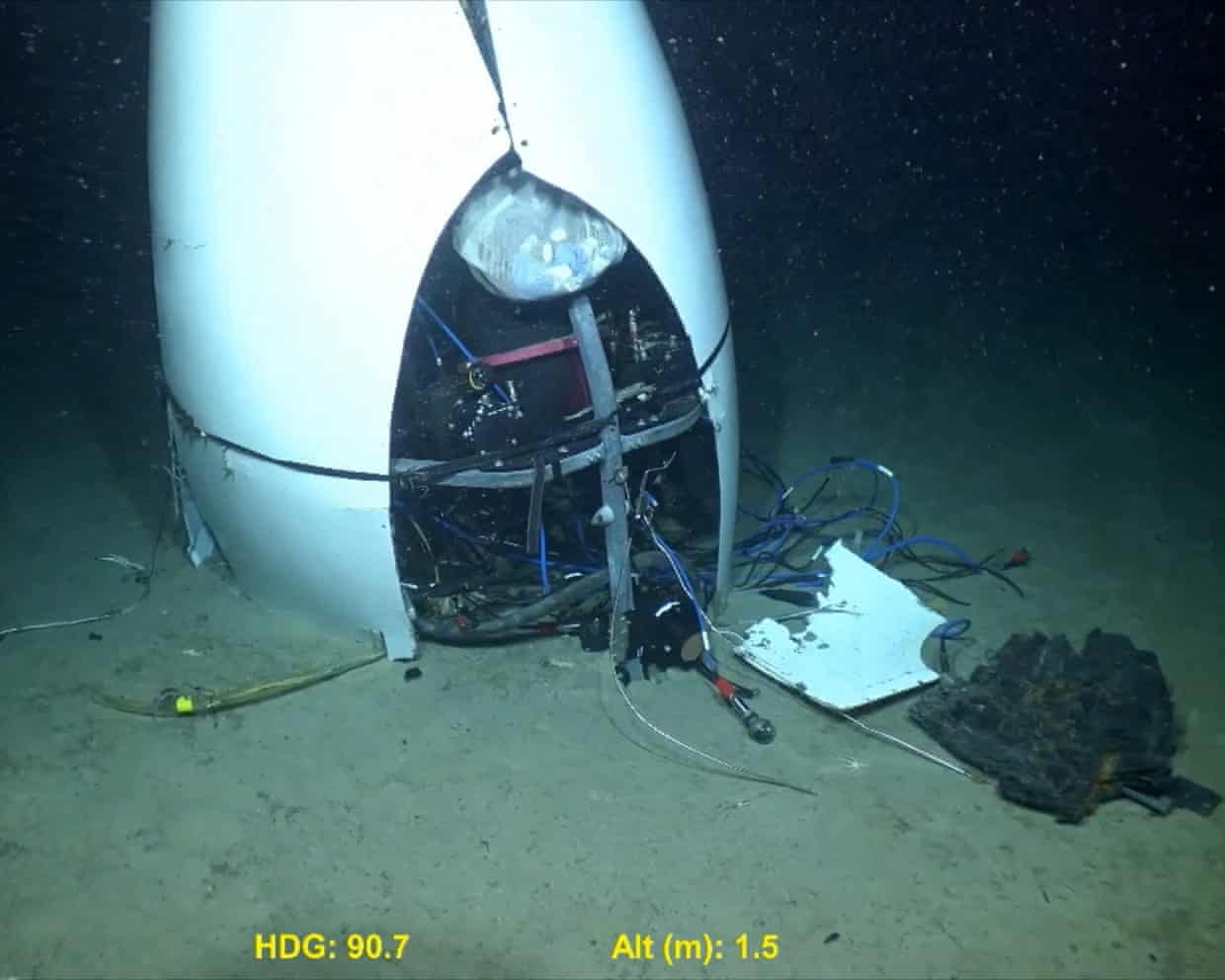
“Normal engineering practice would be to expose full-scale models to a very significant number (hundreds, possibly thousands) of test cycles,” inspectors wrote.
OceanGate did relatively little testing of the final craft. While it did conduct tests equivalent to the Titanic depth and deeper, there was no further analysis to understand if and when the hull might fail after repeated use. “The number of cycles at extreme pressure that the full-scale pressure hull could withstand was therefore unknown,” the report said.
The report noted that different materials and shapes were used in conventional submersible design to increase safety when operating at immense depths. It called the design of the Titan “novel” and found “the construction and testing of the Titan did not follow standard engineering practices”. Inspectors were able to examine offcuts of the material used to construct the hull and found structural defects that would weaken the craft’s integrity.
Inspectors also point to a number of instances in which the craft might have sustained damage, including when it collided with the port bow of the Titanic in 2022 and a loud bang when the Titan was surfacing from another dive days later. The craft was also left outside and exposed to the elements for nearly a year between 2022 and 2023.
“Every time a structure is stressed, small damages may accumulate,” the report said. “The higher the imposed stress on the structure, the more quickly these damages will accumulate.”
While the craft successfully completed 13 dives, the accrued weaknesses in the materials meant the 14th trip was fatal.
While not all of the debris was recovered, investigators estimate the hull failure happened 5.397 seconds after the submersible crew sent a text message at a depth of more than 3,000 metres.
The acoustic monitoring system used to alert crews of a looming structure failure “had not been tested to demonstrate that it would consistently provide enough advance warning” and when catastrophe struck “it did not function as intended during the occurrence”, according to the report.
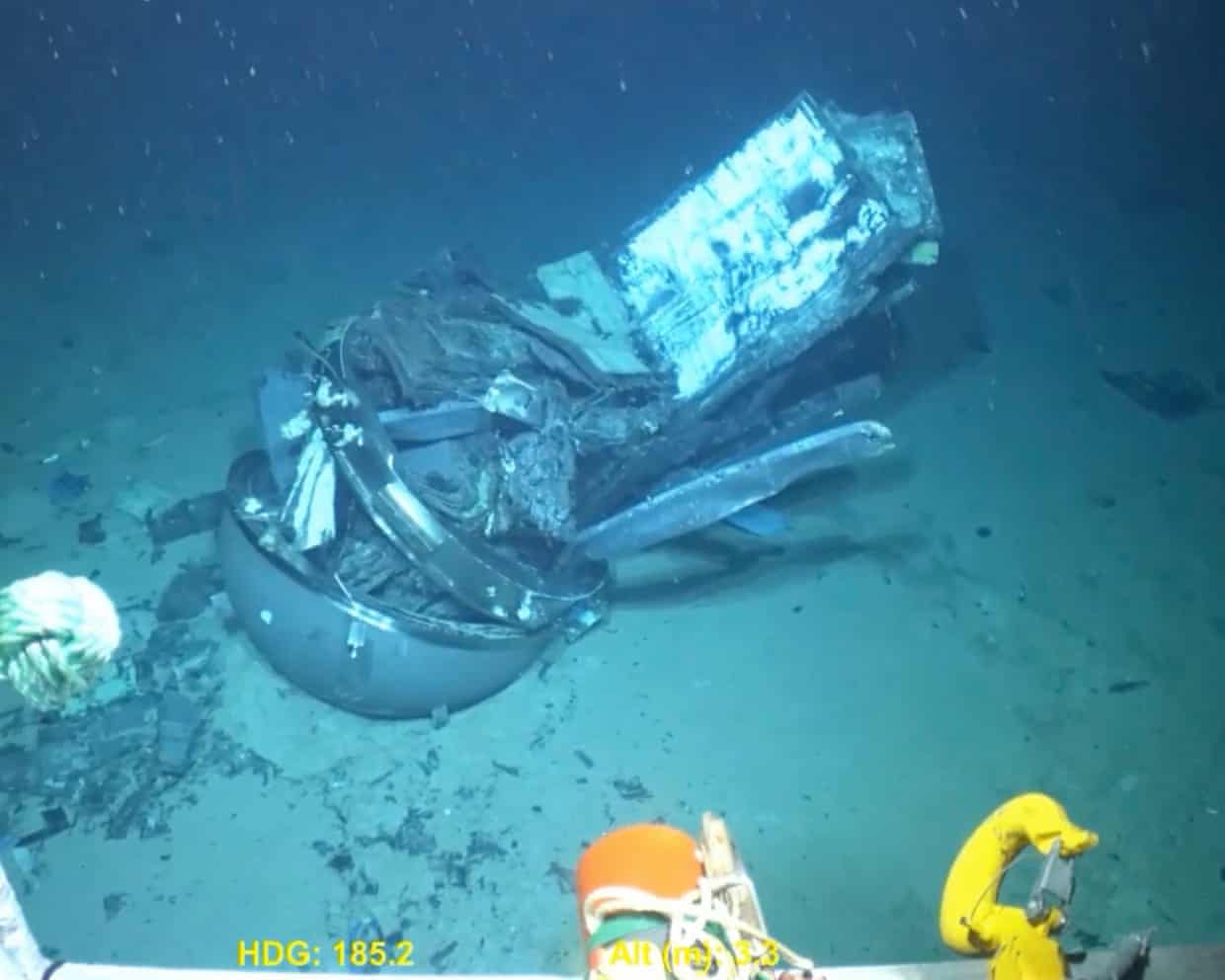
While the physical structure of the craft raised concerns with inspectors, they also found the company culture exhibited “closed-mindedness, pressures toward uniformity and overestimation of the group’s power”– traits that amplified the riskiness of the endeavour.
“Over the course of OceanGate’s operating history … employees with expertise in specific areas left the company or were dismissed after raising safety-related concerns or expressing differing perspectives from the CEO,” the report found, adding that confirmation bias was “affecting OceanGate’s decisionmaking and risk management with respect to the structural integrity and lifespan of the Titan pressure hull”.
In July 2023, Oceangate posted a one line statement on its website saying it had stopped “all exploration and commercial operations”.
Inspectors found the world of submersibles was largely unregulated and conceded there were “no external checks on OceanGate’s risk assessment processes from the regulators” in any of the countries in which it operated, nor was there oversight from a classification society.
Because there was limited information sharing between Transport Canada and other government departments, TC often lacked key information about the Titan.
In one instance, the department of fisheries and oceans joined an OceanGate mission in 2021 and found the Titan had not been approved or certified by any regulatory body, was constructed from a material not widely used for submersibles that carry people and OceanGate was not carrying insurance.
Transport Canada said that without a change to policy “there is a risk that vessels and crews will continue to operate without the minimum defences … leading to unsafe conditions and potentially fatal” accidents.
Yoan Marier, the chair of the TSB, said: “We have been calling for stronger regulatory surveillance in the marine sector for years. Lives are at risk when safety gaps are left unaddressed.”