


British flower farmers have long resembled David faced with their own particular Goliath – the imported flower industry. More than 80% of cut flowers bought by UK consumers are shipped or flown in. However, recent figures show domestic growers are expanding their market share.
Chloë Dunnett, the founder of Sitopia Farm, a London-based organic farm growing food and flowers, says: “Our flower sales are up 65% for the year and turnover is increasing year on year as the public and florists look for flowers that are seasonal, environmentally friendly and hyperlocal – consumer power can be very effective.”
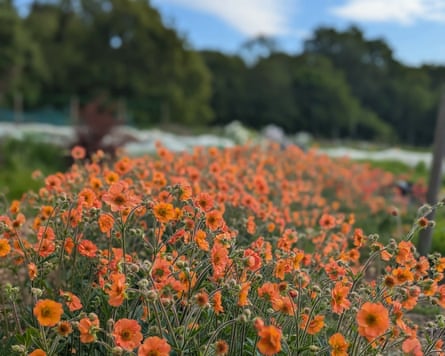
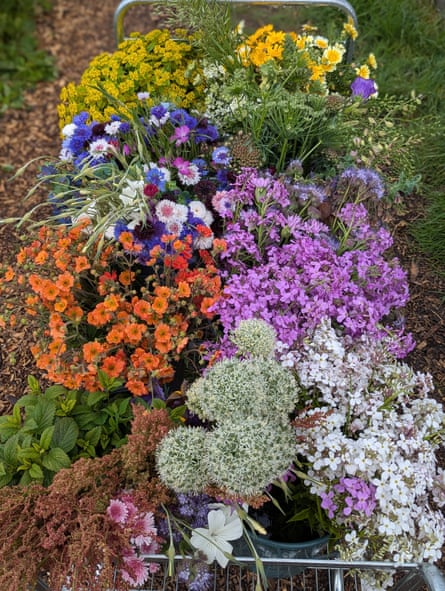
Output is rising across the whole sector. The latest survey by Flowers from the Farm, the trade body for more than 1,000 mostly small-scale British growers, shows that production increased 55% in 2025, to an average of 32,500 stems per member, and revenues were up 12%.
The government has now awarded the sector official recognition, in the form of dedicated standard industrial classification (SIC) codes for Flowers from the Farm.
“Securing a SIC code means their contribution can finally be measured, supported and championed,” says the Liberal Democrat MP Sarah Dyke, who backed the industry’s push for this status. “These are businesses that not only create jobs and drive local growth but also enhance biodiversity and support more sustainable land use.”
In contrast to a burgeoning domestic sector, the value of imported flowers dropped 8.2% over five years to 2024, according to the Department for Environment Food and Rural Affairs. One factor cited by growers and florists is an emerging awareness that flower imports come with downsides.
Cissy Bullock, the founder of the Cambridgeshire floral design studio Wild Stems, says: “Most imported flowers are factory-farmed and bred to be standardised so they can be priced, graded and transported as efficiently as possible. The supply chains are completely opaque so people know nothing about how their flowers are grown, chemicals used, labour conditions or distance travelled.”
Bullock acknowledges some growers overseas are embracing sustainability, and not all British growers use organic techniques, but she adds: “Buying locally means their provenance is more transparent.” This is one reason why the General Synod of the Church of England backed a motion this February encouraging churches to use locally sourced flowers and foliage.
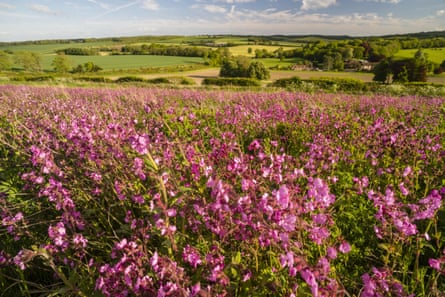
Lucy Copeman, the founder of Howbury Farm Flowers near Bedford, believes growth within the sector is here to stay. “My turnover was up 40% in 2025 and we’re selling out every week – growers in this area are finding it hard to keep up with demand,” she says. “When we first started 10 years ago, ours was one of the only flower farms in this area – there are at least 15 now. British flowers are fashionable, but they’re definitely not just a fleeting trend.”
Shane Connolly, a floral designer who has long championed the use of British flowers and last year was awarded an MBE for his services to sustainable floristry, agrees. He describes a noticeable shift in taste among clients.
“Buyers want something different to what they see in shops and supermarkets. They want flowers they see in nature or in gardens and they’re looking for airier, looser styles,” he says. “It’s not just individuals. We’re finding more flower markets, restaurants and gastro pubs want to get their hands on British flowers and this is starting to filter through.”
Connolly hopes to see future generations of florists given more opportunities to learn sustainable techniques and work with British flowers. A handful of schools already offer this but traditional training still relies heavily on imported flowers and non-biodegradable floral foam.
Connolly currently holds the royal warrant of appointment for Charles and Camilla – after overseeing the floral arrangements for the king and queen’s coronation – and was previously royal warrant holder for Queen Elizabeth.
“For the coronation we used all British flowers from different growers. I didn’t know what I was getting until they arrived, but that’s exactly how it should work when flowers are seasonal,” he says. “Not knowing what’s coming leads to the joy of creating something unexpected, instead of just getting hundreds of hydrangeas in the wrong season.”
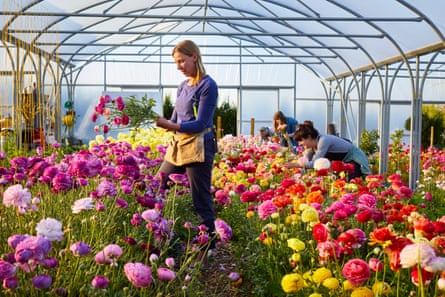
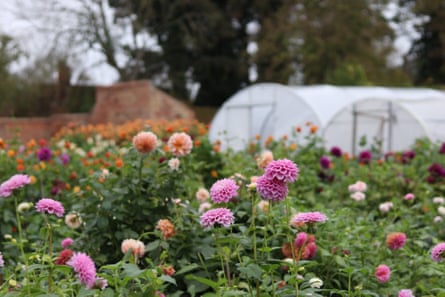
For many florists, however, getting access to fresh British flowers is not always simple. The small scale of many growers and lack of established supply chains represent a logistical challenge. To address this, some growers are joining together to create wholesale flower hubs. These online marketplaces allow florists to place orders with a network of suppliers and then pick up from one collection point. Stem Union went live in March with hubs in Cambridge and London’s New Covent Garden. Flower Grower Collective and The Flower Hub Pauntley take a similar approach. Others are expected to emerge.
If demand continues to grow there are signs the supply side will follow. “We see many people interested in setting up a farm and I always recommend growing flowers as well as food for diversification,” says Dunnett from Sitopia. “Metre for metre it’s more profitable than food and it attracts all the beneficial pollinators and predators.”
Georgie Newbery, external chair at Flowers from the Farm, agrees, and says flower farming works the land and sustains employment: “The socioeconomic benefits ride high alongside the biodiversity possibilities.”