
惯性聚合 高效追踪和阅读你感兴趣的博客、新闻、科技资讯
阅读原文 在惯性聚合中打开

推荐订阅源

F
Fortinet All Blogs
S
Secure Thoughts
月光博客
月光博客
美团技术团队
雷峰网
雷峰网
Exploit-DB.com RSS Feed
奇客Solidot–传递最新科技情报
奇客Solidot–传递最新科技情报
N
News and Events Feed by Topic
freeCodeCamp Programming Tutorials: Python, JavaScript, Git & More
Forbes - Security
Forbes - Security
W
WeLiveSecurity
P
Proofpoint News Feed
阮一峰的网络日志
阮一峰的网络日志
爱范儿
爱范儿
G
GRAHAM CLULEY
cs.AI updates on arXiv.org
AI
AI
Last Week in AI
Last Week in AI
Google Online Security Blog
Schneier on Security
云风的 BLOG
云风的 BLOG
Threat Intelligence Blog | Flashpoint
Recent Announcements
Webroot Blog
Webroot Blog
T
Tor Project blog
Cisco Talos Blog
Cisco Talos Blog
N
News and Events Feed by Topic
罗磊的独立博客
The Register - Security
Blog — PlanetScale
Blog — PlanetScale
T
Threat Research - Cisco Blogs
博客园 - 【当耐特】
Apple Machine Learning Research
人人都是产品经理
人人都是产品经理
T
The Exploit Database - CXSecurity.com
www.infosecurity-magazine.com
B
Blog
腾讯CDC
Microsoft Azure Blog
酷 壳 – CoolShell
酷 壳 – CoolShell
H
Hacker News: Front Page
Application and Cybersecurity Blog
Engineering at Meta
Engineering at Meta
Latest news
Latest news
IT之家
IT之家
D
DataBreaches.Net
博客园 - 司徒正美
N
Netflix TechBlog - Medium
V
V2EX
钛媒体:引领未来商业与生活新知
钛媒体:引领未来商业与生活新知

The Guardian

New Zealand’s North Island braces for Cyclone Vaianu with thousands ordered to evacuate Artemis II splashdown – in pictures Swalwell denies allegations of sexual assault as calls grow for him to withdraw from California governor race Trump news at a glance: Epstein survivors have words for Melania Trump after surprise statement Multiple people face charges, including murder, in California fireworks blast Rory McIlroy surges into six-shot Masters lead with stunning second-round flourish Roberto De Zerbi targets ‘Ange-ball’ revival to save Spurs from relegation Bath hit back to reach semi-final after stunning Northampton in 11-try epic Australia crash out of BJK Cup after Britain secure upset with doubles win Zebras, wealth and power: Hungary’s election tests Orbán’s grip on power ‘TikTok effect’ brings sellout crowds and younger fans to Grand National meeting King signs up David Beckham to his Chelsea flower show team The war over Omagh’s gold: the £21bn mine plan tearing a community apart Britain’s shadow workforce is paid as little as 65p an hour. Who cares for the carers? Tim Dowling: my wife is on a quest to restore my thinning hair SUVs are making Britain’s potholes worse, say scientists Blind date: ‘She claimed she was usually shy. I wouldn’t have guessed’ I’m a sauna person now: the Becky Barnicoat cartoon ‘I got everything I dreamed of – when I had no ability to handle it’: Lena Dunham on toxic fame, broken friendships and her ‘lost decade’ Six great reads: the man who let snakes bite him, masked heavy metal and the brutal reality for foreign students in the UK Meera Sodha’s recipe for noodles with rose beancurd, spring greens and egg Cuba’s doctors were a lifeline for the world. Now the Caribbean is shamefully complicit in the US drive to expel them An environmental disaster in Moldova has Russia’s fingerprints all over it ‘This is as important as your teeth’: are you skipping this key part of mouth hygiene? Man arrested after four die trying to cross Channel in small boat Ukraine war briefing: doubts linger in Kyiv over Moscow’s promise to uphold Orthodox Easter ceasefire Ichiro Suzuki statue unveiling goes awry as bronze bat snaps during ceremony Arrest of national war hero Ben Roberts-Smith cuts deeply to core of Australian psyche European football: Real Madrid held at home by Girona to extend winless run ‘You come back different’: how rugby players change after motherhood Human rights groups decry US plan for Guantánamo camp for Cuban migrants Potential US host cities for 2031 Women’s World Cup games mull withdrawal over Fifa concerns Arne Slot insists he is ‘aligned’ with Liverpool board and fans as squad is rebuilt Kamala Harris ‘thinking about’ running for president again in 2028 JD Vance warns Iran against trying to ‘play’ the US in peace talks West Ham double up twice to thrash Wolves and put Spurs in relegation zone Trump administration releases new renderings of so-called ‘Arc de Trump’ Bafta apologises for events surrounding John Davidson’s Tourette’s outburst Cocktail of the week: Bar Shrimp’s la rosita – recipe New drug may extend survival in aggressive ovarian cancer, trial shows One dead and 27 injured after bus with British passengers crashes in Canary Islands OpenAI CEO Sam Altman’s home targeted with molotov cocktail Alarm as acting CDC director delays report showing Covid vaccine benefits Argentina just ripped up its pioneering glacier law. What does this mean for millions of people’s drinking water? ‘Illegal’ forest service overhaul risks causing ‘chaos’ across US public lands, union claims Prince Harry sued for defamation by charity he co-founded Anthropic’s new AI tool has implications for us all – whether we can use it or not Concerns raised about motorbike tourist trail after death of British teenager in Vietnam The Guardian view on Trump’s civilisational threats: the words that fuel war must be condemned The Guardian view on dystopias for our times: the American nightmare Weather tracker: Cyclone Maila batters Solomon Islands with 115mph winds Doctors’ leader claims new reduced pay offer killed chances of ending strikes in England Netanyahu-ism has achieved nothing for Israelis – and come at a monstrously high price Deborah Levy: ‘CS Lewis’s White Witch terrified me – but I wanted to meet her’ How I Shop with Michelle Ogundehin: ‘We grownups have enough stuff already’ ‘Butter Birkin’: popcorn plastic It bag in demand by Devil Wears Prada fans Trump’s war and Melania’s Epstein statement, with US editor Betsy Reed – The Latest Orbán and Magyar trade accusations in last days of Hungary election campaign Reckonwrong: How Long Has It Been? review | Safi Bugel's experimental album of the month Martin Rowson on Middle East peace talks – cartoon Fears of UK and EU flight cancellations as airports warn of jet fuel shortages Peers vote to ban pornography depicting sex acts between stepfamily members Week in wildlife: an ostrich on the lam, a tortoise crossing a road and surfing seals ‘There’s no shortage of terrifying technology’: how AI became TV drama’s new go-to villain Texas court overturns sentence for man on death row for nearly 50 years Power up! Could force be the secret to supercharging your fitness? ‘Irresponsible failure’: Google, Meta, Snap and Microsoft slam EU over child sexual abuse law lapse Blank canvas: what to wear with white trousers Critics assemble! Here’s my list of the greatest superhero movies of all time Amazon to finally launch Leo satellite internet in ‘mid-2026’, says CEO Pete Hegseth’s holy war: the militant Christian theology animating the US attack on Iran Toxic putdowns, brutal zingers ... and an unexpected love story – inside the joyful climax to brilliant sitcom Hacks Add to playlist: the beautifully dazed, countrified indie-rock of Tracey Nelson and the week’s best new tracks ‘I’m worried there’s too much of me,’ says a birch: inside the interspecies council giving nature a voice Dolce & Gabbana says co-founder Stefano Gabbana has quit as chair Why is anyone surprised by the US and Israel’s latest war? It’s only what the world allowed them to do in Gaza Super Mario what?! The seven best obscure Mario games Holly Humberstone: Cruel World review – Taylor Swift fave trades gothic melancholy for pop glow-up Thrash review – cursed shark thriller sinks like a stone on Netflix ‘The biggest, baddest, saltiest chick you would ever see’: why no one sang the blues like Big Mama Thornton Go Gentle by Maria Semple review – a joyfully clever New York romcom ‘Tranquil, natural and barely a tourist in sight’: readers’ favourite hidden gems in Spain Benjamina Ebuehi’s sweet and salty chocolate chip cookies recipe ‘I’m not a commercial director – I’m not even a professional film-maker’: Jim Jarmusch on the seven-year journey to make his new film Malcolm in the Middle: Life’s Still Unfair review – the TV magic they’ve created here is absolutely miraculous The Miniature Wife review – Matthew Macfadyen is wasted in this pointless comedy From soups and greens to roots, how to survive the ‘hungry gap’ From fat transplants to LED mittens: how the fear of ‘old lady hands’ mobilised the beauty industry Anna Wintour’s Vogue cover is more than a cameo – it’s a power play ‘They’re gonna make me cry’: I competed at a speed puzzling championship You be the judge: should my girlfriend stop mixing gold and silver jewellery? Maritime and port workers: how is the Middle East conflict affecting you? How games capture the awe and terror of cosmic isolation Why does alcohol make us both happy and miserable – and what else does it do to our minds and bodies? I never text back – and it’s ruining my relationships The pet I’ll never forget: Beau, the labrador who saved my life Life Is Strange: Reunion review – a decade-long story comes to an impassioned close Why is gaming becoming so expensive? The answer is found in AI Sign up for the First Edition newsletter: our free daily news email Sign up for the Feast newsletter: our free Guardian food email
Social media bans go global: big tech faces a reckoning after Australia’s crackdown
Ashifa Kassam · 2026-06-27 · via The Guardian
Quick Guide

Contributors

Show

Tiago Rogero in Rio de Janeiro

Sam Jones in Madrid 

Angelique Chrisafis in Paris 

Natasha May in Bangkok

Helena Smith in Athens 

Leyland Cecco in Toronto 

Hannah Ellis-Petersen in Delhi

Jennifer Rankin in Brussels 

Dan Milmo in London

Kate Connolly in Berlin 

Miranda Bryant  

Alastair McCready in Taipei

Rachel Savage in Johannesburg 

Ankita Rao

Nick Robins-Early

When Australia launched its ban on social media for children under the age of 16 in December, its global impact remained to be seen. The world watched with keen interest as the country adopted the most far-reaching ban yet, amid a global mix of incredulity, admiration and – among some – a staunch belief that many children would find a way to circumvent it.

Months later, it became clear that Australia’s efforts were the start of a global reckoning; in March, Indonesia began blocking children under the age of 16 from accessing most social media and Malaysia followed suit this month. Last week Britain announced its own ban, which it plans to have in place by early 2027.

Australia’s ban has become a kind of “bellwether”, says Justin Hendrix, the chief executive and editor of Tech Policy Press, a nonprofit media venture that since February has been tracking efforts in more than 40 countries to ban children from accessing social media. “It certainly seemed to spark a curiosity among other regulators.”

children on phones
The risks of a laissez-faire approach have been laid bare by a mounting number of lawsuits. Photograph: Catherine Falls Commercial/Getty Images

What exactly will come of all this remains to be seen, says Hendrix. “The phrase ‘tech’s “big tobacco” moment’ has been bandied about. It’s certainly the case that there is a more substantial body of evidence now than perhaps ever before about the harms and the addictive qualities of social media. But I would say that science is not entirely settled, we’re still learning.”

From Greece to Gabon, each government effort to rein in social media use by children comes with its own nuances. In Austria, for example, the plan is to restrict access to those under 14 years, while France has set the age at 15. Norway, meanwhile, is looking to widen the age scope of its current ban from children under 13 to those 16 and under.

In countries such as Poland, Denmark and England, the efforts to curb social media use have been paired with prohibitions on smartphones in schools. At times regulators have opted for one over the other, such as in Brazil, where authorities have banned the use of mobile phones in schools by pupils of all ages but allow children under 16 to have social media accounts as long as they are formally linked to a parent or legal guardian’s account.

Map of social media restrictions globally
graph

All of it, however, points to a wider conversation that is being had about technology and its impact on children, says Hendrix. “There’s a huge amount of activity right now, contending with this extraordinary amount of technology that’s in children and teens’ lives, at home and at school. And when you step back, I think you see it as all of a piece: We don’t know what we’re doing.”

In recent months the risks of a laissez-faire approach have been laid bare by the mounting lawsuits – lodged by school districts, government officials of all levels, and thousands of families around the world – accusing social media platforms of harming children’s mental health, whether through deliberate design choices that can be addicting or a failure to protect children from sexual predators and dangerous content. The companies behind the platforms have denied the allegations.

A landmark case in California, in which Meta and YouTube were found liable for deliberately designing addictive products that hooked a young user and led to her being harmed, was particularly damning. “How do you make a child never put down the phone? That’s called the engineering of addiction. They engineered it, they put these features on the phones,” the lawyer Mark Lanier said during closing arguments.

kids on phones
Amnesty International has described the Australia ban as an ‘ineffective quick fix’. Photograph: GoodLifeStudio/Getty Images

All of this has left a deep mark on society, says Hendrix. “I think the experience with social media, and to some extent the lag in the appearance of harms and the regulatory response, that’s weighing on people as they think of AI. You hear a lot of lawmakers saying: ‘We don’t want to repeat our mistakes.’”

A handful of courts have sought to also tackle AI, from Britain whose recently announced ban includes plans to enforce a minimum age limit of 18 for romantic chatbots designed to simulate sexual relationships, to Canada where the crackdown on social media includes a requirement for the companies behind AI chatbots to put guardrails in place to lower the risk of them communicating harmful content. Recently Norway said it would impose a near-total ban on the use of generative AI tools in elementary schools and restrict their use among older students.

The rush to regulate comes even as the overall impact of social media bans remains unclear. In Australia, while the government has said nearly 5m accounts identified as belonging to children have been shut down, a survey of 900 parents by the country’s online safety office found about two-thirds of young people who had social media accounts before the ban managed to retain access.

Australia ban chart

The concerns were brushed off by Keir Starmer as he announced the UK government’s plans for a ban. “They get around other laws, too, but we don’t say: ‘Oh, look, a teenager managed to get a drink somehow, so let’s not bother banning alcohol sales to children,’” the prime minister said. “That would be utterly ridiculous, and so I just don’t accept that argument.”

The rationale appeared to be less convincing for Italy’s prime minister, Giorgia Meloni, who said her government had no plans to introduce any kind of social media ban for children. “I am not against a social media ban for under-16s, but I am not convinced that this proposal alone can solve the problem because that type of ban can be easily circumvented,” Meloni told reporters after Starmer’s announcement.

India – the world’s biggest market for social media – has been another notable exception, and restrictions or bans remain a fringe issue there, championed mostly by activists and, at times, judges who have expressed concerns about children’s access to harmful content.
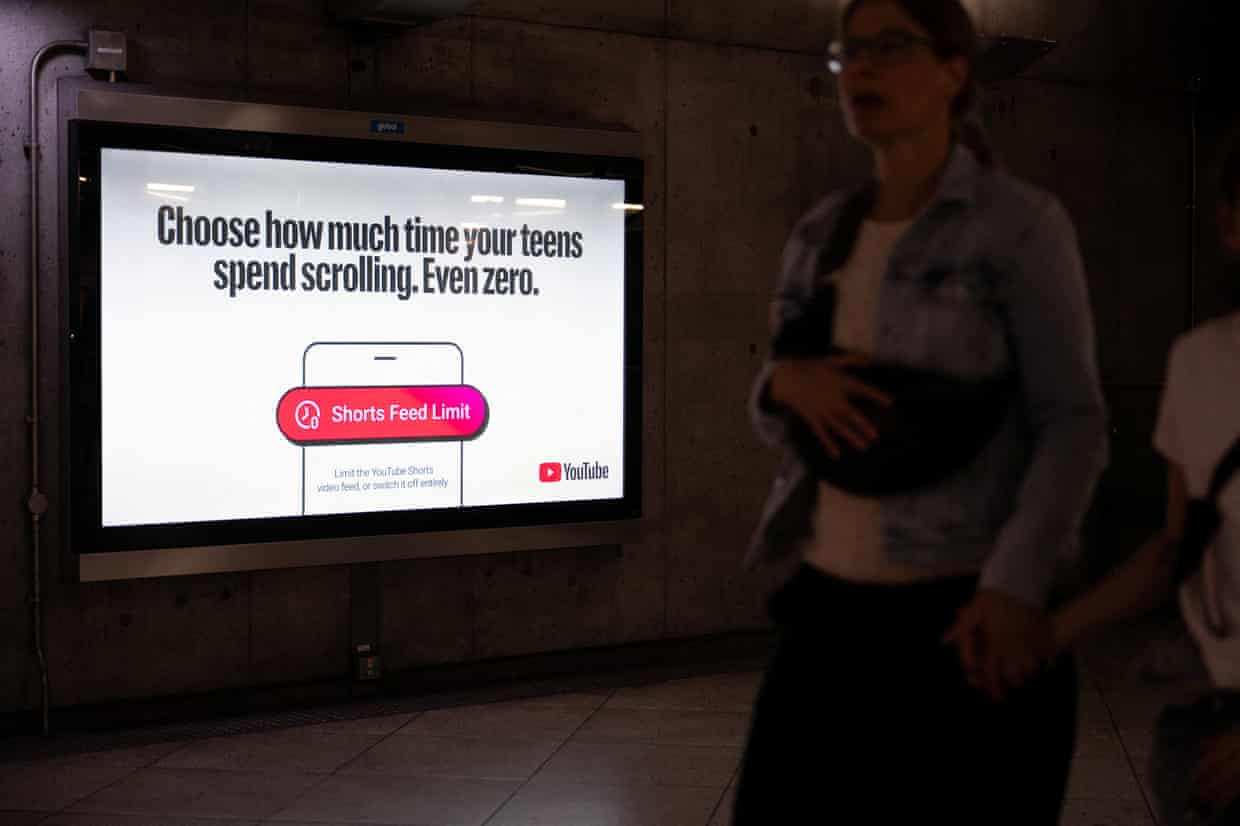
A YouTube ad on the London Underground
A YouTube ad on the London Underground after Britain announced a social media ban. Photograph: Chris J Ratcliffe/Reuters

The US, the primary home of big tech, has also been a striking outlier as efforts to introduce sweeping bans or restrictions have been complicated by court decisions and the tech industry’s increasing entrenchment in federal and local government. Florida ranks among the states with the most notable policy, as it requires specific social media platforms to ban children 14 and under from signing up for accounts and 15-year-olds to obtain parental permission. Utah also passed sweeping legislation, though courts have blocked certain age verification parameters on free speech grounds. A similar attempt to curtail social media use in Arkansas was also halted by the courts.

While tech companies have argued that restrictions risk pushing teenagers towards more harmful platforms, opposition has also come from other quarters. Last year, as Australia rolled out its ban, Amnesty International described it as an “ineffective quick fix” that it saw as “out of step” with the realities of a digital generation.
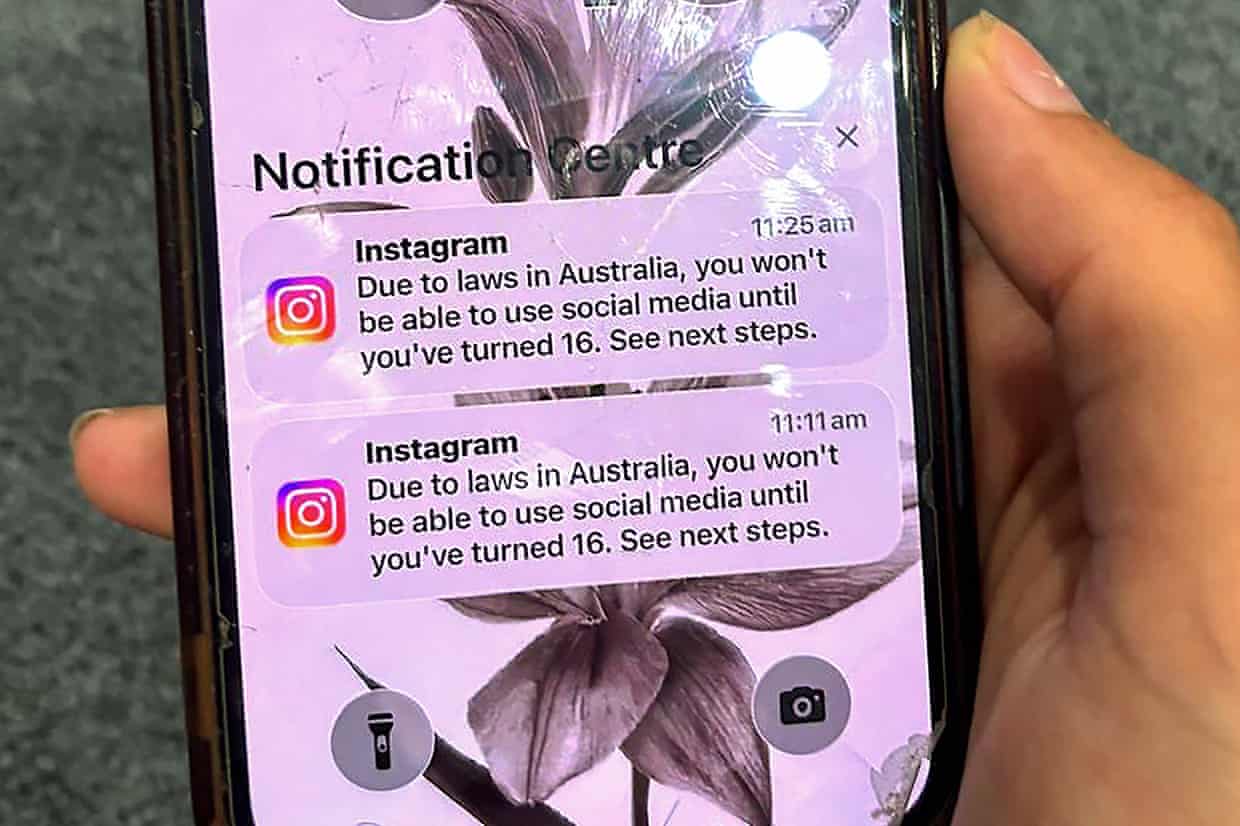
A teenager holds a mobile phone displaying a message from a social media platform
A teenager holds a mobile phone displaying a message from a social media platform after the Australian ban was implemented. Photograph: AFP/Getty Images

The organisation instead called for regulation and education in order to build a “digitally safe society” for all. “The most effective way to protect children and young people online is by protecting all social media users through better regulation, stronger data protection laws and better platform design,” Damini Satija of Amnesty said last year.

Noting that many children would simply find ways around the restrictions, Satija added: “A ban simply means they will continue to be exposed to the same harms but in secret, leaving them at even greater risk.”

Hints of this view have coloured the approach of some governments. Canada’s efforts to ban social media – introduced earlier this month – includes an exemption for companies that can demonstrate they have policies in place to protect people from harmful content. In Spain, the government said its push for a social media ban would be accompanied by legislation that would make social media executives personally accountable for hate speech on their platforms.

Others have sought to strike some sort of balance. China – which has long blocked many western social media platforms – introduced restrictions in 2021, including a weekday ban on online gaming for minors while allowing one hour a day between 8-9pm on weekends and public holidays. Douyin, China’s version of TikTok, also announced an initiative restricting children under 14 to 40 minutes a day on the platform between 6am and 10pm.

children on phones
Efforts are being made to rein in children’s use of digital media in states across the US. Photograph: Prostock-studio/Alamy

As social media bans gain ground across the globe, questions have at times swirled over their intentions. In Turkey, for example, a recent push to block children under 15 from accessing social media included mentions of a potential plan to have users log in to a government-run online portal, setting off concerns among those who pointed to the state’s history of restricting or blocking internet sites during protests or after terrorist attacks.

Another example lies in the efforts being made to rein in children’s use of digital media in states across the US, says Hendrix . “There are a lot of peculiar motivations that folks have, and it depends on the politics of the place. Some of them come from very socially conservative motivations, they’re about limiting access to pornography or perhaps LGBTQ material, and in some cases it’s more around concerns around addictions or some of the other types of mental health effects that people are concerned about.”

In Ecuador discussions on a social media ban for children under 15 were centred on keeping minors from being recruited by criminal organisations.

“I think the motivations and the ultimate rationale can be very different from place to place, jurisdiction to jurisdiction,” says Hendrix. “But on the whole, stepping back from it, there is a consensus among regulators that there are substantial harms for children and teens from social media and that they need to be addressed.”