












You could debate what the best American LGBTQ+ book is until the cows come home, but experts at least tend to agree on the first one: 1870’s catchily titled Joseph and His Friend: A Story of Pennsylvania by Bayard Taylor. Compared with the well-worn classics of the British LGBTQ+ literary canon – from Oscar Wilde to Jeanette Winterson and beyond – its US counterpart feels invitingly hazy: greener and ever-evolving to reflect the spectrum of queer American life.
To celebrate pride month and the upcoming 250th anniversary of America, the Guardian asked nearly two dozen leading queer writers for their favorite LGBTQ+ book from the country they call home. Read on for their choices.

Sarah Schulman selects
The Heart Is a Lonely Hunter
Carson McCullers
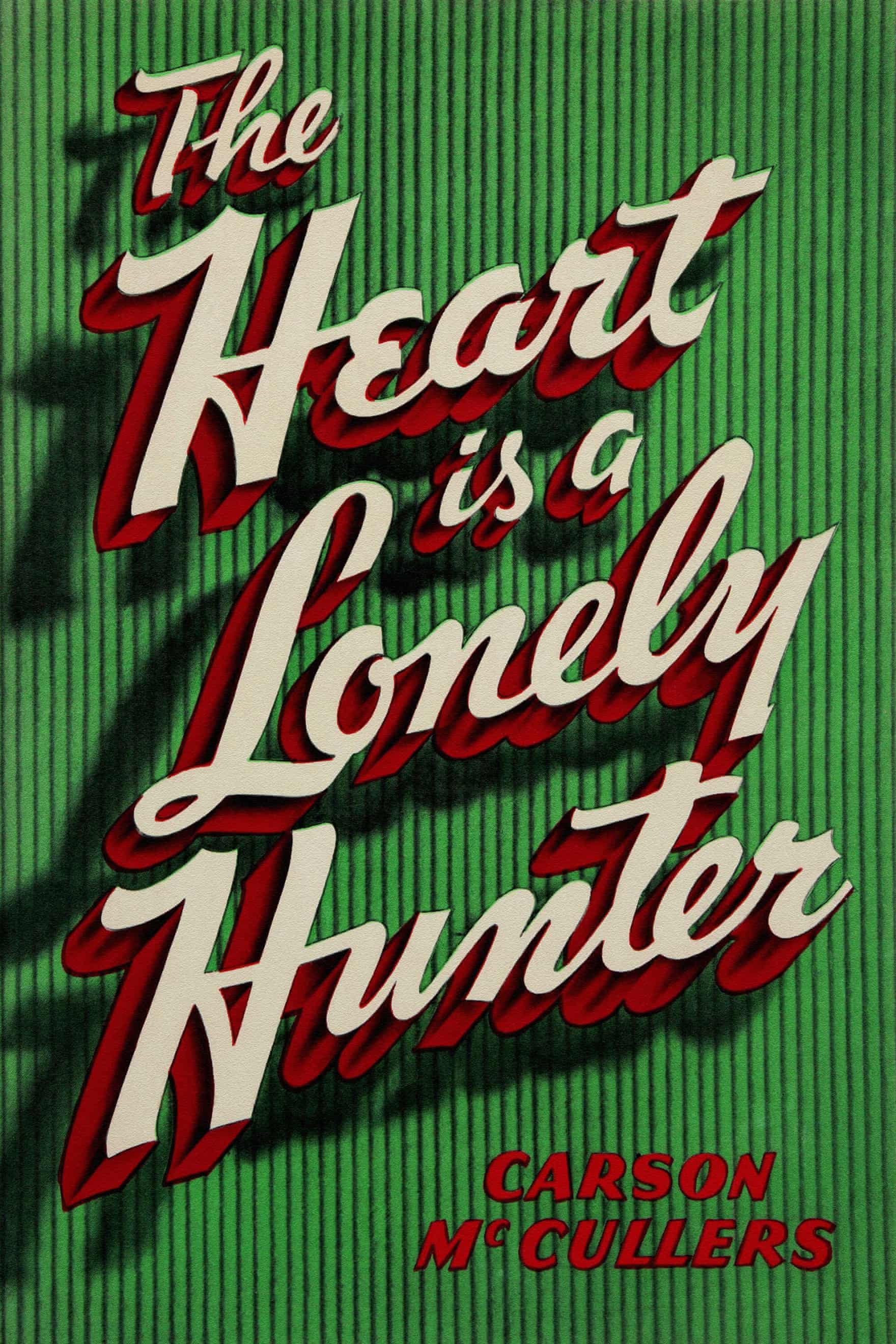
Lula Carson Smith, born in segregated Georgia in 1917, changed her name to Carson, wore suits and wrote books with boyish protagonists named Mick and Frankie. As she transgressed gender, she also crossed the color bar, and her first novel, The Heart Is a Lonely Hunter, published at age 23 in 1940, featured queer and trans characters, but also scenes with only Black people in the room. She wrote about working people’s rights, and was driven by her and their own freedom vision. Before this publication, Carson won a scholarship to Juilliard to study piano, but ended up handing over all her money to a female sex worker and had to come home. There she married a fellow writer, Reeves McCullers, also on a gender tightrope, an alcoholic and depressed. The two loved and tormented each other through two marriages, while Carson went on to become a singular, organically talented literary marvel – writing novels, short stories, a memoir and plays. She died at age 50, and her death mirrors colleagues Tennessee Williams and Truman Capote, three queer geniuses who never got a grip on their addictions. I still read and re-read Carson with wonder and admiration.

Michael Cunningham selects
The Sun Also Rises
Ernest Hemingway
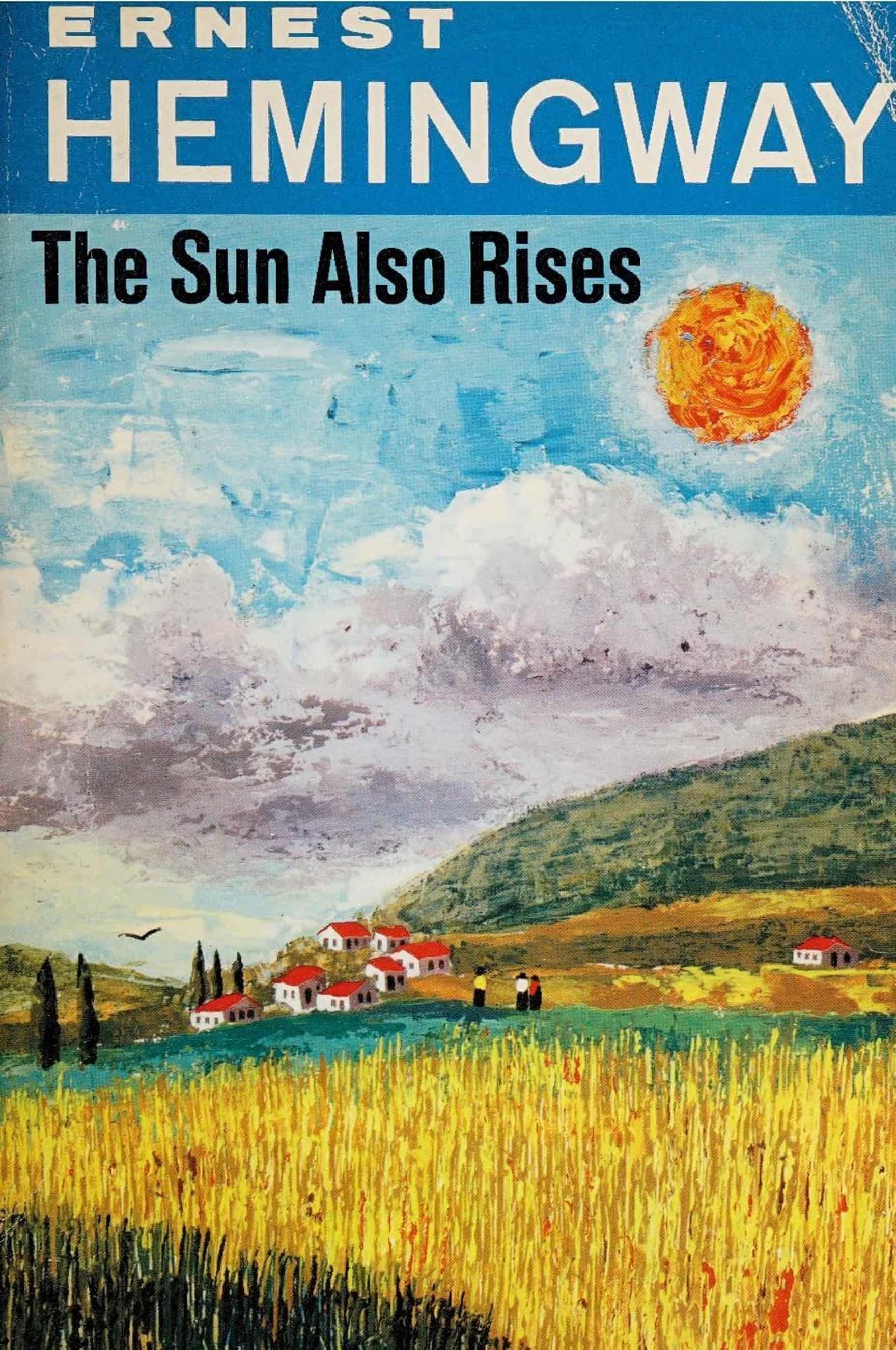
This is probably the least widely acknowledged queer novel in American literature. It’s the story of the doomed love between Jake Barnes, an American who’s had his balls shot off in the war, and an Englishwoman, Lady Brett Ashley – two expats living in Paris. Jake can’t have sex with anyone. Brett has sex with almost half the men she meets. She’s not coquettish, though. She wears men’s sweaters. Her hair is “brushed back like a boy’s”. She’s described as “damn good-looking”, never pretty or beautiful. She doesn’t need to be pretty. She’s a force. She’s fatale but not femme. I’d never underestimate the marginalization of LGBTQ+ writers, or our longstanding status as separate from “serious” writers, if we dare to write about the lives we know. By 2026, though, I’m ready for that distinction to retire. The love story between Brett and Jake is very much about the Q in LGBTQ+, with its insistence, a century ago, that “queer” applies to all sorts of writers and characters; that the particulars about who they have sex with are not necessarily among their most fundamental aspects. It’s an early call for the undermining of gender norms. From Ernest Hemingway, of all people.

Robert Glück selects
The New American Poetry
Edited by Donald Allen
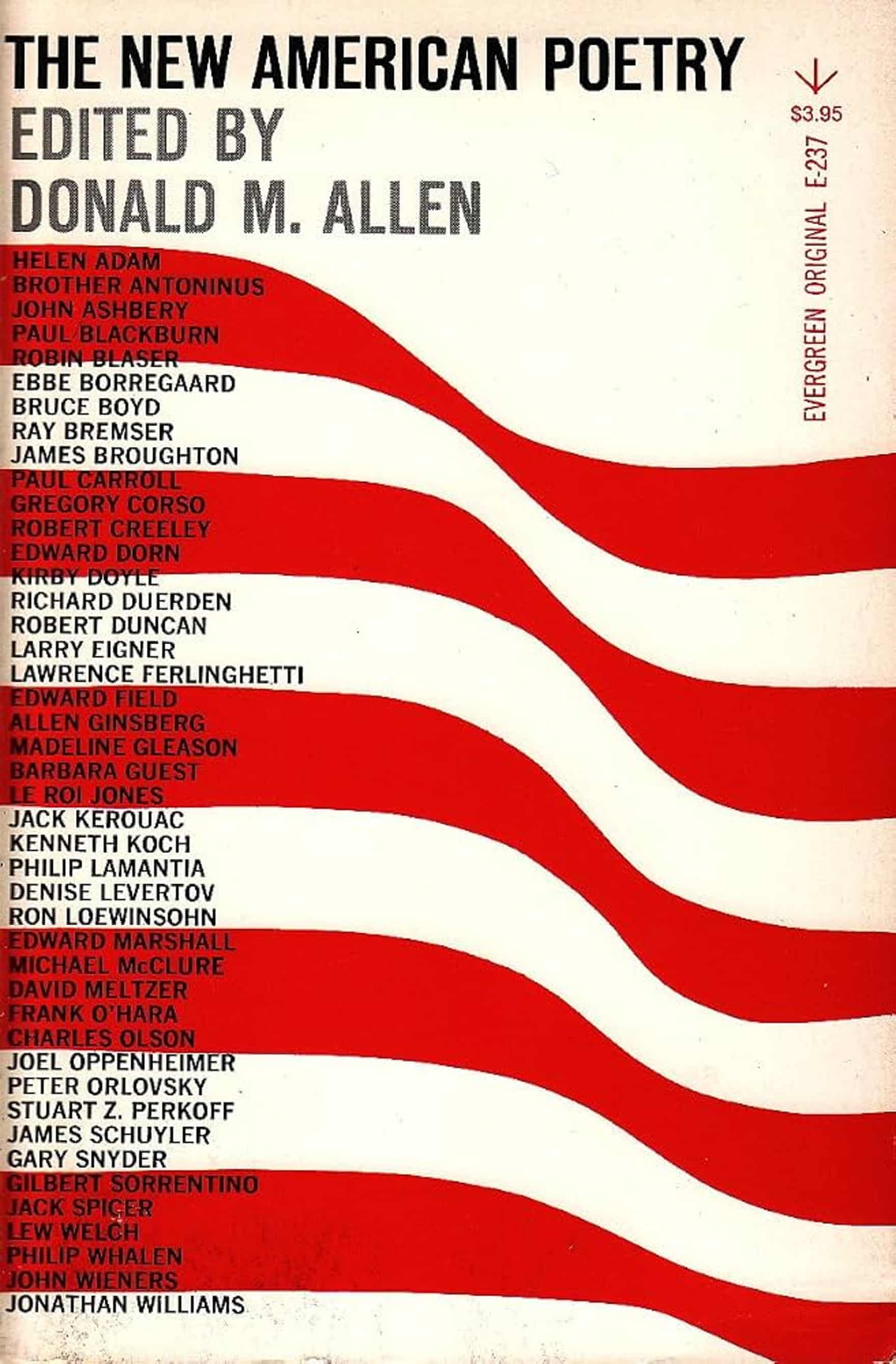
In the 60s, when homosexuality was considered a crime and a disease, I found The Satyricon in the Woodland Hills Branch library. It was my first encounter with normal homosexuality, but I was too late for life in ancient Rome. Later, I found Donald Allen’s The New American Poetry, the bible of poetry’s counterculture. I wonder if it’s understood what a queer bible it is? The Allen Anthology, as we called it, shaped postwar American poetry into schools: the Beats, the New York school, Black Mountain … There were lapses of course. The 44 poets were overwhelmingly male, but almost 30% queer! I discovered Philip Whalen, Robert Duncan, John Ashbery, Robin Blaser, Jack Spicer, Allen Ginsberg, James Schuyler, John Wieners and most importantly, Frank O’Hara. What a revelation for a generation of young queer poets! This was a world I could enter. I read that book till it fell apart – I have the pieces. Later, I became friends with some of these poets, and I learned that Don was gay. Later still, in a Proustian turn of events, he called me out of the blue and asked to publish a book on his Grey Fox imprint, and we became good friends.

Bryan Washington selects
Light From Uncommon Stars
Ryka Aoki
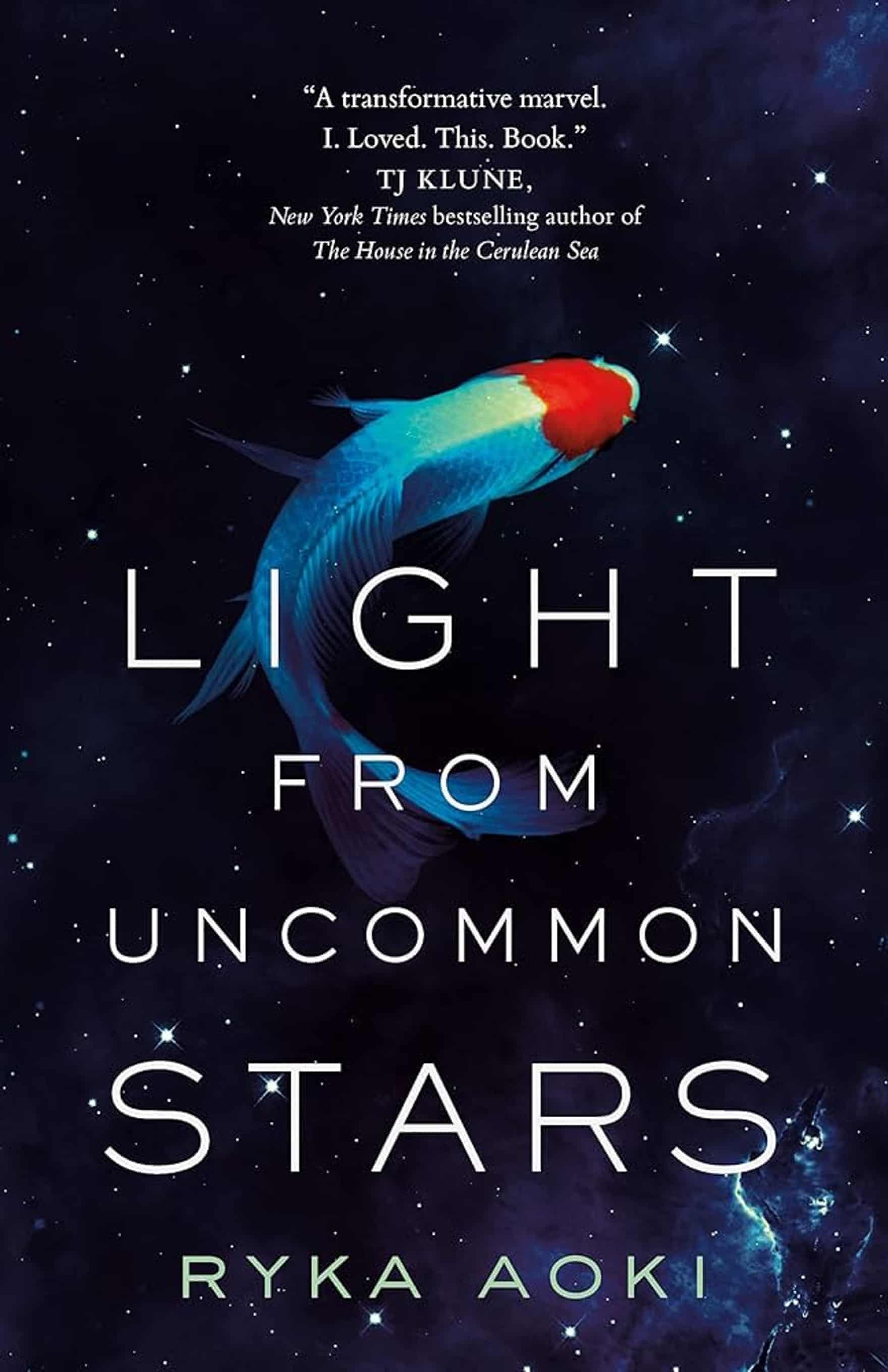
Ryka Aoki’s Light from Uncommon Stars nearly defies description: in the midst of a deal between the literal devil, a damned violinist and her potential protege – a teenage trans runaway – a queer love story unfolds alongside and within a family of interstellar refugees. The novel is a love letter to California, doughnuts, found families, infatuations and the costly choices – macro and micro – marginalized communities make in the US every day. But while the book’s premise is literally beyond, Aoki’s prose is astounding. Some of the most gorgeous writing in English that I’ve read. Aoki simply works in a different frequency. When I think of queer American literature, this novel reaches the limits of possibility and says, do more.

Melissa Febos selects
Chelsea Girls
Eileen Myles
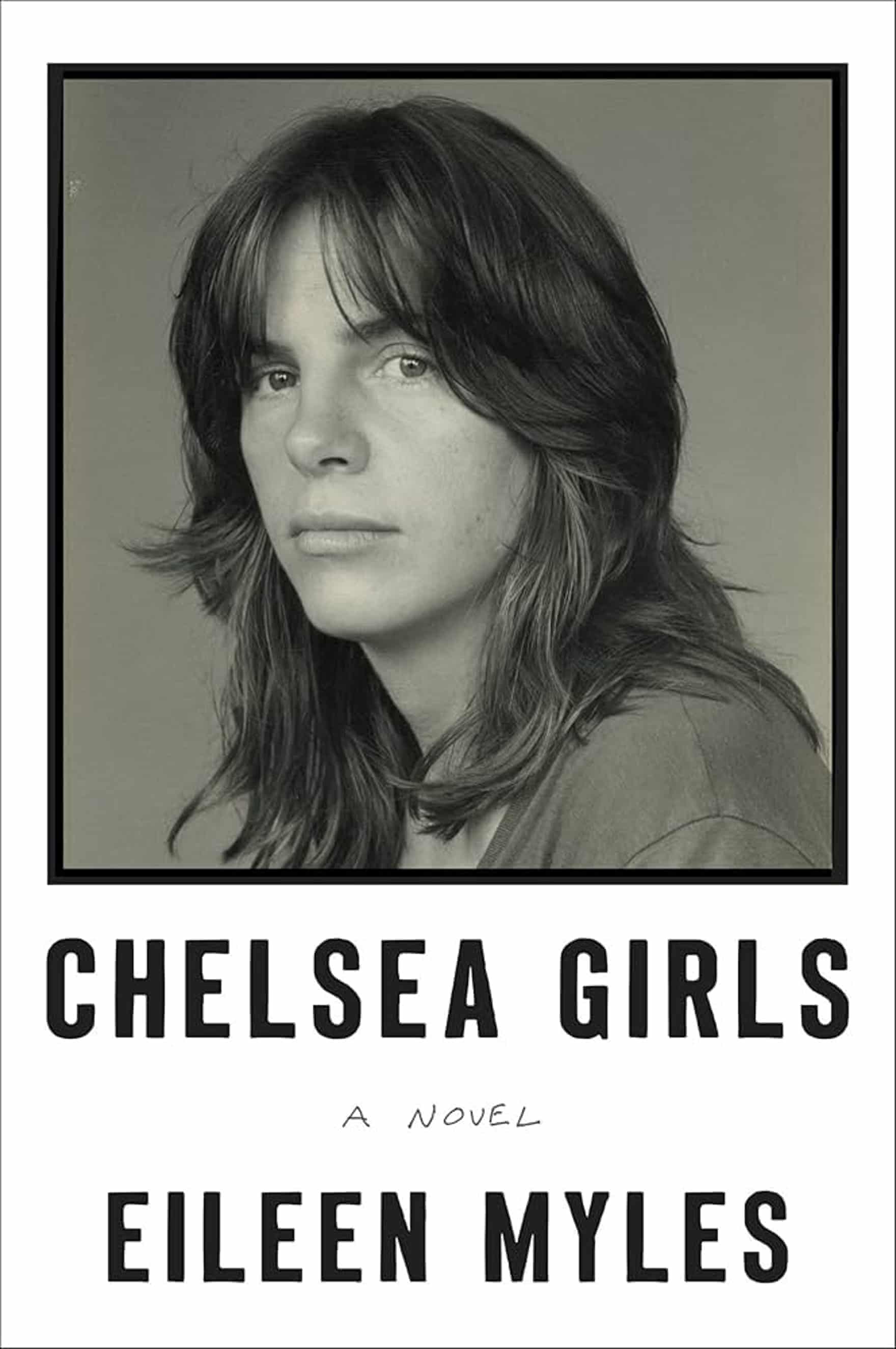
When I was a young teenager, this book provided a portal into a possible future – a life of days filled with art and girls and sex and the kind of chaos I knew only from the inside at that age. I was living in a smallish town on the Massachusetts coast and didn’t know anyone gay under 35. I used to skip school and hitchhike to Provincetown just to look at gay people. I was in love with my best friend and had no idea that was a cliche. Myles’s New York read like a dream sequence: drinking and danger and the erotic and giddy fun all swept up into the same handful, every day. “With a woman I felt whole, not different,” they wrote, and I hung on to that, the proof that I was something so knowable a stranger could write it. That I could aspire to be an artist, a mess, a lover: the person I already was.

Kaveh Akbar selects
Feeld
Jos Charles
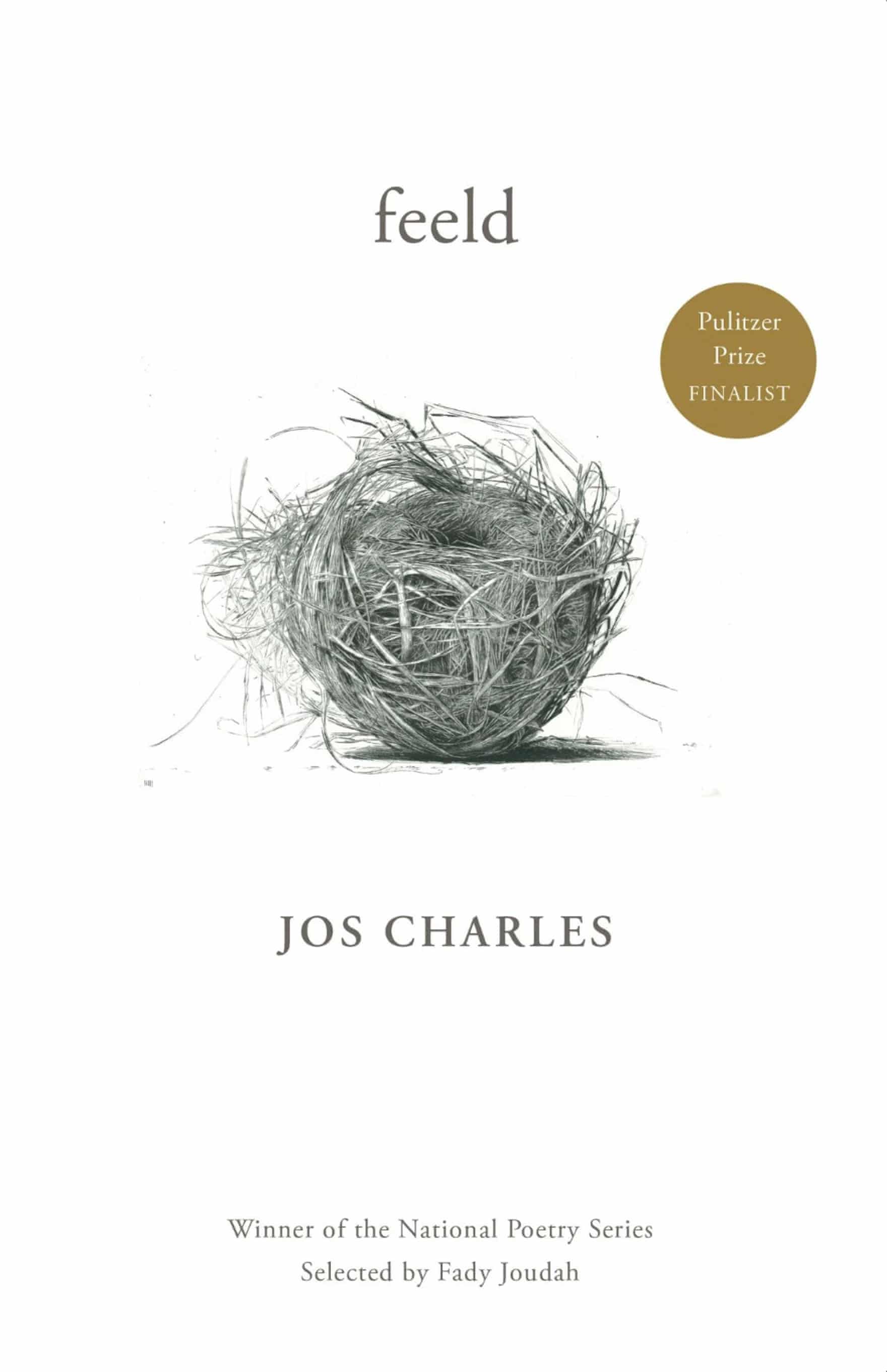
Anne Carson said that Paul Celan “translated German using German”, and I think reading Jos Charles’s Feeld is the closest thing to that feeling I’ve ever come across in English verse. For Feeld, Charles – educated both as a musician and medievalist – strips English down to its studs, reconfiguring it into a new pidgin, one part pre-Chaucerian Anglo-Saxon and one part millennial text-speak. One of her poems ends: “i kno no new waye / 2 speech this / the power off lyons.” Another: “u who unforl me / how many / holes would blede / befor / u believ / imma grl”. Feeld is a painstaking, unprecedented work of an actual capital-G genius, a trans poet de- and re-constructing a language that never anticipated a life like hers. It’s a book that feels more miraculous every time I revisit it.

Imogen Binnie selects
Period
Dennis Cooper
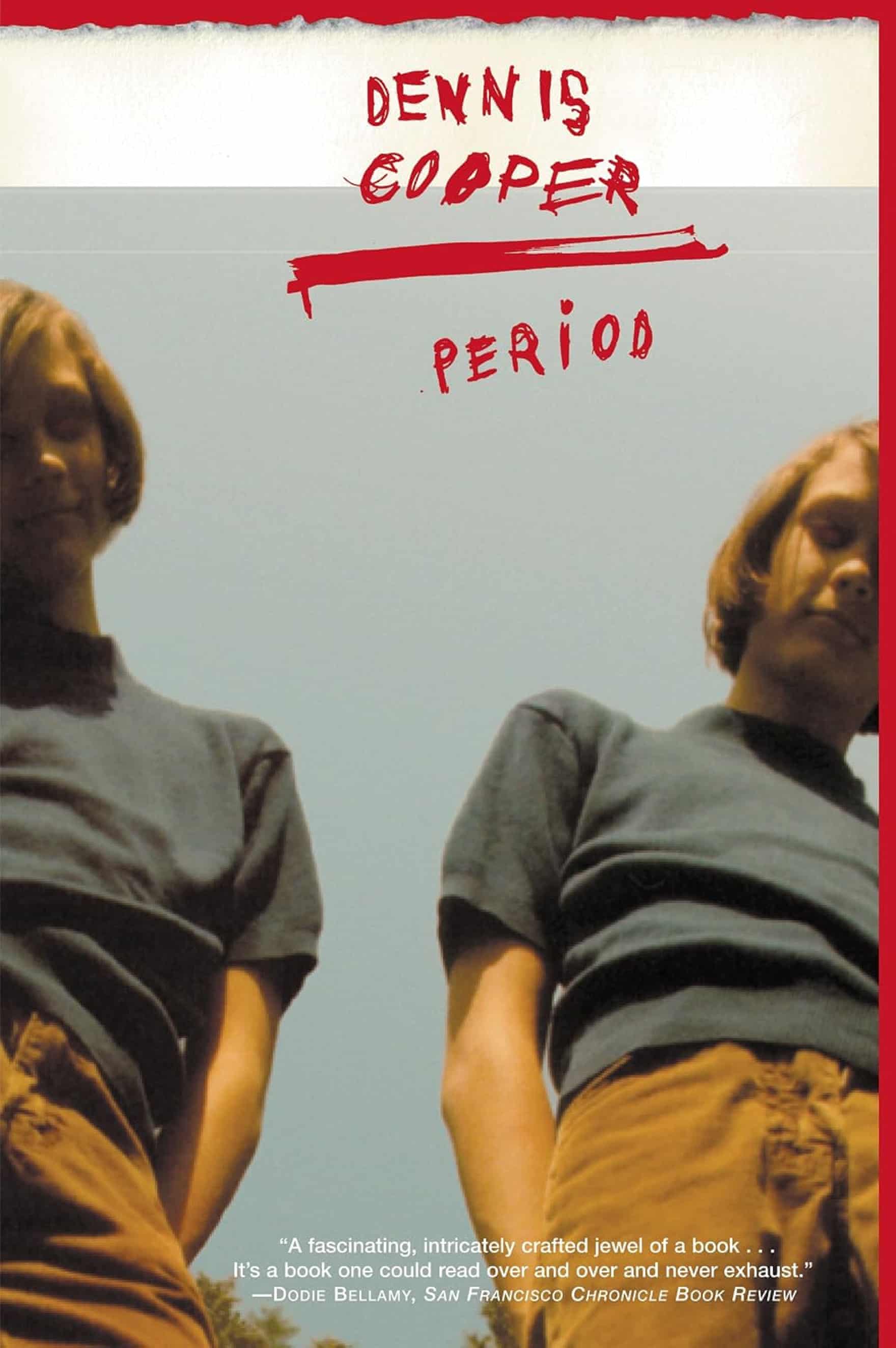
I moved to New York to figure out that I was trans, although I didn’t know it. That need was an internal, invisible Rube Goldberg machine of truths, fears and Do Not Enter signs, impenetrable and as ignored as possible. I worked at the notorious love-it-and-hate-it bookstore institution The Strand. Shelving fiction one evening, I found a novel whose cover image I’d previously seen as an implied author photo on the back of the classic transgender hoax novel, Sarah, by JT LeRoy. I didn’t know how to interpret the reuse of that photograph. Still don’t. But, appropriately, that confusion led me to sneak it into the employee bathroom and start reading.
It was Dennis Cooper’s novel Period. I was obsessed immediately. I’d never seen my own urgent dissociation on the page, or anywhere. Every one of Cooper’s books is a classic, but the depiction of dazed, blunted queerness in the George Miles Cycle – five books, of which Period is the last – made it possible for me to become a person. Cooper’s depiction of deeply inarticulate young people driven by overwhelming needs they could barely express resonated deeply. Still does, if I’m honest. Dennis Cooper saved my life.

Brontez Purnell selects
The Bell Jar
Sylvia Plath
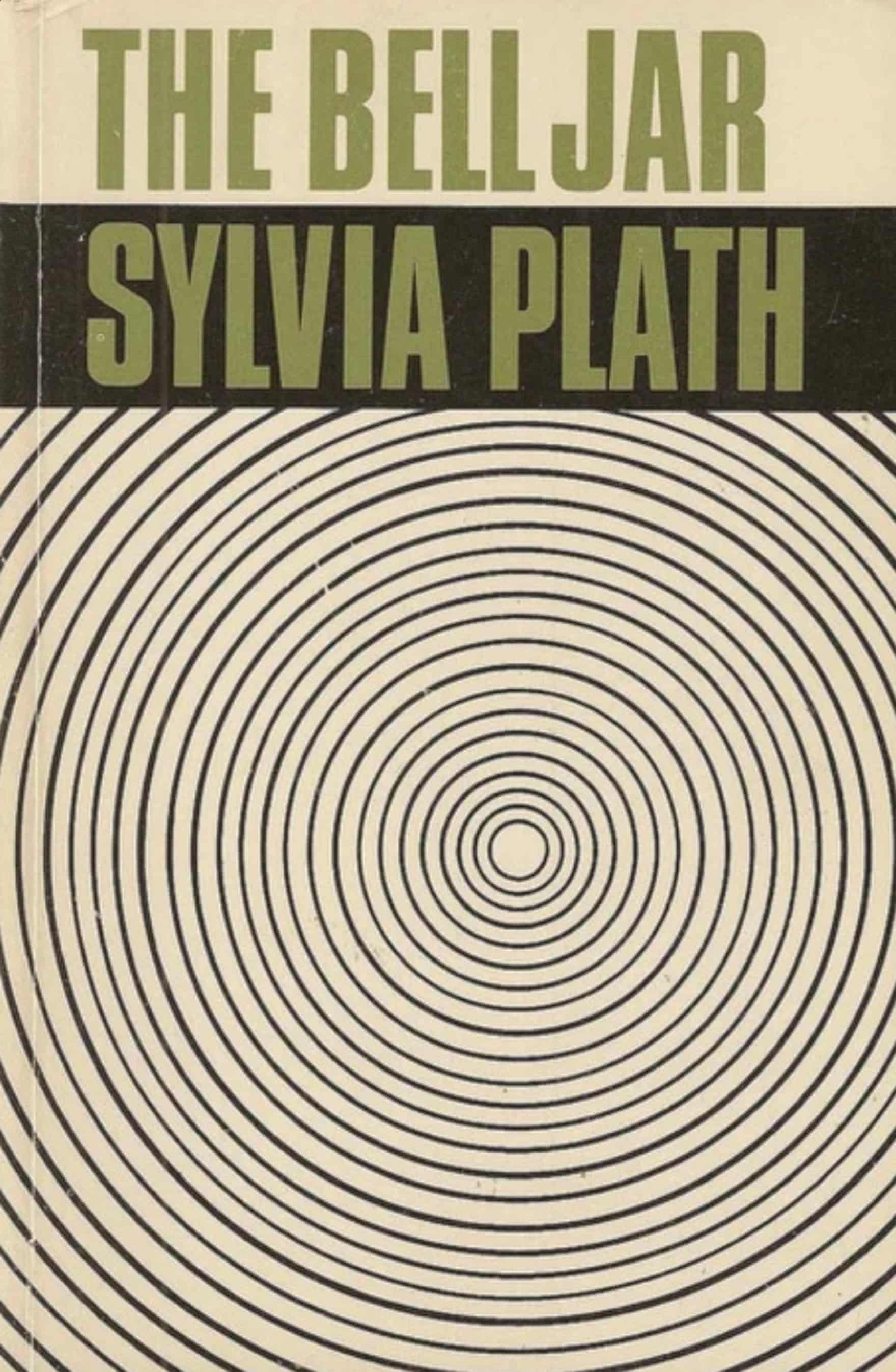
Though not a “queer novel”, I know way too many gays who have adopted this devastating, awe-inspiring, if not even (and thank God for this) “problematic” novel of the perils of social isolation, suicidal ideation and in small parts, hope. I was a depressed little gay boy in middle school in Alabama, and God bless my English teacher at the time because she was like, “I don’t know what exactly to do for him, let me just give him The Bell Jar” – why on earth you would give a depressed gay 12-year-old Black boy The Bell Jar is still beyond me, but thank God she did. The striking point of the novel is a young girl who is wrestling with the confines of the world that she is simply too astronomically gifted to be in. In real life, Sylvia lost her battle with dealing with this reality and committed suicide a mere couple of cosmic seconds before the cosmic shift in the world that made her plight in the book more and more apparent and compelling the longer the book lived – she stopped just short of seeing the change she made. I would hope to have my books do something like this, and I would hope to live to see it.

Samuel R Delany selects
Giovanni’s Room
James Baldwin
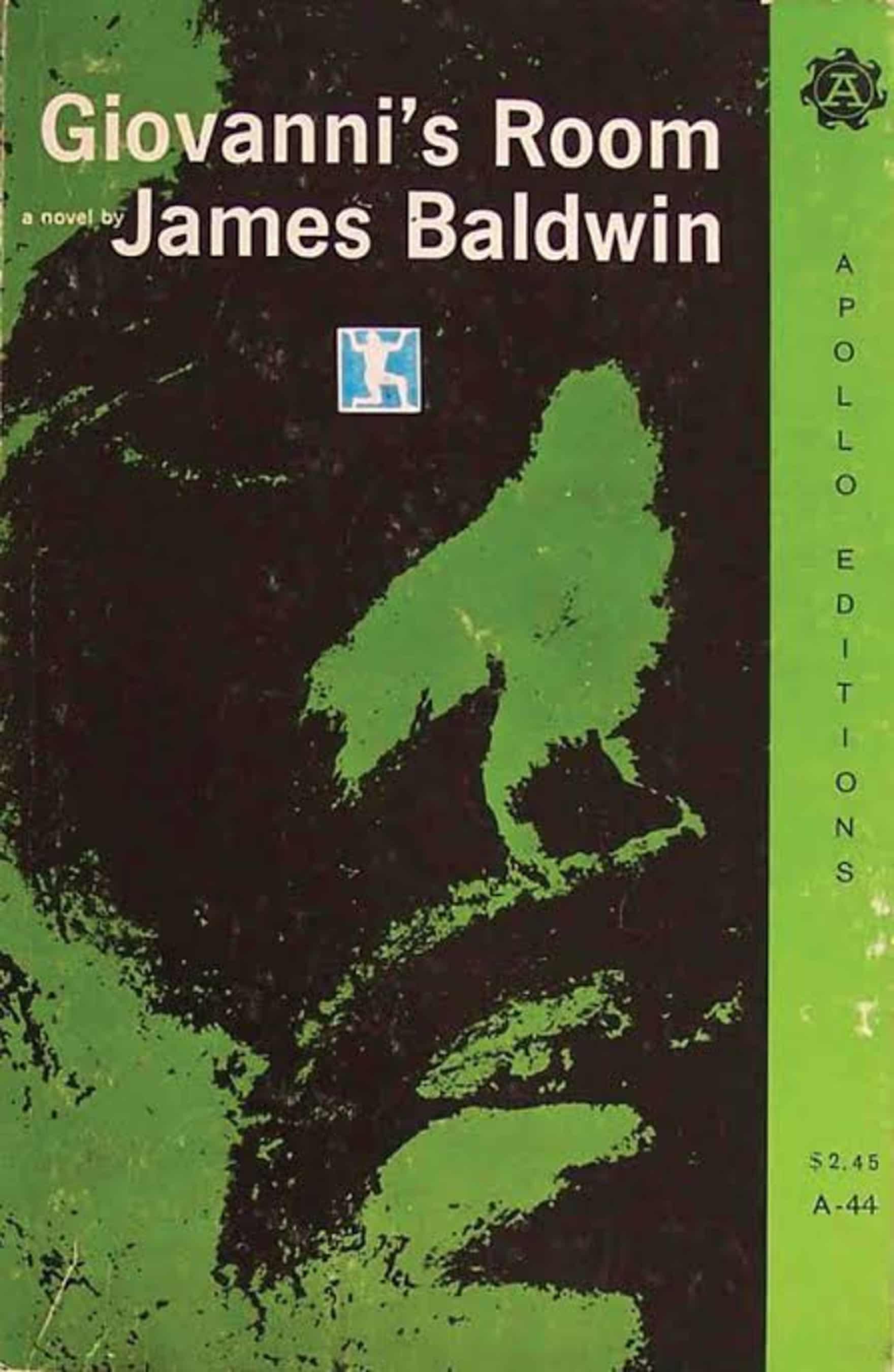
In James Baldwin’s Giovanni’s Room, David, the narrator and a white American, is engaged to marry Hella, a young woman studying painting. David has a passionate sexual relationship with a bartender in Paris named Giovanni. His affair occurs in the titular room, where Giovanni has covered the windows in boot polish and soap, so no one can see what he does inside. David struggles with the guilt of cheating on his fiancee and failing as a “real man”, sleeping with women to prove he isn’t gay. His affair suddenly ends when Giovanni is arrested and executed for a murder about which David knows almost nothing. Finally, his relationships with both Hella and Giovanni have ended outside his control, nor can he control his own feelings. In 1956, it was a brave book. In one scene, the characters Giovanni, Jacques and Guillaume have breakfast at Les Halles. When I got to Paris myself, that was one of the first things I and the young men I was traveling with did. Breakfast before dawn at Les Halles was just something everyone did – until it was torn down in 1973.

Andrea Lawlor selects
Discontents: New Queer Writers
Edited by Dennis Cooper
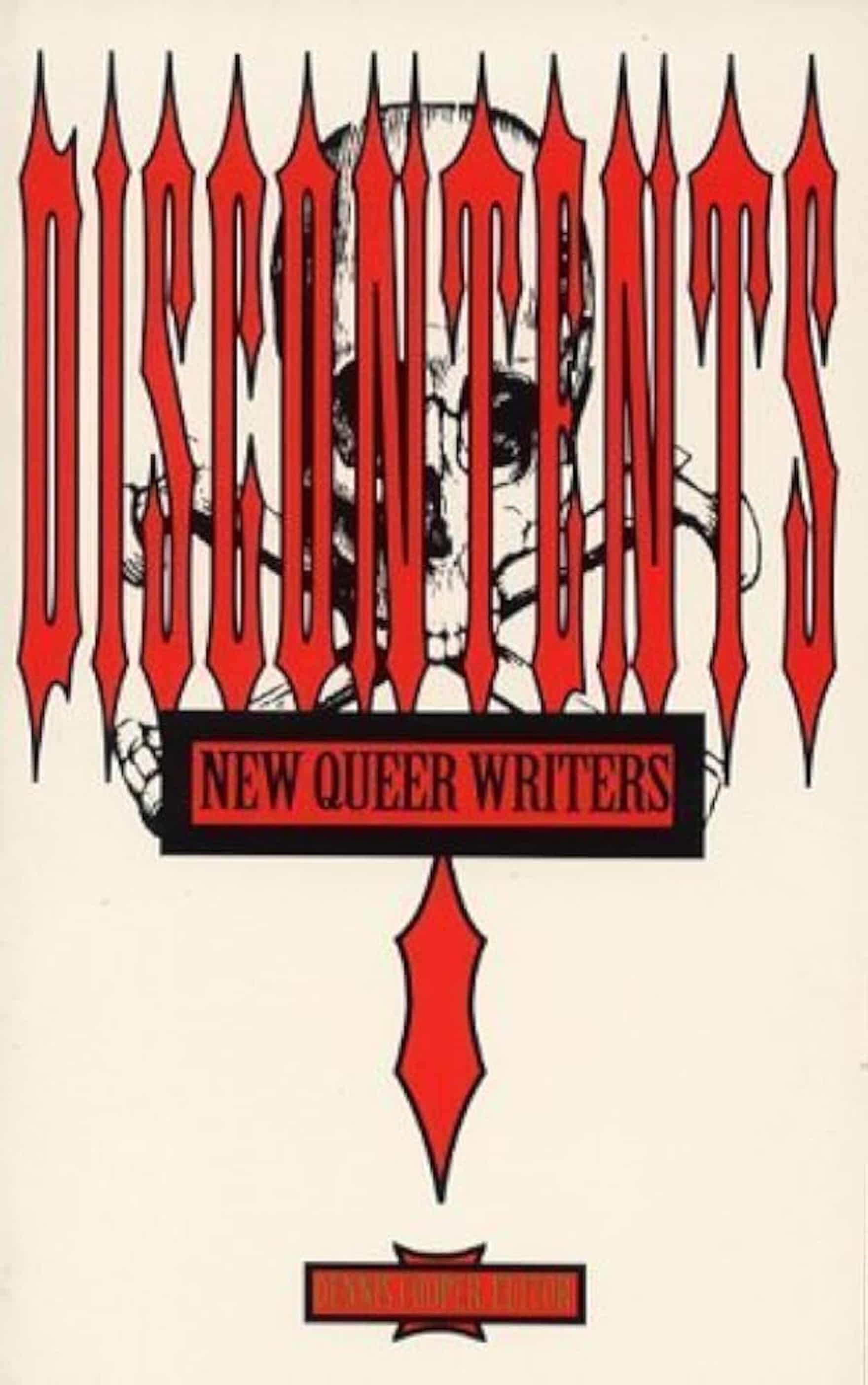
I’ve been thinking a lot about anthologies lately, and the anthologies I encountered in my misspent youth. Along with High Risk and High Risk 2 from the brilliant Amy Scholder and Ira Silverberg, the most formative for me was Dennis Cooper’s Discontents: New Queer Writers, published by Amethyst in 1992, and purchased by me that year at A Different Light in New York City. Did I buy it for Nayland Blake’s cover? Maybe. Was it a staff pick? Probably! Turns out I love an eclectic anthology, a peephole into the mind of the gatherer. Cooper gathered more than 50 writers – including New Narrative greats (Steve Abbott, Robert Glück, Kevin Killian, Eileen Myles); the coolest dyke novelists (Sarah Schulman, Achy Obejas, Dorothy Allison), zinesters (Larry-bob Roberts, Lily Braindrop, Vaginal Davis, GB Jones); cartoonists (Diane DiMassa, AK Summers, Roxxie, Alison Bechdel); the literary gays of the day (Scott Heim, Dale Peck, David Trinidad, Bo Huston); the magazine gays of today (David Sedaris, Hilton Als); the avant garde (Ana Simo, Matias Viegener, Joe Westmoreland); sex writers (Annie Sprinkle, Patrick Califia) and so many more. I used the contributor bios as a reading list, and thus my real education began. Why is this essential time capsule out of print, you may ask? I blame capitalism.

Kay Gabriel selects
Counternarratives
John Keene

John Keene’s Counternarratives is subtitled “stories and novellas”, but that’s not quite right. Think of it rather as 13 movements that animate the past 500 years of life in the Americas – all the struggles across time and place, over resources and freedom, that have given shape both to our fatally unequal world and to how people endeavor to change it. In astonishing prose, Keene inhabits layer after layer of social and political consciousness in writing the transformations of colonization, race, place, people, economy, war. Across Counternarratives, you can see queer sexualities emerging almost in real time as conditions change, but it’s not as if Keene is writing fables based on the orthodoxy of political economy. It’s more like he wants you to think about what it really meant to people at particular points in human history to face conditions not of their choosing, to confront the world and themselves with desires and drives that they can only ever make partial sense of. I wish I could read it again for the first time, but I’ll settle for convincing you to do that instead.

Hilton Als selects
Lesbian Nation
Jill Johnston
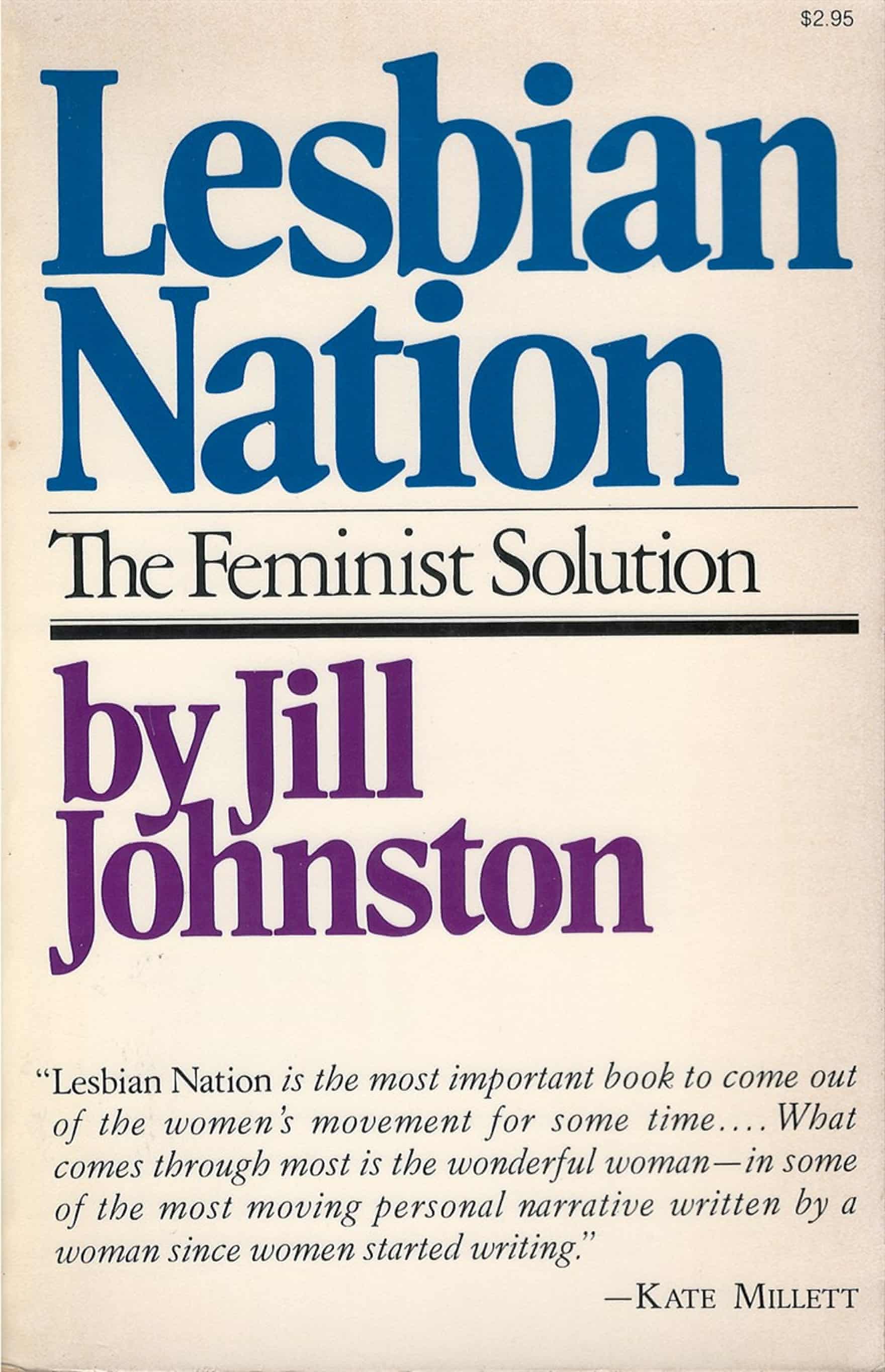
Jill Johnston didn’t start off as a writer. She was a dancer first, a Judson church person who found one self in movement, and another in writing. Actually, her writing was like dancing: sinewy, lithe, turning in circles and then doubling back on itself to talk about queerness, art, all the parts of her myriad self and the culture’s myriad self. One read her in the Village Voice – her first and most consistent outlet from 1959 on; her first gig was as the paper’s dance critic – to see as much what she had to say about something as how she would say it. She wasn’t “just” a great stylist; she was a great believer in critical inquiry, and how that wasn’t synonymous with the flat voice of seriousness.
For Johnston, thinking was play, and the body was not inseparable from it. Born in London in 1929, she and her mother moved to Queens, New York, after Johnston’s father abandoned his small family. College followed, then that marvellous time as a performer with contemporaries Yvonne Rainer, Lucinda Childs and other marvels. Andy Warhol photographed her dancing, and in 1969, Johnston, whose column had by then become a kind of report on her consciousness as it developed in New York City’s cultural scene, began to write about the queer world, and her transition from being a nominally straight woman to a lesbian. Her book, Lesbian Nation, is brilliant, outrageous, uncompromising. In it, Johnston argues for lesbian separatism, a world that doesn’t so much take the patriarchy by the scruff of the neck and give him a good shake so much as she argues for self-determination. She loved women, and I loved her.

Rumaan Alam selects
Family Dancing
David Leavitt
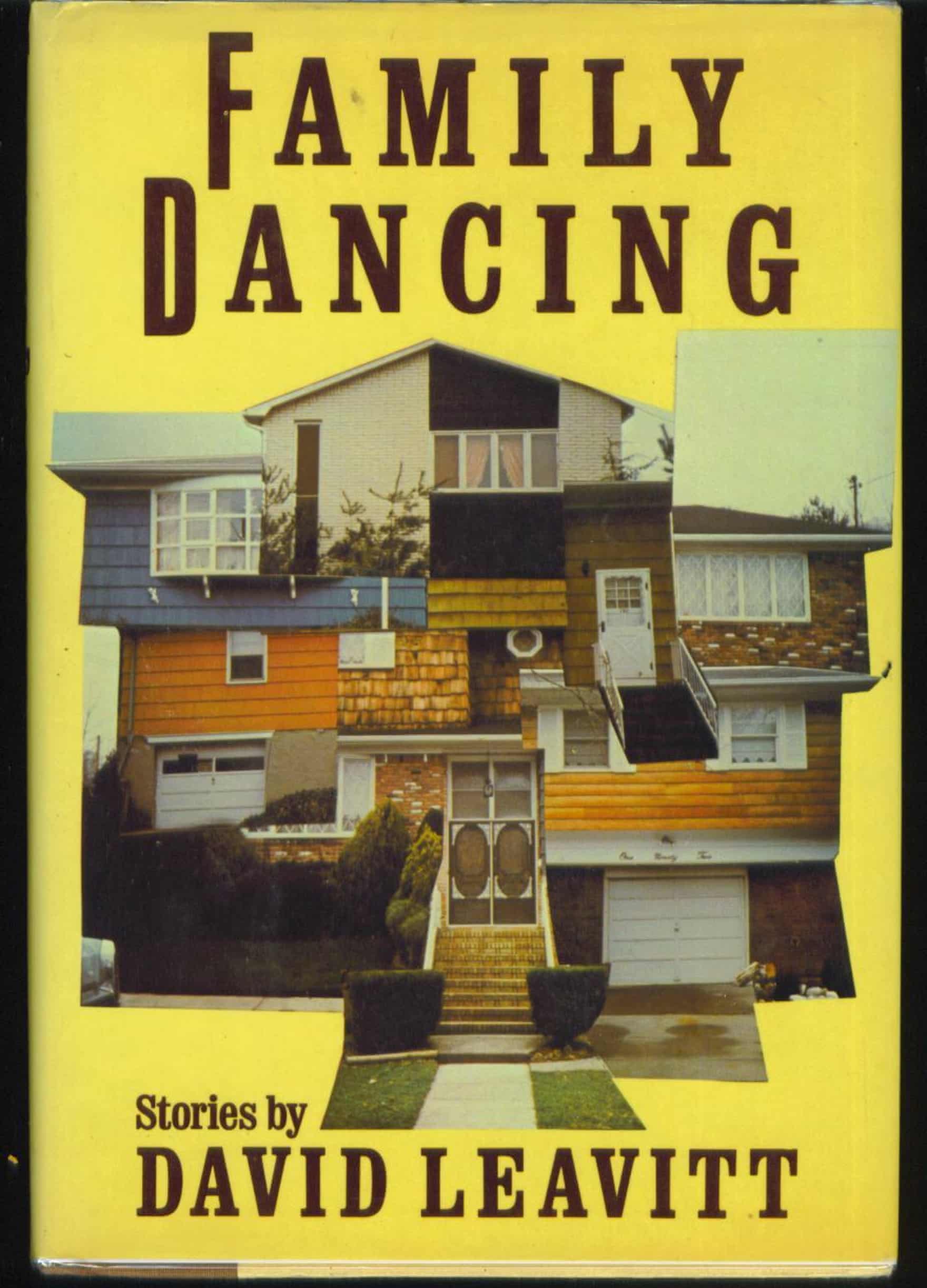
I can’t remember how I first heard David Leavitt’s name. Discovery was a different matter in the days before the internet, but gay kids have to be practiced sleuths. Some magazine informed me that Leavitt was the wunderkind who had snuck homosexuality into the pages of the New Yorker. Finding a copy of his debut story collection, Family Dancing, at a used bookstore in the suburbs, was a crucial step in the scavenger hunt that would lead me to myself. It was shocking to me, at 16, to read Territory, the protagonist of which understands his own gayness at age 12. More shocking that the story’s hero has the kind of mom who is supportive – an ally, we’d call her today. The title says it; family is Leavitt’s subject, and the thing I thought I’d have to renounce if I dared to be who I was. It struck teenage me as revolutionary to know that an American family might include a gay guy. Forget about art imitating life or vice versa; art has the power to ratify one’s very existence.

Jordan Tannahill selects
Angels in America
Tony Kushner
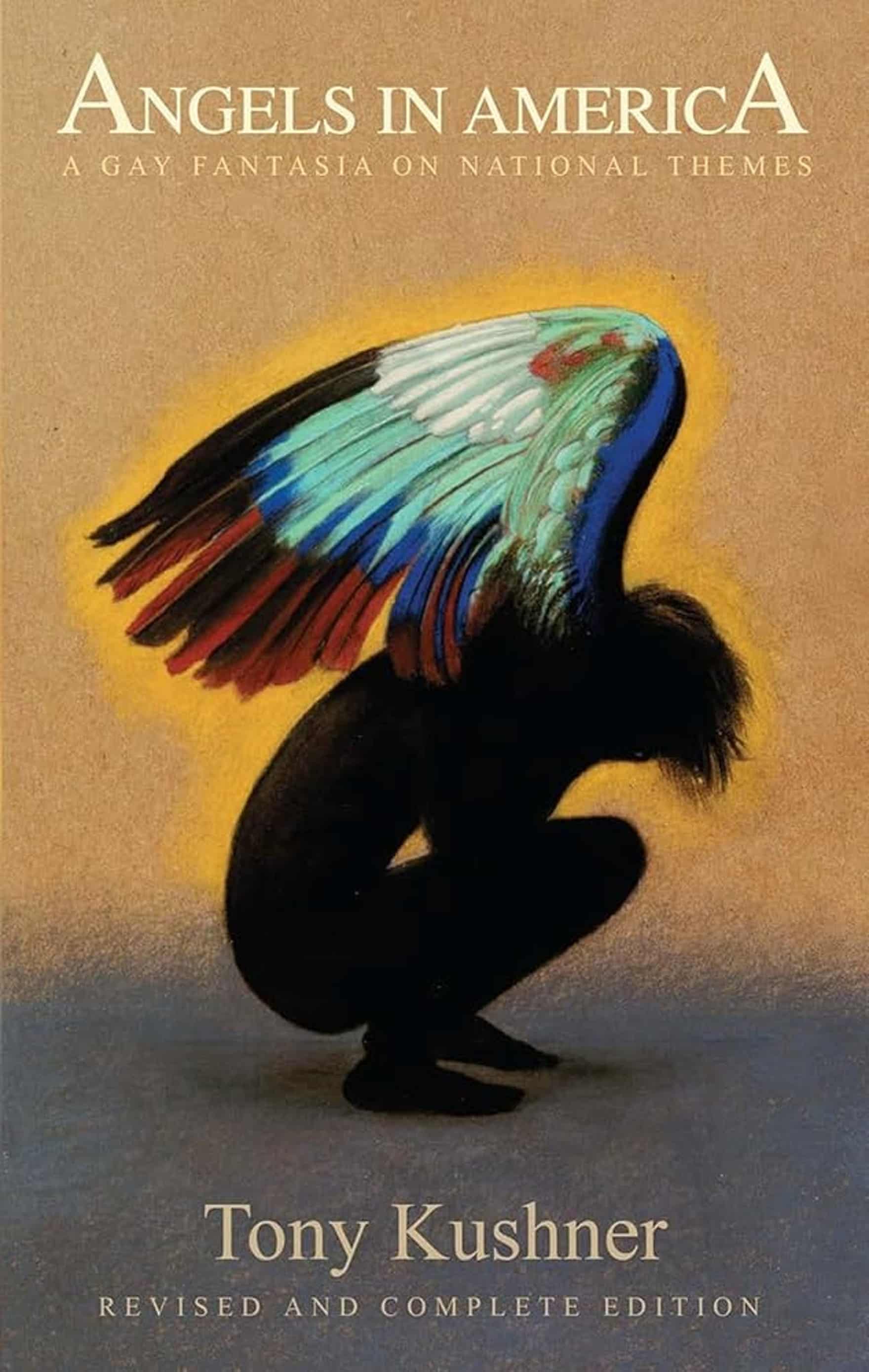
With Angels In America, 35-year-old Tony Kushner channelled his immense rage, intellect and visionary imagination into an eight-hour reckoning with the Aids crisis under Ronald Reagan, and changed the American theatre for ever. From Rosa Luxemburg’s deathbed visitation of Roy Cohn, to apparitions of 13th- and 17th-century ancestors, themselves plague survivors of yore, to the sublime arrival of the terrifying multigendered Angel, Kushner tackled the American mythologies of faith, capital and identity, while elevating the play itself to the register of myth. And yet, the play remains human-scaled, ultimately about our responsibilities to one another, and speaks directly to the millenarian moment into which it premiered. It must be said that the play is also filled with humor and dazzling wit – how else could we endure it? Ultimately, Angels reminds me of the miracle of great. Its political and moral force. Its capacity for the transcendent. Its ability to transmute suffering into a beauty which fortifies and clarifies.

Davey Davis selects
Resentment: A Comedy
Gary Indiana
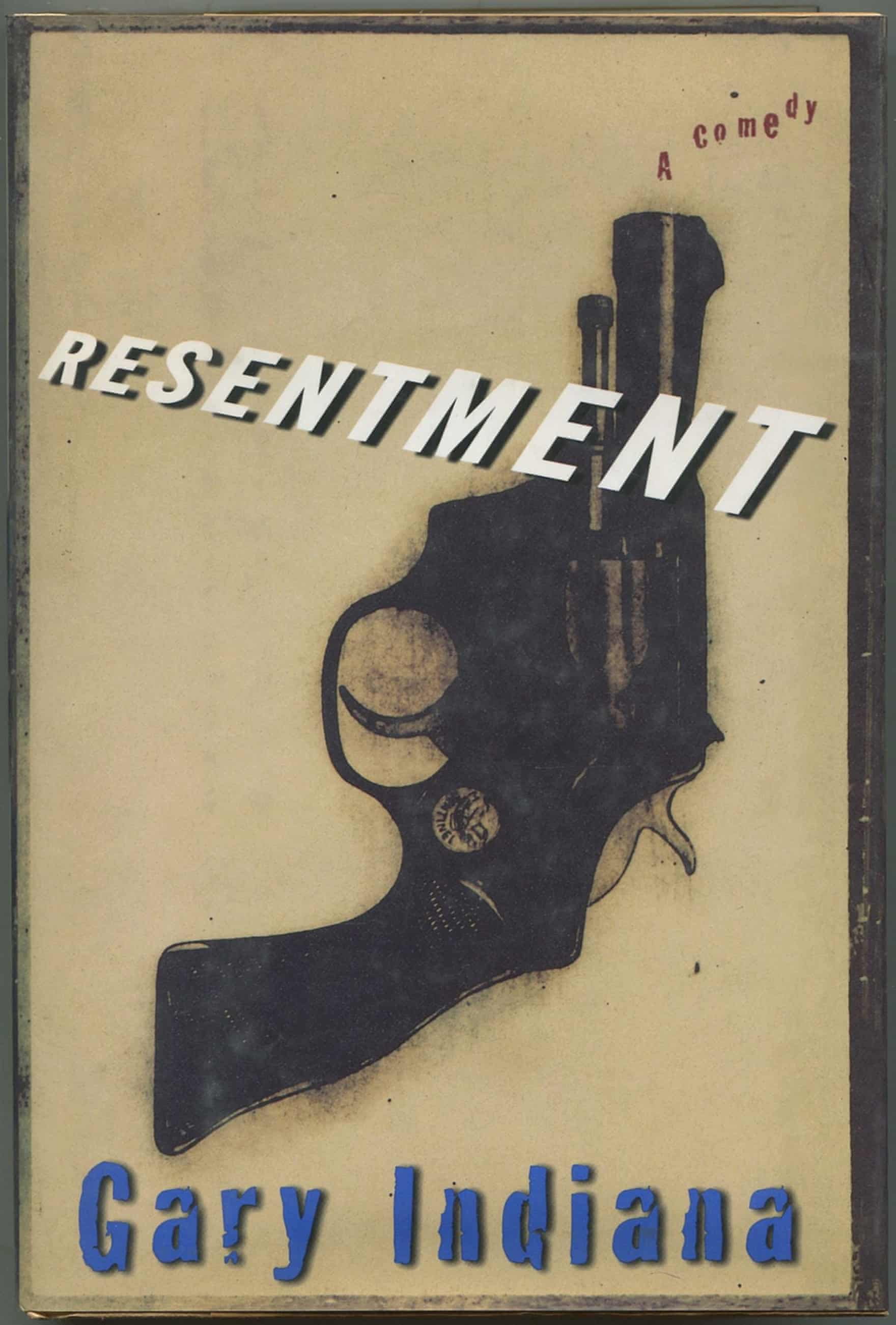
In the summer of 1994, a writer travels from New York to Los Angeles to cover a murder trial whose grisly details more than slightly resemble the crimes of the infamous Menendez brothers (with shades of the OJ Simpson and JonBenét Ramsey scandals). These similarities are the satirical scaffolding upon which Indiana pins his unforgettable “reverse roman à clef”, which is, as he writes, “a narrative in which stray threads of reality reinforce an imaginary tapestry of the era’s psychic life”. To say that the great writer and critic’s hilariously terrifying and nauseatingly erotic novel anticipates contemporary American life is to miss his diagnosis. Resentment’s eternal TV screens, pointless consumers and dissociated sadists aren’t just at home in today’s America (an enterprise whose founders, a cabal of slavers and genocidaires, must look up at with some satisfaction), but constituent of it. This is not light reading; famous for his dark and cynical wit, the late Indiana was no optimist, nor are his characters likable, much less good or heroic. But as troubling, even literally nightmarish, as Indiana’s fiction is, I read and re-read it for the furious integrity smuggled in its core.

Wayne Koestenbaum selects
Stage Fright: Plays from San Francisco Poets Theater
Kevin Killian
The late Kevin Killian, an unclassifiable polymath, held San Francisco together and prevented it from sliding off the cultural map. With his brilliant life partner Dodie Bellamy, he fostered an ecosystem of artists and writers that rivaled in its flashy intensity the fabled New York School of Poets. The place to begin reading Killian might be his Selected Amazon Reviews, a mad compendium of the irreverent, erudite appraisals (of books, films and household products) that he subversively posted on Amazon; but an equally tart entry point might be the selection of plays he wrote for San Francisco Poets Theater, which wasn’t quite an organization, but more of a wish, a confluence – a series of happenings, demonstrations, collisions and farcical celebrations of the random and the rarefied.
A Killian play, evoking the madcap world of Charles Ludlam, Tennessee Williams, John Waters and Ed Wood, thrives on lunatic, joy-enhancing juxtapositions of improbable situations and characters. In my favorite play, Island of Lost Souls, the dramatis personae include Jack Kerouac and his mother, William S Burroughs, Claus and Sunny von Bülow, Yma Sumac, Julie Andrews and Anaïs Nin. Like any good “camp” artefact, a Killian play makes cheeky bricolage out of unrelated cultural spheres. Stage Fright celebrates an insider sensibility – a coterie consciousness – deserving canonization. Killian recasts the outre as a new and necessary centrality. Like any principled absurdist, he uncovers, within the molten heart of literary anarchy, a sweet-tempered, blockbuster-worthy core.

Daniel Lefferts selects
The Shards
Bret Easton Ellis
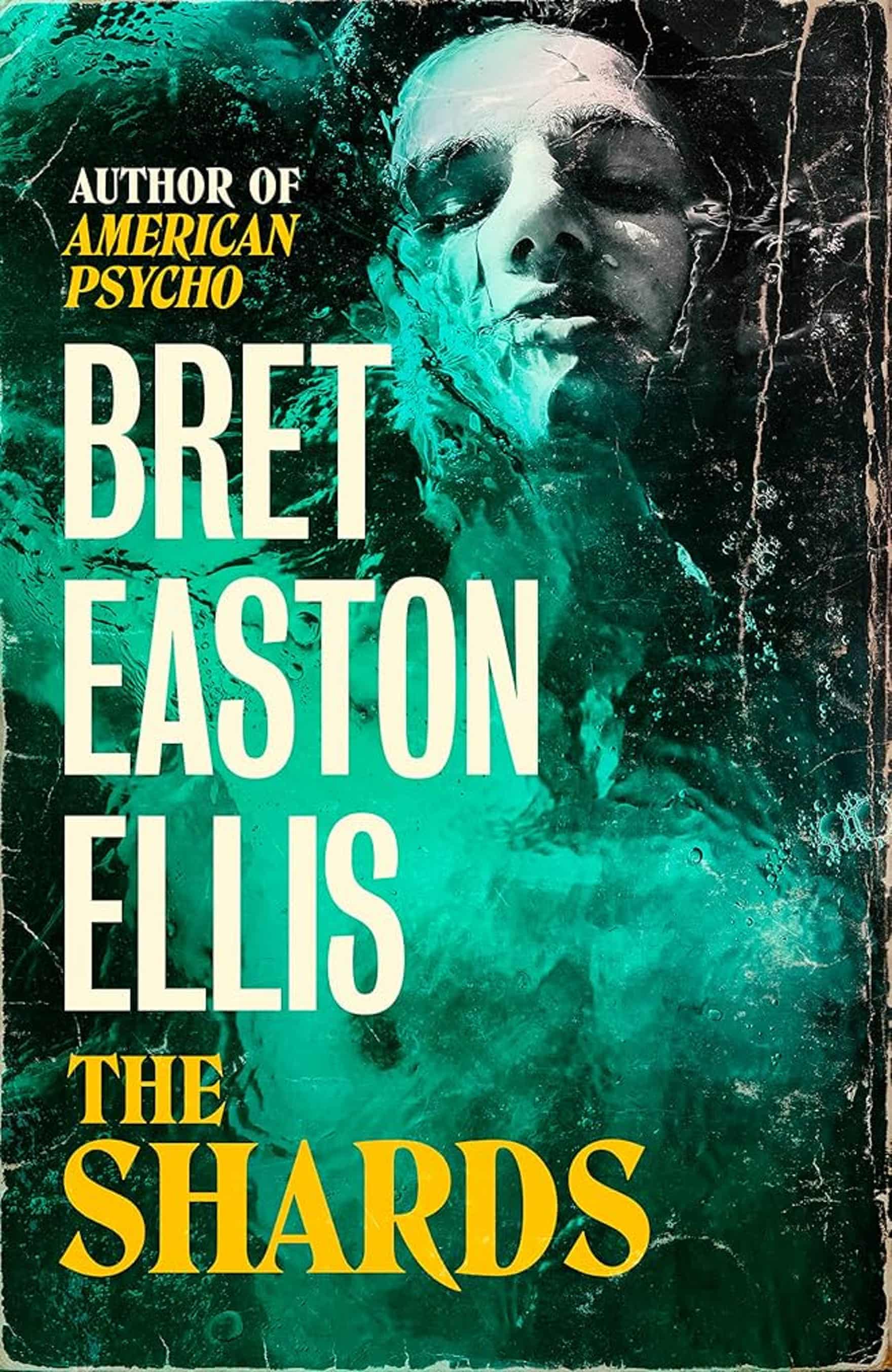
Ellis’s The Shards is many things – a coming-of-age novel, a slasher thriller, an ethnography of popped-collar privilege in 1980s Los Angeles – but at its core it’s a profound interrogation of the gay male American psyche in all its unrequited lovesickness and rage. The novel follows an aspiring writer, an autofictional stand-in named Bret, during his eventful senior year of high school. Around the time a serial killer begins murdering local teenagers, including a male classmate the closeted Bret has been sleeping with, a mysterious new student named Robert Mallory arrives at school, immediately arousing Bret’s suspicion. Is Robert the killer, or is Bret simply projecting his own sexual paranoia, attributing secrets to others as he hides his own? Or does Robert strike Bret as uniquely malevolent only because he’s uniquely beautiful, the most illustrious of the “teenage Greek gods” Bret pines after but can never have and never be? The Shards spins from Bret’s torment a definitive classic, one that captures an entire American era with a peculiarly American combination of horror and lust. It’s a blood-splattered epic of homosexual resentment and longing: a beautiful, libidinal, terrifying tragedy in a category all its own.

Eileen Myles selects
A Woman Is Talking to Death
Judy Grahn
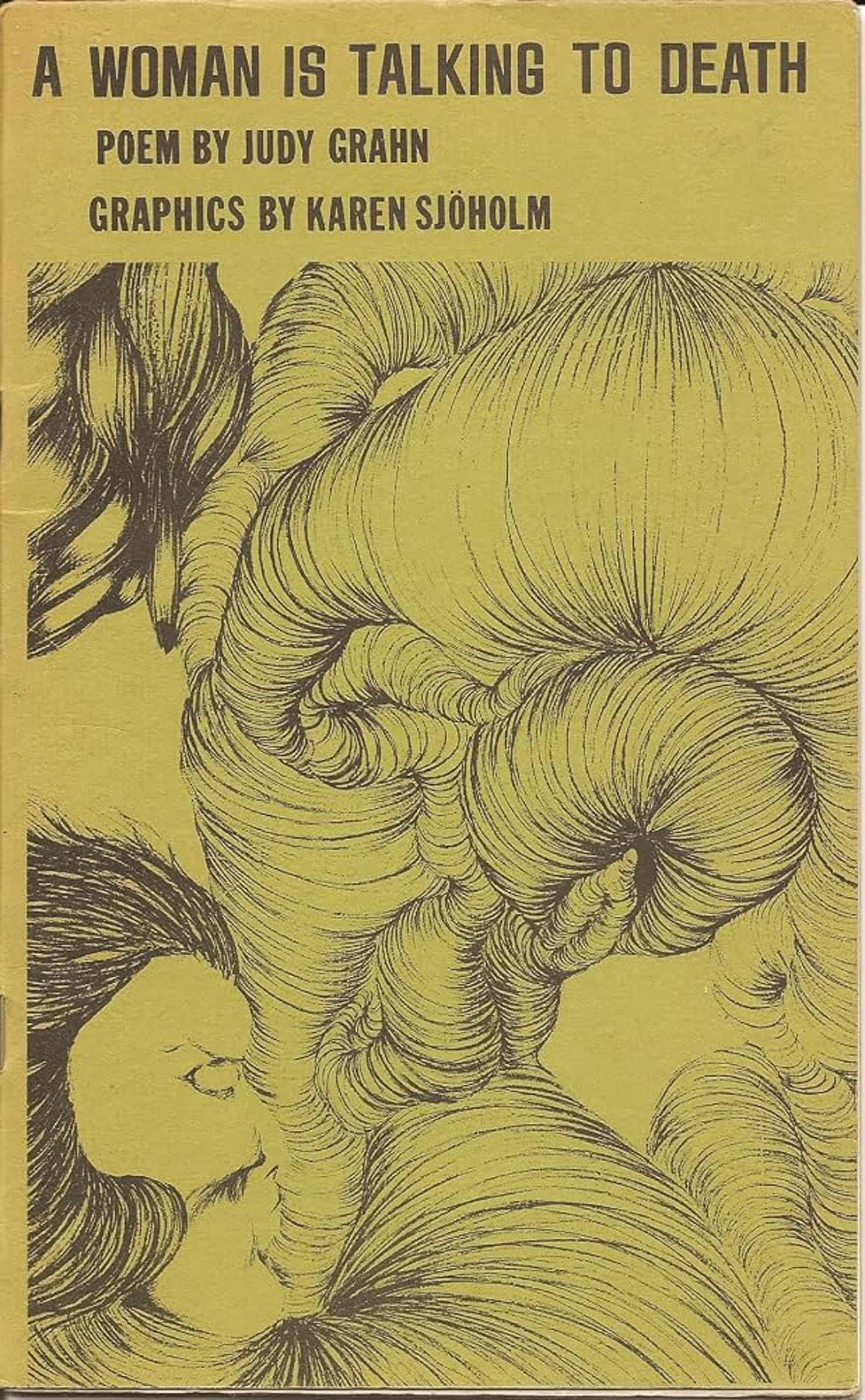
Judy Grahn’s masterpiece poem A Woman Is Talking to Death was first published in the journal, Amazon Quarterly, in 1973. Then it was a chapbook, and then it turned up in The Work of A Common Woman, which was a collection of Grahn’s poems that stayed in print for a while. Now you can find it in any of Grahn’s various collected poems and online. What it is: a dark, complicated chant of a poem that indicts America’s military, the lethal racism in everyday law & order, the inherent danger in overt love between women, and a direct account of Grahn’s own experience of being drummed out of the military for being a dyke. It’s wrapped in a wrenching story of a young guy tripping on a motorcycle on the Bay Bridge and being inadvertently mowed down by a truck driver of color who pays with the time of his life, and the entirety is framed in a long story of women incarcerated and tortured by their husbands in the middle ages. Grahn says it all in 14 pages, and this legend of a poem should be taught in school across this godforsaken country that prefers Paul Revere’s Ride. Don’t miss this poem in your reading lifetime. It’s magnificent, sensual, damning conceptual folk art, like nothing else. So unforgettable and strong.

Kyle Carrero Lopez selects
Inheritance
Taylor Johnson
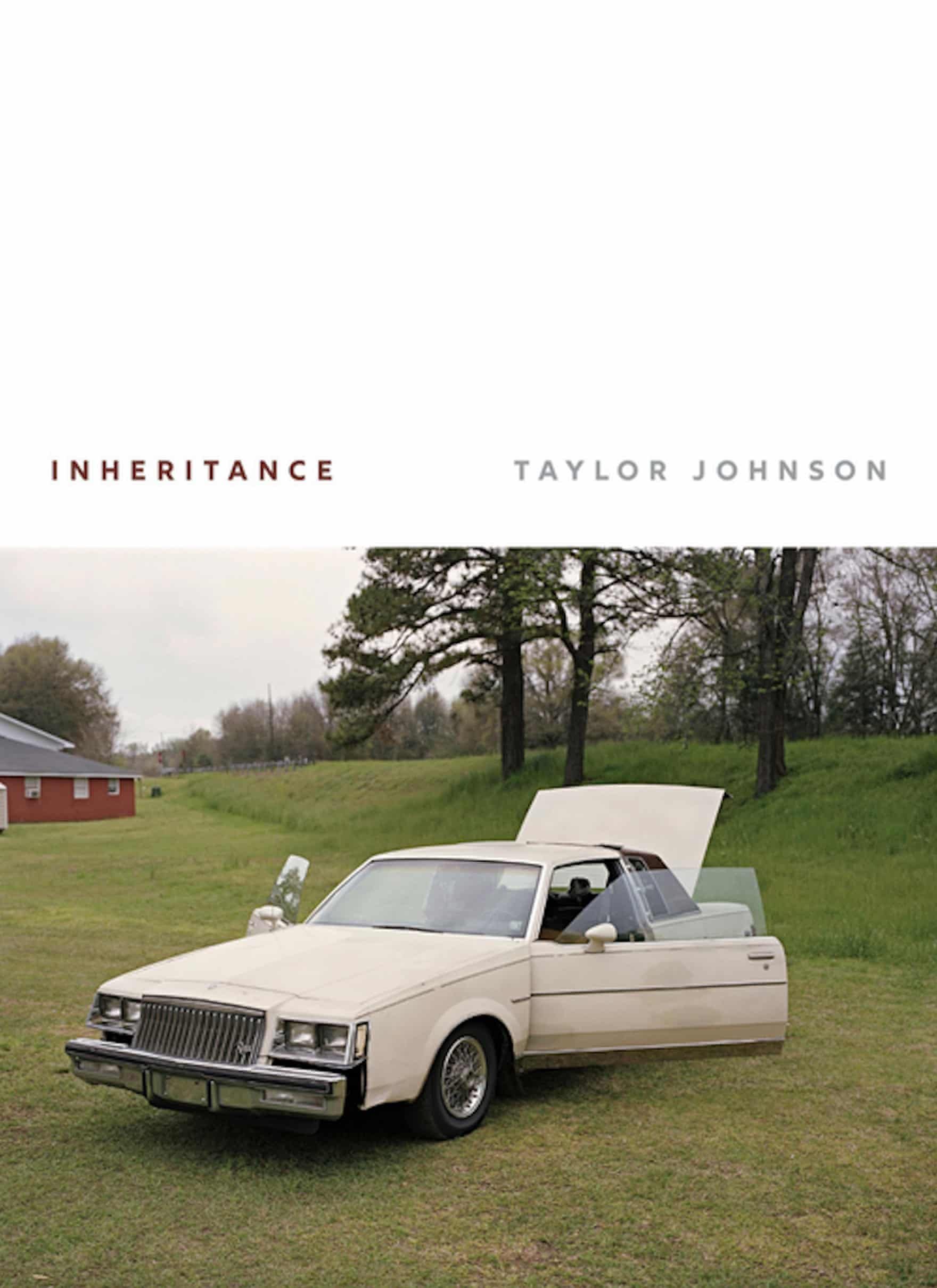
Home and family are two of this debut poetry collection’s central topics, but the scope of Washington DC native Taylor Johnson’s body of work cannot be easily distilled into quick categorizations or buzzwords. The poet Thylias Moss once explained that what she aims for in her writing is range: an exploration of all themes involved in living. That is what is at play here.
High-caliber lyric beauty from a Black, trans perspective, Inheritance is, quite simply, the real thing. These poems are meditative, emerging out of intent listening and quiet contemplation, and they are also sensual and cerebral, yet approachable – in that they investigate the essential questions of being, like how to belong, like how to keep going. In Trans is Against Nostalgia, Johnson writes, “I’ve picked up the hammer every day / and forgiven myself. There is a new / language I’m learning by speaking it.” I believe this collection can stand the test of time as a classic of early 21st-century poetry.

Jordy Rosenberg selects
Return to Nevèrÿon series
Samuel R Delany
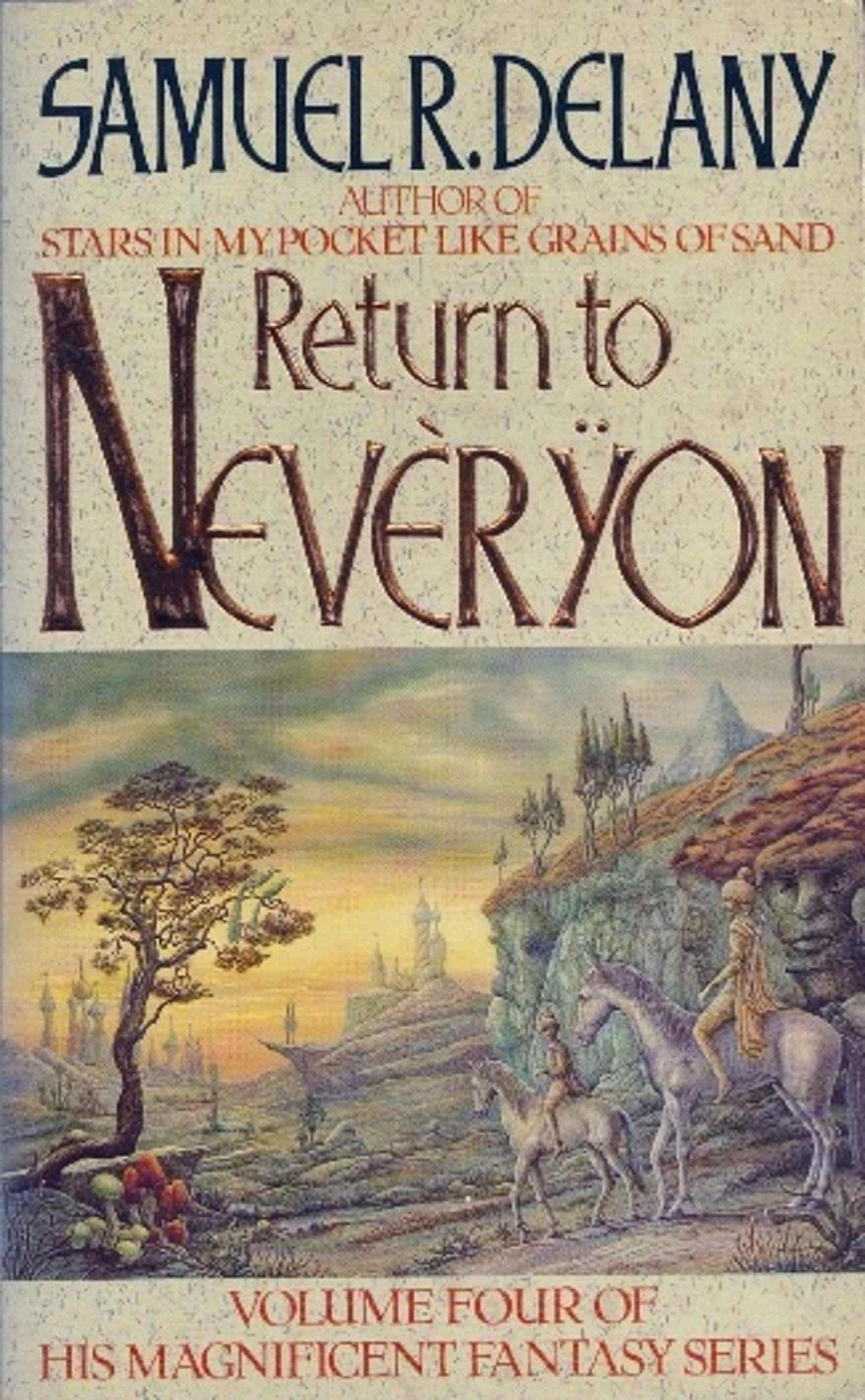
Listen, I’m not kidding when I say Samuel Delany’s prismatic and torrid Return to Nevèrÿon series – a four-volume set of novellas, short stories, prefaces, appendices, paratexts and metatexts in the tradition of sword-and-sorcery style fantasy – is basically the Das Kapital of 20th-century US fiction. Published between 1979 and 1987, the series is an immense, complexly interwoven allegorical comment on deindustrialization, our domination by speculative finance capital, the rise of the Aids epidemic, and the persistence of racism and “organized abandonment” (to quote Ruth Wilson Gilmore) in the years after the Black freedom struggles of the mid-century. All told through a slave rebellion led by Gorgik the Liberator, an ardent homosexual who leaves no missed opportunities for BDSM-laced encounters in his wake. Gorgik’s world is populated by wayward youth atop wild dragons, raunchy hook-ups in ruined castles, and theory – lots and lots of post-structuralist theory. It’s a demanding and life-altering opus. There is no other fictional project of that century, or this one, that attempts so momentous an account of our world. Does it give me immense satisfaction that such a colossal achievement is also textured and gorgeous, epically filthy and very gay? Happy Pride, everyone.

Danez Smith selects
The Color Purple
Alice Walker
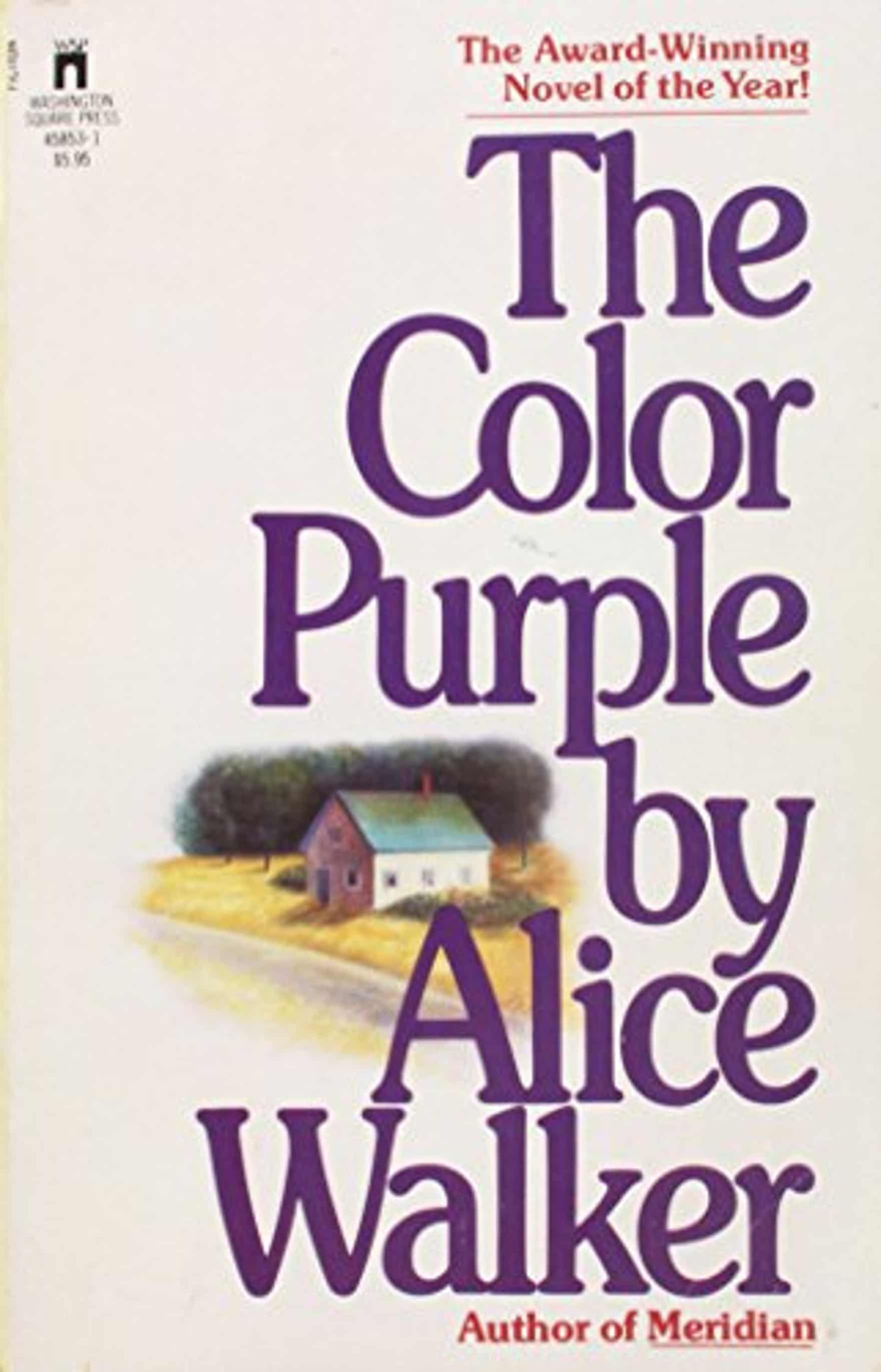
Dear God, it was hard not to pick a poetry collection, but maybe that’s fine because for me, one of the most essential queer novels is still the masterwork of a supreme poet. Alice Walker’s The Color Purple shows us the transformational power of queerness to reorder, reconcile and rapture the materiality and potential of a life. When Shug Avery kisses Celie – awakening in her relationships to beauty, to joy, to potential that laid dormant and battered in the cage of her abusive relationship – everything in her life queers, meaning opens, meaning blooms. Sex becomes not an act that happens to her, but something she can be alive inside. Later, when she finds letters from her exiled sister Nettie, the divine queers and the letters which frame the novel are no longer directed to God but to Nettie, sisterhood being the real God of this work.
It’s no wonder to me why this work has inspired two Oscar-nominated films, a Tony-winning play and countless writers who write in the purple shadow of Walker’s brilliance. In the book as is in life, for the queer and non-queer, queerness is liberation, queerness is a portal; if even one person walks through, the entire community is enriched. And, it must be said, Walker wrote the hell out of that book. Only a poet could write one woman’s story so powerfully that it frees the soul of anyone who picks it up.

Rita Mae Brown selects
Becoming a Man
Paul Monette
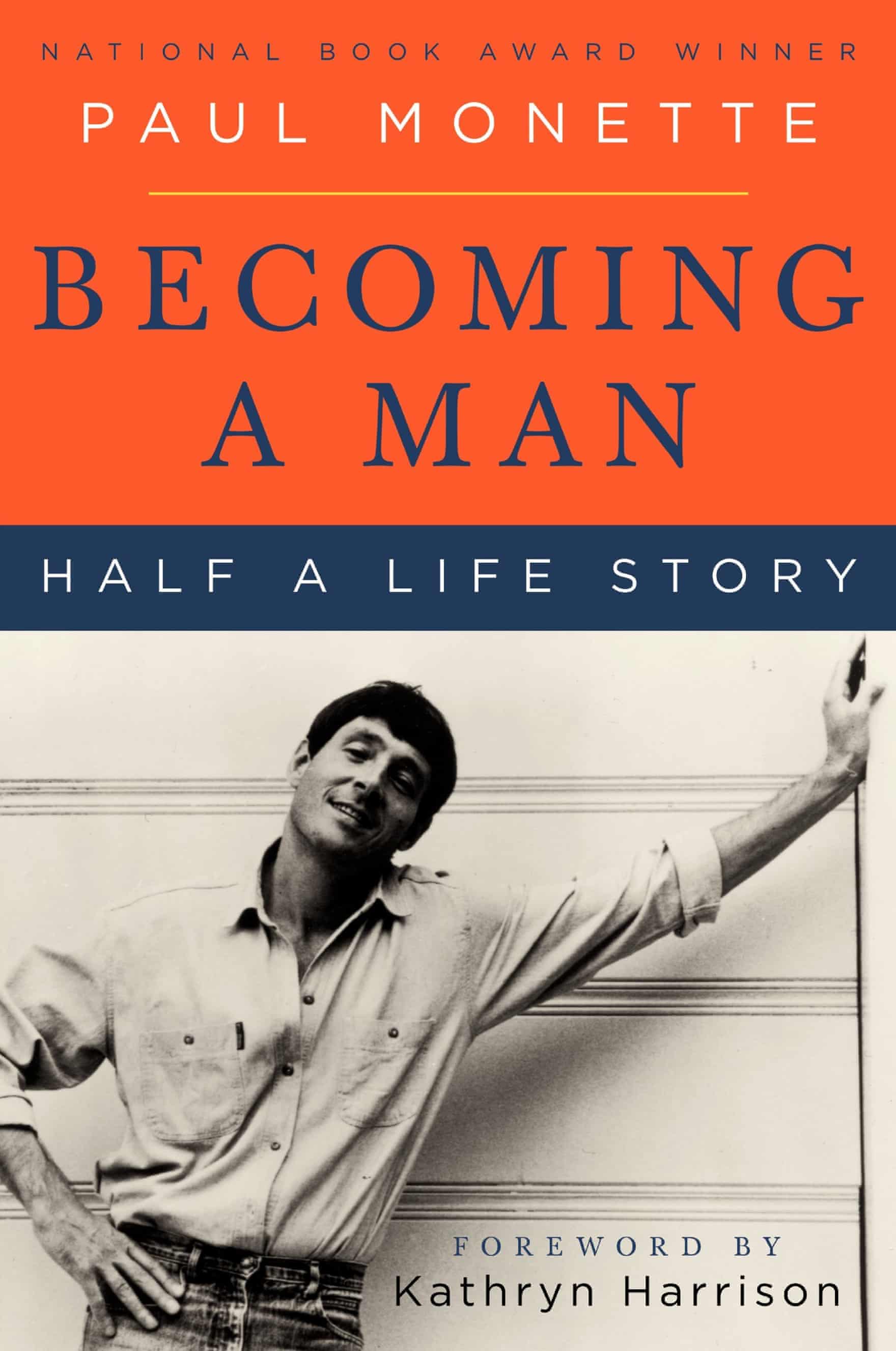
Two books exploded open the price of homosexual oppression. Born in 1947, Andrew Tobias’s The Best Little Boy in the World, published in 1973, reveals a “perfect” youth who realized he was gay, hence no longer perfect. Paul Monette, born in 1945, won the National book award in 1992 for Becoming a Man, published that year. It has been my delight to know both of these writers. As Andy is still very much alive, let’s hope for more books. Paul died in 1995. I will focus on his autobiography, which reveals the depth of self-loathing, the choking repression of self as a response to the hatred of gay men.
Insights like “privacy is essentially benign while it’s hard to maintain the idea of secrecy as neutral, morally speaking” fill the book. His pain drips on every page. It’s upsetting to read. It’s not simply how a man born at the end of the second world war finally liberates himself. It reveals the price of becoming a man. He writes: “I can’t remember it myself sometimes, how fresh the words of the deep past sting, how sharp the dry-eyed tears are even at this distance.” You will believe it. You will feel his freedom, his acceptance of self when he finds it and you will understand why he won the National book award. Paul and I were bound by our Latin and Greek, plus our swift wits. I miss him, yet I take some comfort that he is not here to see that the film of history has been put on backwards.

Chukwuebuka Ibeh selects
Memorial
Bryan Washington
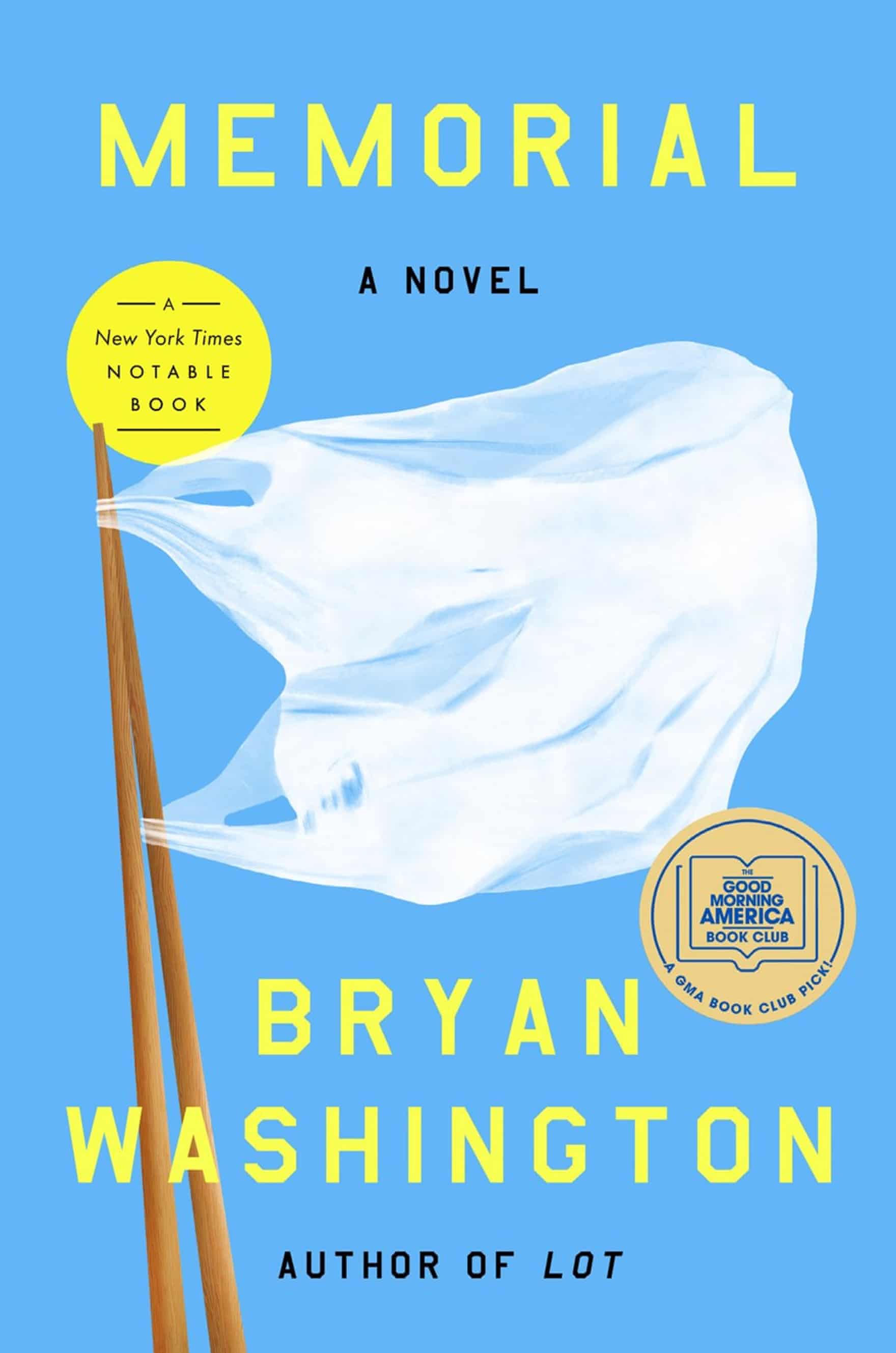
A friend once shared Waugh by Bryan Washington with me, with the words “I think you would like this,” and through the first paragraph, I could confirm she was right. By the end, I was a true believer, and like all believers, went in search of more. And in that search, I found Memorial, the author’s debut novel, a shimmering, generational achievement. In it, a couple’s staid relationship comes under further strain when one of them loses his father and has to fly back home to Japan, just as his rather forthright mother comes to the US to stay with his partner. The result of this unlikely roommate situation is a timeless, sharp, yet delicate portrait of family and estrangement, love and duty, self-alienation and searching, with a finale that is as shattering as it is redemptive.
-
Photography credits: Sarah Schulman by Lola Flash; Michael Cunningham by Richard Phibbs; Robert Glück by Xavi Permanyer; Bryan Washington by Cydney Cosette; Melissa Febos by Beowulf Sheehan; Kaveh Akbar by Riel Sturchio; Samuel R Delany by Tom Kneller; Andrea Lawlor by Joanna Chattman; Kay Gabriel by Chris Berntsen; Hilton Als by Ali Smith; Rumaan Alam by David Land; Jordan Tannahill by Laura Barisonzi; Davey Davis by Clare Worsley; Wayne Koestenbaum by Maxwell Harvey-Sampson; Daniel Lefferts by Nina Subin; Eileen Myles by Roberto Ricciuti/Getty; Kyle Carrero Lopez by Voxigma Lo; Jordy Rosenberg by Beowulf Sheehan; Danez Smith by Anna Min; Rita Mae Brown by Mary Motley Kalergis; Chukwuebuka Ibeh by Erin Lewis