


Zadie Smith
Margaret Busby’s Part of the Story: Writings from Half a Century is the record of one woman’s lifelong passion for the literature and life of Africa and its diaspora, wherever she finds it. A beautiful collection. The funniest and smartest novel I’ve read in a while is Black Bag by Luke Kennard.
Mark Haddon
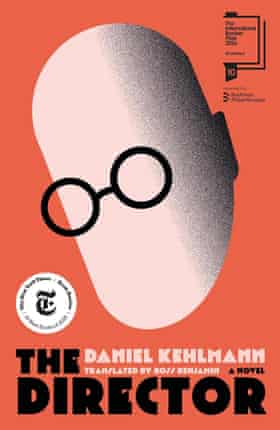
Can I recommend some metaphorical summer travel? Taiwan Travelogue by Yáng Shuāng-zǐ, translated by Lin King, won the International Booker prize so you’re legally obliged to read it. But there are three other books on the shortlist I would strongly urge you to get your hands on. The Director by Daniel Kehlmann, translated by Ross Benjamin, brilliantly fictionalises the story of the film director WG Pabst who fled Germany before the outbreak of the second world war, felt ignored in Hollywood and made the foolish decision to return home. On Earth As It Is Beneath by Ana Paula Maia, translated by Padma Viswanathan, is a short, sharp cleaver-blow of political horror set in a Brazilian prison camp. And She Who Remains by Rene Karabash, translated by Izidora Angel, is the story of Bekija/Matija who escapes an arranged marriage in Albania’s Accursed Mountains by becoming a “sworn virgin” under the ancient laws of the Kanun and living her life as a man.
Nina Stibbe
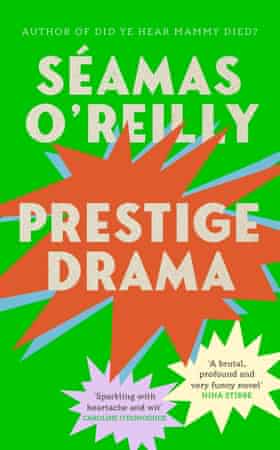
Prestige Drama is a darkly funny debut novel from Séamas O’Reilly. Locals are already in a tiz when glamorous Hollywood actor Monica Logue arrives in Derry to prepare for a TV series about “the Troubles”. Then she goes missing. An assortment of characters narrate the mystery, skewering the packaging of past conflict-as-content. A “chorus of perspectives” is employed also in Helen Bain’s beautiful novel The Daffodil Days about a pivotal year in the marriage of Sylvia Plath and Ted Hughes. The story unfolds via vignettes from local people: the housekeeper, the doctor, a shop girl, assorted friends and neighbours, and visitors to their rural Devonshire home. Finally, Maria Semple’s long-awaited new novel Go Gentle combines smart humour, reflections on optimising later life, intellectual depth and romance. An intricately plotted art-heist adventure that works also as an introduction to the principles of stoicism – such is the appeal of narrator Adora Hazzard. You’ll laugh and learn, and might start waking up and telling the world, “Surprise me!”
Stephen Grosz
Deborah Treisman’s A Century of Fiction in the New Yorker: 1925–2025 is a magnificent anthology of 78 stories from the magazine’s first 100 years – a big book to keep by the bed and dip into. JL Carr’s A Month in the Country is a brief, beautiful novel about a damaged man restored not by psychoanalysis, but by art, friendship and love. And Stefan Zweig’s The World of Yesterday, completed in exile shortly before he and his wife took their own lives in 1942, remains one of the great memoirs of memory, exile and loss.
Virginia Evans
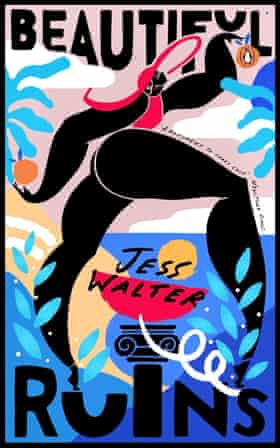
In summer I read to be whisked away. Give me a book that transports me to another landscape or life or time. My most common summer recommendation for years has been Beautiful Ruins by Jess Walter, which delivers in every way and is, to me, a perfect novel. Another one I go back to – and plan to revisit this summer, in fact – is I Capture the Castle by Dodie Smith. Delicious.
Joe Dunthorne
I recently read and loved Benjamin Markovits’s The Rest of Our Lives, a novel which is pleasingly old-school in its commitment to the pleasures of character, plot and dialogue. I’d forgotten how much I like those things. It made me realise that this is what I want from a holiday read. Similarly absorbing is Harriet Armstrong’s To Rest Our Minds and Bodies, an electrifying debut about young love and obsession. Her voice feels so natural and effortless (which, of course, belies the skill involved). Poetry-wise, Joy Is My Middle Name by Sasha Debevec-McKenney will do exactly as the title suggests and bring jolts of delight and transgressive wit to your summer. To repurpose her own lines, these poems “ran through me like beer / through a dirty tap line and into a freshly polished glass.”
Sarah Waters
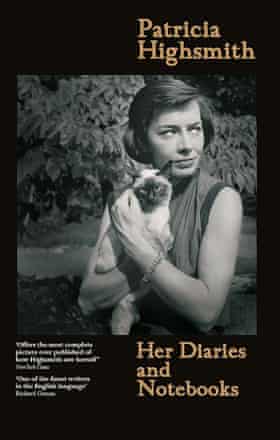
I was bowled over by Siri Hustvedt’s Ghost Stories, a gorgeous, poignant memoir of her life with Paul Auster, written in the rawness of the wake of his death. I loved Hallie Rubenhold’s illuminating retelling of the Crippen murder case, Story of a Murder. And I’ve been absolutely gripped by all 900-plus pages of Patricia Highsmith: Her Diaries and Notebooks, brilliantly edited by Anna von Planta. Candid and detailed, the book gives fascinating insights into Highsmith’s writing and troubled life, and is full of eye-popping snapshots of the lively lesbian goings-on of 1940s and 50s New York.
Gary Shteyngart
In Help Wanted by Adelle Waldman, we have, finally, an American novel not set in Brooklyn. Instead, it’s a brilliant exploration of what it’s like to labour for a pittance these days. Bindu Bansinath’s Men Like Ours (published in the UK in September) shows that the Immigrant Novel is not dead yet. Absolutely hilarious, mesmerising and disturbing. And for anyone who thought that the Soviet Union, despite all its problems, was at least progressive enough to get gender relations right, think again! Motherland by Julia Ioffe is a brilliant corrective.

Samantha Harvey
A Glass of Blessings by Barbara Pym is true reading delight – funny, with a tinge of sadness and Pym’s usual curious and irrepressible take on the world. Joan Barfoot’s Gaining Ground, first published in 1978 and reissued this summer, is the most brilliant thing I’ve read in ages. A life-changing book. I don’t say that lightly.
Tahmima Anam
On Morrison by Namwali Serpell: these essays are the most insightful liner notes to accompany your favourite Morrison novels. I am currently re-reading Jazz and remembering that among her many gifts, Morrison can make a city sound incredibly sexy. I’d also recommend Feminism for a World on Fire by Natasha Walter. Walter’s book is an urgent call to arms for those of us who are left despairing about the state of the world. Here she urges us towards a radical, collective movement that tackles the two-headed Hydra of the apocalypse: misogyny and the climate crisis.
Marian Keyes
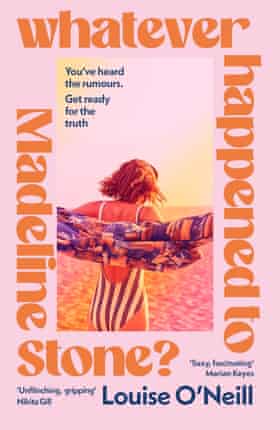
How does a former child star survive adulthood? Set in LA and moving between 2002 and 2025, the characterisation in Louise O’Neill’s Whatever Happened to Madeline Stone? is excellent and the plot irresistible. It asks hard questions about the ethics of childhood stardom while being a glamorous, propulsive read. Summer reading at its finest. Also: Famesick by Lena Dunham. Park any preconceptions, she’s a great writer. An account of her stratospheric rise to fame and fortune, and the many prices she paid, this is a serious book. Devastatingly honest, insightful, compelling and entertaining.
William Boyd
My ongoing obsession with the philosopher Ludwig Wittgenstein was further encouraged by Anthony Gottleib’s short but fascinating biography Ludwig Wittgenstein: Philosophy in the Age of Airplanes. He explains the philosophy with great lucidity and, equally impressively, brilliantly depicts Wittgenstein’s weird and highly unusual personality. Talking of unusual personalities, I wouldn’t have thought Muriel Spark could stand another biography after Martin Stannard’s and Frances Wilson’s but James Bailey’s Like a Cat Loves a Bird: The Nine Lives of Muriel Spark is both remarkably shrewd and surprisingly amusing.
Ali Smith
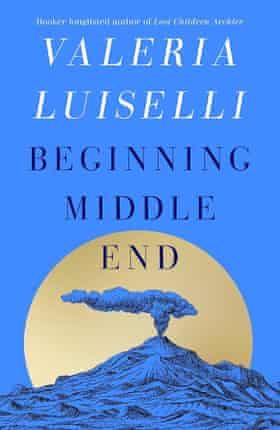
I’ve just read the brand new novel, out in July, by Valeria Luiselli: Beginning Middle End. It’s the ostensibly random – by which I mean its randomness is structurally masterful – story of a mother and daughter, clever and sassy both, on the road, meandering through the heating-up landscapes of Italy, family, history, geology, myth and legacy, accompanied by nothing more than ancient classicism and a set of very contemporary tensions. Mind-expanding and heart-expanding; a summer book for life.
Tessa Hadley
I loved Daniyal Mueenuddin’s debut story collection, In Other Rooms, Other Wonders, and for years I’ve hoped there would be another book. Now at last he’s published his first novel, This Is Where the Serpent Lives: a marvellous, richly layered study of class and power and culture in Pakistan from the 60s almost into the present – as rich as a 19th-century novel in its psychological subtlety and the confident scope of its stories. I’ve also loved Peter Godfrey-Smith’s Living on Earth, which came out in paperback last year: wise and sane reflections on our human relations to the Earth’s complex systems.
Anne Enright
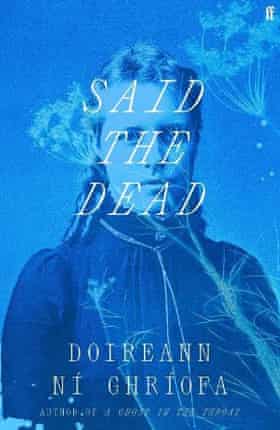
I have been telling everyone about Said the Dead by Doireann Ní Ghríofa, a remarkable engagement with the archive of a mental asylum in Cork – which sounds miserable but manages to be sublime. Reading it, I had the uncanny feeling that the book had been out there waiting for her to come along and write it. I am also looking forward to Lucy Caldwell’s Devotions: her short stories are always nuanced, light-footed and deeply felt. Rachel Aviv’s You Won’t Get Free of It: Stories of Mothers and Daughters has a slightly terrifying title, but these essays struck deep notes when I read them in the New Yorker; she is simply brilliant.
Jonathan Coe
Landscape, for most writers, is often a mere backdrop to something else – plot or character, for instance. But in The Given World, Melissa Harrison places landscape in the foreground, her main character being the village of Lower Eodham itself. This group portrait of some of its villagers offers a way of rethinking the relationship between fictional characters and the natural world. I’ve also very much enjoyed Cecile Pin’s Celestial Lights, the story of an ambitious astronaut on a 10-year mission, which offers an affecting study of childhood romance hitting the brick wall of adult reality – not to mention a canny retelling of the Odyssey.
Bernardine Evaristo
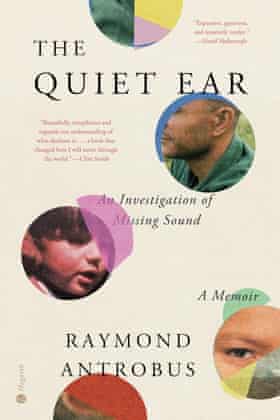
Raymond Antrobus is a much celebrated poet whose first foray into prose, The Quiet Ear, is a stunning and illuminating memoir about his life. He writes beautifully and movingly about his deafness, childhood, Jamaican and English heritage and all the intersections that have shaped him. Mother Mary Comes to Me by Arundhati Roy is an outstanding memoir about her early life and relationship with her difficult mother, Mary. Internationally renowned as an extraordinary writer and activist for justice, Roy employs her narrative brilliance to share how she was shaped by her outsider childhood and early adulthood.
Luke Kennard
Djamel White’s All Them Dogs is an essential summer read – west Dublin gangsters with an unexpected enemies-to-lovers angle – jealousy-inducingly well written. As is Ben Pester’s Sail Away Land – immersive, beautifully strange stories that dig so deep into the uncanny soul of England and leave you feeling oddly consoled or psychoanalysed. Ashton Politanoff’s Dad Had a Bad Day is probably the funniest book I’ve read this decade – an inheritor of the flame of greats like Donald Barthelme, Lydia Davis, Robert Coover. It’s about tennis and the crisis of masculinity.
Sarah Moss
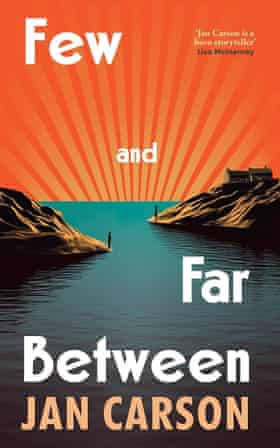
Jan Carson’s new novel, Few and Far Between, is perfectly balanced between comedy and darker reflections. My taste rarely includes speculative fiction, but this – set on the islands of Lough Neagh in a just/barely alternative Northern Ireland – is irresistibly diverting and vivid. Miriam Toews’s first novel, Summer of My Amazing Luck, has similar qualities of warmth and sadness. Set among a picaresque community of young single mothers and children living in public housing in Winnipeg during a hot summer, it’s smart and serious and funny. I love Sarah Orne Jewett’s The Country of the Pointed Firs, set in late 19th-century coastal Maine, where the narrator goes every summer to write, staying as a paying guest with the local herbalist and wise woman. Published in 1896, it’s an episodic and gentle account of a community of mostly single and often solitary people, written with love for them and for landscape and plants. Henry James was a fan, but I’d choose this over James any summer’s day. Also Tove Jansson’s The Summer Book, obviously.
William Dalrymple
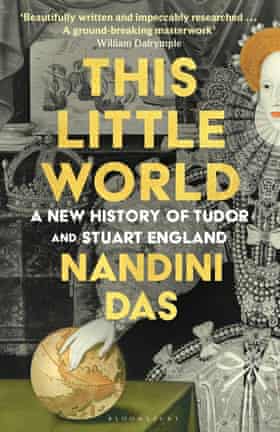
This Little World by Nandini Das contains a wonderful gallery of precisely drawn yet constantly surprising Tudor and Stuart portraits, like an album of perfect Hilliard miniatures that dazzle us with their cosmopolitan attitudes and globalised lives. Taking us from Italian renaissance scholars in Oxford to English Jesuits in Goa via a Kentish samurai in 17th-century Edo, this is a perspective-altering take on a world we usually think of in far more domestic and provincial terms. Lloyd Llewellyn-Jones achieves a remarkable feat of urban resurrection as he brings Babylon to life and shows us how far Mesopotamia’s greatest metropolis rose above its caricature as the City of Sin and home of the Tower of Babel. Alexander rides again into battle in Alexander: God, King Man, a masterpiece by one of our most brilliant classicists. Edmund Richardson presents his deep research in a rich cornucopia of ancient languages with visual and evocative prose and a talent for gripping narrative. Impossibly colourful and drawing on some extraordinary new sources, this is biography of rare resonance.
Olivia Laing
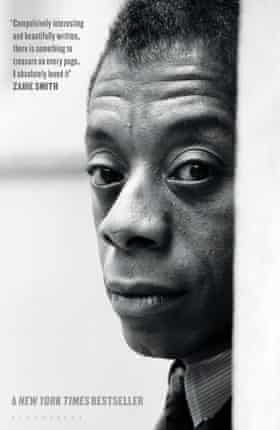
In 2011, I was at a residency with a lovely man with a red pickup truck who was working on a biography of James Baldwin. Fast forward 15 years and Nicholas Boggs’s Baldwin: A Love Story has been internationally acclaimed. I can’t wait to read it, though I might employ the Janet Malcolm trick of carving it into sections with a kitchen knife before taking it to the beach. I’m also excited about Gwendoline Riley’s The Palm House – she’s extraordinary on complex emotional dynamics. Lastly, The End of Everything by visionary M John Harrison. The world gets weirder by the hour, but Harrison is always one step ahead.