









Y Combinator (YC) is widely seen as the world's best and most prolific startup accelerator. Since 2005, YC has funded over 4,000 companies, including Mintlify in its Winter 2022 batch.
Many founders have shared their learnings from the program and offered their two cents on the "is YC worth it" debate. Few, however, have shared their genuine experience going through the program, the pivots along the way, and what happens afterwards.
Mintlify wasn't always the documentation platform that people know it as today.
Our journey started with an idea called Figstack. When learning how to code, one of the hardest things is understanding the foreign syntax. So we created a "Google Translate" for code, which takes in a codeblock and returns what the code is doing in English - made possible by Codex from OpenAI.
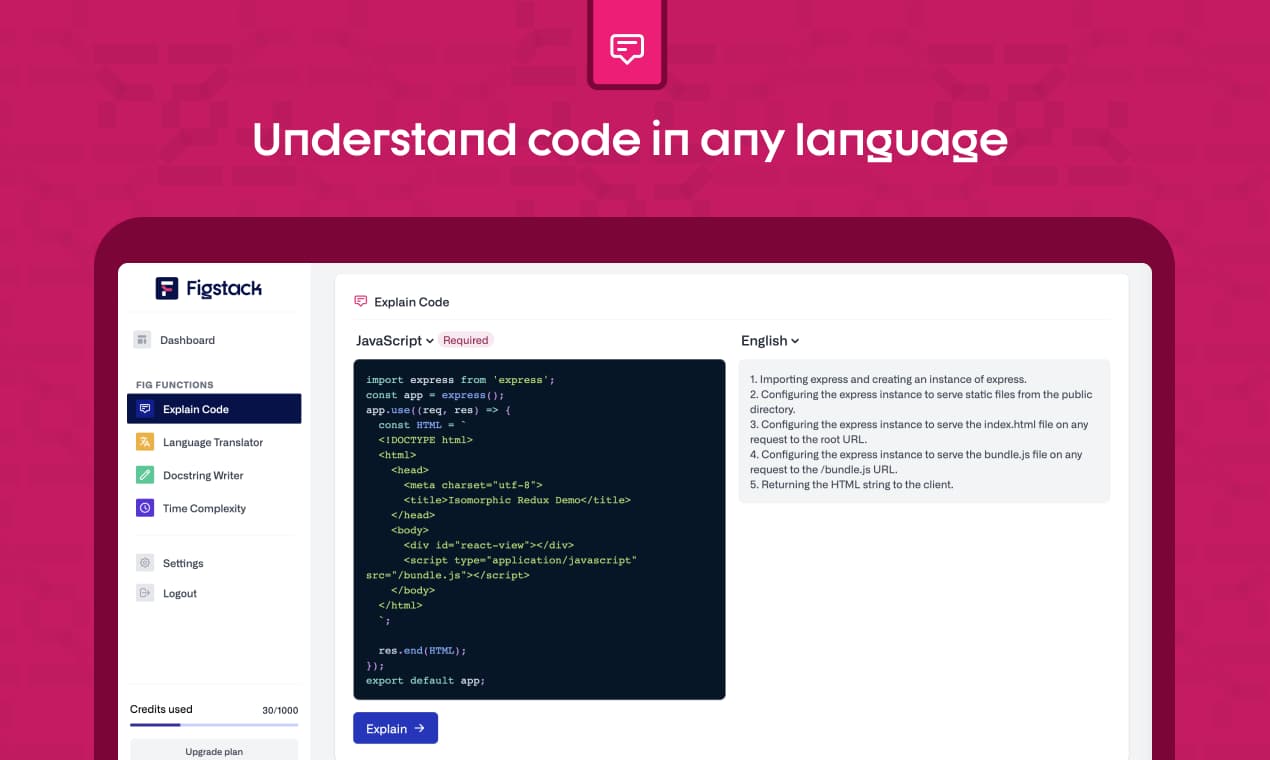
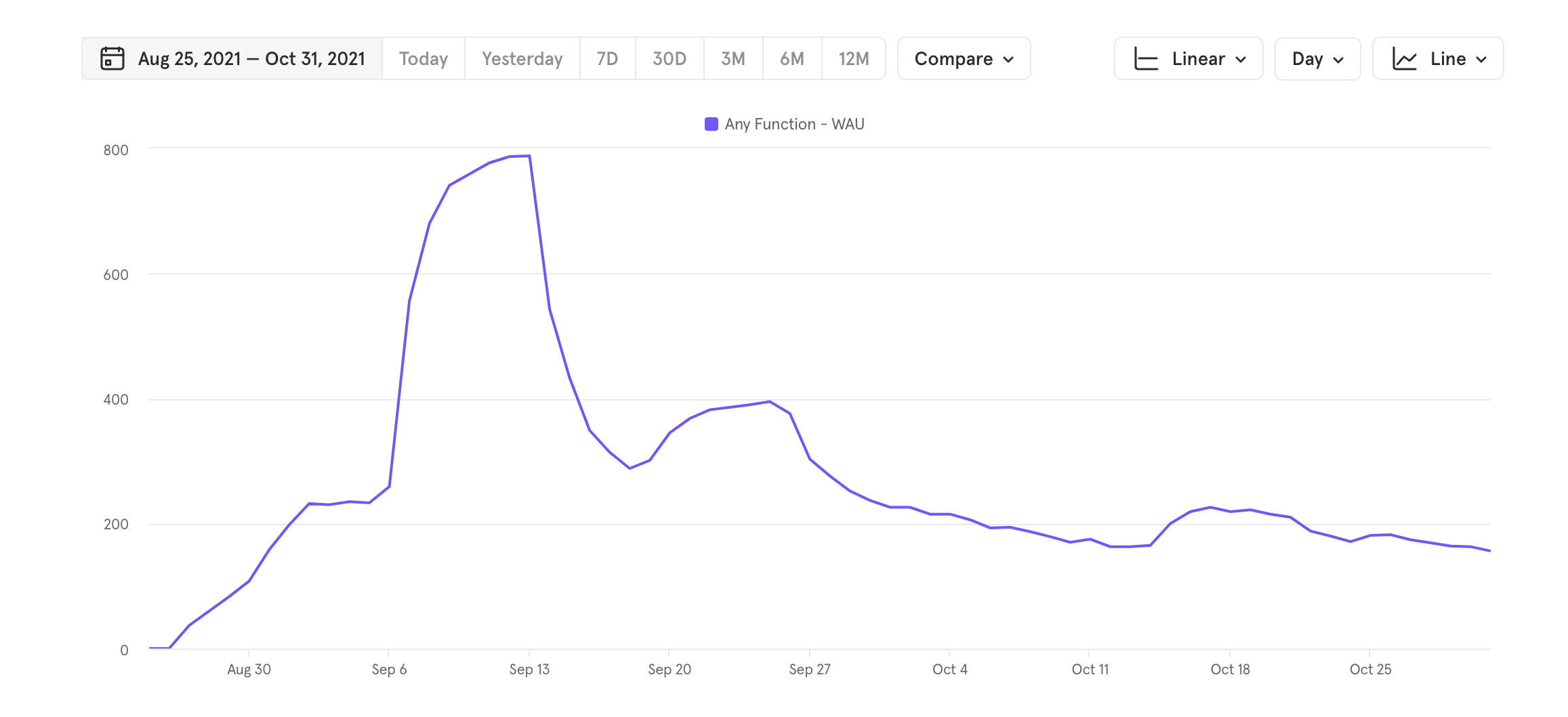
Hahnbee and I teamed up. We built out the product in 10 days and launched on Product Hunt. We had very low expectations. But to our surprise, Figstack reached #1 Product of the Day and thousands of users in the first week.

It was around that time that we applied to YC and submitted the following application video.
By mid-October, we were pretty confident that we hadn't gotten in. We had heard of so many startups that had already been accepted, and we hadn't even gotten an interview. Around that gloomy time, we also realized that Figstack was a leaky bucket. Retention was lower than our morale, and we soon realized we built a “nice to have” rather than a "we need it now". Not having heard anything from YC and being unsure about the future Figstack had, Hahnbee and I decided: let's pivot.
The very next day, I woke up to the email from YC that we'd been waiting for. "You've been invited to an interview... in four days". In just four days from now, we were supposed to get on that call and talk about why Figstack should be accepted into one of the most selective incubators out there. Talk about horrible timing! At that point, we had a choice. Either: 1) prep as if everything was going well with Figstack (it wasn't) or 2) build a completely new product demo in four days and pitch that.
We chose the latter option. Over those four days, we pulled two all-nighters, explored several new brands of caffeinated drinks (would recommend La Colombe), and scrapped together a product, demo, landing page, and go-to-market strategy.
The interview went well! The YC partners were incredibly nice, but were blunt and to-the-point as we expected. No one seemed to care that we showed up to the interview pitching a completely differently idea than the one we applied with. Much of the interview ended up being about the pivot, what we learned, and what we would do if we need to pivot again.
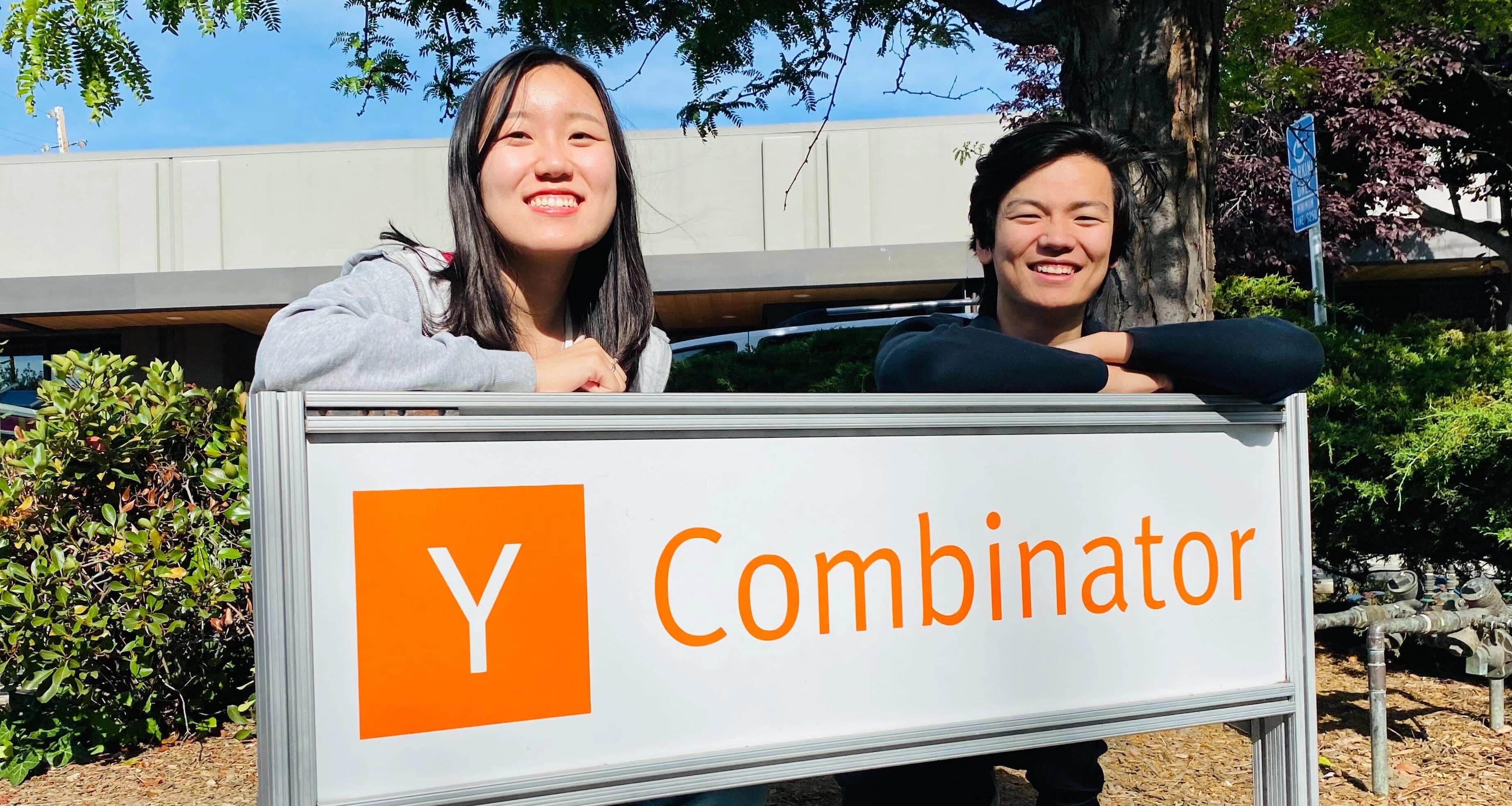
That night, I picked up a phone call from a San Francisco number. "Hey this is Dalton Caldwell from YC, and we'd like to fund Mintlify for the Winter 22 batch. Can I count you guys in?"
"Yes! You can absolutely count us in" I said before even consulting Hahnbee. "Out of curiousity, why us?", I asked.
"It's because you were willing to change ideas and you did it quickly. You'll be doing that a lot during YC".
As it turns out, Dalton was right. Shortly after the interview, we realized that the new idea didn't work either.
Pro tip: you don't come up with the best ideas when you're sleep deprived and running on five cans of Red Bull.
Down, but not defeated, we went back to the drawing board.
We remembered that when we were building Figstack, a lot of our users were pasteing generated explanations back into the code as a docstring. Digging deeper, we found that this specific use case had more intense usage and stronger retention than anything else in the product.
We wondered if people would want a product dedicated to that functionality - one that's also closer to their workflow. From that idea, we launched Doc Writer, an IDE extension that could automatically generate docstrings from code.

We posted a demo on Reddit, and it blew up. Two days after launch, Doc Writer saw more traction than Figstack did in its entire lifespan.
For the first half of the YC programming, we built and grew Doc Writer. We added support for more programming languages, improved performance, and even got some TikTok influencers on our side.
The product kept growing. On an average week, we would see a 15% increase (a lot in hindsight). But, we weren't making any money.
In a call with Tim Brady, one of our YC partners, he told us the facts. We needed to figure out a path to monetization. "You're not a business until you start making money", he said.
We started by adding a $7.99/month paywall for those who used it beyond a certain quota, thinking that the power users must see the value in it and would want to pay. We were wrong. When presented with a choice of paying any money or uninstalling the product, the majority of our users opted for the latter.
💡 Lesson learned: Selling to individual developers is hard. It's like selling a cake to a baker.
No worries, we thought, we can just sell to businesses who will buy it on their developers' behalf.
Turns out, that wasn't the case either
While many were interested in an on-prem solution, we simply couldn't offer it (times might've changed now. Here's the source code if you want to try).
We realized that we couldn't turn Doc Writer into a business, and made the hard decision to pivot again.
By the end of YC, we had less than we started with. We imagined graduating the batch having found product market fit like Stripe, AirBnB, and DoorDash did.
But we were far from giving up, and we deeply felt that Doc Writer had taught us something.
💡 Lesson learned: developer documentation has a lot of problems. Developers hate writing docs and they're often poorly maintained.
While Doc Writer had failed to prove to be a viable business, we believed we had discovered an idea space - a level of abstraction above a particular idea. We felt that as long as we continued to tackle the documentation problem from different angles, we would find something that solves a problem.
For the next five months, we did exactly that. We launched one product after another, a total of four in the span of five months. One idea was connecting code to the relevant documentation pages and alerting you to update the docs when the code changed. Another idea was generating documentation from an entire codebase a la JSDoc or Sphinx.
None of them really worked, but on every attempt we learned something and took it into the next idea.
Finally in September, 2022, we took a shot at the simplest idea of them all: building the documentation platform itself.
And Mintlify as we know it was born. Today, we power the documentation for hundreds of companies that are collectively read by hundreds of thousands of developers every month. We're also the #1 most popular YC product by other YC companies in the past 3.5 years (P.S. if you're a YC company in need of documentation check out our YC deal).
There was a lot that we had to figure out between then and now, but that's the story for another blog post.
No one asked, but I wanted to share some advice anyways.
It takes time: we felt the pressure to figure it out by the time YC ended. It's not the case for the vast majority of companies. The only thing that matters is eventually getting there.
"Your real runway is the number of pivots left in you": This is the most memorable quote that YC told us. Don't give up! It's hard, but have faith that in time you will figure it out.
Good ideas can be adjacent to the bad ones: Doc Writer is just a feature from Figstack brought out, but has literally 1000x more users. The documentation platform is just a derivative of other ideas that didn't work.
Use Mintlify: I had to fit a call to action in here somehow.
此内容由惯性聚合(RSS阅读器)自动聚合整理,仅供阅读参考。 原文来自 — 版权归原作者所有。