


TL;DR: Punchpass migrated 25 terabytes of video from Vimeo to Mux. The result: faster uploads, a better API, per-client video segmentation, and support tickets about video issues dropped to nearly zero. The migration took less than a week.
Every year when their video contract came up for renewal, the Punchpass team thought about all the features they wished they could offer clients — faster uploads, analytics on how their content is performing, and clear storage limits — without building custom infrastructure. But video wasn't their core product, and what they had worked okay enough that finding a better solution never made it to the top of the list.
The desire to give clients a better experience didn't go away. When they found Mux, they were excited to find everything they'd wanted was already built in.
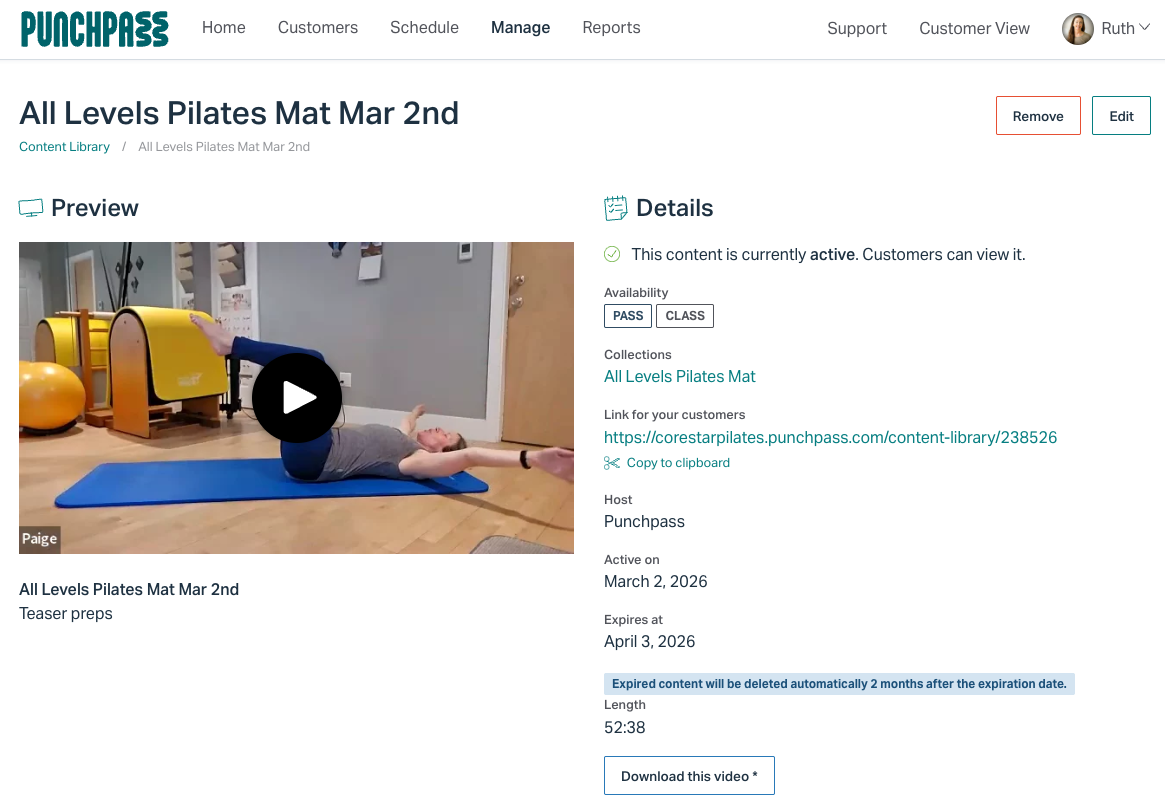
Punchpass is class management software that's been around for 13 years, serving small, independent yoga and fitness studios.
The platform handles scheduling, punch cards, memberships, and, since 2020, video. When COVID forced studios online, Punchpass added Zoom integration and a content library.
Today, roughly half of Punchpass clients use video features. Most still focus primarily on in-person classes, but the content library has become a valuable secondary offering. Video is something members use when they're traveling, when an instructor is away, or as a perk bundled with a membership.
After switching to Mux, Punchpass can give its studio clients what they actually need: fast uploads, reliable playback, and visibility into how their content is performing. On their end, Punchpass gets the underlying infrastructure to build features they couldn't before, without taking on significant custom work.
Vimeo worked fine for Punchpass, but the API was poorly documented and basic features were missing.
Punchpass couldn't pull the number of views on a video, making it impossible to give clients even simple analytics. Telling a customer "we can't tell you how many views your video got" was awkward, especially when YouTube was setting the expectations bar for customers.
They couldn't easily segment videos by individual studio, either. The only built-in option was to pull data for the entire Punchpass library. Setting limits on storage per studio (like "you get X minutes in your library") was nearly impossible without building significant custom work.
The upload workflow they had to build was convoluted: videos had to route through AWS before going to Vimeo, creating multiple potential failure points.
"It was one of those products where you would sort of forget about it. And then when the annual contracts started coming up, we'd realize — oh, there's a lot of things we can't do,” shared Chris Patton, Punchpass’ founder.
Plus, the minute-based pricing model, while initially surprising, actually works better for their clients. Instructors understand "X hours of classes" far more intuitively than abstract gigabyte limits.
What made Mux the right fit for Punchpass?
Punchpass had evaluated other options before, but Mux was the first where the timing, pricing, and features all lined up.
After switching, upload-to-playback time dropped dramatically. With Vimeo, Punchpass had to set expectations around long processing times. With Mux, videos are ready almost immediately.
"It was big enough that we noticed when we were testing," Chris said. "The UX copy in our app no longer has to warn the video will be 'ready in a few hours.'"
The cleaner upload process eliminated the AWS intermediary step and the failure points that came with it. Support tickets about video uploads (once a recurring issue) dropped to zero.
"We don't have any support issues that come in now about video uploads," the founder said. "At all."
The API and documentation made development faster. Client segmentation meant Punchpass could finally offer per-client analytics and storage limits without building custom infrastructure.
"It's so much better," the founder said of working with Mux. "Vimeo had a really sort of big corporate-y, enterprise-y feel to it that is not great when something goes wrong. With Mux, I have confidence that if I reach out, the Mux team will get back to me."
Plus, the migration itself took less than a week. Punchpass moved videos client-by-client so they could ensure proper tagging and data integrity. Once the process was automated, it ran from Thursday through Sunday without issue.
"The documentation was clear and helpful throughout. That makes such a difference when you're trying to implement something quickly,” Chris shared.
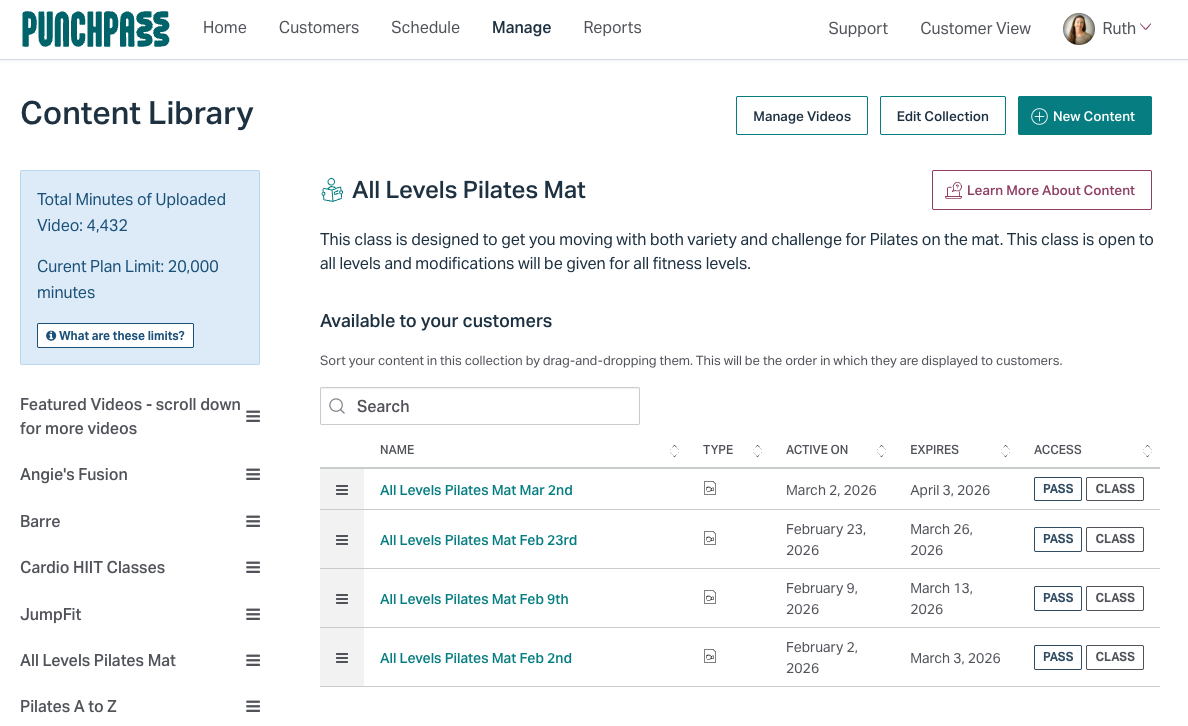
With reliable video infrastructure in place, Punchpass is now thinking about what else they can do with their content library. They're exploring easier Zoom integration so instructors don't have to manually download and re-upload class recordings. They want to add more comprehensive video statistics and analytics. They're considering new ways to bundle and sell access to individual videos.
"We wish we'd done it a little earlier," Chris said. "Everything just works really well. It's very solid, well documented — exactly what you want to work with as a developer."
No credit card required to get started.
此内容由惯性聚合(RSS阅读器)自动聚合整理,仅供阅读参考。 原文来自 — 版权归原作者所有。