







In digital commerce, payment reliability is non-negotiable. The rise of instant payments highlights this need: global instant payment transaction volume reached 195 billion in 2022, with projections to surpass 500 billion transactions by 2027 as more countries adopt faster payment systems. This growing reliance on real-time payment rails raises the stakes for reliability, with any disruption posing major risks to trust and revenue.
In mid-2025, a leading global payments provider learned this lesson the hard way. A critical backend failure disrupted services across its ecosystem, including digital wallets, merchant platforms, and third-party integrations.
For consumers, the impact was immediate: failed transactions, abandoned carts, and frustration. Imagine a small retailer running a limited-time flash sale. Orders surge until payments suddenly stop processing. Customers retry, refresh, and abandon their carts.
For businesses, it meant real losses, stalled revenue, derailed promotions, and shaken customer confidence. This is not just a technical incident. It is a business outage. Lost revenue is visible immediately, but the deeper cost is trust. Once customers question reliability, they hesitate to return. In fintech, trust is currency, and communication during incidents is as important as recovery time.
The event revealed valuable lessons about Internet resilience, observability, and customer trust. These principles define how every fintech and SaaS provider should approach uptime.
The outage originated from a downstream change in the provider’s application stack. This inadvertently broke valid HTTP/2 responses at the origin Points of Presence (PoPs).
Here’s what unfolded:
Interestingly, browser traffic that passed through the provider’s CDN remained stable, masking the incident for some end users. Direct API calls, however, used by payment processors, merchant apps, and partner integrations, began to fail. This created a cascading impact across the ecosystem.
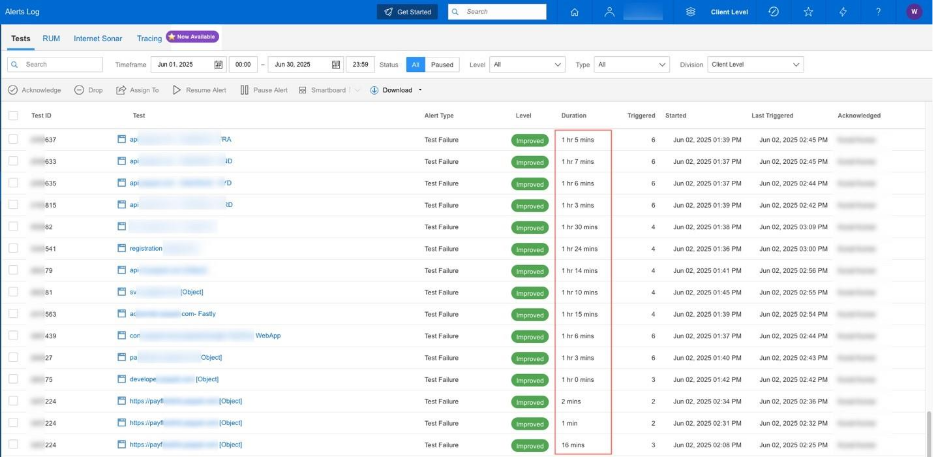
Catchpoint’s Internet Performance Monitoring flagged the incident within minutes, enabling engineers to act before widespread degradation occurred..
Here’s how recovery unfolded:
The team restored full functionality shortly after detection, minimizing financial losses and preserving most user sessions. Even a brief disruption highlighted how little tolerance customers have for downtime in financial transactions.
This outage highlights lessons that extend beyond one provider:
This incident proves a critical truth: resilience is not a feature, it is a continuous practice. In digital payments, milliseconds matter and transparency defines customer loyalty.
As Internet ecosystems become more complex, observability, failover strategies, and proactive testing are no longer optional. They are essential for uptime, user experience, and long-term trust.
Experience how Catchpoint’s IPM platform helps you detect issues early, ensure reliability, and keep your users’ trust intact. Request a demo
A backend configuration change at a global payments provider triggered a widespread outage, breaking valid HTTP/2 responses and halting transactions across APIs and merchant systems. Synthetic monitoring detected the issue within minutes, allowing engineers to isolate the fault, reroute traffic, and restore functionality quickly. The incident highlights three lessons for fintech and engineering leaders: design for failure, monitor like a customer, and communicate transparently. In payments, resilience and observability are inseparable from customer trust.
In digital commerce, payment reliability is non-negotiable. The rise of instant payments highlights this need: global instant payment transaction volume reached 195 billion in 2022, with projections to surpass 500 billion transactions by 2027 as more countries adopt faster payment systems. This growing reliance on real-time payment rails raises the stakes for reliability, with any disruption posing major risks to trust and revenue.
In mid-2025, a leading global payments provider learned this lesson the hard way. A critical backend failure disrupted services across its ecosystem, including digital wallets, merchant platforms, and third-party integrations.
For consumers, the impact was immediate: failed transactions, abandoned carts, and frustration. Imagine a small retailer running a limited-time flash sale. Orders surge until payments suddenly stop processing. Customers retry, refresh, and abandon their carts.
For businesses, it meant real losses, stalled revenue, derailed promotions, and shaken customer confidence. This is not just a technical incident. It is a business outage. Lost revenue is visible immediately, but the deeper cost is trust. Once customers question reliability, they hesitate to return. In fintech, trust is currency, and communication during incidents is as important as recovery time.
The event revealed valuable lessons about Internet resilience, observability, and customer trust. These principles define how every fintech and SaaS provider should approach uptime.
The outage originated from a downstream change in the provider’s application stack. This inadvertently broke valid HTTP/2 responses at the origin Points of Presence (PoPs).
Here’s what unfolded:
Interestingly, browser traffic that passed through the provider’s CDN remained stable, masking the incident for some end users. Direct API calls, however, used by payment processors, merchant apps, and partner integrations, began to fail. This created a cascading impact across the ecosystem.
Catchpoint’s Internet Performance Monitoring flagged the incident within minutes, enabling engineers to act before widespread degradation occurred..
Here’s how recovery unfolded:
The team restored full functionality shortly after detection, minimizing financial losses and preserving most user sessions. Even a brief disruption highlighted how little tolerance customers have for downtime in financial transactions.
This outage highlights lessons that extend beyond one provider:
This incident proves a critical truth: resilience is not a feature, it is a continuous practice. In digital payments, milliseconds matter and transparency defines customer loyalty.
As Internet ecosystems become more complex, observability, failover strategies, and proactive testing are no longer optional. They are essential for uptime, user experience, and long-term trust.
Experience how Catchpoint’s IPM platform helps you detect issues early, ensure reliability, and keep your users’ trust intact. Request a demo
This is some text inside of a div block.
此内容由惯性聚合(RSS阅读器)自动聚合整理,仅供阅读参考。 原文来自 — 版权归原作者所有。