惯性聚合 高效追踪和阅读你感兴趣的博客、新闻、科技资讯
阅读原文 在惯性聚合中打开

推荐订阅源

奇客Solidot–传递最新科技情报
奇客Solidot–传递最新科技情报
爱范儿
爱范儿
博客园 - 三生石上(FineUI控件)
Vercel News
Vercel News
M
MIT News - Artificial intelligence
L
LangChain Blog
大猫的无限游戏
大猫的无限游戏
钛媒体:引领未来商业与生活新知
钛媒体:引领未来商业与生活新知
Microsoft Azure Blog
J
Java Code Geeks
Recent Announcements
Stack Overflow Blog
Stack Overflow Blog
人人都是产品经理
人人都是产品经理
IT之家
IT之家
F
Fortinet All Blogs
博客园 - 聂微东
U
Unit 42
Martin Fowler
Martin Fowler
腾讯CDC
博客园_首页
OSCHINA 社区最新新闻
OSCHINA 社区最新新闻
量子位
阮一峰的网络日志
阮一峰的网络日志
博客园 - Franky

Developer career growth guides - The GitHub Blog

From coder to orchestrator: How agents shift the role of a developer The cost of saying yes has changed Transitioning as a Hubber I automated my job (and it made me a better leader) Scaling AI opportunity across the globe: Learnings from GitHub and Andela Rediscovering joy in learning: Jason Lengstorf on the state of development Why developer expertise matters more than ever in the age of AI How to thrive as a junior engineer: Tips and insights How engineers can use one-on-ones with their manager to accelerate career growth 5 tips to supercharge your developer career in 2024 Hard and soft skills for developers coding in the age of AI How to get in the flow while coding (and why it’s important) Keeping up with big shifts in tech
Cracking the code: How to wow the acceptance committee at...
Rachel Cohen · 2025-04-19 · via Developer career growth guides - The GitHub Blog

GitHub Universe returns to San Francisco on October 28 and 29—bringing together the builders, dreamers, and changemakers shaping the future of software. From first-time speakers with big ideas to DevRel pros with demos to share and business leaders rethinking workflows with AI, we believe that a diverse range of voices belong on our stage.

But writing a compelling conference session submission can feel like decoding a complex algorithm. What makes your idea stand out? How do you grab the content committee’s attention? And what if you’ve never done this before?

Good news: we’ve cracked the code, and we’re sharing it with you.

Here are four proven tips to help you put together a proposal that’s clear, compelling, and uniquely you.

Reading this in 2026? This year’s call for speakers is now open.
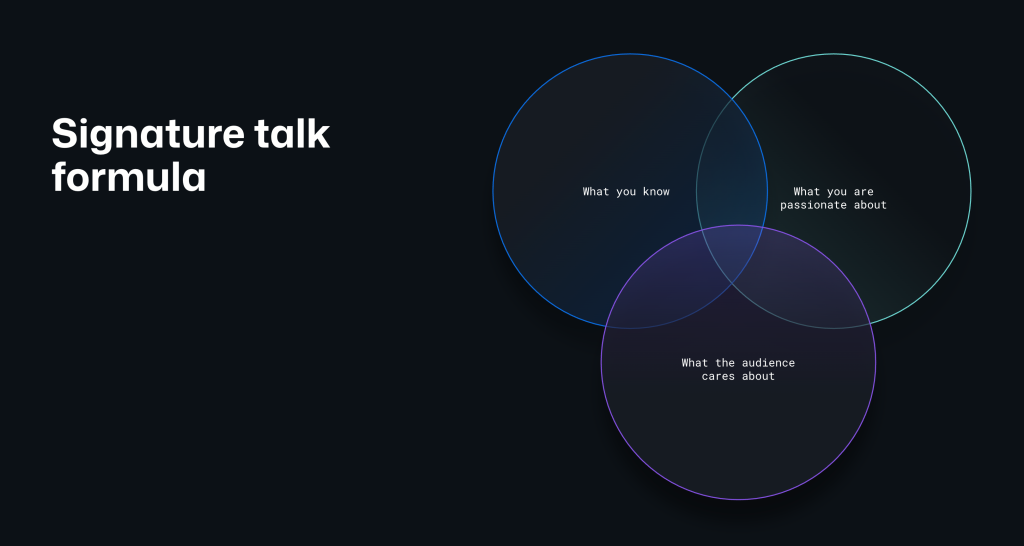
1. Find something you’re truly passionate about 💡

A Venn diagram titled 'Signature talk formula' showing the intersection of three circles labeled 'What you know', 'What you are passionate about', and 'What the audience cares about'. The diagram is displayed on a dark background with the circles in blue, teal, and purple, illustrating how effective talks should combine knowledge, passion, and audience relevance.

Here’s the truth: passion is magnetic. If you’re excited about your topic, it shows. It pulses through your proposal, powers your delivery onstage, and pulls in your audience—content committee included.

Instead of chasing the latest trends, talk about something that lights you up. Maybe it’s a story from building an open source project in your off-hours. Maybe it’s how your team shipped something new using GitHub Copilot. Or maybe it’s the unexpected way you quickly scaled developer experience across a global org. Your unique perspective is your superpower.

Content committees can sense authenticity. They’re not just looking for polished buzzwords. They’re looking for people who care deeply and can teach others something meaningful.

🎤 Pro tip: If it’s a topic you’d talk about over lunch with a teammate or geek out about on a podcast, it’s probably a great fit.

2. Write a title they can’t ignore ✍️

Think of your session title like an email subject line—it’s your chance to make a strong first impression, and it needs to do the heavy lifting for you. A strong title shouldn’t just sound good. It should clearly communicate what your talk is about and why it matters.

Let’s take our title as an example:

  • Engaging: “Cracking the Code” suggests there’s an inside strategy, and it sparks curiosity.
  • Clear: “How to wow the acceptance committee at your next tech event” leaves no doubt about the topic.
  • Action-oriented: It promises practical takeaways, not just theory.
  • Balanced: It walks the line between fun and professional.

Avoid vague titles (“A new approach to software”) or clickbait (“This one trick will fix your codebase”). Instead, aim for clarity with flair. Give the content committee a reason to want to learn more along with the confidence that your talk can deliver.

🎤 Pro tip: After you write your title, ask yourself—would I attend this session? Would I understand what I’m getting from it in five seconds?

3. Make it easy for the content committee to say yes ✅

The content committee is rooting for you, but you’ve got to help them out. The best submissions remove all ambiguity and make a strong case for why this session matters.

Here’s how:

  • Be specific about your audience: Who is this for? Senior engineers? OSS maintainers? Platform teams? Product leads?
  • Spell out the takeaways: What will people learn? Tools, frameworks, fresh mindsets?
  • Tie it to the event: Why does this belong at GitHub Universe? How does it support the event’s themes?

Also, show that your content has a life beyond the stage:

  • Can your session be turned into a blog, case study, or video?
  • Is your abstract compelling enough to be featured in a marketing email or keynote recap?
  • Will attendees be able to apply what they learned the next day?

🎤 Hot tip: Think beyond the talk itself. That’s pure gold for event organizers.

4. Seal the deal with your online presence 🌐

Yes, your session submission is the star, but reviewers on the content committee can also look you up. Your online presence helps us understand:

  • Your credibility and expertise
  • Your speaking experience (or potential!)
  • How easy it will be to promote you as a speaker

You don’t need a massive following. But you do want a strong, relevant footprint. Here are a few tips to consider:


On LinkedIn:
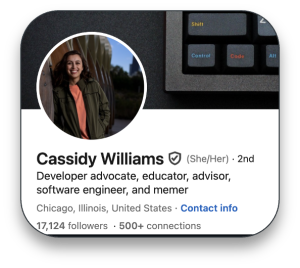

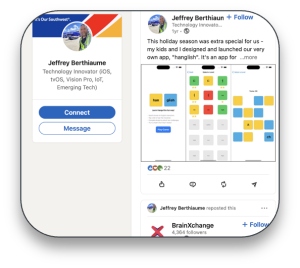
  • Use a headline that highlights your expertise, not just your title.
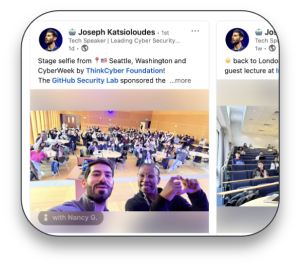
  • Make your “About” section shine with links to talks, blogs, and projects.
  • Add speaking experience under “Experience” or “Featured.”

On GitHub:


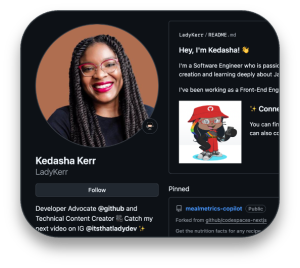
  • Update your profile README with your focus areas and links.
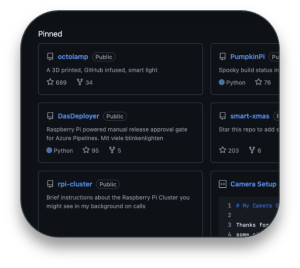
  • Pin key repos or projects you’ve contributed to.
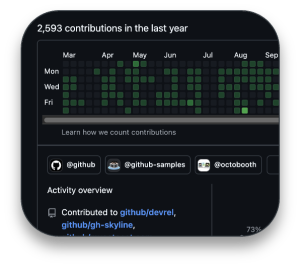
  • Be active in discussions, even if most of your code is private.

🎤 Hot tip: Post about your submission journey! Sharing your process helps you engage with the community and might even inspire someone else to apply.

Ready to take the stage?

You’ve got the ideas. Now you’ve got the blueprint. If you’ve made it this far, we hope you feel ready—and excited—to throw your hat in the ring. Let’s recap:

  1. Lead with passion to find a topic you care deeply about.
  2. Craft a clear, compelling title that grabs attention and gives the content committee an immediate idea of your session topic and takeaways.
  3. Make your submission a no-brainer by showing how it aligns with the event and adds value.
  4. Polish your online presence—it might just tip the scale in your favor.

Whether you’re a seasoned speaker or stepping into the spotlight for the first time, we can’t wait to hear from you. And if you don’t have a session idea this year, you can also nominate a speaker who deserves to take the stage. Submit a session proposal or a speaker nomination to be considered!

Let’s build the future together—one session at a time. 💫

Related posts

Explore more from GitHub

Docs

Docs

Everything you need to master GitHub, all in one place.

Go to Docs

GitHub

GitHub

Build what’s next on GitHub, the place for anyone from anywhere to build anything.

Start building

Customer stories

Customer stories

Meet the companies and engineering teams that build with GitHub.

Learn more

Enterprise content

Enterprise content

Executive insights, curated just for you

Get started