Despite its enormous scale, Tokyo remains a city where go...
Fiona Wilson·2026-06-26·via Monocle
Depending on how you count it, Tokyo is a city of nine million (the central 23 wards), 14 million (Tokyo Metropolis) or 37 million (the Greater Tokyo Area). A densely populated urban area of this scale could be forgiven for the occasional erosion of social niceties but the Japanese capital is a place of unusually good manners. Dog walkers clear up after their pets with “etiquette bottles”, spraying water on the ground to ensure that no mess is left behind. House guests wouldn’t consider passing the threshold without removing their shoes first. Patrons at the best sushi restaurants are reminded not to come doused in overpowering fragrances – not that they would anyway – because strong scents would ruin everyone else’s enjoyment of the subtle cuisine. Being thoughtful is built into the fabric of daily life.
The Tokyo Metro, which carries seven million people a day, is a prime example of this. People patiently queue on platforms, signs on the ground point to exactly where the train doors will open and passengers step on board in an orderly fashion. Once inside, they make room for others without needing to be asked; they rarely have annoying music leaking from their earphones and don’t talk loudly. The carriages are clean, air-conditioned and graffiti-free. While many cities grapple with crime, fare evasion and violence on their transport systems, the Tokyo Metro has posters encouraging commuters to be even more considerate than they already are. The current campaign, timed for the rainy season, asks, “Please hold umbrellas carefully,” while announcing “another day of good manners”.
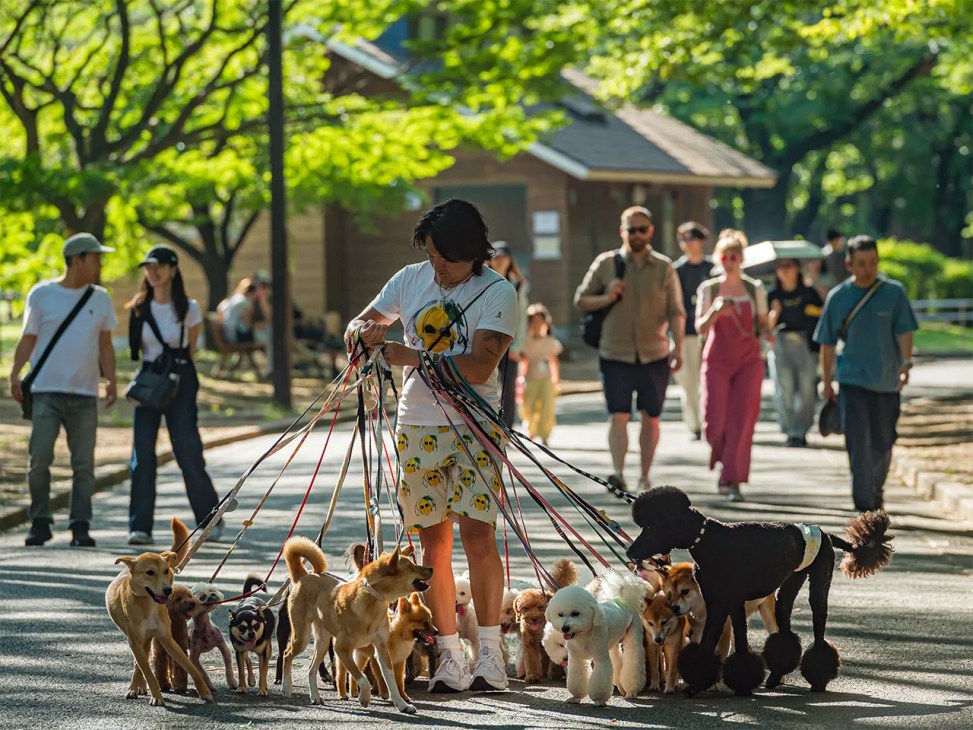
Taking the lead: Tokyo tops The Monocle Quality of Life Survey 2026 (Image: Kohei Take)
We have all seen footage of Japanese World Cup fans cleaning up the venue after a game. In Tokyo, people find the glowing coverage of this somewhat baffling. It’s standard practice in this country. When patrons exit cinemas here, they bring their cups and popcorn boxes with them and hand them to waiting staff. Nobody makes a point of it: this is just everyday behaviour. Women are expected to put a gauze bag over their head when they try on clothes in a shop to avoid leaving their make-up on garments that they don’t buy. Again, no one in Tokyo would bat an eyelid at this request. Enter a crowded lift and you’ll notice that, without a word being said, the person closest to the buttons becomes the de facto lift operator, holding doors open on each floor and closing them when everyone’s in. These small efforts keep things running efficiently.
People who appreciate Tokyo don’t want it to change but this is an ambitious city that’s in constant flux. Huge developments and infrastructure projects are ubiquitous. Shibuya, one of the world’s busiest stations, has been undergoing complex construction work for years, with its tangle of railway lines being reconfigured – but the city’s transport system has never stopped moving. Building is a feature of smaller neighbourhoods too. Workers are expected to keep sites tidy and the noise down. Prominently displayed decibel counters ensure that the racket doesn’t exceed a certain limit. It’s no surprise that Japan is now leading the way in low-noise construction machinery and scaffolding that is lightweight and quieter to assemble and take down.
Tokyo’s liveability (and lovability) is in these everyday details that just make things better. The city is a network of neighbourhoods. Young children walk to school unaccompanied and local festivals bring everyone together, particularly in the hottest summer months. City life, which can be so coarse elsewhere, feels softer in Tokyo. You rarely even hear a car horn blaring. The curious thing about this good behaviour is that it isn’t about petty rules or legislation. None of this is mandated by law. There’s just an unspoken agreement that everyone does their bit to keep the city working and not to infringe on other people. Its residents take this behaviour for granted but Tokyo should be proud of itself, a city that is creative and exciting but well mannered too.
Monocle’s editor in chief explains why we delve into questions about urban living that no one else seems to ask – and has some advice if your city didn’t make the cut.