


For our June issue, we’re exploring coffee on a global scale. Read about the project and join us on a tour of 25 nice cafés – just places that we like. We hope that you find it refreshing.
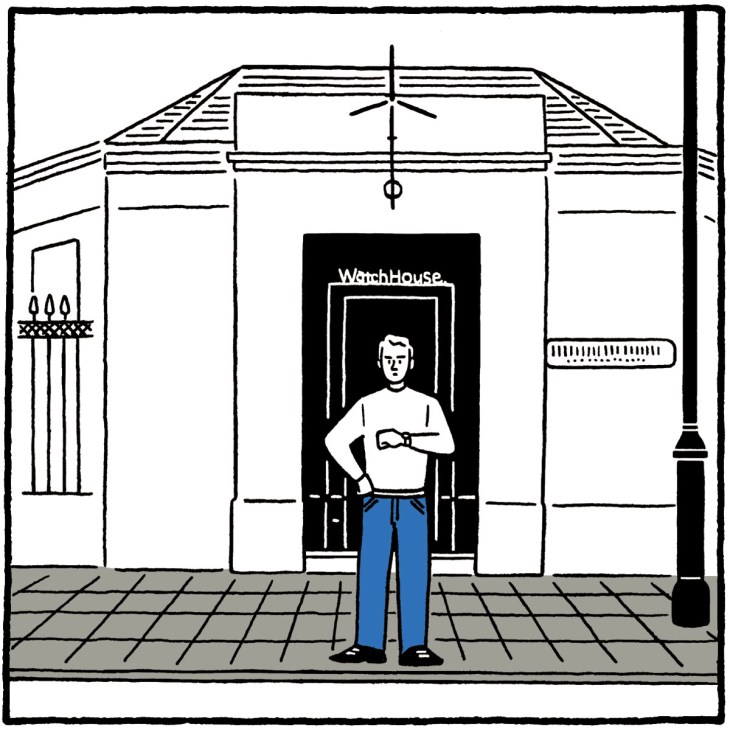
Founded in 2014 in London’s Bermondsey neighbourhood by serial entrepreneur Roland Horne, who remains the CEO today, WatchHouse has become a ubiquitous café chain in the UK capital. It counts more than 20 London sites in premium spots, from Somerset House to Hanover Square’s Medici Courtyard.
Growth has been rapid, spurred on by multiple funding rounds, including more than $6m (€5m) from Mark Bezos (brother of Jeff) and HighPost Capital, a private-equity fund that he co-founded. The boost is being used to push WatchHouse’s expansion in the US, where locations include an espresso bar in New York’s Chrysler Building and a spot on Fifth Avenue. The UAE is also in the business’s sights with Dubai’s Marsa Boulevard already playing host to a WatchHouse pop-up.
watchhouse.com
Coffee confidence
WatchHouse founder Roland Horne has outlined big plans for his business. Last year, he set a goal of 500 WatchHouse outlets globally by 2033. One method that has worked well for WatchHouse’s expansion has been crowdfunding. In 2024, funding from more than 1,400 investors raised £7.2m (€8.3m) and reportedly made history as the largest equity-only raise for a hospitality business.
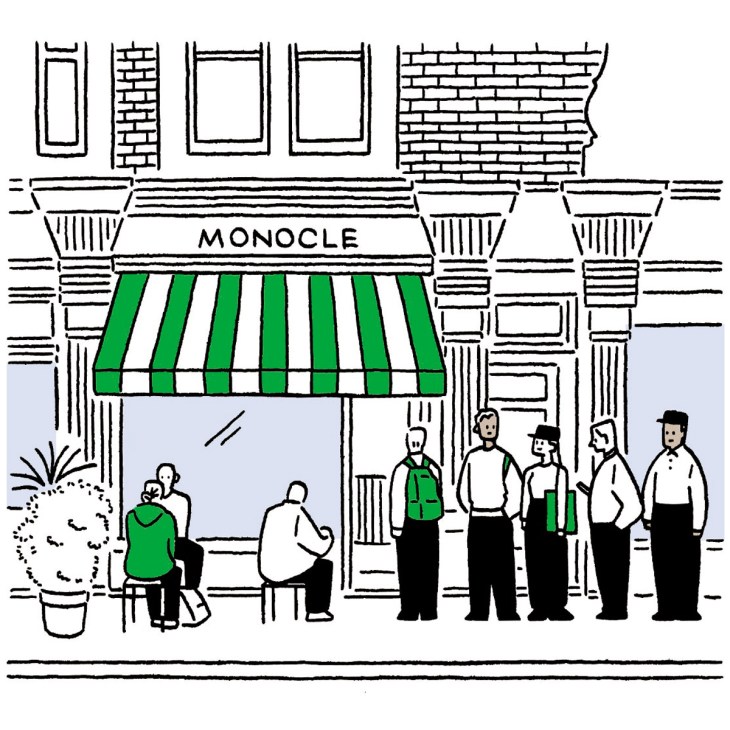
The Monocle Café, a short stroll from our offices in Marylebone, opened its doors in 2013, inviting our readers and listeners to step into Monocle’s version of hospitality. Our London location, which features wood-panelled interiors courtesy of interior-design firm Edo Construction and a Japanese-inspired seasonal menu with bites such as strawberry sandos, is joined by sister cafés in Zürich and Paris.
Meeting readers over morning coffee and evening spritzes has helped us expand the brand and take care of a growing community of customers. Our Chiltern Street shop is a few doors down too.
monocle.com
How coffee came to London
Where would you open a coffee shop in London? The first gentleman to grapple with location angst was Pasqua Rosée, who is credited with launching the inaugural coffee house in the UK capital in 1652.
Rosée had been working as a servant for the English merchant Daniel Edwards in modern-day Izmir, where he served his boss the local brew – coffee. When Edwards returned to London, he brought Rosée with him and encouraged his amenable barista to set up shop near the Royal Exchange. London quickly took to the drink – marketed as a cure-all tonic – and by the early 1700s there were hundreds of coffee shops dotted across the city.
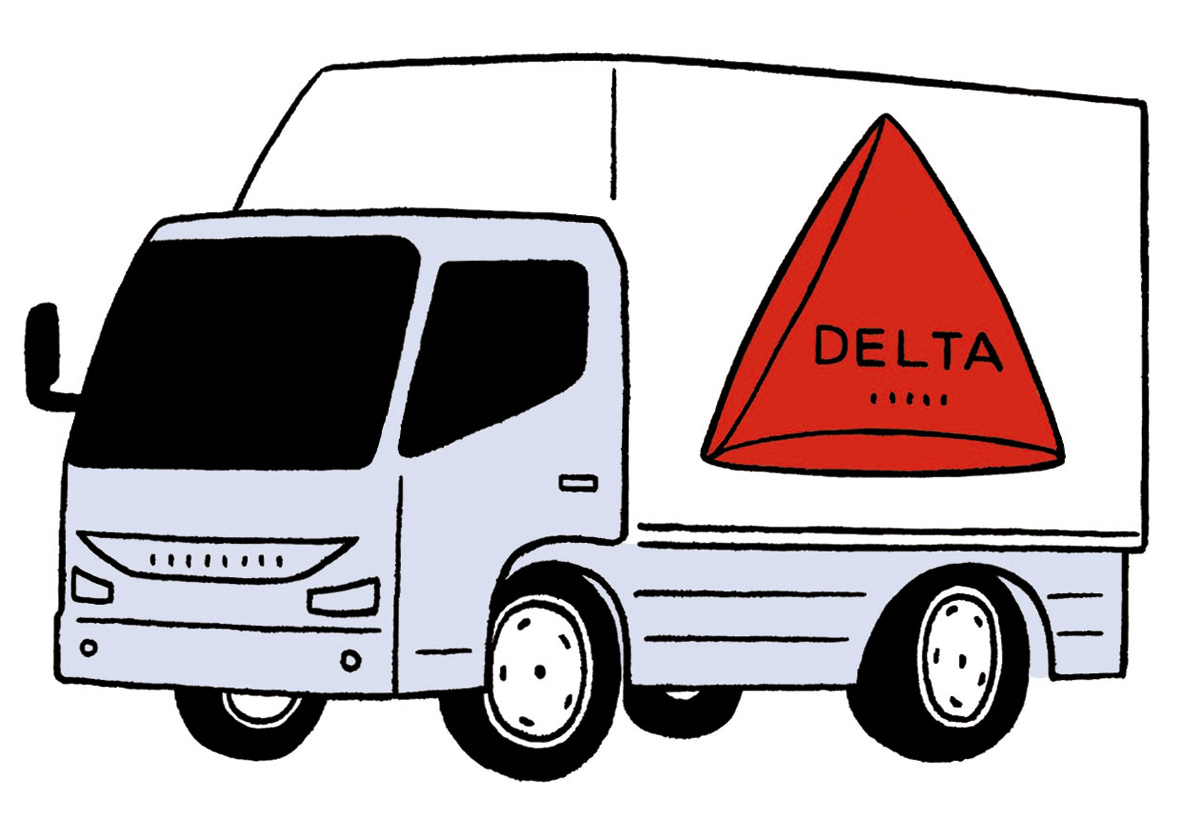
From humble beginnings in the Portuguese countryside, Delta Cafés is now one of the largest coffee purveyors in Europe, as well as the Iberian peninsula’s biggest roaster. Founded in 1961, its produce can be found in more than 40 countries, from China to Brazil. As well as operating locations in Porto and Lisbon, Delta chose Paris’s Avenue de L’Opéra as the setting for its first café abroad.
deltacafes.com
Joaqúin Parra wasn’t exactly a newcomer on the coffee scene when he founded Right Side Coffee in 2012. Hailing from one of Spain’s most established coffee families (who own Mare Terra, a coffee importer that has set up Europe’s first online green-bean shop), Parra had the know-how to source directly from growers and avoid intermediaries. Despite Right Side recently opening its own coffee bar in Barcelona’s Gothic Quarter, he has kept the roastery headquarters low key: it’s still in the beachside Catalonian town of Castelldefels.
rightsidecoffee.com
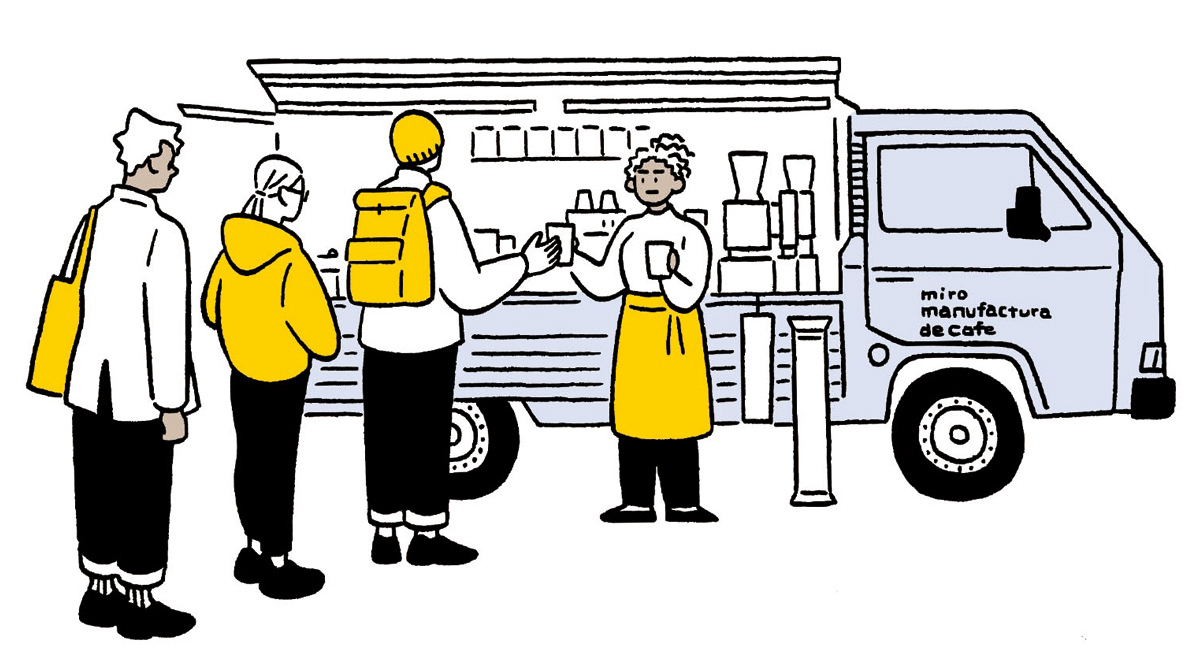
One of Zürich’s most prominent coffee brands, Miró has always been mobile. Founded by brothers Dani and David Sanchez as a coffee truck in 2013, the company has expanded to include two outposts in the city’s main railway station and pop-up coffee bars for events around the city. It’s also served to customers onboard select Swiss flights. “Coffee is part of everyday life,” says David. “And that is exactly where it has to happen.” Permanent locations include its flagship roastery-café in Zürich’s Kreis 4, as well as a kiosk in Kreutzplatz, which opened in April. “We build places, not branches,” he adds. It’s a fresh business model.
mirocoffee.co
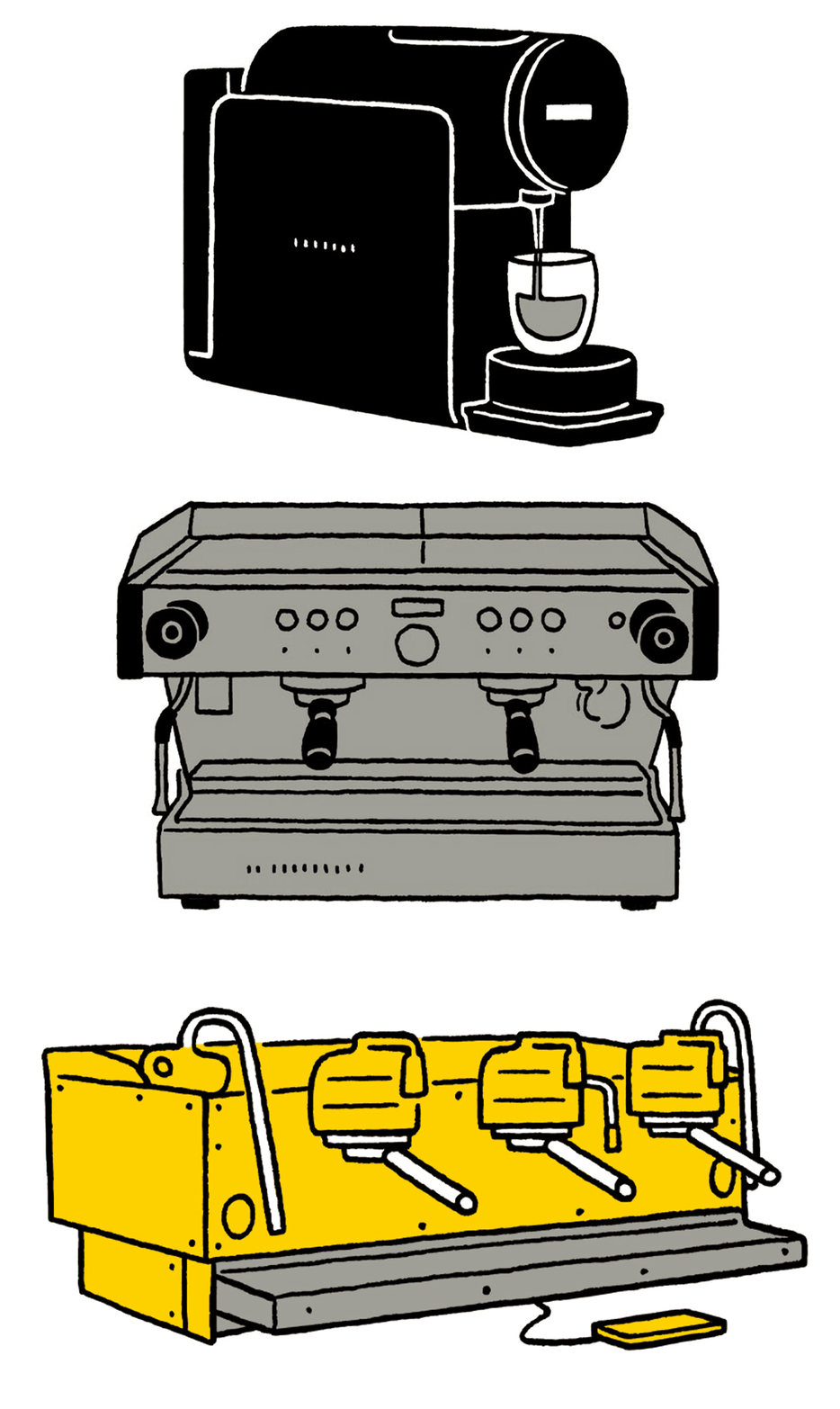
Beans are only half the battle when it comes to making a formidable brew. For a taste of where home brewing is heading, try a machine from Singapore-based Morning. It’s possible to fine-tune temperatures and pressure profiles at the swirl of a dial. There’s also online access to bespoke settings that suit specialist roasts from your favourite coffee shops.
You might also want to try La Marzocco, founded in 1927 by Giuseppe and Bruno Bambi, remains the industry workhorse. The machines are still hand-assembled near Florence and will set you back by as much as €20,000 for the bigger beasts. Italy dominates the market with marques including Nuova Simonelli and Sanremo. Binasco-based Cimbali bought Seattle’s Slayer in 2017.
This leaves Synesso as the clear choice for a US-made option at the higher end of the market. Its colourful powder-coated options are particularly fetching.
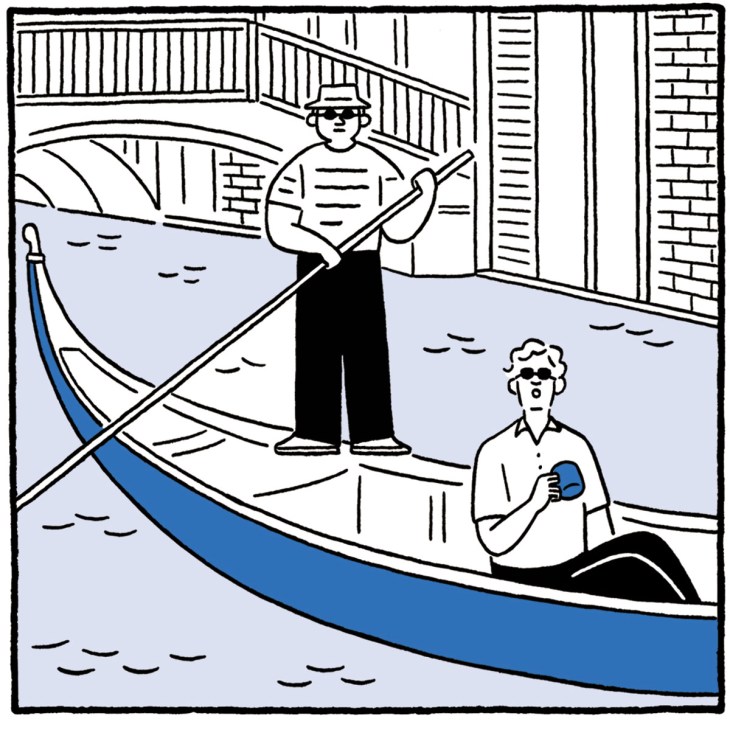
In Italy, coffee gained a foothold in 18th-century Trieste via arrivals at its bustling port, before spreading to Venice. Caffè Girani, founded in 1928 and the oldest torrefazione – roaster – in the city, carries on the old traditions in a space that feels equally impervious to time. Today, Roberta Girani owns the business. The granddaughter of founder Giuseppe Girani (who also enjoyed a career as one of the Venice football team’s most successful managers), she ensures that high-quality, all- arabica blends never run out at Caffè Girani and also sells fresh blends to go. “Coffee is above all a true passion – almost a mission,” says Roberta.
3727 Campo Bandiera e Moro, Venice
Belgrade’s Kafeterija Magazin 1907 is more of a cathedral than a café. This multi-level monument to the holy bean inspires awe with its vertiginous colonnaded interior and has in-house roasts from Cuba and Tanzania – and even Indonesia’s rare civet-extruded kopi luwak. The flagship’s scale reflects the ambitions of Kafeterija’s founders, Zoran Stanojevic and Marko Vukomanovic. From a standing start in 2014, their chain now has more than 60 nicely designed branches across Serbia and Montenegro – and backing from Bulgarian private-equity company BlackPeak Capital to become “southeast Europe’s leading speciality coffee brand”. Expansion to Bulgaria, Romania and Hungary is percolating; the brand’s expansion shows how a local player can seize a market.
kafeterija.com
Canal-side cups
From the 1600s, Venice became the gateway between the Ottoman coffee trade and Europe. Takeaway culture has since arrived but the true Veneziani have espressos (in proper crockery) at standing bars.
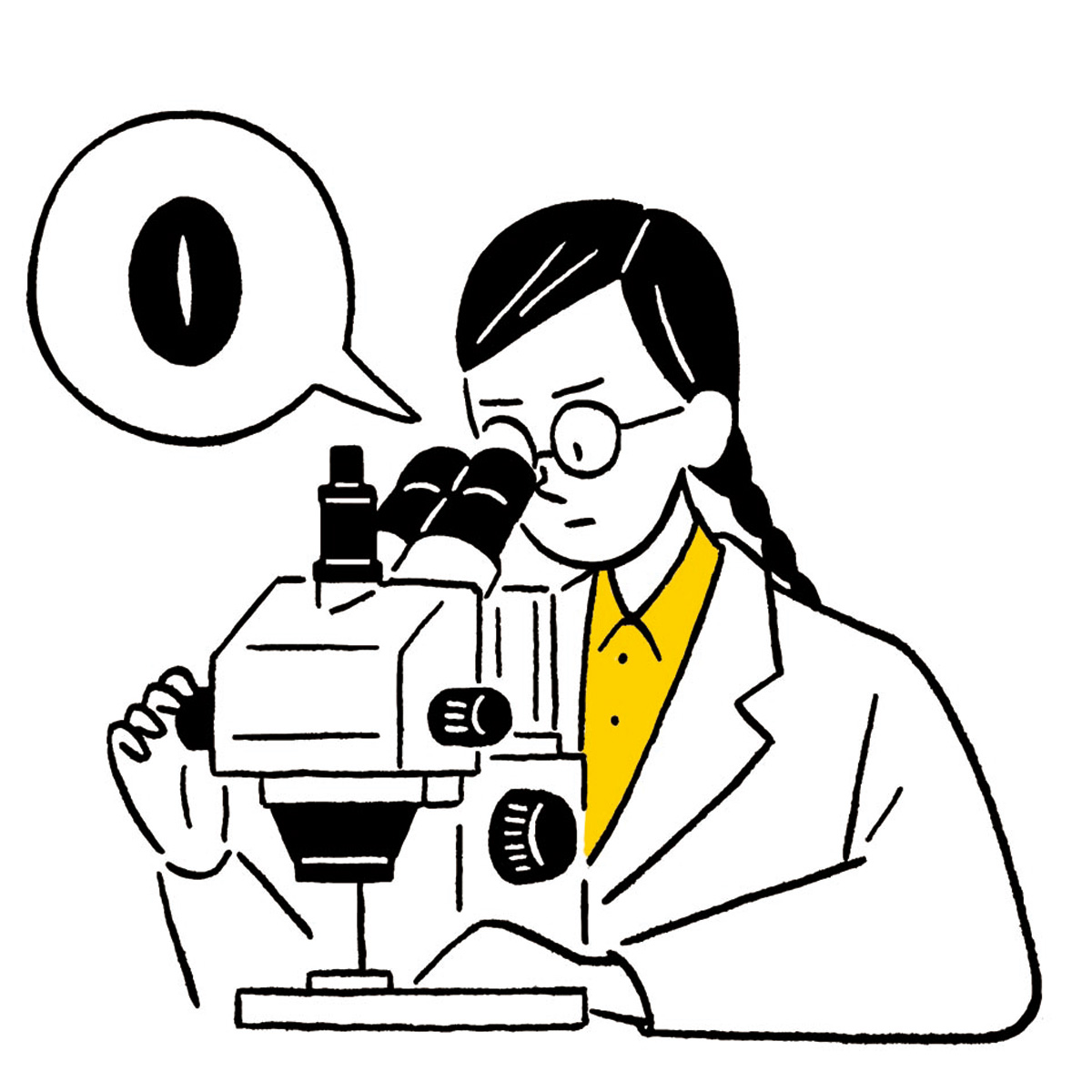
Ukrainians love their coffee. Even amid the financial and economic pressures of war, the number of coffee shops grew by a third between 2022 and 2024, continuing an interest in café culture that had boomed over the past decade. Entrepreneur Oksana Vitynska positioned herself at the forefront of this change when she became Ukraine’s first licensed Q grader (the coffee industry’s answer to a wine sommelier) in 2015 and opened Black Honey’s first café the following year. “The type of customers visiting Ukrainian cafés has changed,” says Vitynska. “They are knowledgeable and demanding when it comes to the process, bean origins and the taste of the coffee.”
With nine locations in Lviv, Vitynska’s business is planning the right moment to export its mid-century modern look and refined menu abroad.
shop.blackhoney.ua
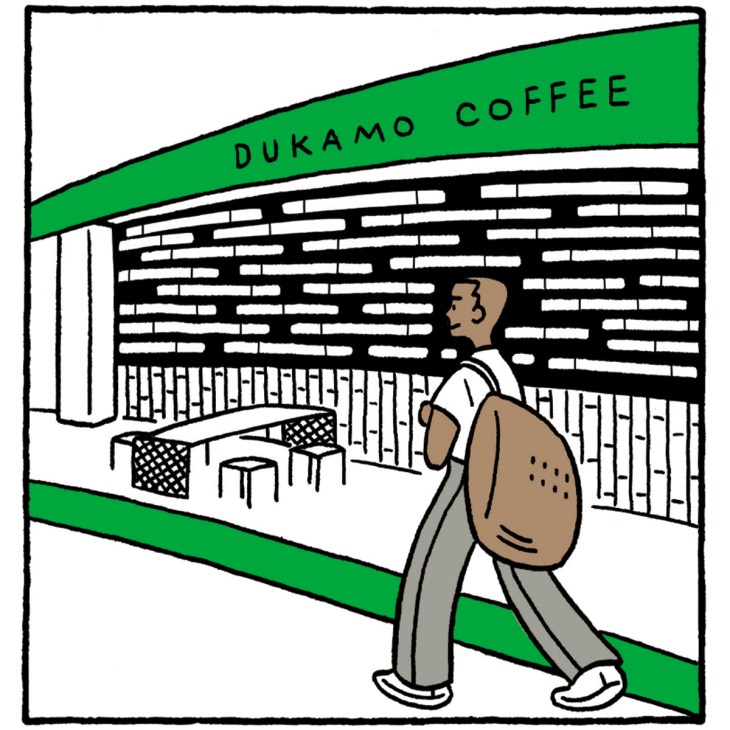
As the country where the coffee plant was first discovered, Ethiopia is steeped in traditions relating to the drink, including the jebena coffee ceremony – a social ritual integral to the rhythms of daily life. But now a new generation of Ethiopians is mixing tradition with global culture and changing how coffee is enjoyed across the country.
Kenean Assefa Dukamo, the founder of Dukamo Coffee, a small chain of cafés with three locations across Addis Ababa and the lakeside city of Hawassa, is leading the charge. The young entrepreneur is also deputy CEO of renowned Ethiopian coffee exporter Daye Bensa Coffee. Dukamo Coffee connects farms and roasters with the brand’s cafés, and wants its best beans to be enjoyed both domestically and abroad. Its brews draw a young, upwardly mobile crowd in spaces that blend pared-back contemporary design with references to the jebena ceremony.
dukamocoffee.com
Flavourful export
The home of arabica beans, Ethiopia is known for its coffee’s fruity flavours. It’s the world’s fifth largest producer after Brazil, Vietnam, Colombia and Indonesia.
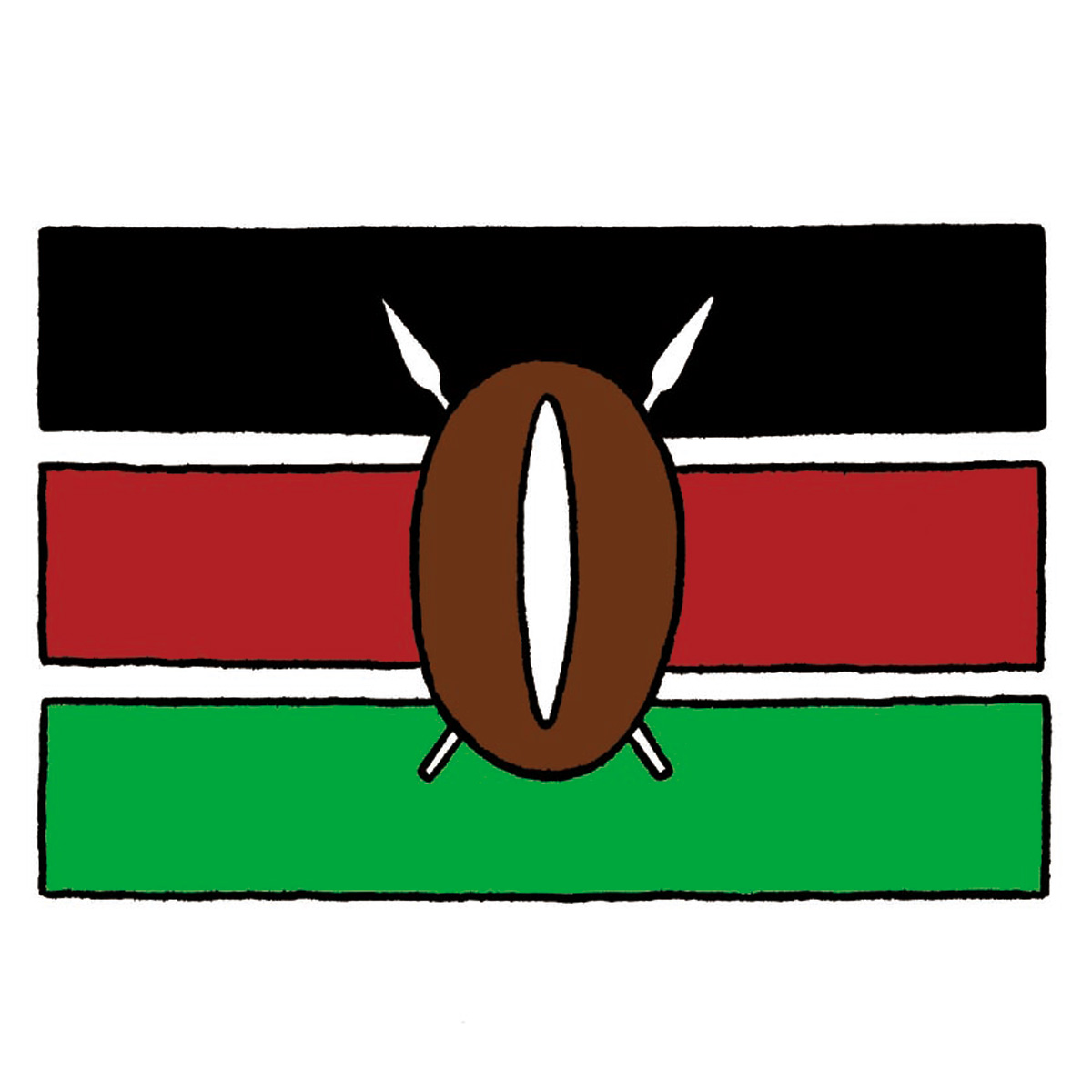
Speciality roasters are virtually unheard of in Kenya, despite it being a coffee-growing country. Though its beans are among the most highly valued in the world, the country didn’t begin growing the plant until 1893 – relatively late in an industry already well established by the early 19th century. But café brand Spring Valley is changing that. It was launched in 2009 and bought nine years later by former banker Ritesh Doshi (whose previous venture, Naked Pizza Kenya, was sold to Pizza Hut). The business buys green beans from local farmers and roasts them onsite. It now has eight locations in Nairobi, including at the US embassy. Spring Valley also ships beans worldwide and has planted its first flag outside Kenya with a café in Islington, north London.
springvalleycoffee.com
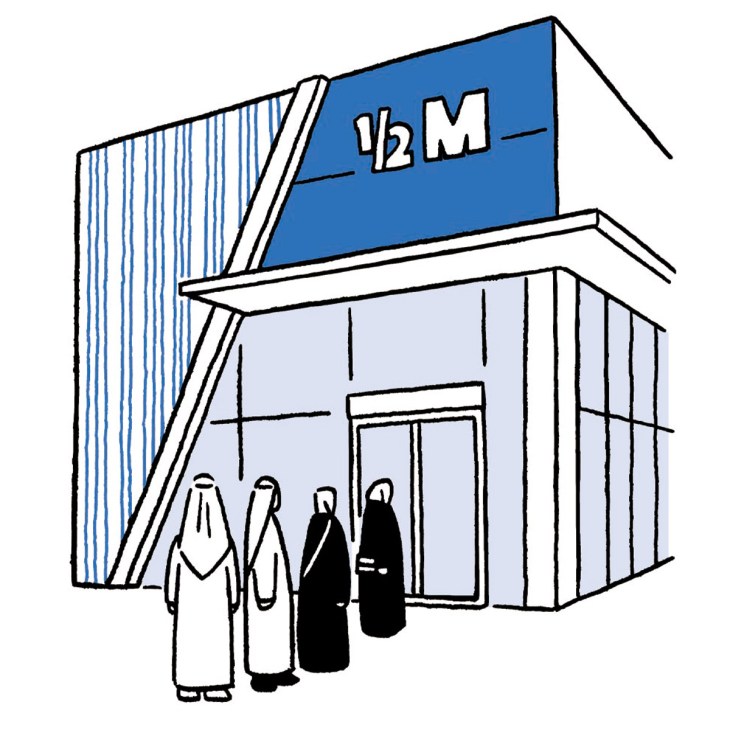
In largely alcohol-free Saudi Arabia, a coffee shop is the place to be and sipping a qahwa (Arabic coffee) is a bonding ritual. Homegrown coffee chain Half Million is shaking up the menu with a variety of options, from piccolos to iced hibiscus and cortados. Founded in 2018 by businessman Abdullah Al Rajhi (also known for his real-estate projects and seat on the country’s tourism board), Half Million has given international competition a run for its money by tempting Saudis with clever social-media marketing, a slick modern aesthetic and convenience, with more than 70 locations across the kingdom. The chain has added international outposts in Baghdad and London, demonstrating that the region now exports brands rather than simply hosting them.
halfm.sa
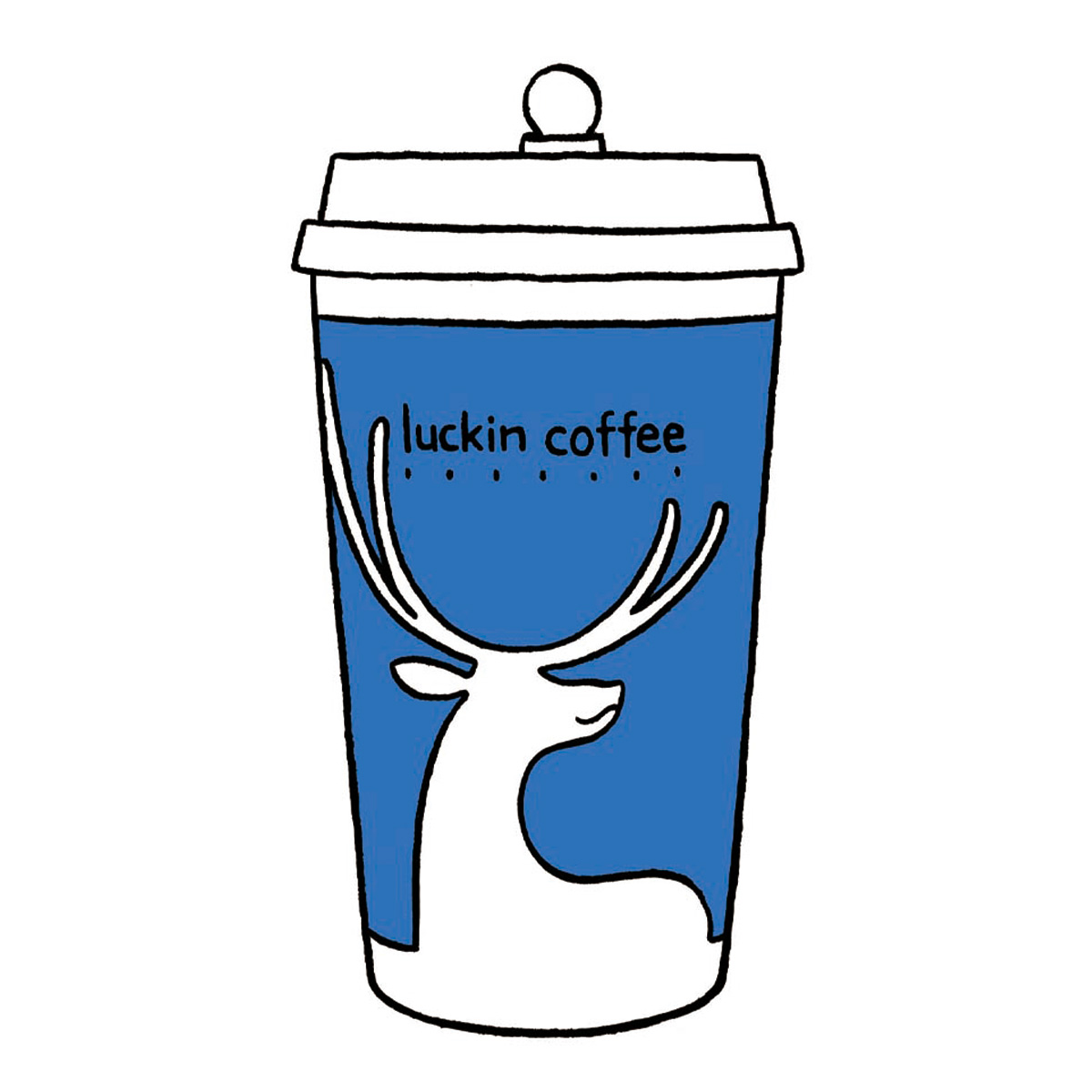
Luckin Coffee, China’s answer to Starbucks, was founded in 2017. It has grown rapidly, with more than 30,000 outlets and 98 million monthly customers. In 2023 alone, the business opened more than 8,000 outlets. Part of the appeal is how cheaply and quickly its coffee is made – and now it is exporting this model to Singapore, Malaysia and the US. App-first shops with minimal seating draw a young city crowd. Centurium Capital, the investment firm behind Luckin Coffee, has now acquired US-founded Blue Bottle.
luckincoffee.com
Quick bucks
Luckin’s deer logo symbolises wealth, vitality and luck. But several of the brand’s bosses were ousted in 2020 following a financial scandal. They have since founded a rival called Cotti Coffee.
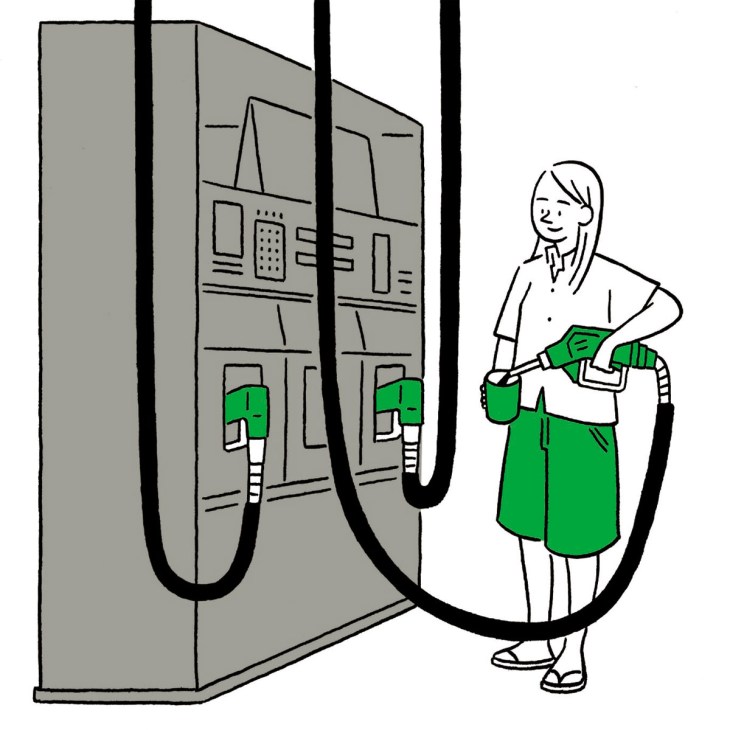
Thailand’s economy relies on a legion of truck drivers making deliveries across the nation. For many, as their vehicles refuel at well-stocked service stations, their caffeine fix comes from Café Amazon. This chain was founded in 2002 by state-owned oil company PTT and its colourful macaw logo is instantly recognisable. Almost every PTT station in Thailand has a Café Amazon and with more than 5,000 outlets across 10 countries in Asia and the Middle East, it enjoys a huge reach. It also has higher-end cafés in Bangkok’s smartest shopping malls. A new flagship “experience” café has opened in the Ari neighbourhood; the purpose-built high-rise also features spaces for co-working, events and a rooftop restaurant.
cafe-amazon.com
The regional view
Southeast Asia produces about a quarter of the world’s coffee but its countries are also growing consumer markets. Vietnam is the world’s second-largest producer and its domestic coffee industry is expected to surpass $660m (€561m) by 2028. Meanwhile, Indonesia ranks fourth in terms of production; domestic consumption has tripled since 2020.
1.
Italy remains a key player. Trieste-based Illy had an annual turnover of €700m in 2025, while Turin’s Lavazza celebrated its 130th year in business with revenues of €3.9bn. Viva l’Italia.
2.
Luckin Coffee has taken the industry by the horns and in April 2026 opened a vast, €375m state-of-the-art roasting centre in Qingdao, China, which the company claims is the largest in the world. It has the annual capacity to roast more than 55,000 tonnes of the black stuff.
3.
Beyond the mass market, specialist roasteries have been able to position a cup of joe as a daily luxury and price their beans accordingly. London-based Monmouth Coffee Company – which was founded in 1978 and boasts three shops – has mastered the art of branding. In a market dominated by gimmicks, its simple, sandy-hued sachets adorned with a sans-serif font hint at the company’s values of quality, transparency and consistency.
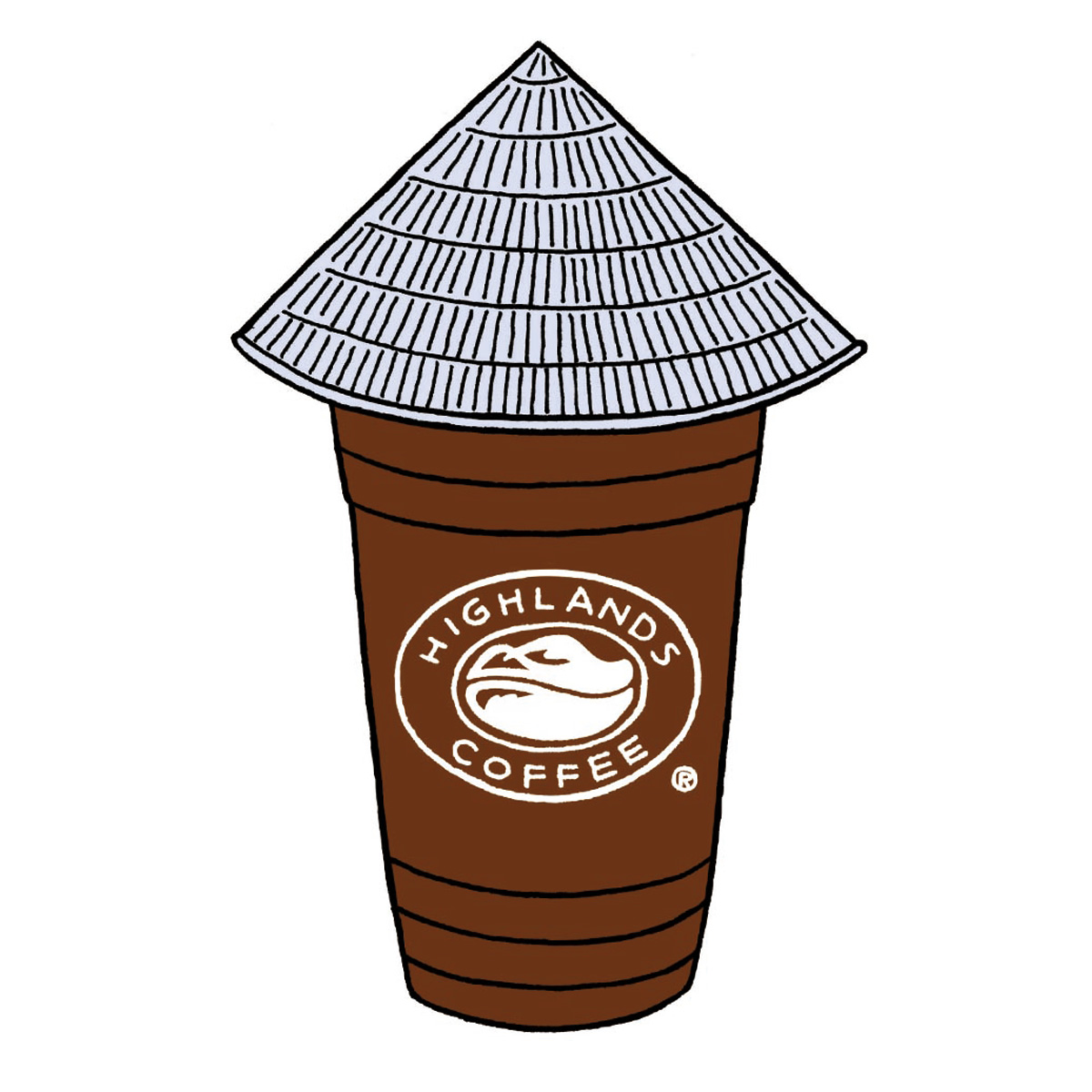
Vietnam is second only to Brazil in bean production and the consumption of coffee can be seen on every street corner, from roadside carts to hip cafés. The Vietnamese even have their own method. Ground coffee is placed in a small metal slow-drop filter called a phin and mixed with condensed milk. Highlands is the country’s biggest chain and takes its name from the coffee- producing region in central Vietnam.
Vietnamese-American entrepreneur David Thai continues to manage the company that he founded in 1999 with the support of majority investor Jollibee Foods of the Philippines – a stealth coffee giant by virtue of its ownership of South Korea’s Compose Coffee and the cups that it sells in its fried-chicken outlets. Highlands is nearing its 1,000th outpost and it has unveiled a timely brand refresh courtesy of design studio BaseSGN.
highlandscoffee.com.vn
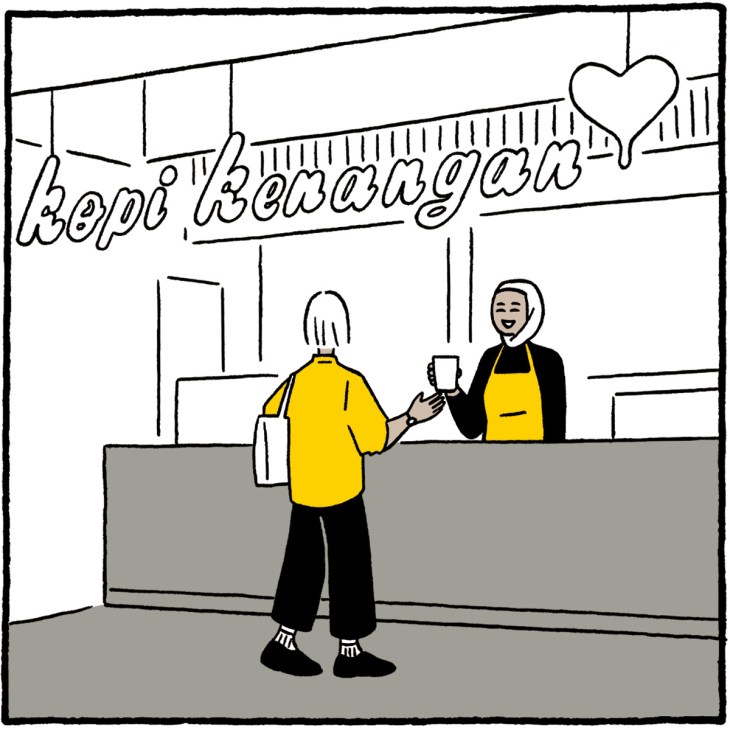
Kopi Kenangan (“coffee memories”) was founded in 2017 by Indonesian entrepreneur Edward Tirtanata. It has since become the major player in his home market, a country of more than 280 million people, and a top-five coffee producer. The business model is simple: offer superior-quality Indonesian coffee at a lower price than in the international chains.
Kopi Kenangan has built a strong brand and stayed true to its roots while attracting investment from a stellar list of financial backers, such as Li Ka-shing (Hong Kong’s richest man). The company has more than 1,000 outlets in Southeast Asia and Tirtanata wants to triple this by the end of the decade.
kopikenangan.com
This is how they do it
Indonesian beans are usually processed quickly, with husking done while they are still damp in a process called “wet-hulling”. Most of the beans grown here are robusta, which tend to be bolder and have more caffeine than their fruity arabica cousins.
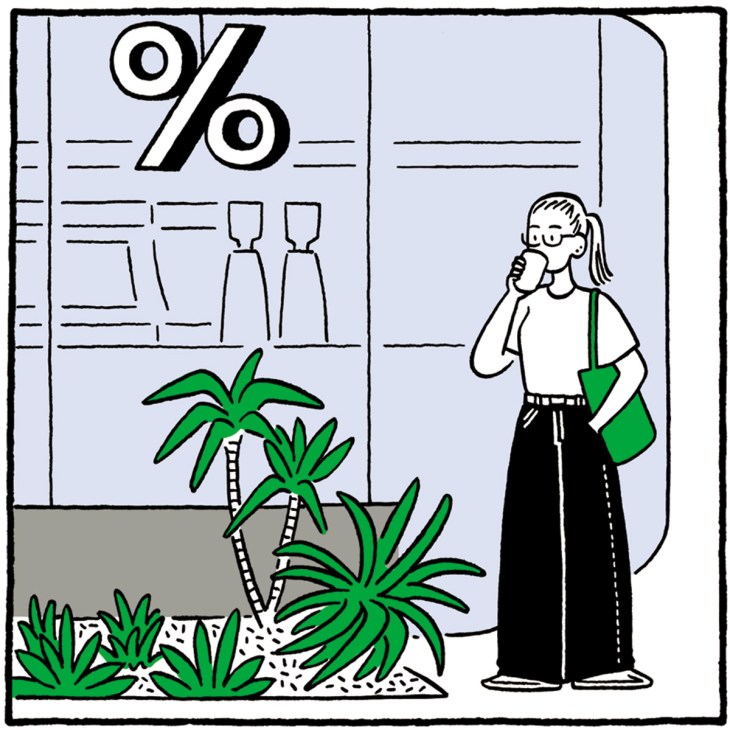
Tokyo-born Kenneth Shoji opened the flagship % Arabica coffee shop in Kyoto in 2014. Today the business has 235 locations in 29 countries. It has strong connections to China, with its largest market in the country, and new spots also coming soon to Australia, Iraq and Kazakhstan.
Shoji borrowed money to buy a coffee farm in Hawaii, started trading green beans and became the sole exporter of a Japanese make of roasting machine. Strong design and clear branding (just look at the business’s distinctive logo and the percentage sign that marks its presence in a neighbourhood) have imprinted % Arabica on the minds of coffee drinkers.
arabica.com

Founded in Paris in 2002 by French entrepreneur Gildas Loaëc and Japanese architect Masaya Kuroki, fashion and music label Maison Kitsuné is a blend of Franco- Japanese influences. Café Kitsuné, which has more than 30 branches globally, started in 2013 as a counter inside a Kitsuné shop in Tokyo. A roastery opened in Okayama in 2019, a standalone café was established in Paris the same year and the first European roastery, Café Kitsuné Vertbois in Paris, followed two years later. The brand’s distinctive fox logo (kitsune in Japanese) plays well on merch. Ralph’s Coffee trucks and cafés by Ralph Lauren are another example of a fashion brand creating a covetable café collection.
maisonkitsune.com
The business of coffee
Since their inception, coffee shops have been co-working spaces. Many of London’s key institutions were invented by their earliest caffeinated habitués. At Lloyd’s coffee house, which opened in 1688, brokers would sell insurance to ship owners and in doing so gave birth to Lloyd’s Insurance, which still plays a crucial role in maritime trade and more.
The London Stock Exchange can trace its roots to Jonathan’s Coffee House, which was founded in 1698. It’s a heritage that still shapes how people use these so-called third spaces. That headphone-sporting person squatting at a table all day while nursing a frappuccino? Perhaps they are about to change the world – or at least finish their online grocery order.
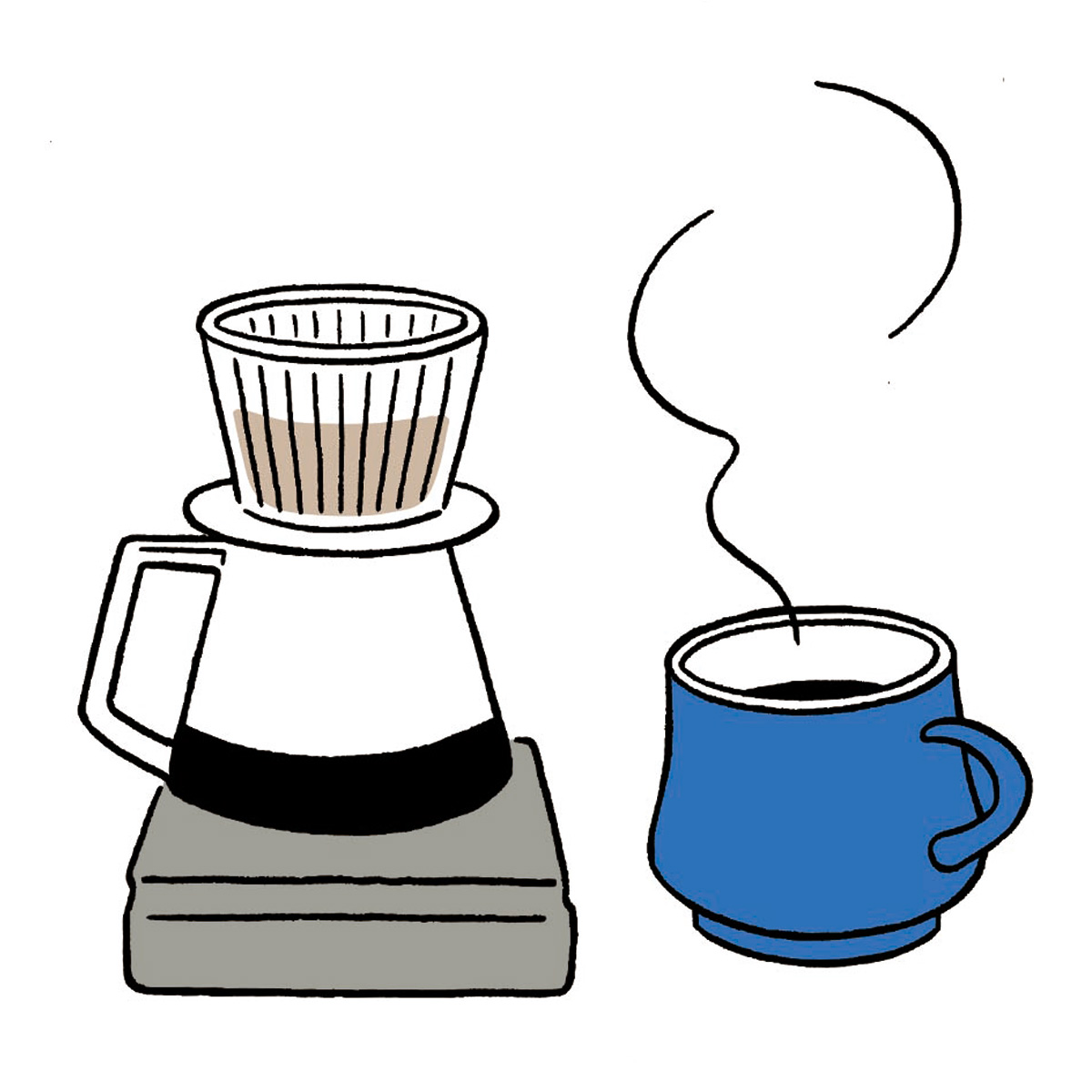
Paul Geshos didn’t expect Mecca Coffee to last this long. In 2005, Italian blends still dominated and speciality coffee was still emerging. Today, Sydney is one of the world’s most celebrated coffee cities and Mecca runs its own roastery, operates three outposts and supplies leading hotels and restaurants.
Geshos bet that Sydneysiders would start caring about where their coffee originates. “We have used the Cup of Excellence since 2007,” he says, referring to the industry’s most prestigious sourcing competition, which identifies top producers and auctions lots directly to roasters at premium prices. In an industry driven by fast expansion, Geshos built a community, knowing that once people understood what was in the cup, they would want to taste it.
mecca.coffee
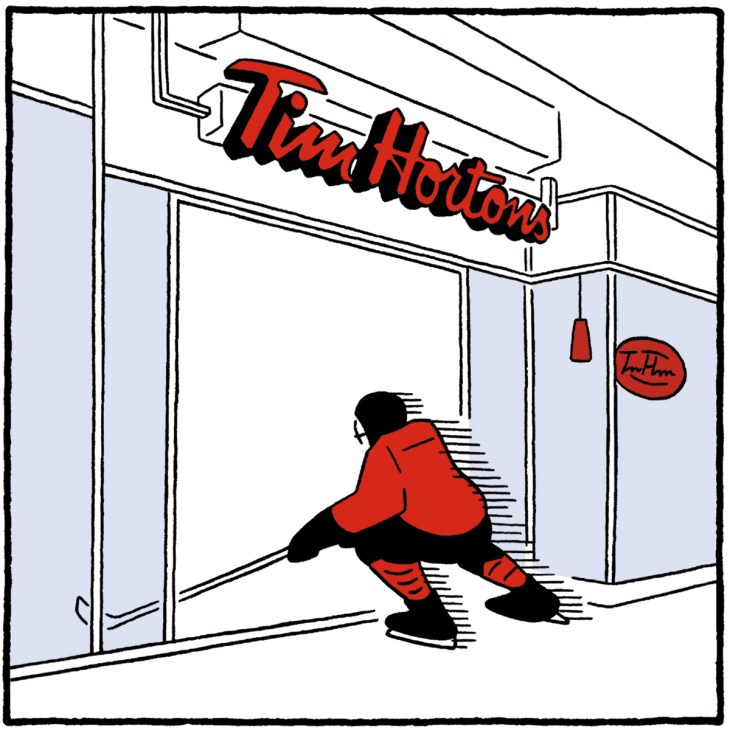
Few national coffee franchises have embedded themselves into daily life as much as Tim Hortons has in Canada since it was co-founded in 1964 in Hamilton, Ontario, by an ice-hockey star (after whom the chain is named).
One of its most popular drinks, the “double double” (a hot cup of coffee with two portions of coffee cream and two spoons of sugar), is a term so well used that the Oxford English Dictionary added it to its Canadian edition in 2004. Since being acquired by Brazil-based fund 3G Capital, which owns fast-food groups Burger King and Popeye’s, this Canadian outpost of reliable and reasonably priced coffee now has more than 6,000 locations worldwide.
timhortons.com
Antipodean export
While there are various rival claims about who invented the flat white – a double-shot of espresso, steamed milk and a light micro-foamy top – what is agreed upon is that this punchy drink was devised by someone in Australia, or perhaps New Zealand, in the 1980s.
What’s also not disputed is how it has doggedly remained the go-to coffee for anyone, from Sydney to San Francisco, who thinks that they are even remotely cool. But it wasn’t only the flat white that our coffee-obsessed Antipodean friends gave the world. Aussie and Kiwi baristas also shook up the appreciation of good coffee and exported a café aesthetic that endures (plenty of timber, street-side stools, men with beards, lots of aprons).

Frustrated with mass-produced coffee, former clarinet player James Freeman began roasting small batches of beans in a shed in Oakland, California in 2002. In 2005, he opened his first café in San Francisco, serving coffee from beans roasted no more than 24 hours earlier. Word spread and the roastery grew. It’s now owned by Centurium Capital (a major backer of Chinese chain Luckin Coffee), which acquired the brand from Nestlé for just under a reported $400m (€340m) in March 2026. There are now more than 100 outposts – known for their clean, sharp interiors – across the US, China, Japan, Singapore and South Korea.
bluebottlecoffee.com

Many people avoid coffee because of the dreaded caffeine comedown, which can push whole hordes of customers away from the product. But Seattle-based business Atomo, founded by tech entrepreneur Andy Kleitsch and food scientist Jarret Stopforth in 2019, has found a way to lower coffee’s crash factor. Atomo’s special recipe includes a mix of arabica beans and ingredients such as date seeds, carob and chicory root. The business claims that the drink has gut-friendly benefits, a boon for the health-conscious consumer.
atomocoffee.com
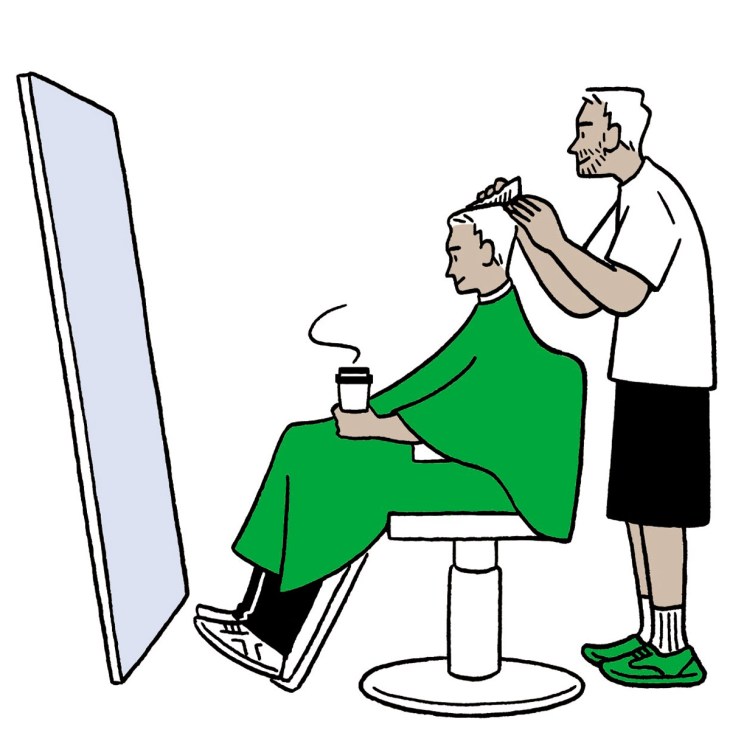
In 2012, Parlor Coffee started on a shoestring in the back of a Williamsburg barbershop, where former Stumptown barista Dillon Edwards worked a single espresso machine. Today the business is run by Edwards and his wife, Tessa – who designed the branding – on a wholesale-first basis, supplying hotels and restaurants alongside a home subscription. Parlor Coffee’s headquarters are now in a repurposed carriage house next to the Brooklyn Navy Yard and the roasting machine of choice is from German brand Probat (made in 1965). Coffee heads can educate themselves at a tasting room, which is open at weekends.
parlorcoffee.com
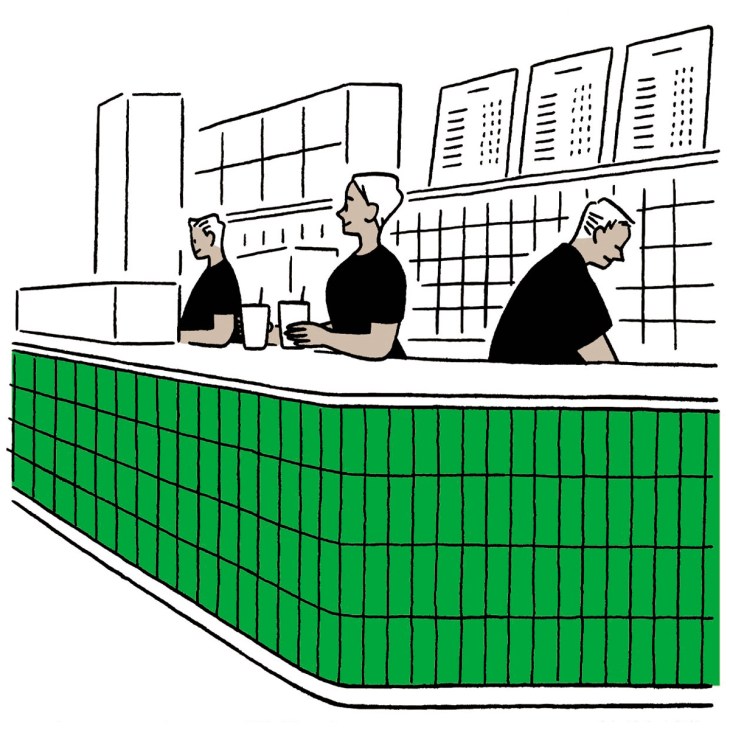
If there’s one colour that has come to represent Gen Z’s obsession with all drinks iced and matcha, it’s Blank Street’s signature green. The shade has been with the chain since co-founders Issam Freiha and Vinay Menda served their first drinks out of a coffee cart in New York in 2020. Six years later and the company (still founder-owned) was valued at about $500m (€425m) in 2025. It now operates more than 90 locations across New York, Boston, Washington and the UK. Maintaining quick, automated Eversys espresso machines, a small physical footprint and a to-go format keeps Blank Street’s service fast and its prices lower than most competitors.
blankstreet.com
Blank cheque
In April 2026, Blank Street reportedly sought a round of funding to raise $100m (€85m), which would push the value of the company to almost $1bn (€850m). One reason that people are excited about Blank Street is its app, through which you can order your Lemon Loaf Matcha before you arrive.
WRITERS:
此内容由惯性聚合(RSS阅读器)自动聚合整理,仅供阅读参考。 原文来自 — 版权归原作者所有。