


Stretching from the town of Blanes, about 70km from Barcelona, all the way to the French border, the serrated coastline and plains of Spain’s l’Empordà region are etched into the Catalan identity. The Costa Brava is a place of confounding dualities: a hedonistic playground for the wealthy and a provincial outpost that clings conservatively to the past. It’s a region known for its fishing towns and farmland – but also for having been home to Catalonia’s most cosmopolitan souls, from writer Josep Pla to surrealist Salvador Dalí.
The Hostal de La Gavina in S’Agaró first put this part of Catalonia on the map – literally. The family that opened the hotel in 1932 also built the town. Though it has been updated over the years, there’s something unchanging here that offers comfort in a world in flux. From a long wall of arched windows, you can see slivers of the Med between fresh-trimmed foliage; grand bouquets perfume the air and a side table holds a jug of iced tea. Now run by the founder’s grandchildren, it’s a favourite among those who know this stretch of the Costa Brava.
Wild coastal view from the Camí de Ronda hiking trail
While the region pioneered Spain’s modern tourism industry in the 1930s, it has surprisingly few international hotel chains. The villas among the coastal pines point to a different, more restrained approach to development – just the way the locals like it.
“More than a resort, we like to call it a mansion,” says Christian Kirschner, La Gavina’s sales and marketing manager, as he leads us into its network of dining salons, drawing rooms and terraces. “This is a good moment for La Gavina because the trend of design hotels seems to have run its course. People are looking to go back to their roots.”
La Gavina was envisaged as a “garden village” – a bold urban-planning project initiated in 1924 that eventually encompassed 160 additional villas in the surrounding hills. It reflected the idealism of businessman Josep Ensesa and architect Rafael Masó, and was an example of noucentisme – a more austere counterpart of Catalan modernism. The project was aimed at bourgeois barcelonins seeking solace outside the city. Almost a third of the 150,000 sq m space is dedicated to gardens, public squares and recreation grounds.
To help nurture the country’s nascent tourism industry, Ensesa commissioned artist Enric Moneny to create a series of expressive posters. Moneny’s whimsical campaigns perfectly capture Ensesa’s fantasy of an exclusive space, free of conflict, where summer feels eternal and high society comes to play. Civil war, however, sapped the hotel’s momentum and forced the family into exile. But by the 1940s, La Gavina had resumed its mission, hosting international tourism conferences as well as illustrious guests. Passing a wall of framed faces, Kirschner tells Monocle about the hotel’s Hollywood era. (We spot photos of Elizabeth Taylor, Ava Gardner and Orson Welles.)
We run into the hotel’s general manager, Joan Carles Casanovas, whose steady hand keeps it all running smoothly. “Hotels are never-ending stories and the backdrop to grand dramas,” he says. “Our job is to make things consistent.” He points to a desk designed by the hotel’s architect that was recently acquired at auction. Most of the furniture here is antique. The word “hostal” in the name has stubbornly been retained, even though its meaning has changed over the decades, leading to occasional confusion among new guests. “We have found ways to improve,” he says. “But we always protect the essence.”
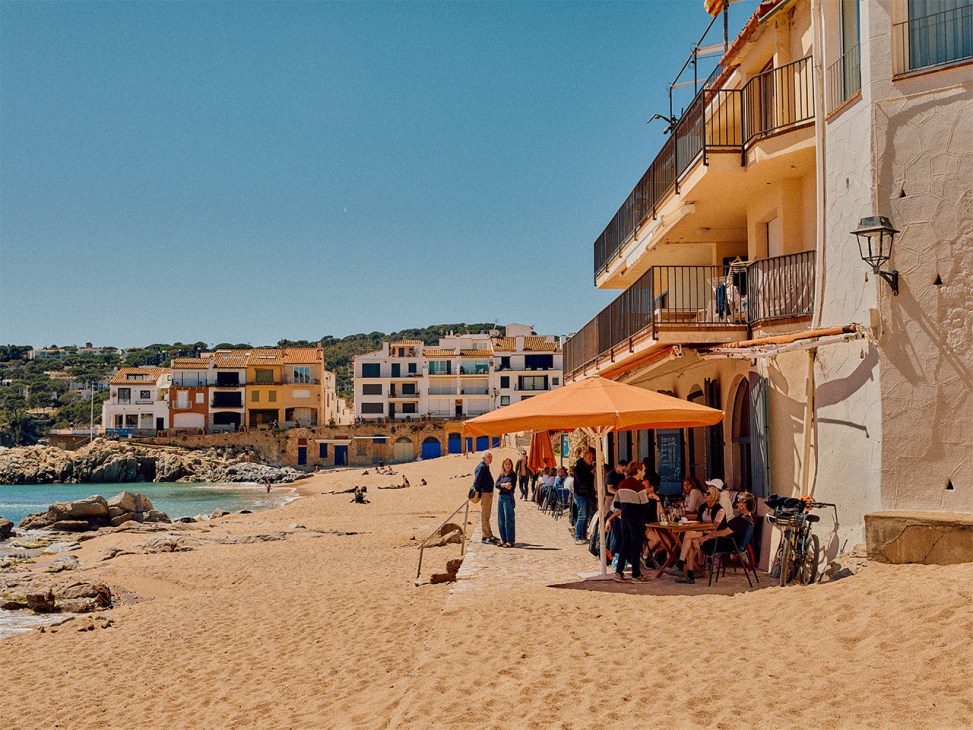
Further up the coast, a little after midday, the sun glints over the terrace tables of Tragamar restaurant. Calella de Palafrugell is a cove of soft-hued boat sheds. Over exquisitely presented tapas, restaurateur Tomás Taruella and his daughter, Gina, offer their take on a recent wave of successions. Tomás tells Monocle that he took over this seafront spot in 2024 from his sister, who had been serving the summer crowds since 1992. More recently, his company, Grupo Tragaluz, took over seafood restaurant Sa Marinada in the town of Sant Feliu de Guíxols following the retirement of its owner. “She saw us as a safe pair of hands because we saw value in preserving the existing ecosystem.” The same father-and-son duo who have long supplied its kitchen still catches fresh fish for it every morning.
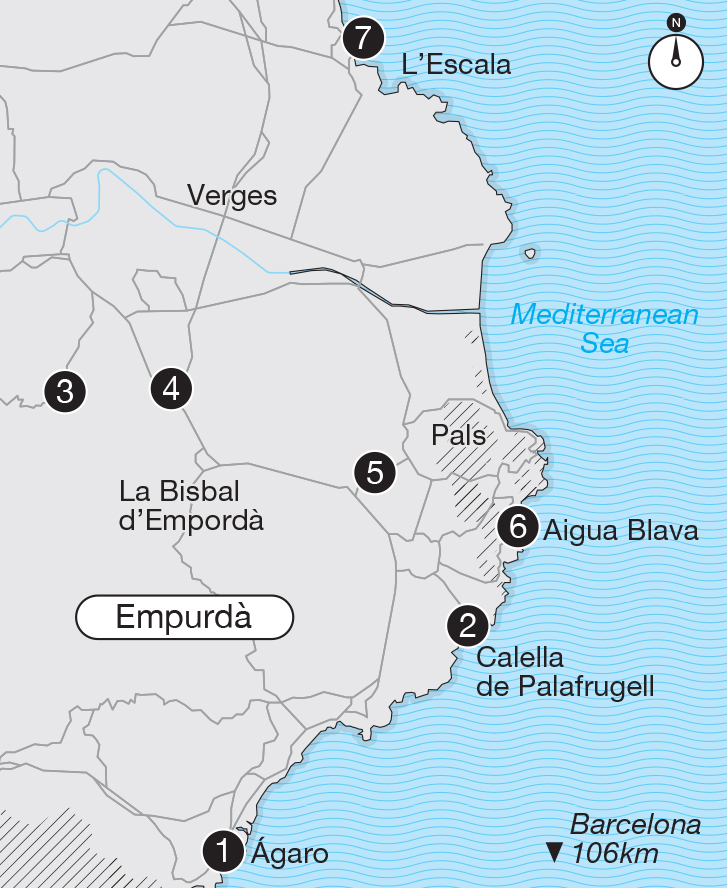
Day one:
1. Hostal de La Gavina, S’Agaró
Day two:
2. Tragamar restaurant, Calella de Palafrugell
3. Hotel Madremanya
Day three:
4. Palau de Casavells gallery
5. Mas de Torrent hotel
Day four:
6. Toc al Mar, Aiguablava
7. Hostal de Empúries
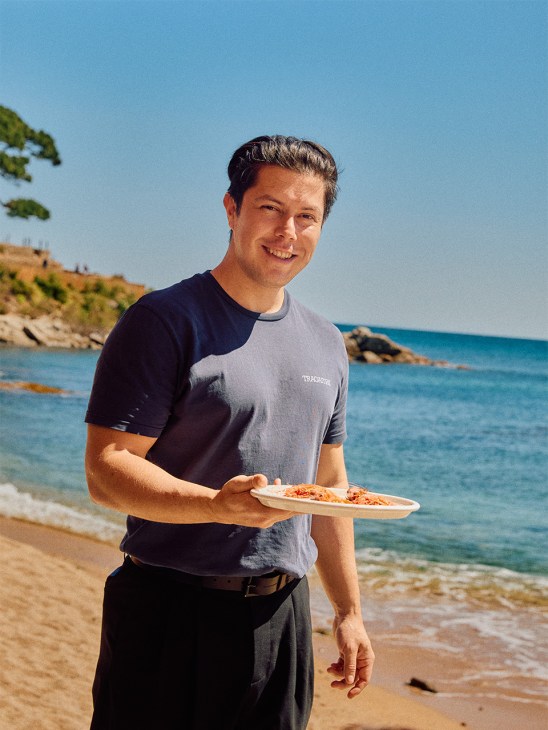
Having managed restaurants across Spain for 35 years, Taruella recently set his sights on a guesthouse. He discovered the 12-key Hotel Madremanya after meeting its owner, who wanted to retire. With only 280 residents, the surrounding village is one of many modest medieval clusters of stone, steeples and sentry towers, which dot the Gironese landscape. “I strive to respect each location and what came before,” says Taruella. “It’s more important for us to feel proud of what we do than just to do business for business’s sake.” Guests are encouraged to explore nature paths on foot or by bike; meanwhile, the hotel has a growing collection of crockery from neighbouring pottery workshop Ceràmiques Pantaleu. “The Costa Brava and l’Empordá have always attracted artists and intellectuals who aren’t here to consume but to contribute.”
Not all of the area’s historic mansions are for lodging. The town of Púbol, a 10-minute drive from Madremanya, is where Gala, Dalí’s muse, found refuge from the artist’s eccentricities. The castle-like residence is open to the public as the Castell Gala Dalí museum. Dalí’s acerbic nature wasn’t anomalous in the region. The unsparing Tramuntana winds, which sweep down from the mountains in the off-season, are said to be responsible for a brusque regional character prone to bouts of eccentricity. Laura Ballesteros, the manager of the Palau de Casavells, a contemporary-art gallery set inside a 16th-century estate home, says that this local disposition is also defined by curiosity and a love of dialogue. And, rather than musing about the future, many of the people here are fixated on connections with what came before.
Poolside at Mas de Torrent
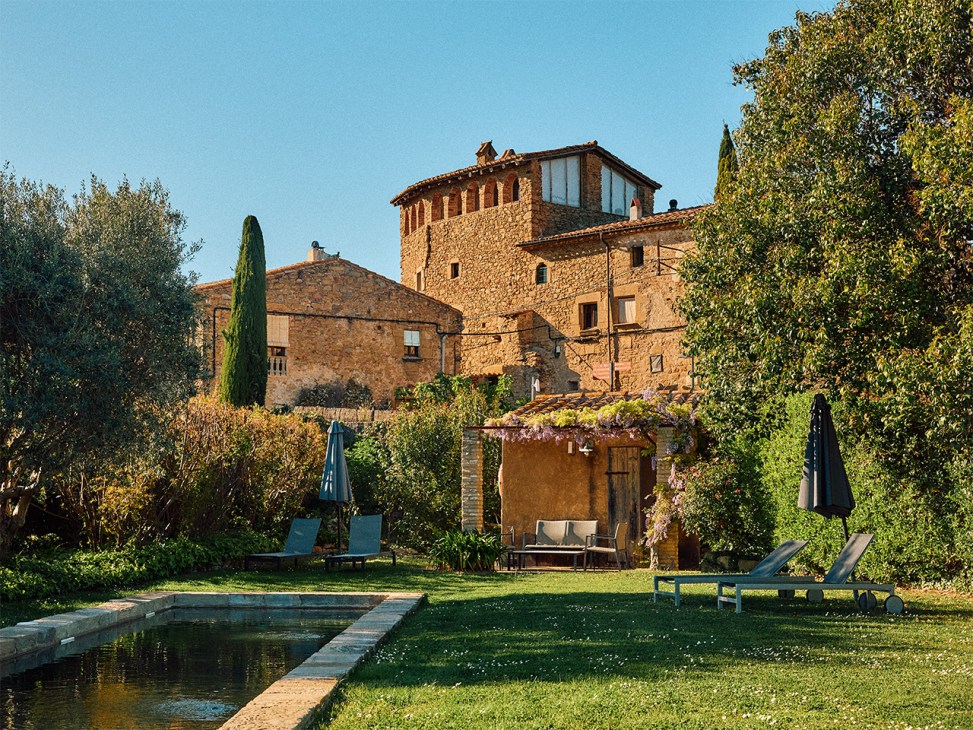
The main building of Mas de Torrent, a hotel and spa, is surrounded by terracotta-tiled villas in the local vernacular. Showing us around its art collection, Susana Basols, the hotel’s director, recalls the time when a local business painted a prominent wall along the highway in a shade of yellow. Graffiti soon appeared, admonishing the owners to “respect l’Empordà’s landscape”. The wall was repainted in a more respectful green. “There’s a collective desire to preserve things,” says Basols.
The following morning, we’re in the lobby of Hostal Empúries, which opened in 1907 as a beachfront villa to host archaeologists arriving to comb through the neighbouring ancient ruins. It now offers 54 guest rooms. Joggers, cyclists and dog-walkers stream up and down the esplanade trail with jagged rock formations on each side of the narrow cove.
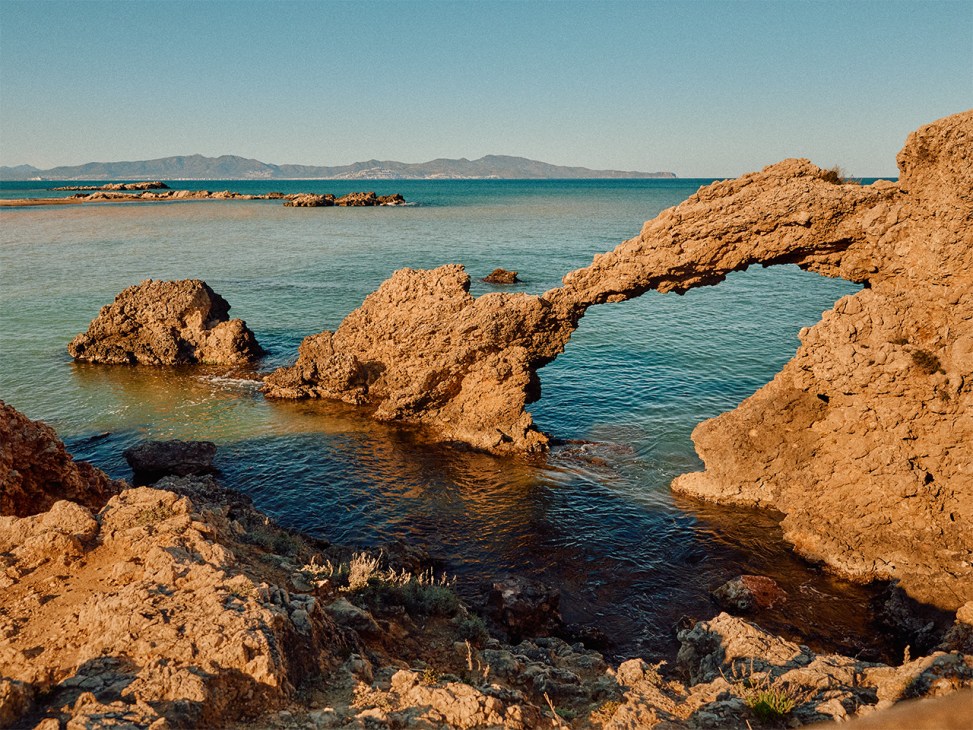
Costa Brava means “Wild Coastline”. The name was coined in 1908 by journalist Ferran Agulló i Vidal but was only officially adopted in the 1960s to attract new visitors to the untamed region. Dalí went a step further, talking about the coastline’s “geological delirium” and how the spectacle of its drama had the power to calm the spectator. Pla’s musings about this stretch of coastline – endlessly paraphrased – talked of the sea’s “innumerable smile” and “air of floating fantasy”. Today much has changed but more has stayed the same. This Catalan outcrop is at once conservative, outward-looking and avant garde, and all the better for it.
1.
Hostal de La Gavina, S’Agaró
This 77-room hotel played a prominent part in transforming the Costa Brava into a mecca on the Med. Many of its staff have been welcoming guests for over a decade. Its padel courts date back to the 1990s and the saltwater pool has views looking out at the bay. The hotel also owns La Taverna del Mat, a restaurant on the S’Agaró beach, which was refreshed in 2013.
lagavina.com
2.
Tragamar, Calella de Palafrugell
Platja de Canadell’s seafood restaurant is known for hosting long meals for locals, visitors and musicians. No one will hurry you off a table here – it’s just not their way.
grupotragaluz.com
3.
Hotel Madremanya, Empordà
Surrounded by rolling hills, fields and cycle paths, the unspoiled medieval village of Madremanya is a labyrinth of narrow streets. This hotel, which reopened in May, is a personal project of Tomás Tarruella and his wife, photographer Paula Ospina, reimagined by Taruella’s longtime collaborator Eduard Aruga. Its uncluttered interiors capture the best of Catalan art and design.
hotelmadremanya.com
4.
Palau de Casavells, Empordà
Holding bold contemporary-art exhibitions in a rustic 16th-century building, Palau de Casavells embodies the region’s cultural identity: anchored to the past but committed to creativity and dialogue. The institution, which is part of the Barcelona-founded Alzueta Gallery, has become an increasingly active, experimental and confident part of the Empordà art scene.
alzuetagallery.com
5.
Mas de Torrent, Empordà
This 39-key hotel in a former family masia became part of Spain’s Único portfolio in 2019. Its owner, Pau Guardans i Cambò, houses his collection of muralist Josep María Sert’s Catalan Evocations series here. Chef Eugeni de Diego is an alumnus of El Bulli and the expansive spa includes an indoor pool. Afternoon teas are hosted in the lounge to encourage conversation among guests.
unicohotels.com
6.
Toc Al Mar, North Aiguablava
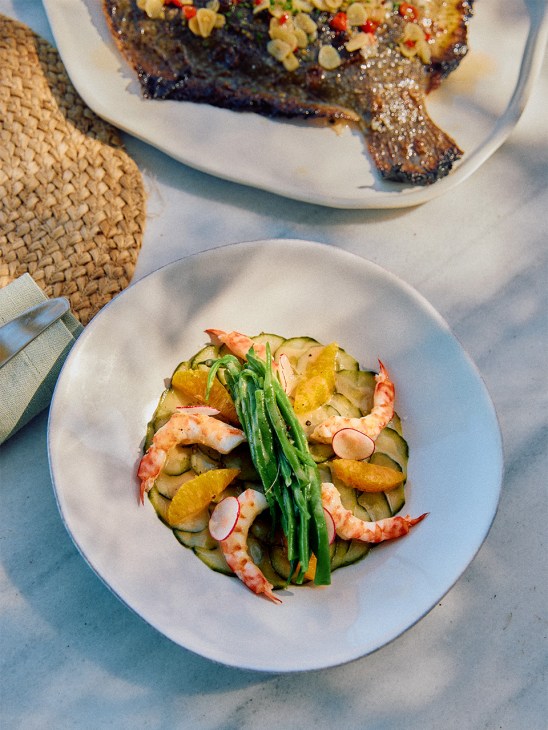
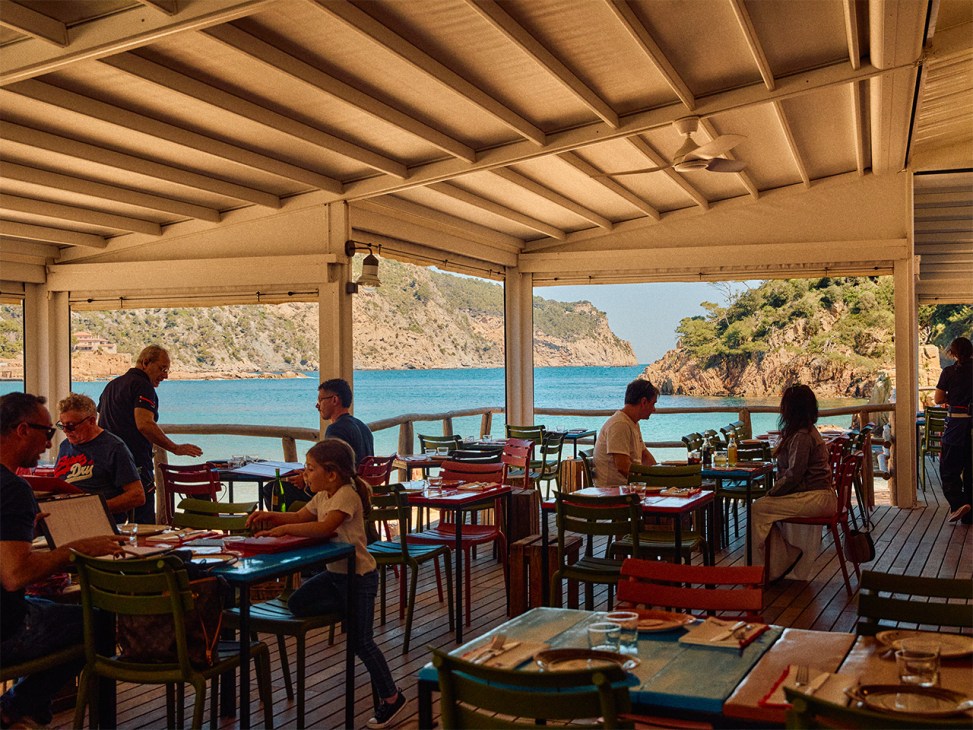
Beloved for its oakwood grill, this chiringuito-style restaurant above the sands of Aiguablava has been helmed since 2011 by couple Santi Colominas and Sandra Baliarda, together with Ruel Rodeles. Here, you can tuck into a lunch of grilled mussels, a savoury requit de drap (ricotta and anchovies) and the house “noodle paella”, known as fideua.
tocalmar.cat
7.
Hostal Empúries, Alt Empordà
The ancient Greeks were onto something when they built the settlement of Empòrion on this stretch of coastline. Hostal Empúries embraces the straight and simple forms of Spanish colonial style. Come for coastal walks and to take advantage of the cycling paths on the hotel’s sea front.
hostalempuries.com
此内容由惯性聚合(RSS阅读器)自动聚合整理,仅供阅读参考。 原文来自 — 版权归原作者所有。