










Eager hosts, built-in fan bases and stadiums at the ready – don’t discount the Stars and Stripes.
The field of play has gotten feisty. In the run-up to this year’s World Cup, I’ve heard plenty of derisive digs from international commentators about the US, which is taking on the lion’s share of hosting duties. Many are predicting that during a politically unpalatable presidential administration, the 23rd edition of the quadrennial tournament is about to flop like Neymar after a light touch.
But as an eager fan cheering the Stars and Stripes from a barstool, I feel it’s high time that someone mount a defence to rival some of the tournament favourites. Here it is: the US is the best World Cup host in 20 years.
I won’t sugarcoat the negatives. Outrageous ticket prices are squarely Fifa’s fault. I forked over $180 (€156) to watch Bosnia and Herzegovina take on Qatar – a real barnburner – and consider myself fortunate. Diplomatic foot-dragging delayed visas for Haitian and South African players. Iran relocated its training camp from Arizona to Tijuana, and many staff, including the president of the Iranian football federation, will be stuck watching the game from Mexico when Team Melli plays in the US. A Somali referee who was lauded last year as Africa’s top official was denied entry at Miami Airport. Ivorian, Senegalese and Haitian fans living abroad face enormous hurdles from capricious consular officials.
As it happens, hollowing out the state department, fortifying an already hostile visa system and embarking on an ill-advised Middle Eastern war have not contributed to a festive atmosphere for footy. And yet, I still believe that this year’s World Cup is going to surprise even the naysayers because the US has a secret weapon: the world’s largest foreign-born population.
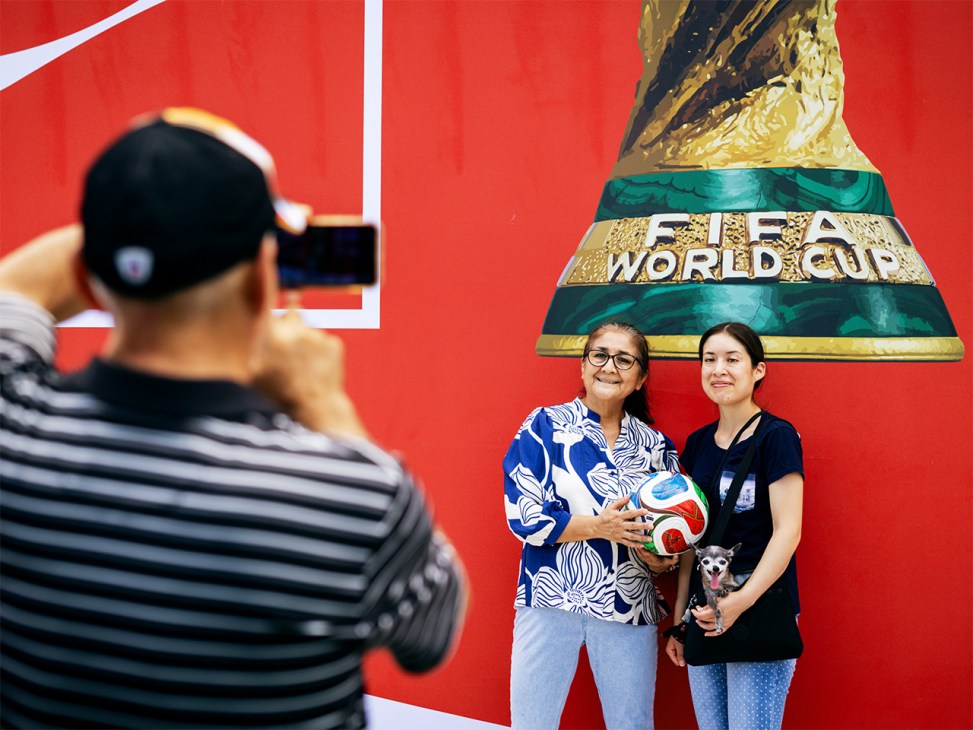
Even a year of aggressive immigration enforcement doesn’t change the essential fact that the US is, and always has been, a nation of immigrants. More than 50 million US residents hail from outside the country and they will be turning up en masse. The visa trouble befalling foreign nationals is a travesty but there will still be enormous crowds cheering for Brazil in Miami, Iran in Los Angeles and Haiti in Boston. Here in Seattle, tens of thousands of Egyptians will fly in from across the country to see if the Pharaohs can break a World Cup curse on Monday and notch their first-ever tournament win.
All of this on-field action, meanwhile, takes place in existing stadiums. Unlike the expensive construction frenzy that fueled allegations of human rights abuses and white elephant corruption in South Africa (2010), Brazil (2014), Russia (2018) and Qatar (2022), the US is a turnkey operation. The biggest infrastructure investment was swapping artificial turf for grass.
The stateside excitement is also genuine. While Canadian tourism operators in Toronto and Vancouver are readying for an influx of fans, Montréal withdrew its bid and only one other Canadian city (Edmonton) applied to host. By contrast, six US cities submitted losing bids in the face of stiff competition from the 11 winners – a sign of enthusiasm from sea to shining sea.
I see it in my local library, where a dedicated shelf displays books about the visiting countries playing matches here. And I see it on the streets, where flags are flying left and right, from eye-catching larger-than-life murals to tiny bunting flapping in the breeze from a pub’s awning.
The World Cup will be welcomed, warts and all, and it will be wonderful.
此内容由惯性聚合(RSS阅读器)自动聚合整理,仅供阅读参考。 原文来自 — 版权归原作者所有。